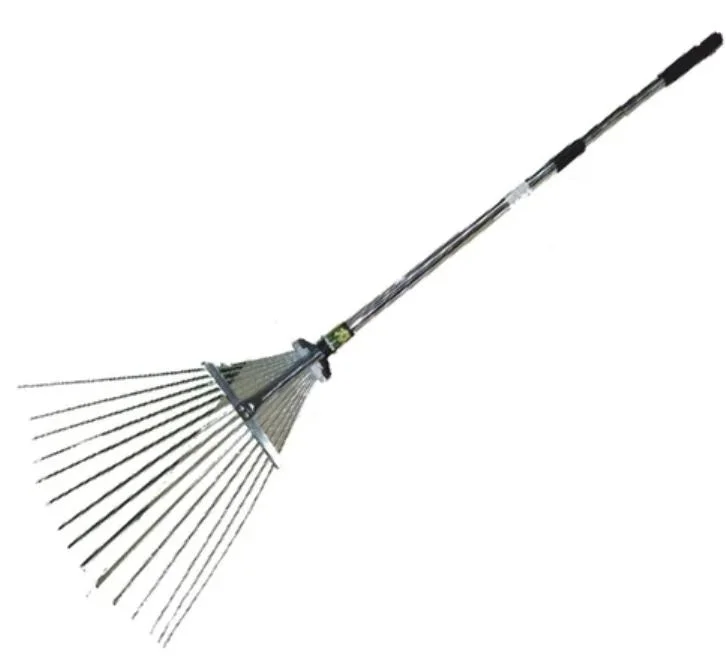
What are Leaf Rakes?
Leaf rakes are essential gardening tools designed for collecting and gathering leaves, debris, and other lightweight materials from lawns and gardens. They typically feature a long handle and a fan-shaped head made of flexible tines or prongs, allowing users to efficiently rake through foliage without damaging the underlying grass or soil. Leaf rakes come in various sizes and designs, catering to different needs from residential use to commercial landscaping.
These tools are primarily used in landscaping, horticulture, and grounds maintenance industries. They facilitate the cleaning of outdoor spaces, ensuring that gardens and lawns remain tidy and healthy. Leaf rakes are also valuable for preparing garden beds and composting, as they can help gather organic matter. Their ease of use and effectiveness make them a staple for both professional landscapers and DIY gardening enthusiasts.
In the market context, leaf rakes are widely available from various manufacturers, reflecting the demand for effective outdoor maintenance tools. The growing emphasis on sustainable gardening practices and maintaining healthy green spaces has further solidified the relevance of leaf rakes in the industry, making them an integral part of toolkits for many businesses.
Key Features and Specifications
Leaf rakes possess several features that enhance their functionality and usability. These features vary among models but generally include aspects that cater to different user needs, from lightweight materials to ergonomic designs.
Key specifications include:
1. Handle Length
- Common lengths range from 48 to 72 inches.
- Longer handles provide more reach while reducing bending.
2. Head Width
- Typical widths range from 18 to 24 inches.
- Wider heads cover more ground, making raking quicker and more efficient.
3. Tine Material
- Tines are usually made from durable plastic or metal.
- Plastic tines are lightweight, while metal tines offer increased durability.
4. Tine Flexibility
- Flexible tines help prevent damage to grass and soil.
- Sturdier tines are suited for tougher debris.
5. Weight
- Weights can vary from 1 to 4 pounds.
- Lighter rakes are easier to handle, especially for extended use.
6. Grip Type
- Rakes may feature rubberized or ergonomic grips.
- Comfortable grips reduce hand fatigue during prolonged use.
7. Color Options
- Available in a variety of colors for aesthetic preferences.
- Bright colors can enhance visibility in outdoor settings.
8. Price Range
- Prices typically range from $10 to $50 based on features and materials.
- Higher-priced models may offer additional durability and efficiency.
In summary, understanding the key features and specifications of leaf rakes can help buyers select the right tool for their specific needs.
Common Applications and Use Cases
Leaf rakes are versatile tools used across various industries, making them indispensable for outdoor maintenance.
1. Landscaping: In landscaping, leaf rakes are vital for maintaining clean outdoor spaces, preparing garden beds, and facilitating composting processes.
2. Horticulture: Horticulturists use leaf rakes to gather organic materials, ensuring gardens are well-kept and promoting healthy plant growth.
3. Municipal Services: Many municipalities employ leaf rakes for park maintenance, helping to keep public spaces tidy and appealing for residents and visitors.
4. Golf Courses: Golf course maintenance teams utilize leaf rakes to clear leaves and debris from greens and fairways, ensuring optimal playing conditions.
5. Agriculture: Farmers use leaf rakes for cleaning fields, gathering fallen leaves, and preparing land for planting or harvesting.
6. Homeowners: Residential users rely on leaf rakes to maintain their yards, especially during the fall season when leaves are abundant.
7. Educational Institutions: Schools and universities use leaf rakes to maintain campus grounds, providing a safe and pleasant environment for students and staff.
Product Variants and Subcategories
Leaf rakes come in various designs to suit different user preferences and applications.
Standard Leaf Rake
This is the most common type, featuring a broad head and sturdy tines. It is ideal for general gardening tasks and is suitable for both residential and commercial use.
Folding Leaf Rake
A folding leaf rake offers the convenience of compact storage. Its adjustable head allows users to modify the width, making it versatile for various raking tasks.
Heavy-Duty Leaf Rake
Designed for more demanding applications, this variant features reinforced tines and a sturdy handle. It is well-suited for professional landscapers and heavy debris cleanup.
Lightweight Leaf Rake
This rake is designed for ease of use and maneuverability. It is perfect for smaller gardens or for users who prefer a lighter tool for everyday tasks.
Benefits and Advantages
Leaf rakes provide numerous advantages that make them essential tools for outdoor maintenance.
1. Efficiency: Leaf rakes allow users to gather leaves and debris quickly, saving time and effort compared to manual collection.
2. Versatility: Suitable for various applications, leaf rakes can be used in gardens, parks, and agricultural settings.
3. Ergonomic Design: Many leaf rakes feature ergonomic handles, reducing strain on the user's back and arms during extended use.
4. Cost-effective: Leaf rakes are generally affordable and offer long-term value due to their durability and effectiveness.
5. Environmentally Friendly: Using a leaf rake reduces reliance on powered equipment, promoting sustainable gardening practices.
6. Easy to Use: Leaf rakes are simple tools that require no special training, making them accessible for users of all skill levels.
Buying Guide for B2B Buyers
When sourcing leaf rakes for business use, several factors should be considered to ensure an informed purchase decision.
1. Quality Assessment: Buyers should evaluate the construction materials and design of the leaf rakes. Durable tines and handles are critical for long-term use, especially in professional settings.
2. Supplier Verification: It is essential to vet suppliers to ensure they provide quality products. Checking for reviews and requesting samples can help in this process.
3. Pricing and MOQ: Understanding the price range and minimum order quantities can aid in budgeting. Buyers should compare quotes from multiple suppliers for the best deal.
4. Delivery and Lead Times: Timely delivery is crucial for businesses. Buyers should inquire about lead times and shipping options to ensure efficiency in operations.
5. Compliance Requirements: Buyers should verify that the products meet any relevant industry standards and regulations to avoid potential issues.
Compliance and Certifications
Leaf rakes are subject to various compliance standards and certifications that ensure quality and safety in their manufacturing and use.
Manufacturers may adhere to quality standards such as ISO 9001, which focuses on effective quality management systems. Compliance with these standards indicates that the product meets customer and regulatory requirements.
Certifications like CE are important for ensuring that products meet European safety standards. This certification assures buyers of the product's safety and reliability.
In addition to these standards, leaf rakes must comply with safety and testing requirements relevant to their intended use. Ensuring that products are tested for durability and safety can prevent accidents and enhance user experience.
Regionally, compliance may vary, and buyers should be aware of local regulations regarding product safety and environmental impact.
Why Source Leaf Rakes from Pepagora?
Pepagora provides a reliable platform for sourcing leaf rakes, ensuring that buyers can find high-quality products with ease.
The verified supplier network at Pepagora guarantees that all listed suppliers have undergone thorough vetting. This adds a layer of trust and reliability for businesses seeking quality tools.
The streamlined Request for Quotation (RFQ) process simplifies procurement. Buyers can easily compare multiple offers and select the most suitable option based on their requirements.
Trade assurance and support are key features of sourcing through Pepagora. This system protects buyers by ensuring that their orders are fulfilled as agreed, fostering a secure purchasing environment.
Additionally, Pepagora's regional coverage extends across India, the GCC, and Southeast Asia, allowing businesses in these areas to access a diverse range of products and suppliers. This broad geographic reach enhances the ability to find the right tools for specific local needs.

 IN
IN