
 IN
Garden Rakes
4 products available
What are Garden Rakes?
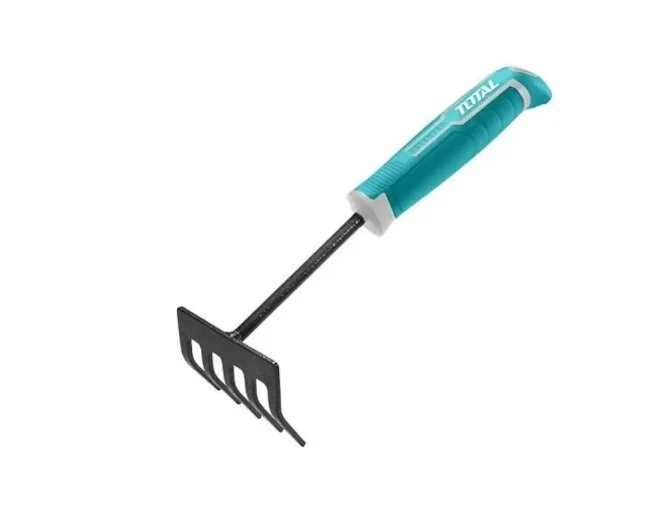
Garden rakes are essential hand tools used primarily for soil preparation and lawn care. They feature a long handle with a head that has several tines or prongs, which can be made from materials like metal or plastic. These tools are designed to help gardeners and landscapers break up soil, level seedbeds, and gather debris like leaves and grass clippings.
The primary uses of garden rakes extend beyond simple gardening tasks. They are frequently employed in landscaping, agriculture, and horticulture. Businesses in these sectors rely on rakes to prepare planting areas, spread mulch, and maintain overall garden health. In addition, garden rakes are relevant in commercial settings such as nurseries and golf courses, where manicured landscapes are crucial for aesthetic appeal and functionality.
The market for garden rakes has seen steady growth, driven by increasing interest in gardening and landscaping. With the rise of urban gardening and sustainable practices, the demand for high-quality rakes is expected to continue. As such, understanding the features and specifications of garden rakes is vital for businesses looking to invest in this essential tool.
Key Features and Specifications
Garden rakes come equipped with various features that suit different gardening needs. These features can significantly affect performance, durability, and usability. It is essential to consider these specifications when selecting the right garden rake for specific applications.
Key specifications include:
1. Material Composition
- Garden rakes can be made of stainless steel, aluminum, or durable plastic.
- Steel rakes are known for their strength, while plastic rakes are lightweight and rust-resistant.
2. Head Width
- The head width can vary, typically ranging from 10 to 20 inches.
- A wider head allows for more efficient soil leveling, while a narrower head provides more precision.
3. Tine Length
- Tines can range from 3 to 6 inches in length.
- Longer tines penetrate deeper into the soil, while shorter tines are effective for surface work.
4. Handle Length
- Handle lengths usually vary from 48 to 72 inches.
- Longer handles provide better reach for larger areas, while shorter handles allow for more control in tight spaces.
5. Weight
- Rakes generally weigh between 1.5 to 3.5 pounds.
- The weight affects ease of use and maneuverability, especially during prolonged use.
6. Ergonomic Design
- Some rakes feature ergonomic handles that reduce strain during use.
- Comfort grips can also enhance user experience, making tasks easier.
7. Versatility
- Many garden rakes can serve dual purposes with adjustable heads or interchangeable tines.
- This feature allows for more efficient use in various gardening tasks.
In summary, selecting the right garden rake involves considering material, size, weight, and ergonomic features to meet specific gardening needs.
Common Applications and Use Cases
Garden rakes are versatile tools used across various industries. Their applications are essential for maintaining healthy landscapes and gardens.
1. Landscaping: Garden rakes are commonly used to prepare soil for planting and create even surfaces in landscaped areas.
2. Agriculture: Farmers utilize rakes to level soil beds, remove debris, and prepare fields for sowing seeds.
3. Horticulture: Nurseries use garden rakes for potting soil preparation and managing plant beds effectively.
4. Golf Courses: Maintenance teams rely on rakes to keep sand traps and turf looking pristine and well-maintained.
5. Residential Gardening: Home gardeners use rakes for lawn care, including gathering leaves and spreading mulch.
6. Parks and Recreation: Rakes are essential in public parks for maintaining flower beds and keeping pathways clear of debris.
7. Community Gardens: Rakes play a vital role in preparing communal planting areas and ensuring healthy soil conditions.
Product Variants and Subcategories
Garden rakes come in various designs to fit different gardening needs. Each variant offers unique features and applications.
Standard Garden Rake
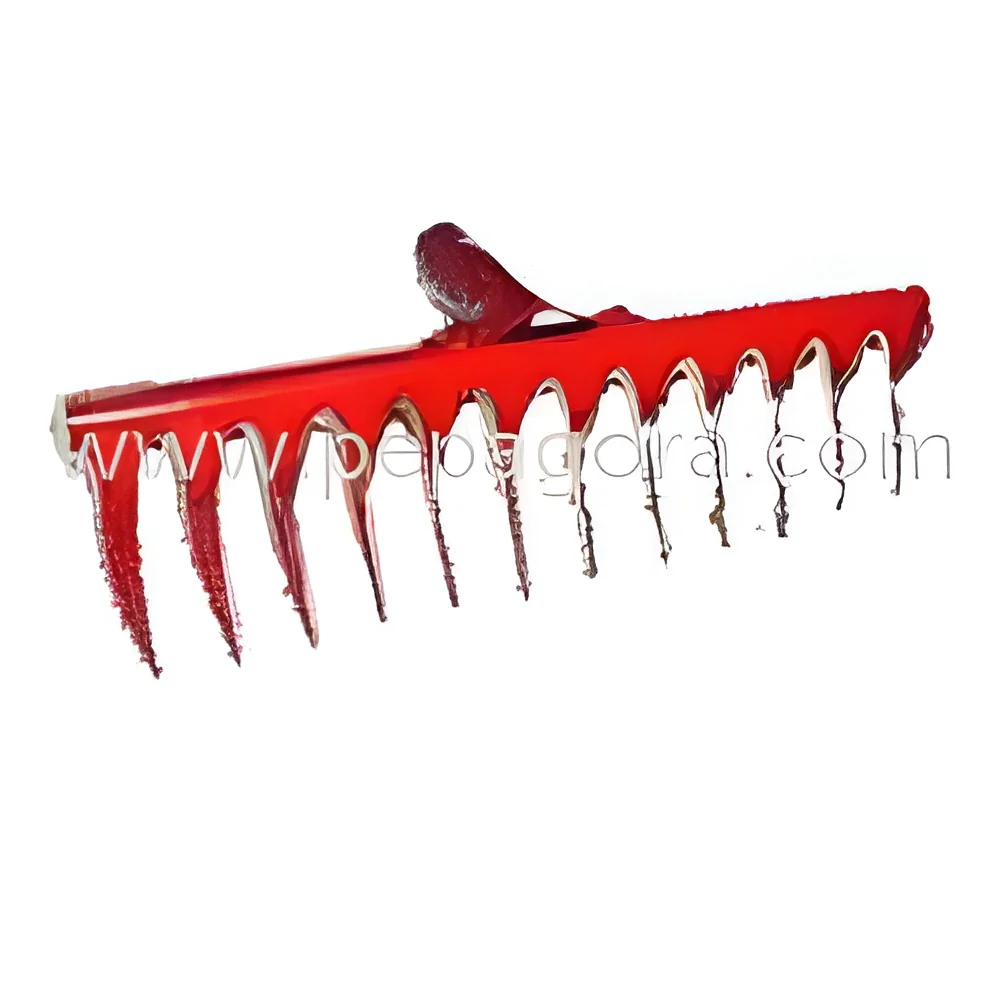
This traditional rake features a sturdy metal head with long tines, ideal for general soil preparation and debris collection. It is widely used in both residential and commercial gardening.
Leaf Rake
Designed with broader, thinner tines, the leaf rake is perfect for collecting leaves and light debris. Its lightweight design makes it easy to maneuver, especially in larger spaces.
Bow Rake
The bow rake has a flat head with sturdy tines, making it suitable for leveling soil and breaking up compacted ground. It is often used in landscaping and construction projects.
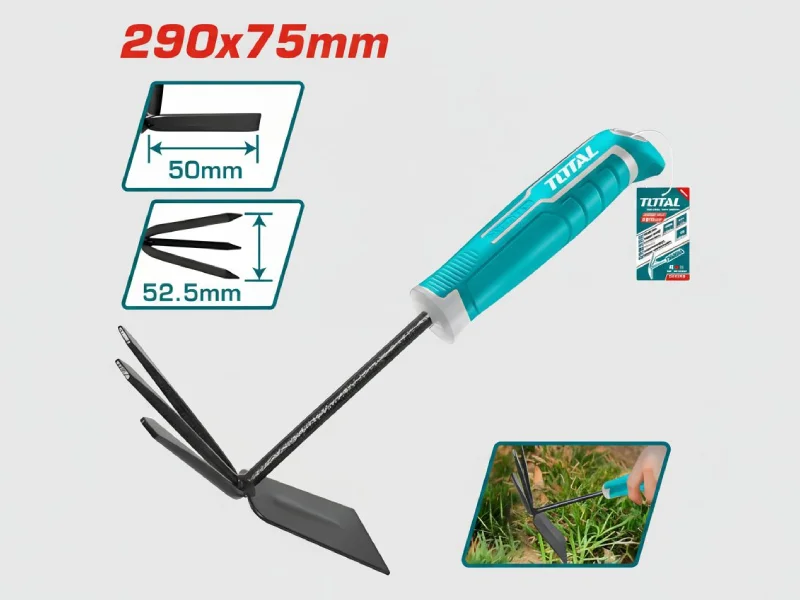
Cultivator Rake
This variant features shorter, robust tines designed for breaking up soil and aeration. It is particularly useful in small garden beds and containers.
Benefits and Advantages
Investing in high-quality garden rakes offers several advantages for businesses and individuals alike.
1. Improved Efficiency: Garden rakes streamline tasks like soil preparation and debris collection, saving time and effort.
2. Versatility: Many rakes can be used for multiple applications, reducing the need for additional tools.
3. Enhanced Durability: Quality materials ensure that garden rakes withstand wear and tear, providing long-lasting service.
4. Ergonomic Design: Comfort features minimize physical strain, allowing for prolonged use without discomfort.
5. Cost-Effectiveness: Durable rakes reduce replacement frequency, leading to savings in the long term.
6. Professional Results: Using the right tools leads to better garden management and improved landscape aesthetics.
Buying Guide for B2B Buyers
When sourcing garden rakes for commercial use, several factors should be taken into account to ensure a successful purchase.
1. Quality Assessment: Evaluate rakes based on their material, construction, and user reviews. High-quality tools can enhance productivity and minimize replacement costs.
2. Supplier Verification: Conduct thorough research on potential suppliers. Look for certifications and customer feedback to ensure reliability and product quality.
3. Pricing and MOQ: Understand the pricing structure and minimum order quantities. This information helps in budgeting and managing costs effectively.
4. Delivery and Lead Times: Inquire about shipping options and lead times. Reliable delivery is crucial for maintaining operational schedules.
5. Compliance Requirements: Review any necessary compliance standards relevant to your industry. Ensuring that tools meet regulatory needs is vital for safety and operational integrity.
Compliance and Certifications
Compliance and certification are crucial elements in the industrial tools market, including garden rakes.
Reputable garden rakes should adhere to quality standards such as ISO 9001, which ensures consistent quality management. Additionally, some products may meet HACCP or GDP standards, which are important for tools used in food-related gardening applications.
Certifications like CE indicate that products comply with European health, safety, and environmental protection standards. These certifications assure buyers of the safety and reliability of garden rakes.
Safety and testing requirements vary by region and application. It is essential for buyers to ensure the products meet local regulations to avoid compliance issues. Understanding these specifications can help businesses make informed purchasing decisions.
Why Source Garden Rakes from Pepagora?
Pepagora is a trusted platform designed for sourcing garden rakes, offering several key advantages for buyers.
Verified Supplier Network: Pepagora partners with verified suppliers, ensuring that buyers can access high-quality products. This network allows businesses to source rakes from reputable manufacturers.
Streamlined RFQ Process: The Request for Quotation process on Pepagora is efficient and user-friendly. Buyers can quickly compare offers and select suppliers that meet their needs.
Trade Assurance and Support: Pepagora provides buyer protection through trade assurance programs. This support helps secure transactions and build trust between buyers and suppliers.
Regional Coverage: With a strong presence in India, the GCC, and Southeast Asia, Pepagora connects buyers to local and international suppliers. This geographic reach enhances accessibility and options for sourcing garden rakes.


Frequently Asked Questions
What are Garden Rakes?
Garden rakes are essential gardening tools designed for loosening soil, leveling ground, and gathering debris such as leaves and grass clippings. They typically feature a long handle with a row of metal or plastic tines at one end, which can vary in width and spacing depending on their intended use.
What are the different types of Garden Rakes?
There are several types of garden rakes, including landscape rakes, bow rakes, and spring rakes. Landscape rakes are used for leveling soil, bow rakes are designed for breaking up hard soil and spreading materials, while spring rakes are ideal for gathering lighter debris like leaves.
How do I choose the right Garden Rakes?
To choose the right garden rake, consider the specific gardening tasks you need to perform, such as soil preparation or debris collection. Additionally, evaluate the size and weight of the rake to ensure it is comfortable for you to use, and take note of the material for durability.
What are the standard specifications for Garden Rakes?
Standard specifications for garden rakes typically include the length of the handle, which can range from 48 to 72 inches, and the width of the rake head, which varies from 12 to 24 inches. The tines can be made from steel, aluminum, or plastic, depending on the rake's intended use.
What is the price range for Garden Rakes?
The price range for garden rakes can vary widely depending on the type, material, and brand. Generally, you can expect to pay anywhere from ₹300 to ₹2,500 for a garden rake in India.
What quality standards apply to Garden Rakes?
Quality standards for garden rakes typically include the durability of materials used, the strength of the handle, and the construction of the tines. Rakes should meet industry standards for safety and functionality to ensure they can withstand regular use in gardening.
Where can I find Garden Rakes suppliers in India?
You can find garden rake suppliers in India through various online B2B marketplaces like Pepagora, local hardware stores, or gardening supply retailers. Conducting a search for 'best garden rakes suppliers in India' can help you identify reputable manufacturers.
Can Garden Rakes be customized?
Yes, many manufacturers offer customization options for garden rakes, such as specific handle lengths, colors, or branding. It is advisable to discuss your requirements directly with suppliers to explore available customization options.
What is the typical minimum order quantity for Garden Rakes?
The typical minimum order quantity (MOQ) for garden rakes can vary by supplier, but it often ranges from 50 to 100 units. Be sure to check with individual suppliers for their specific MOQ requirements.
What is the typical lead time for Garden Rakes?
The typical lead time for garden rakes can vary depending on the supplier and order size, but it usually ranges from 2 to 6 weeks. Factors such as customization and seasonal demand may also affect delivery times.
Why Businesses Trust Pepagora
Thousands of companies trust Pepagora to source smarter and sell faster
Expand Your Sales Globally

Source Smarter,Grow Faster
