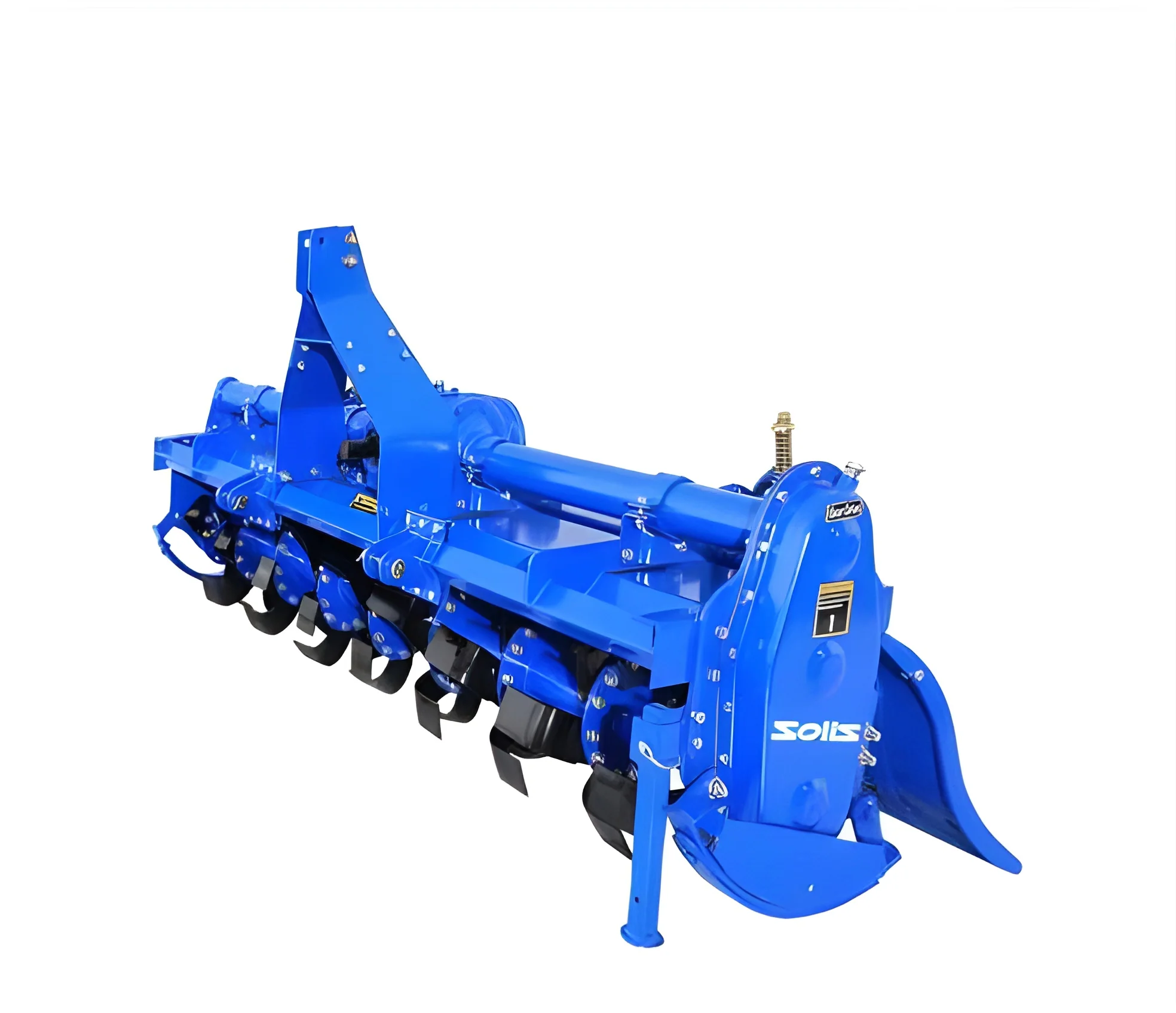
What are Cultivators?
Cultivators are essential agricultural tools designed to prepare soil for planting by breaking up and aerating the ground. These machines can vary in size and complexity, ranging from small hand-held devices to larger, more sophisticated machinery. The primary function of cultivators is to create a suitable seedbed for crops by loosening the soil, thus promoting better root development and enhancing moisture retention.
Cultivators are widely used in various agricultural practices, including gardening, landscaping, and large-scale farming. They help to remove weeds, mix fertilizers into the soil, and improve soil structure. These machines are particularly beneficial for farmers and gardeners who seek to maximize crop yields and maintain healthy soil conditions. As the demand for efficient agricultural practices increases, cultivators play a vital role in modern farming techniques.
In the current market, cultivators are significant due to the growing emphasis on sustainable and efficient farming practices. With the rise of precision agriculture, cultivators are being integrated with advanced technology to enhance performance and productivity. This trend underscores the relevance of cultivators in the agricultural sector, making them indispensable tools for both small and large-scale agricultural enterprises.
Key Features and Specifications
Cultivators come equipped with various features designed to enhance their efficiency and effectiveness in soil preparation. Understanding these specifications is essential for selecting the right cultivator for specific agricultural needs.
Key specifications include:
1. Power Type
- Cultivators can be powered by gas, electricity, or batteries.
- Each power type presents different advantages in terms of mobility and operational cost.
2. Tilling Width
- This specification indicates the width of the area that can be tilled in one pass.
- Typical widths range from 10 inches to 24 inches, depending on the model.
3. Tilling Depth
- This refers to how deep the cultivator can penetrate the soil.
- Depths may vary from 4 inches to 10 inches, depending on the type of soil and crops.
4. Weight
- The weight of the cultivator affects its stability and ease of use.
- Models typically range from lightweight models of around 30 pounds to heavier units exceeding 100 pounds.
5. Number of Tines
- Tines are the pointed tools used for tilling the soil.
- Most cultivators have between 4 to 8 tines, influencing both speed and thoroughness of tilling.
6. Handle Type
- Cultivators may feature adjustable or fixed handles, affecting user comfort and operation.
- Ergonomic designs are common to reduce strain during use.
7. Safety Features
- Many cultivators come with safety guards and automatic shut-off mechanisms.
- These features are crucial for ensuring safe operation.
8. Warranty
- Warranty periods may vary, with many cultivators offering warranties from one year to three years.
- A longer warranty can indicate better quality and manufacturer confidence.
In summary, understanding the key features and specifications of cultivators is crucial for making informed decisions that align with specific agricultural needs and operational contexts.
Common Applications and Use Cases
Cultivators are versatile tools used across various industries, making them invaluable in modern agriculture.
1. Agriculture: Cultivators are primarily used in large-scale farming to prepare fields for planting. They help in breaking up the soil and controlling weeds, ensuring optimal conditions for crop growth.
2. Gardening: In home gardening, cultivators assist enthusiasts in maintaining flower beds and vegetable patches. They enable effective soil aeration and nutrient mixing, promoting healthy plant development.
3. Landscaping: Landscapers utilize cultivators for soil preparation and weed control in commercial and residential projects. Their ability to aerate soil contributes to the overall health of landscaped areas.
4. Horticulture: In nurseries, cultivators are used to prepare soil for potting and transplanting. They help ensure that young plants have the best possible start in nutrient-rich soil.
5. Organic Farming: Organic farmers often use cultivators to minimize soil disturbance while effectively managing weeds and preparing seedbeds without the use of chemicals.
6. Greenhouses: Cultivators are employed in greenhouse operations for soil management. They support the health of potted plants and ensure proper growing conditions.
7. Education: Agricultural schools and training programs use cultivators to teach students about soil management and crop production, emphasizing practical skills in farming.
Product Variants and Subcategories
Cultivators come in a variety of models to suit different needs and preferences in soil preparation.
Electric Cultivators: These models are lightweight and easy to use, making them ideal for small gardens and home landscaping. They are quieter and produce no emissions, appealing to environmentally conscious users.
Gas-Powered Cultivators: More powerful than electric models, gas-powered cultivators are suitable for larger areas. They provide greater mobility and are capable of handling tougher soil conditions.
Handheld Cultivators: Designed for small-scale gardening, these manual tools are perfect for tight spaces and intricate work. They require no power source and are convenient for quick soil aeration.
Rotary Cultivators: These machines feature rotating tines that deeply break up the soil. They are particularly effective for larger farming operations where extensive tilling is required.
Garden Tillers: Often confused with cultivators, tillers are designed for more intensive soil preparation. They penetrate deeper and are used for breaking new ground or heavily compacted soil.
Benefits and Advantages
Cultivators offer numerous benefits that enhance agricultural productivity and efficiency.
1. Improved Soil Structure: Cultivators aerate the soil, improving its structure and promoting healthy root growth. This leads to better crop yields.
2. Weeding Efficiency: They help control weeds effectively by uprooting them during tilling, reducing competition for nutrients and water.
3. Time-Saving Operation: Cultivators can significantly reduce the time needed for soil preparation compared to manual methods, allowing farmers to focus on other tasks.
4. Enhanced Nutrient Mixing: By incorporating fertilizers and organic matter into the soil, cultivators help optimize nutrient availability for plants.
5. Versatility: Cultivators can be used in various applications, from small gardens to large farms, making them suitable for diverse agricultural practices.
6. Environmental Benefits: By reducing the need for chemical herbicides through effective weeding, cultivators contribute to more sustainable farming practices.
Buying Guide for B2B Buyers
When sourcing cultivators for agricultural needs, several factors should be carefully considered to ensure the right choice.
1. Quality Assessment: Evaluate cultivators based on their build quality, durability, and brand reputation. High-quality materials and construction can lead to longer service life and reliability.
2. Supplier Verification: Ensure that suppliers are reputable and provide verified products. Check for customer reviews and industry recommendations to gauge their credibility.
3. Pricing and MOQ: Understand the pricing structure and minimum order quantities offered by suppliers. This helps in budgeting and ensures that the purchase aligns with business needs.
4. Delivery and Lead Times: Inquire about delivery schedules and lead times. Timely delivery is crucial for ensuring that cultivators are available when needed for seasonal planting.
5. Compliance Requirements: Familiarize yourself with any regulatory or compliance standards that may apply to cultivators in your region. This includes safety certifications and quality standards.
Compliance and Certifications
Cultivators must adhere to various quality standards and certifications to ensure safety and reliability.
ISO 9001: This standard highlights the importance of quality management systems. Manufacturers of cultivators should comply with ISO 9001 to ensure consistent quality in their products.
UL and CE Certifications: These certifications indicate that the cultivators meet safety and performance standards. UL certification is especially important in North America, while CE certification is essential for products marketed in Europe.
Safety and Testing Requirements: Cultivators should undergo rigorous testing to meet safety regulations. This includes ensuring that all operational features are safe for users and that the equipment is reliable under various conditions.
Regional Compliance Considerations: Different regions may have specific regulations regarding agricultural equipment. Buyers should be aware of local compliance requirements to avoid legal issues and ensure product acceptance in their market.
Why Source Cultivators from Pepagora?
Pepagora offers a trusted platform for sourcing cultivators, providing several key advantages to B2B buyers.
Verified Supplier Network: Pepagora connects buyers with a network of verified suppliers, ensuring that products meet high-quality standards. This verification process builds confidence in the purchasing decision.
Streamlined RFQ Process: The Request for Quotation (RFQ) system simplifies the procurement process, allowing buyers to receive competitive quotes from multiple suppliers. This fosters transparency and helps in making informed decisions.
Trade Assurance and Support: Pepagora offers trade assurance, providing protection for buyers throughout the purchasing process. This support includes assistance with disputes and ensures that buyers receive what they pay for.
Regional Coverage: With a strong presence in India, the GCC, and Southeast Asia, Pepagora ensures that buyers have access to cultivators and related agricultural products across diverse markets. This regional reach enhances convenience and accessibility for businesses looking to source high-quality cultivators.

 IN
IN