
 IN
Frozen & Processed Foods
129 products available
𝗪𝗵𝗮𝘁 𝗮𝗿𝗲 𝗙𝗿𝗼𝘇𝗲𝗻 & 𝗣𝗿𝗼𝗰𝗲𝘀𝘀𝗲𝗱 𝗙𝗼𝗼𝗱𝘀?
Frozen and processed foods are products that have undergone preservation methods to extend their shelf life while maintaining their nutritional value and safety. These foods are typically prepared and frozen or processed through various techniques, including canning, dehydration, or vacuum sealing. This allows them to be stored for extended periods without spoiling, making them convenient options for consumers and businesses alike.
The primary uses of frozen and processed foods span across various sectors, including food service, retail, and institutional settings. Businesses in these industries utilize these products for meal preparation, inventory management, and reducing food waste. Processed foods often serve as ready-to-eat meals, side dishes, or ingredients in larger recipes, making them essential for catering operations, restaurants, and supermarkets.
In today's fast-paced market, the frozen and processed food industry is highly relevant. With increasing demand for convenience and ready-to-eat options, manufacturers are innovating to meet consumer preferences. The market is influenced by factors such as changing lifestyles, the growth of e-commerce, and a rising focus on food safety and quality. Understanding these dynamics can help businesses make informed sourcing decisions.
𝗞𝗲𝘆 𝗙𝗲𝗮𝘁𝘂𝗿𝗲𝘀 𝗮𝗻𝗱 𝗦𝗽𝗲𝗰𝗶𝗳𝗶𝗰𝗮𝘁𝗶𝗼𝗻𝘀
Frozen and processed foods come with several key features that make them appealing to businesses. These features ensure product quality, safety, and convenience.
Key specifications include:
1. Quality Standards
- Adherence to industry standards such as ISO 9001 and HACCP.
- Assurance of product safety and consistent quality.
2. Packaging
- Durable packaging to maintain freshness during transport and storage.
- Sealed containers to prevent contamination.
3. Storage Conditions
- Requirements for maintaining specific temperature ranges during storage.
- Humidity control to prevent spoilage.
4. Shelf Life
- Defined expiration dates that indicate safe consumption periods.
- Information on freezing and thawing processes for optimal quality.
5. Nutritional Information
- Clear labeling of nutritional content per serving.
- Information on allergens and dietary considerations.
6. Customization Options
- Opportunities for bulk orders tailored to specific business needs.
- Potential for private labeling or branding.
7. Traceability
- Systems in place to track product origins and processing steps.
- Compliance with food safety regulations.
8. Certification
- CE certification to indicate compliance with European safety standards.
- Assurance of meeting local and international regulations.
These specifications provide a framework for businesses to evaluate and select suitable frozen and processed food products.
𝗖𝗼𝗺𝗺𝗼𝗻 𝗔𝗽𝗽𝗹𝗶𝗰𝗮𝘁𝗶𝗼𝗻𝘀 𝗮𝗻𝗱 𝗨𝘀𝗲 𝗖𝗮𝘀𝗲𝘀
Frozen and processed foods find applications across various industries, highlighting their versatility and importance.
1. Food Service Industry: Restaurants and catering services use frozen and processed foods for meal preparation, allowing for quick and efficient service without sacrificing quality.
2. Retail Sector: Supermarkets and grocery stores stock frozen and processed foods to meet consumer demand for convenience and variety in meal options.
3. Healthcare: Hospitals and care facilities utilize these foods for patient meals, ensuring that dietary requirements are met while providing easy-to-prepare options.
4. Educational Institutions: Schools and universities incorporate frozen and processed foods into their meal programs, allowing for nutritious and appealing options for students.
5. Hospitality: Hotels and resorts leverage frozen and processed foods to manage inventory and provide consistent quality in their dining offerings.
𝗣𝗿𝗼𝗱𝘂𝗰𝘁 𝗩𝗮𝗿𝗶𝗮𝗻𝘁𝘀 𝗮𝗻𝗱 𝗦𝘂𝗯𝗰𝗮𝘁𝗲𝗴𝗼𝗿𝗶𝗲𝘀
Frozen and processed foods encompass a diverse range of products, catering to different consumer needs and preferences.
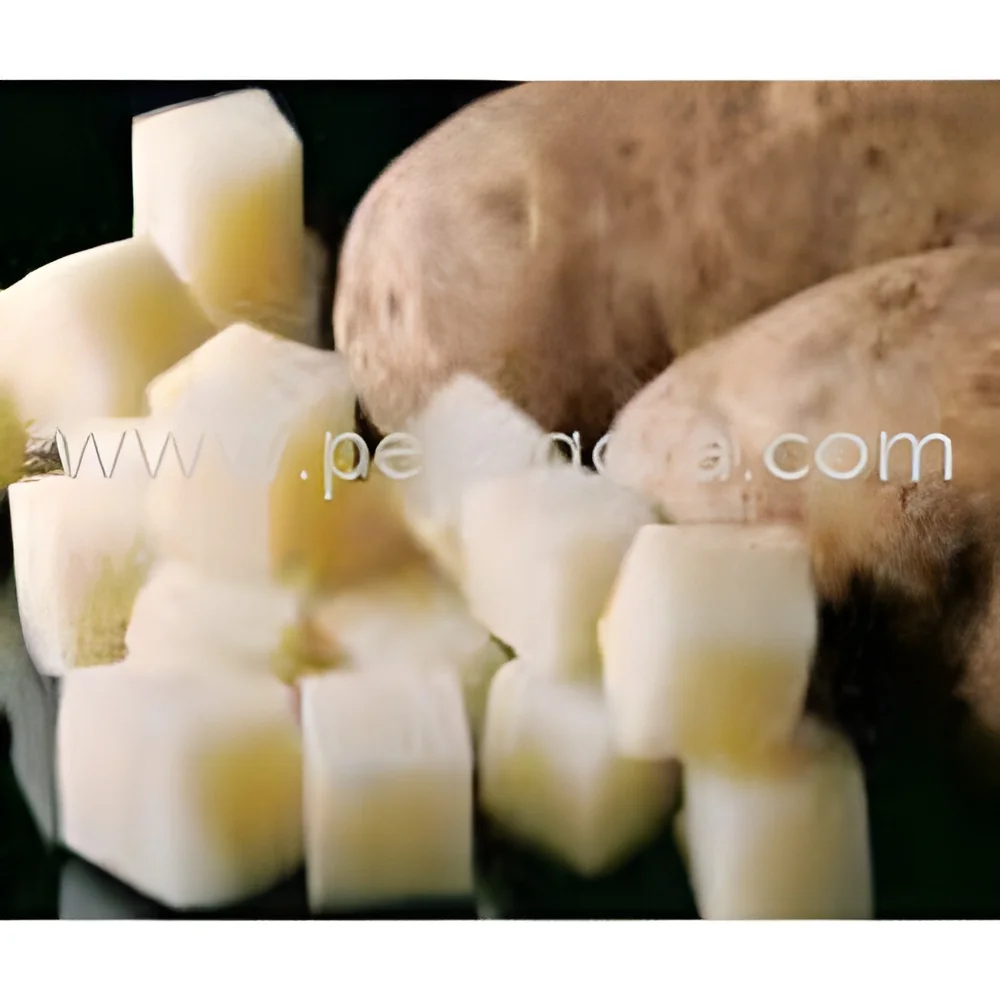
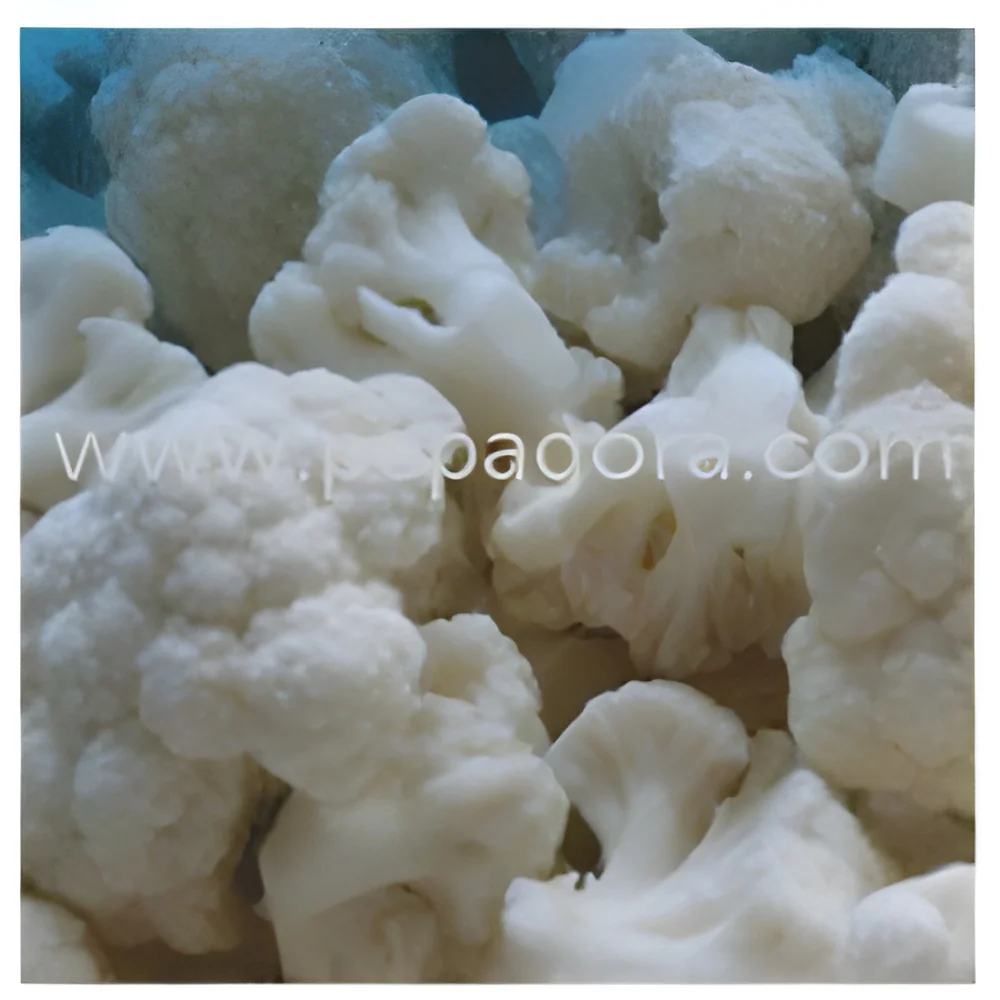
Frozen Vegetables: These products are flash-frozen at peak freshness, preserving nutrients and flavor. They are commonly used in cooking and meal prep for various cuisines.
Frozen Meals: Ready-to-eat meals are designed for convenience, often featuring complete dishes that can be quickly heated and served. They appeal to busy consumers looking for quick meal solutions.
Processed Snacks: These include items such as frozen appetizers or finger foods, ideal for parties and gatherings, providing an easy way to serve guests.
Frozen Fruits: Like vegetables, frozen fruits retain their freshness and are often used in smoothies, desserts, or baking, offering year-round availability of seasonal produce.
𝗕𝗲𝗻𝗲𝗳𝗶𝘁𝘀 𝗮𝗻𝗱 𝗔𝗱𝘃𝗮𝗻𝘁𝗮𝗴𝗲𝘀
Frozen and processed foods offer numerous advantages that make them appealing to businesses and consumers alike.
1. Convenience: These foods require minimal preparation time, making them ideal for busy households and food service operations.
2. Extended Shelf Life: Freezing and processing extend the usability of products, reducing food waste and allowing for bulk purchasing.
3. Nutritional Retention: Proper freezing methods help retain vitamins and minerals, ensuring that consumers receive essential nutrients.
4. Cost-Effectiveness: Purchasing frozen and processed foods in bulk can lead to significant savings for businesses compared to fresh produce.
5. Versatility: These products can be used in various dishes across different cuisines, providing flexibility to chefs and home cooks.
6. Consistent Quality: Frozen and processed foods are often produced under strict quality control measures, ensuring uniformity in taste and texture.
𝗕𝘂𝘆𝗶𝗻𝗴 𝗚𝘂𝗶𝗱𝗲 𝗳𝗼𝗿 𝗕𝟮𝗕 𝗕𝘂𝘆𝗲𝗿𝘀
When sourcing frozen and processed foods, businesses should consider several key factors to make informed purchasing decisions.
1. Quality Assessment: Evaluate the quality of products through certifications and supplier standards. Look for adherence to food safety regulations and quality assurance programs.
2. Supplier Verification: Conduct thorough research on potential suppliers, checking their reputation, customer reviews, and compliance with industry standards.
3. Pricing and MOQ: Understand the pricing structure and minimum order quantities (MOQs) required by suppliers. Comparing costs can help identify the best value options.
4. Delivery and Lead Times: Assess the logistics of product delivery, including lead times and shipping conditions to ensure timely stock replenishment.
5. Compliance Requirements: Be aware of regional and international regulations regarding food safety, labeling, and certifications to ensure compliance.
𝗖𝗼𝗺𝗽𝗹𝗶𝗮𝗻𝗰𝗲 𝗮𝗻𝗱 𝗖𝗲𝗿𝘁𝗶𝗳𝗶𝗰𝗮𝘁𝗶𝗼𝗻𝘀
Frozen and processed foods must adhere to several essential quality and safety standards to ensure consumer safety and product integrity.
Relevant quality standards include ISO 9001, which focuses on quality management systems, and HACCP, which emphasizes hazard analysis and critical control points to ensure food safety. These standards provide frameworks for manufacturers to maintain high-quality production processes.
Additionally, industry certifications such as CE indicate compliance with European safety standards, assuring buyers of product quality and safety.
Safety and testing requirements are crucial, as products must undergo rigorous testing for contaminants and shelf stability before reaching consumers.
Regional compliance considerations vary, with specific regulations in different countries regarding food safety practices, labeling, and ingredient transparency. Adhering to these regulations is vital for maintaining market access and consumer trust.
𝗪𝗵𝘆 𝗦𝗼𝘂𝗿𝗰𝗲 𝗙𝗿𝗼𝘇𝗲𝗻 & 𝗣𝗿𝗼𝗰𝗲𝘀𝘀𝗲𝗱 𝗙𝗼𝗼𝗱𝘀 𝗳𝗿𝗼𝗺 𝗣𝗲𝗽𝗮𝗴𝗼𝗿𝗮?
Pepagora offers a reliable platform for sourcing frozen and processed foods, providing several advantages for B2B buyers.
One of the key benefits of sourcing through Pepagora is access to a verified supplier network. Each supplier undergoes a thorough verification process to ensure they meet industry standards for quality and reliability. This helps buyers find trusted partners for their procurement needs.
The streamlined RFQ (Request for Quotation) process simplifies the procurement journey. Buyers can submit their requirements and receive multiple competitive quotes, making it easier to compare options and make informed decisions.
Trade assurance and support are also integral to Pepagora's offerings. The platform provides buyer protection measures, ensuring that transactions are secure and that buyers can trust the products they receive.
Finally, Pepagora's regional coverage extends across India, the GCC, and Southeast Asia. This broad geographic reach allows businesses to connect with suppliers that can meet their specific needs, regardless of location.




 India
 India


 India
 India


 India

 India


 India
 India

 India
 India

 India
 India

 India
 India





 India

 India
 India


 India

 India
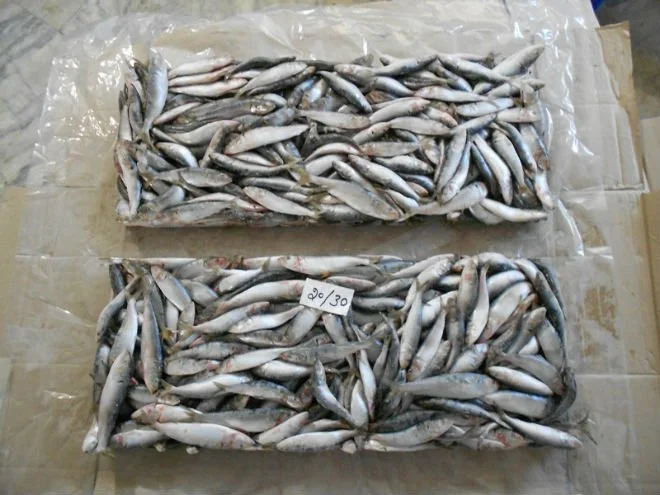 India

 India
 India
 India



 India



 India
 India
 India
 India
 India

Frequently Asked Questions
What are Frozen & Processed Foods?
Frozen & Processed Foods refer to food items that have been preserved by freezing or other processing methods to extend their shelf life. These foods are typically ready-to-eat or require minimal preparation, making them convenient for consumers and businesses alike.
What are the different types of Frozen & Processed Foods?
There are various types of Frozen & Processed Foods, including frozen fruits and vegetables, frozen meats and seafood, ready-to-eat meals, and frozen snacks. Each category encompasses a wide range of products tailored to different dietary preferences and culinary needs.
How do I choose the right Frozen & Processed Foods?
When selecting Frozen & Processed Foods, consider factors such as nutritional content, ingredient quality, and product certifications. Additionally, evaluate the packaging for ease of use and storage instructions to ensure optimal freshness and safety.
What are the standard specifications for Frozen & Processed Foods?
Standard specifications for Frozen & Processed Foods typically include criteria such as temperature control, shelf life, packaging integrity, and labeling requirements. These specifications ensure that the products maintain their quality and safety throughout their distribution and storage.
What is the price range for Frozen & Processed Foods?
The price range for Frozen & Processed Foods can vary widely depending on the type of product, the brand, and the supplier. Generally, prices can range from affordable options for basic items to premium pricing for specialty products or organic selections.
What quality standards apply to Frozen & Processed Foods?
Frozen & Processed Foods must adhere to quality standards set by regulatory bodies such as the Food Safety and Standards Authority of India (FSSAI). These standards cover aspects like safety, hygiene, and nutritional labeling to ensure consumer protection.
Where can I find Frozen & Processed Foods suppliers in India?
You can find Frozen & Processed Foods suppliers in India through various channels, including online B2B marketplaces like Pepagora, trade shows, and industry directories. These platforms provide a comprehensive list of manufacturers and wholesalers for your sourcing needs.
Can Frozen & Processed Foods be customized?
Yes, many suppliers of Frozen & Processed Foods offer customization options to meet specific client requirements, such as tailored packaging, unique recipes, or allergen-free products. It is advisable to discuss customization needs directly with the supplier.
What is the typical minimum order quantity for Frozen & Processed Foods?
The typical minimum order quantity (MOQ) for Frozen & Processed Foods can vary by supplier and product type. Generally, MOQs can range from small quantities for niche products to larger volumes for bulk orders.
What is the typical lead time for Frozen & Processed Foods?
The typical lead time for Frozen & Processed Foods can range from a few days to several weeks, depending on the supplier, the complexity of the order, and the availability of stock. It is important to confirm lead times when placing an order to ensure timely delivery.
Why Businesses Trust Pepagora
Thousands of companies trust Pepagora to source smarter and sell faster
Expand Your Sales Globally

Source Smarter,Grow Faster
