What are Other Frozen & Processed Foods?
Other Frozen & Processed Foods encompass a wide range of food products that have undergone freezing or processing methods to prolong shelf life and ensure quality. These foods include items that are not typically categorized as traditional frozen products, such as specialty items, unique ingredients, or niche market offerings. The processing may involve cooking, marinating, or seasoning, which enhances flavor and convenience for consumers and food businesses alike.
These products are primarily used in the food service industry, retail, and institutional settings. Restaurants, catering services, and food manufacturers often utilize them to streamline operations, reduce waste, and provide consistent quality. They are particularly valuable for businesses looking to offer diverse menu options or meet unique dietary requirements. The growing demand for convenience and ready-to-eat meals drives the market for Other Frozen & Processed Foods, making it a relevant segment in the food industry.
As market trends evolve, the importance of Other Frozen & Processed Foods continues to rise. Factors such as the increasing popularity of international cuisine, health-conscious eating habits, and the demand for sustainable sourcing play significant roles in shaping this industry. Companies that successfully navigate these trends can gain a competitive advantage by offering innovative and high-quality frozen and processed food products.
Key Features and Specifications
Other Frozen & Processed Foods come with a variety of features and specifications that cater to different business needs. These specifications ensure that the products meet quality and safety standards while maintaining their intended use.
Key specifications include:
1. Quality Standards
- Adherence to recognized quality standards such as ISO 9001 and CE certification
- Compliance with safety regulations and testing requirements
2. Shelf Life
- Typically ranges from several months to over a year, depending on the product
- Proper freezing and storage practices are critical to maintaining quality
3. Ingredient Transparency
- Clear labeling of ingredients, including allergens and nutritional information
- Options for organic or non-GMO ingredients based on market demand
4. Packaging
- Durable packaging that ensures product integrity during transport and storage
- Options for eco-friendly packaging materials to meet sustainability goals
5. Temperature Control
- Products must be stored and transported at specified temperatures to prevent spoilage
- Monitoring systems may be employed to ensure compliance with temperature requirements
6. Customization Options
- Ability to tailor products based on specific business needs or regional preferences
- Potential for branded packaging for businesses looking to enhance their market presence
In summary, understanding these key features and specifications is essential for businesses when selecting Other Frozen & Processed Foods that meet their operational needs and quality expectations.
Common Applications and Use Cases
Other Frozen & Processed Foods serve a multitude of industries, each with specific applications that enhance operational efficiency and product offerings.
1. Restaurant Industry: These foods are commonly used to create menu items quickly, allowing chefs to focus on presentation and service rather than preparation.
2. Catering Services: Caterers often rely on frozen and processed foods to provide a wide range of options for events, ensuring quality and consistency across different services.
3. Food Manufacturing: Many food producers use these products as ingredients in larger recipes, benefiting from time savings and enhanced flavor profiles.
4. Retail Grocery: Supermarkets frequently stock frozen and processed foods to meet consumer demand for quick meal solutions and specialty items.
5. Institutional Food Service: Hospitals and schools utilize these products to provide nutritious meals that can be prepared efficiently and cater to diverse dietary needs.
6. Snack Food Production: Companies producing snacks find value in processed foods that can be easily incorporated into their product lines, offering consumers a variety of choices.
7. Meal Kit Services: Businesses providing meal kits often include frozen and processed components to ensure freshness and ease of preparation for their customers.
Product Variants and Subcategories
The diversity of Other Frozen & Processed Foods allows businesses to choose from various product variants that cater to specific market demands.
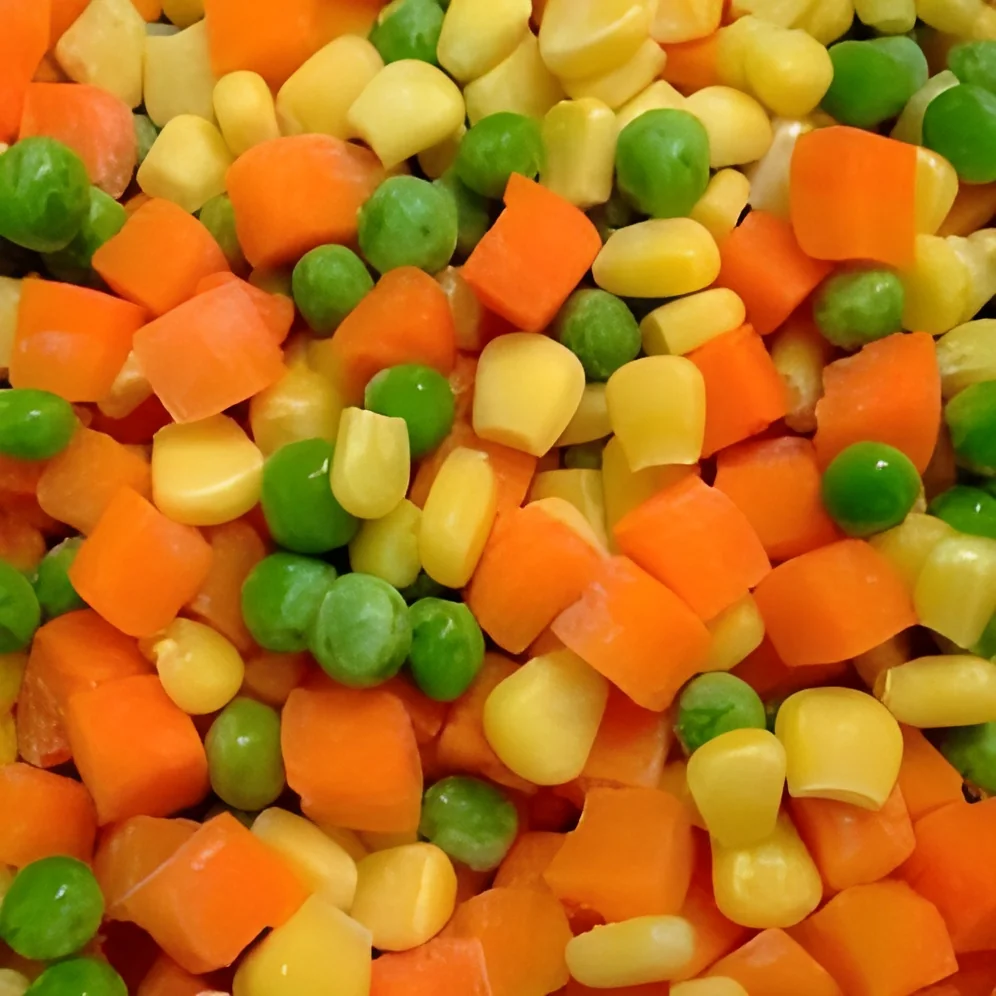
Frozen Vegetables: These variants offer a range of vegetables that are harvested at peak freshness and quickly frozen to preserve nutrients. They are ideal for restaurants and homes seeking convenient cooking options.
Processed Meats: This category includes items such as sausages, deli meats, and pre-cooked proteins that provide efficient meal solutions for busy consumers and food service providers.
Frozen Fruits: Perfect for desserts and smoothies, frozen fruits retain their flavor and nutritional value, making them a popular choice for restaurants and food manufacturers.
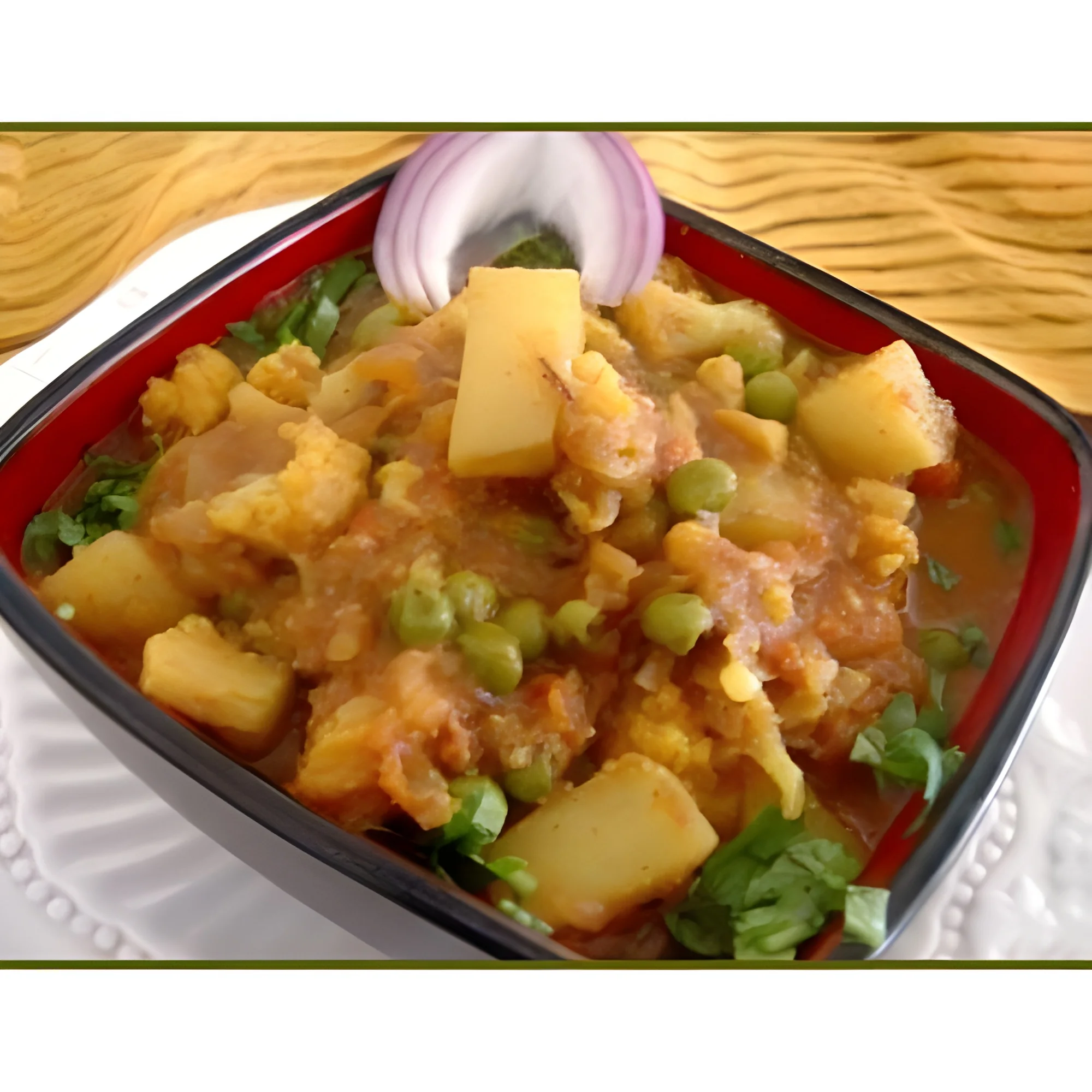
Ready-to-Cook Meals: These products are pre-prepared and require minimal cooking, appealing to consumers looking for quick and easy meal solutions without sacrificing quality.
Benefits and Advantages
Other Frozen & Processed Foods offer numerous benefits that make them an attractive option for B2B buyers.
1. Convenience: These products save time in food preparation, allowing businesses to focus on service and customer experience.
2. Cost-Effectiveness: Bulk purchasing and longer shelf life reduce overall food costs and minimize waste for businesses.
3. Quality Consistency: Frozen and processed foods provide a consistent product, ensuring that businesses can maintain quality across their offerings.
4. Versatility: The wide range of available products allows businesses to create diverse menu options and meet varying customer preferences.
5. Reduced Spoilage: Properly frozen and processed foods have a longer shelf life, reducing the risk of spoilage and increasing profitability.
6. Enhanced Flavor: Processing methods often enhance flavors and textures, making these foods appealing to consumers.
Buying Guide for B2B Buyers
When sourcing Other Frozen & Processed Foods, there are several important factors to consider to ensure that you choose the right products for your business.
1. Quality Assessment: Evaluate the quality of products by reviewing certifications, ingredient lists, and nutritional information. Look for suppliers that adhere to recognized quality standards.
2. Supplier Verification: Conduct thorough research on potential suppliers to verify their reputation, reliability, and compliance with industry regulations. This helps ensure a stable supply chain.
3. Pricing and MOQ: Understand the pricing structure and minimum order quantities (MOQ) required by suppliers. Compare quotes to find the best value for your budget.
4. Delivery and Lead Times: Discuss delivery schedules and lead times with suppliers to ensure timely availability of products. Efficient logistics are critical for maintaining inventory levels.
5. Compliance Requirements: Ensure that the products meet all necessary regulatory requirements for your region. This includes food safety standards and any specific local regulations.
Compliance and Certifications
Compliance and certifications are critical components in the quality assurance of Other Frozen & Processed Foods. Adhering to recognized quality standards such as ISO 9001 ensures that products meet international benchmarks for quality management systems. Additionally, certifications like CE signify compliance with health, safety, and environmental protection standards within the European market.
Industry-specific certifications such as HACCP (Hazard Analysis and Critical Control Points) are also essential in the food industry. They ensure that food safety is prioritized throughout the production and handling processes. This includes rigorous testing and monitoring to prevent contamination and ensure that products are safe for consumption.
Regional compliance considerations may vary significantly across markets. Businesses must stay informed about local regulations and industry standards to maintain compliance and avoid potential legal issues. Understanding these requirements is vital for any business operating in the frozen and processed foods sector.
Why Source Other Frozen & Processed Foods from Pepagora?
Pepagora provides a trusted platform for sourcing Other Frozen & Processed Foods, offering several key advantages that benefit businesses in this sector.
Verified Supplier Network: Pepagora connects buyers with a network of verified suppliers, ensuring that businesses can source high-quality products from reputable manufacturers. This network is continuously vetted for quality and compliance.
Streamlined RFQ Process: The platform simplifies the request for quotation (RFQ) process, making it easy for buyers to compare pricing and product options. This efficiency allows businesses to make informed purchasing decisions swiftly.
Trade Assurance and Support: With trade assurance features, Pepagora offers buyer protection to ensure that transactions are secure. Additionally, customer support is available to assist with any inquiries or issues that may arise.
Regional Coverage: Pepagora has a broad geographic reach, covering markets like India, the GCC, and Southeast Asia. This extensive network allows businesses to find suppliers that meet their specific regional needs, ensuring timely delivery and compliance with local regulations.

 IN
IN