What are Ice Creams & Frozen Yogurt?
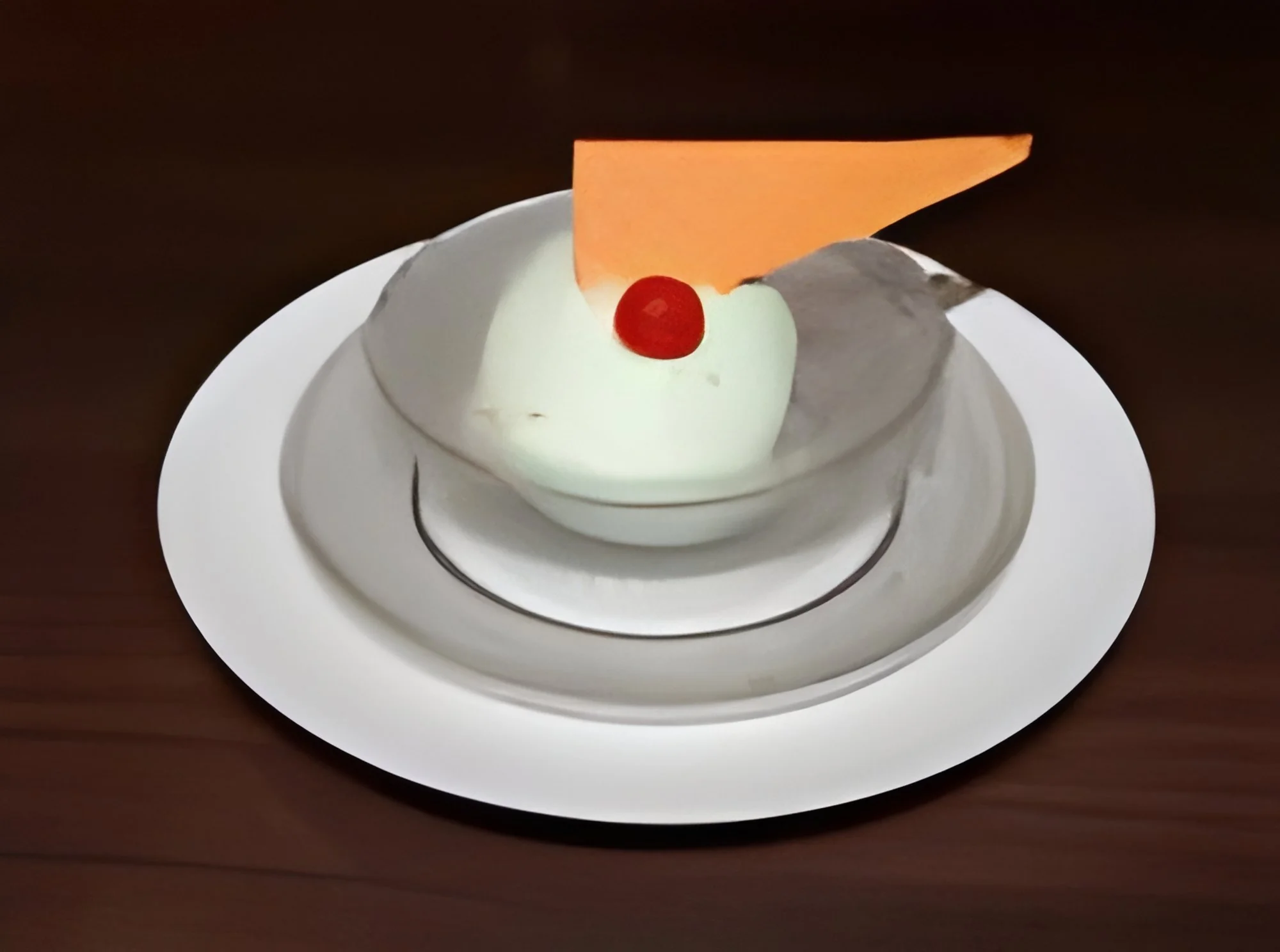
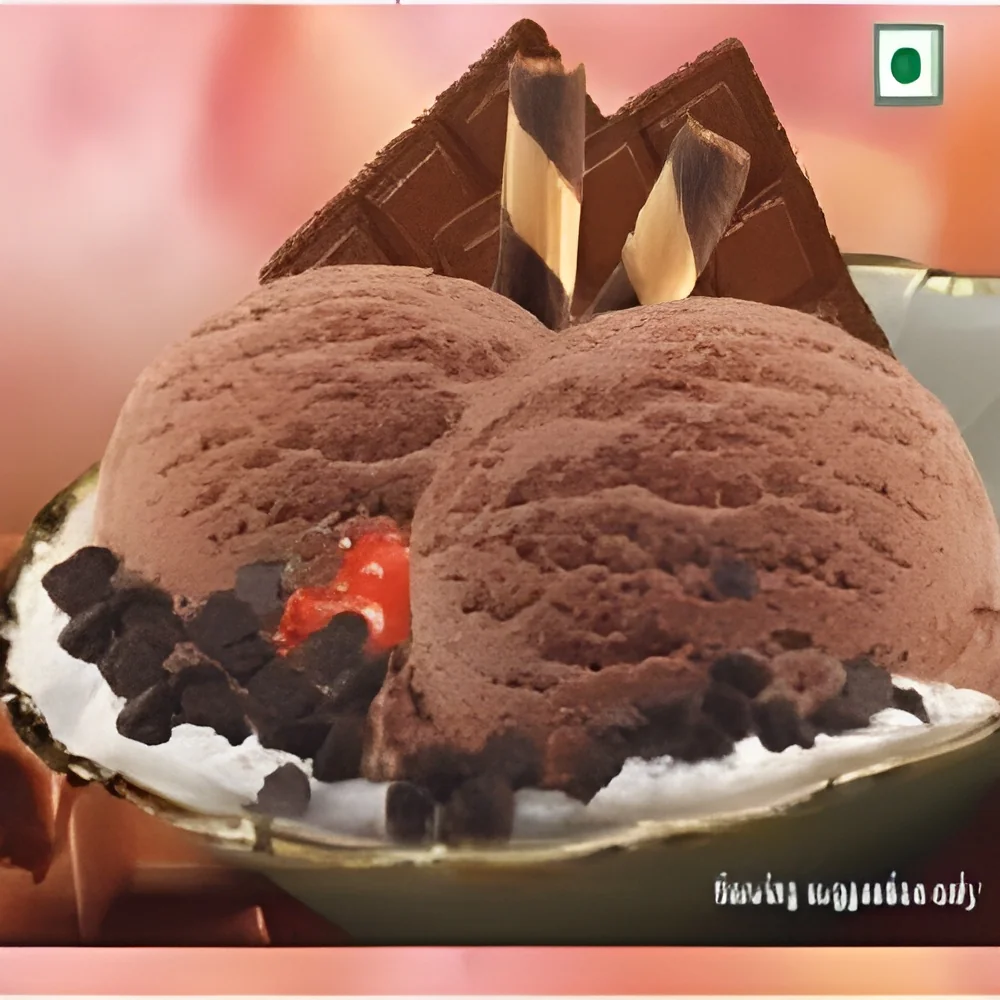
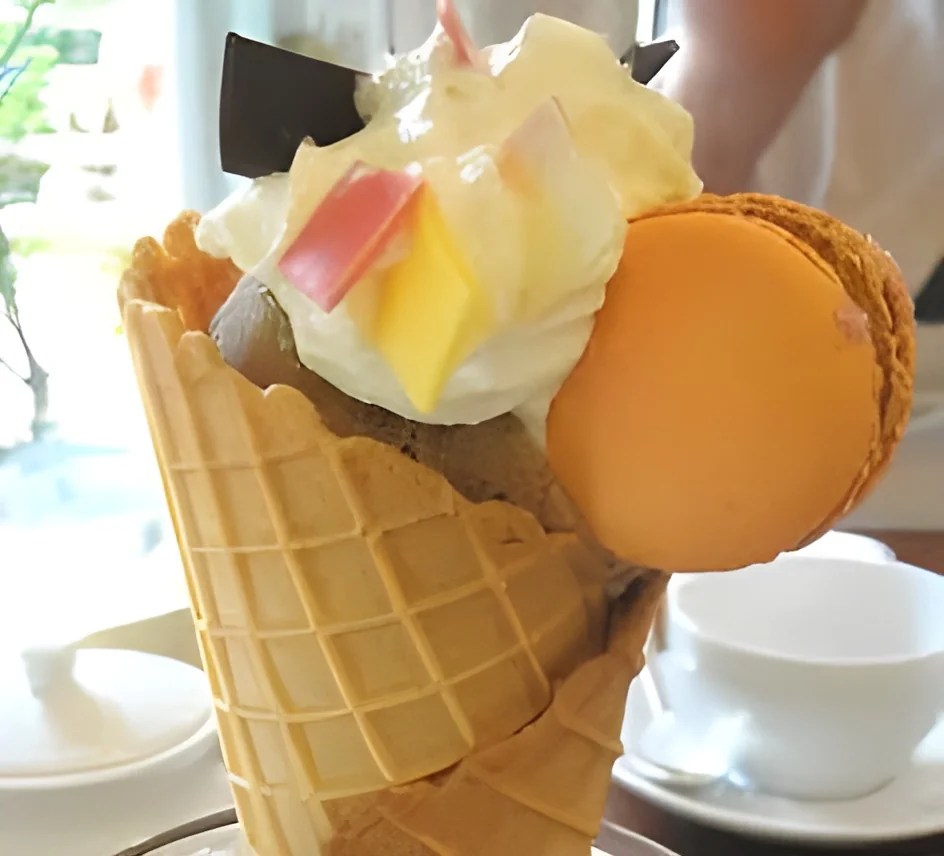
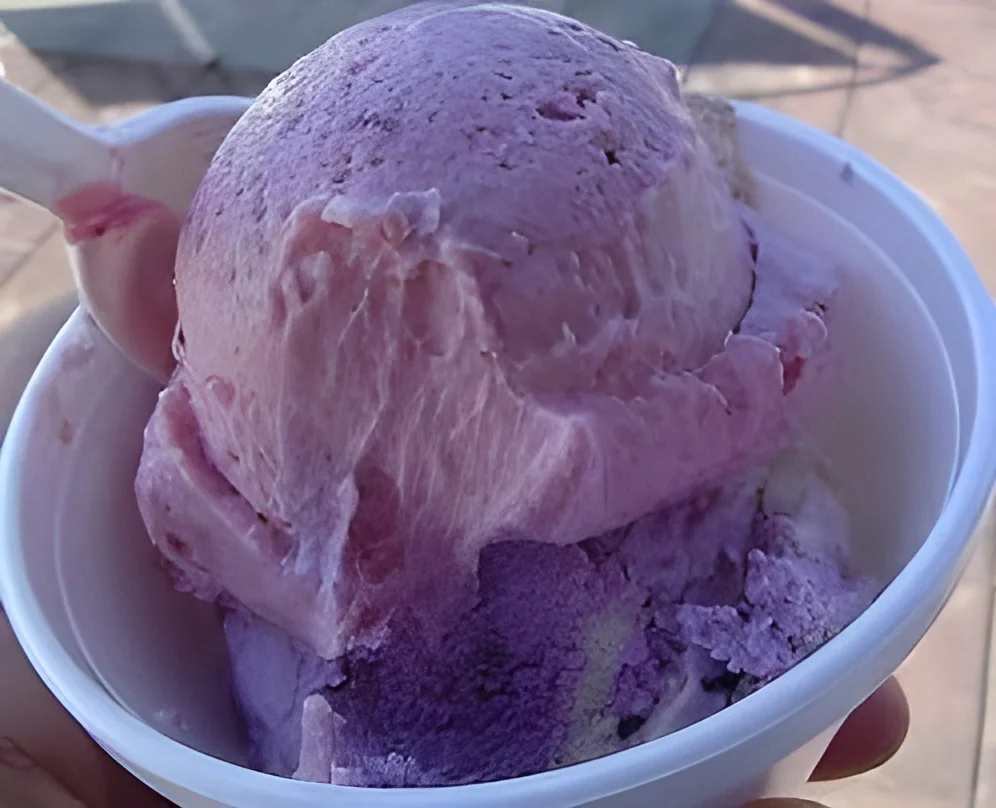
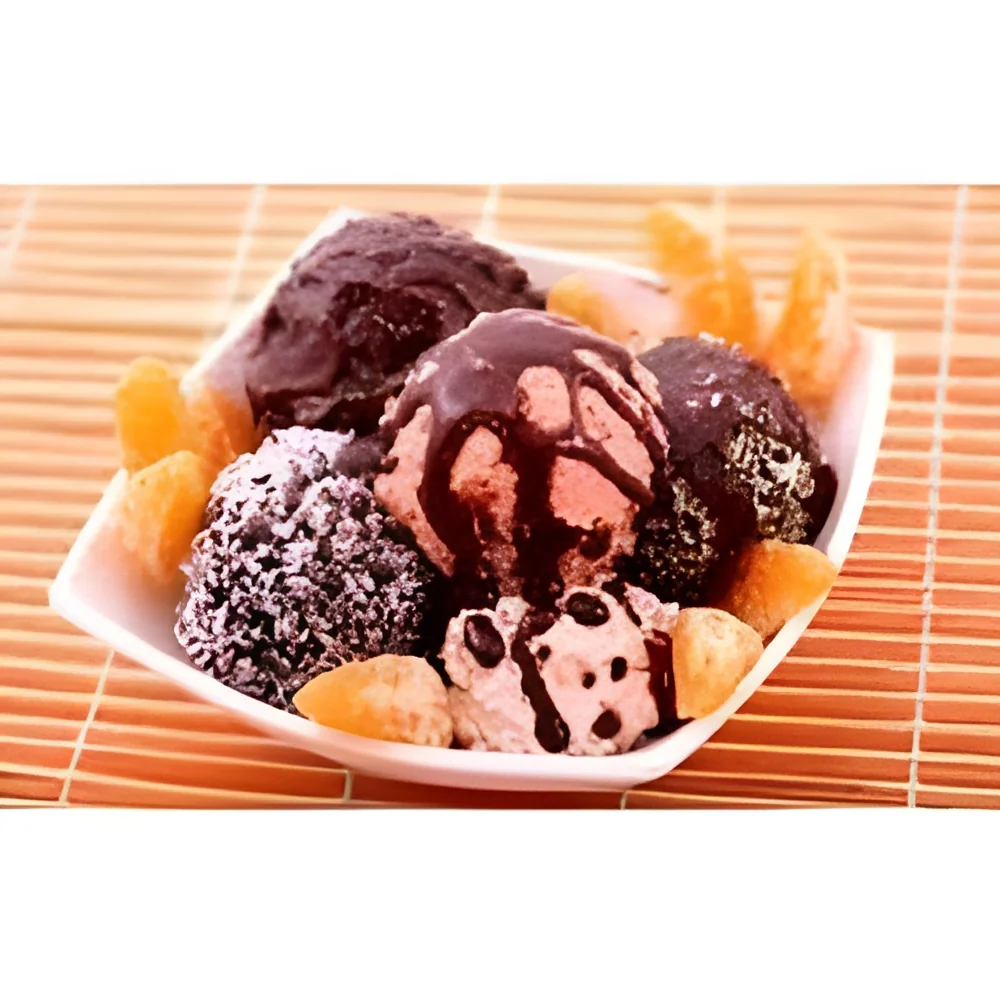
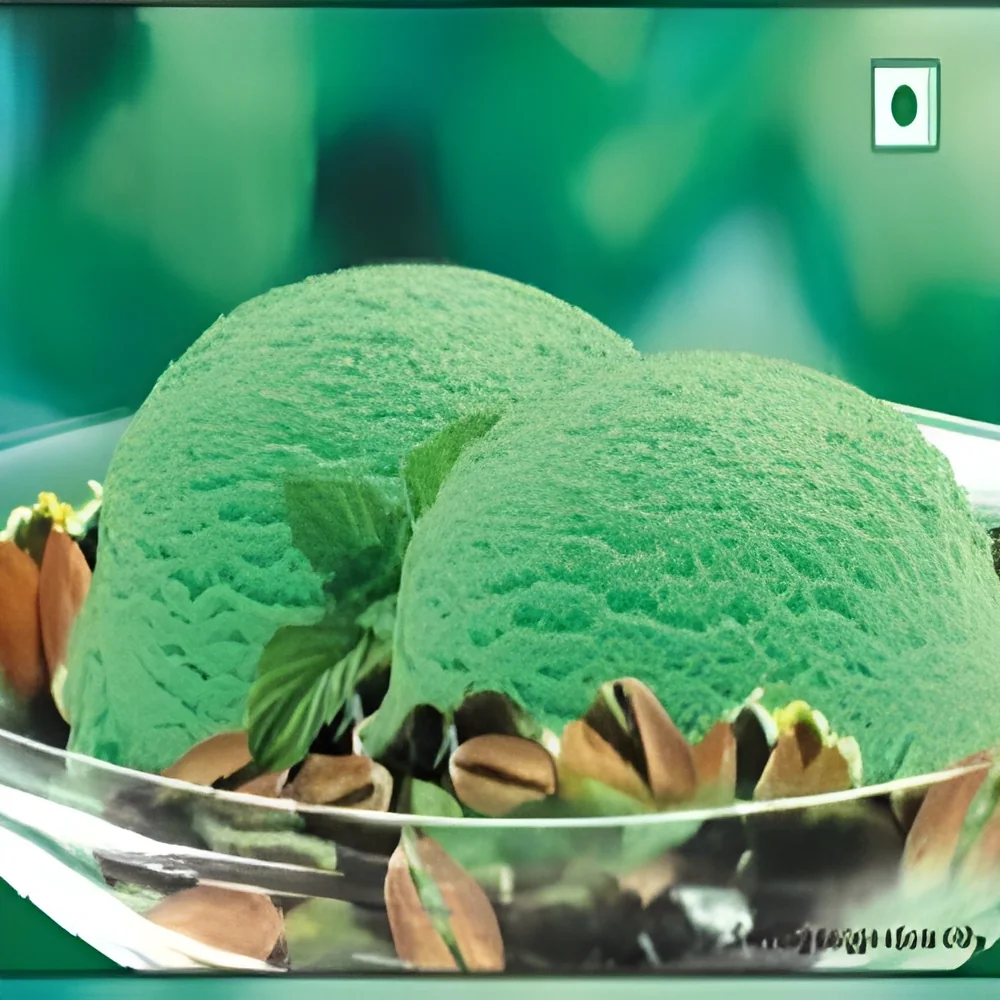
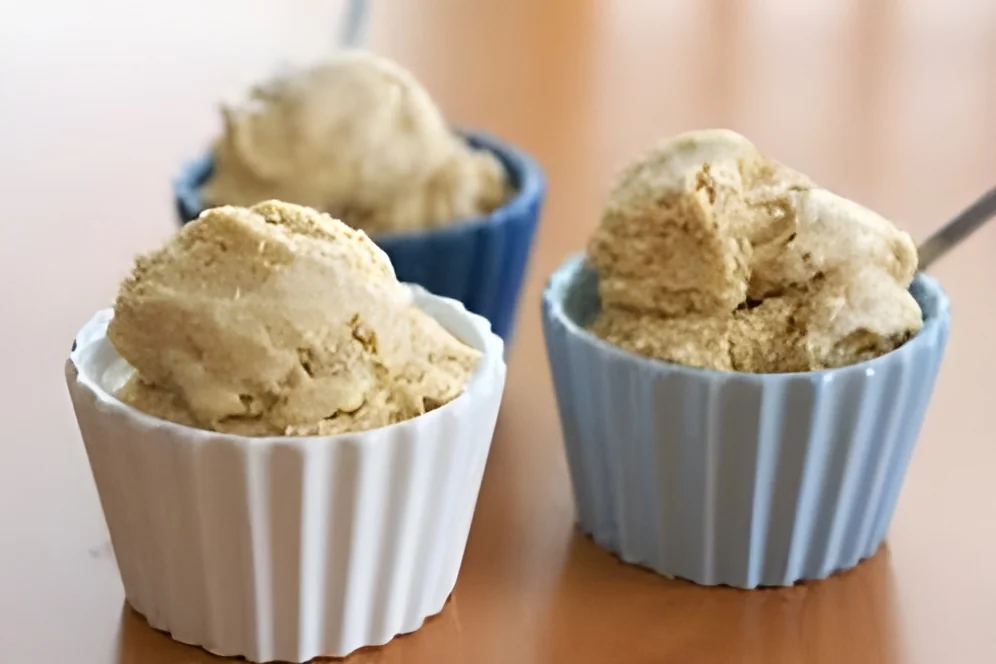
Ice creams and frozen yogurt are popular frozen desserts enjoyed globally. Ice cream is typically made from a mixture of milk, cream, sugar, and various flavorings, churned at a low temperature to create a smooth texture. Frozen yogurt, on the other hand, is made from yogurt, which gives it a tangy flavor and a different nutritional profile, often lower in fat compared to traditional ice cream. Both products can be offered in a variety of flavors and textures, catering to diverse consumer preferences.
These frozen treats have significant applications in various sectors, including food services, retail, and hospitality. Ice creams are often found in restaurants, cafes, and ice cream shops, serving as a dessert option for customers. Frozen yogurt has gained popularity in self-serve shops, where customers can mix flavors and toppings. Both products are essential in the dessert sector, providing businesses with opportunities to attract new customers and enhance their menu offerings.
The relevance of ice creams and frozen yogurt in the market continues to grow, driven by changing consumer tastes and dietary trends. As people seek out indulgent yet healthier alternatives, the demand for frozen yogurt has surged. This sector is also influenced by seasonal trends, with sales peaking during warm months. The market is characterized by innovation, with new flavors and formulations continually being introduced to meet consumer expectations.
Key Features and Specifications
Ice creams and frozen yogurt come with various features and specifications that enhance their quality and appeal. Understanding these specifications is crucial for businesses looking to source these products effectively.
Key specifications include:
1. Ingredients
- High-quality dairy products and natural flavorings
- Source of sweetness can vary from sugar to alternative sweeteners
2. Texture
- Creamy for ice creams, smooth and slightly tangy for frozen yogurt
- Can vary based on the churning process and air incorporation
3. Fat Content
- Ice cream typically contains 10-20% fat
- Frozen yogurt generally has 0-5% fat, appealing to health-conscious consumers
4. Flavor Variety
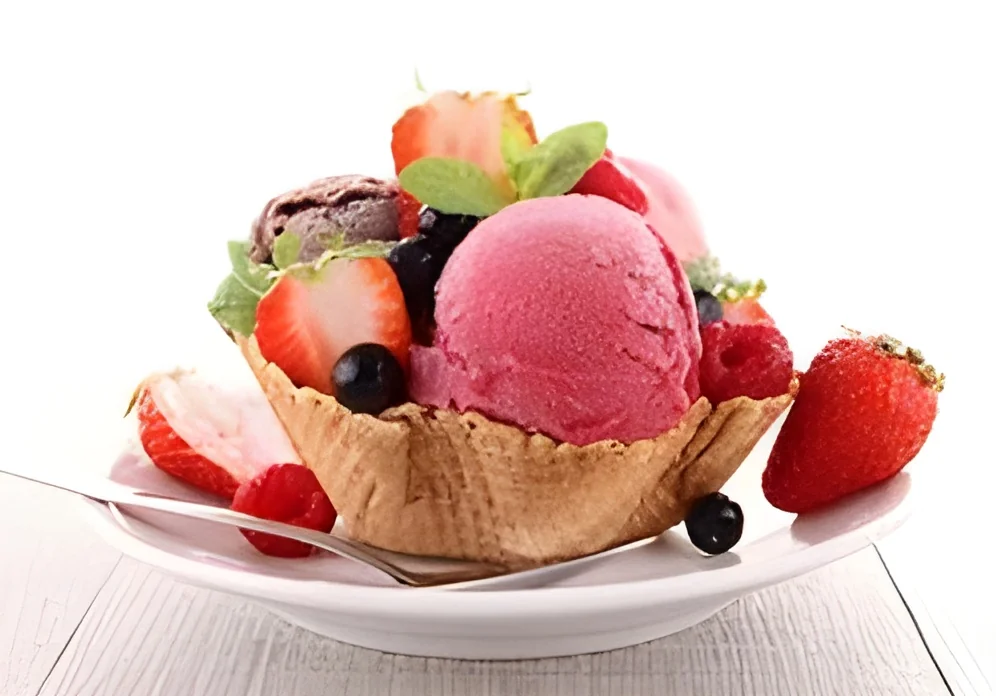
- Wide range of flavors from classic vanilla and chocolate to exotic fruit blends
- Seasonal and limited-edition flavors to attract customers
5. Shelf Life
- Ice creams generally have a shelf life of 6-12 months when stored properly
- Frozen yogurt may have a shorter shelf life, typically around 6-9 months
6. Packaging
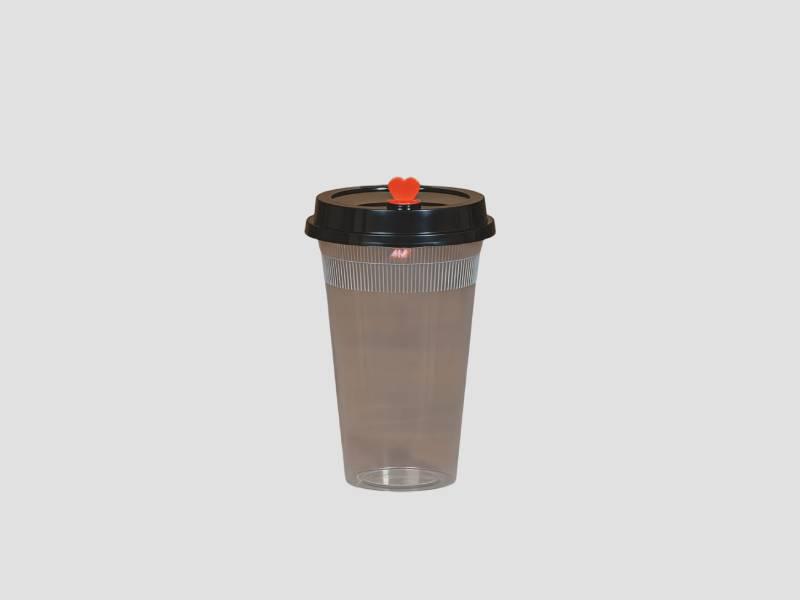
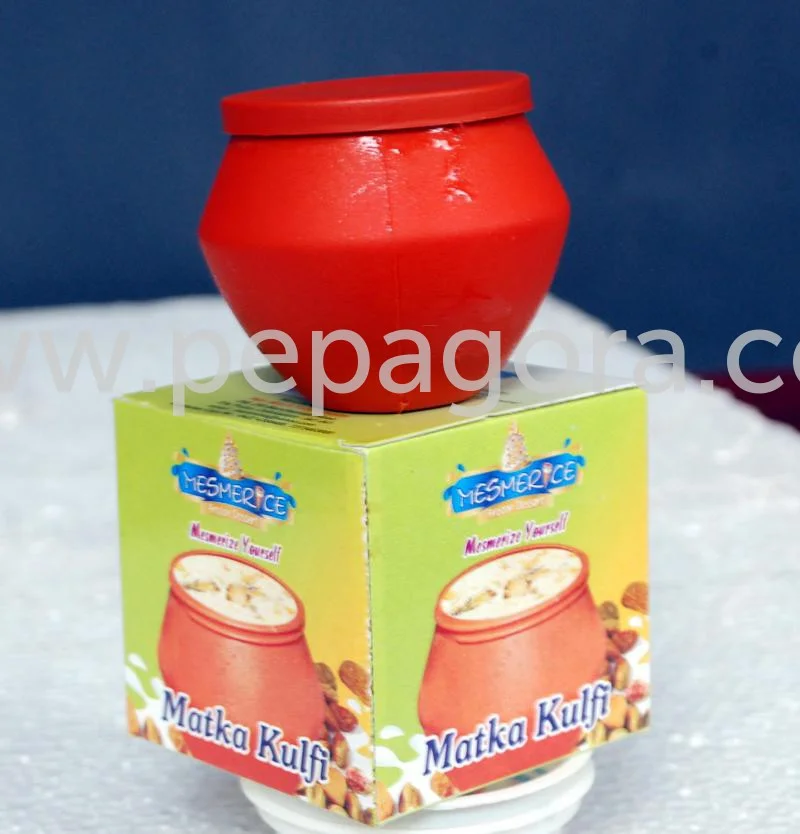
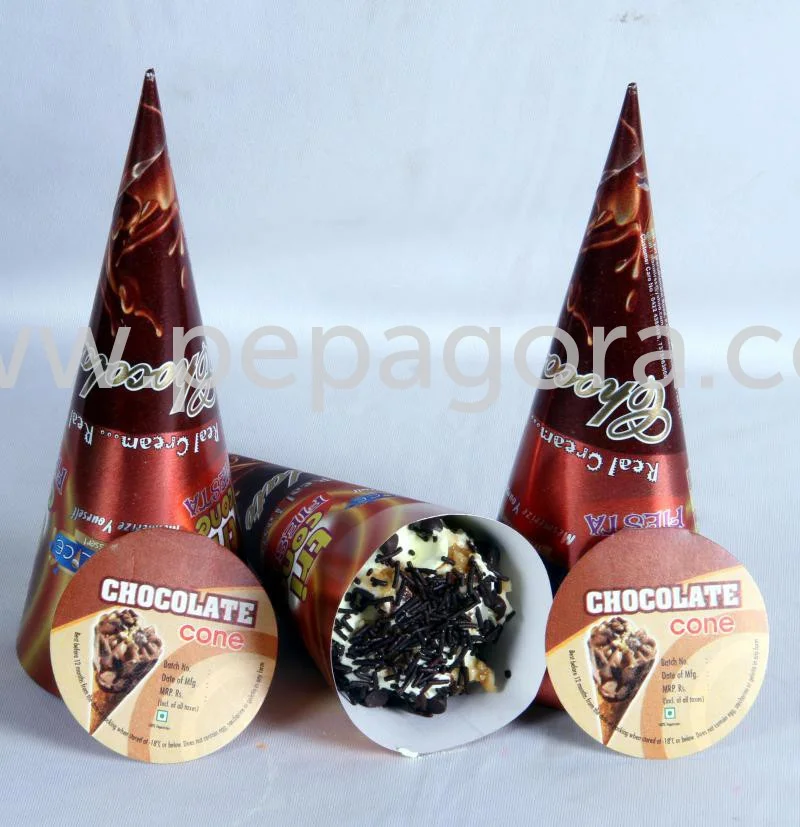
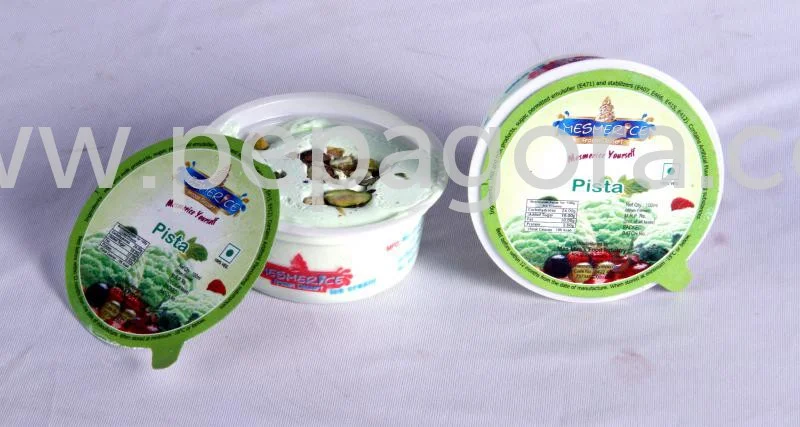
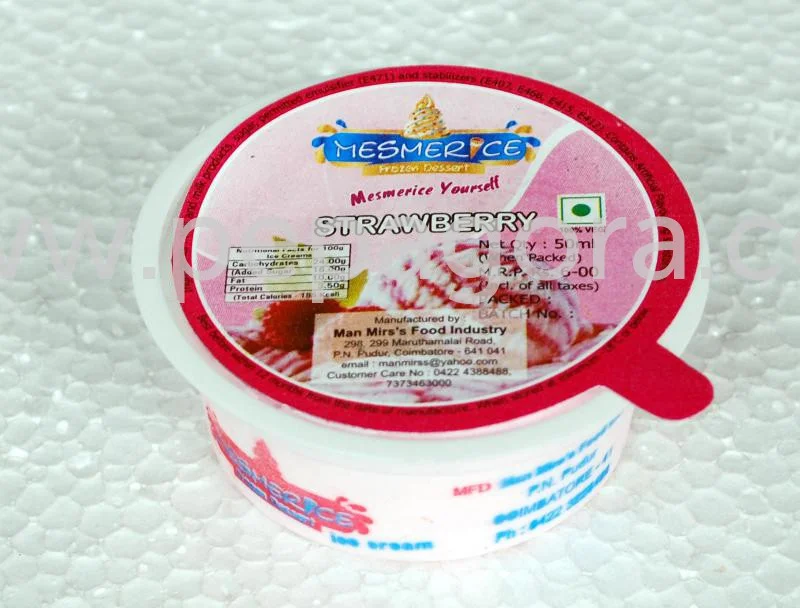
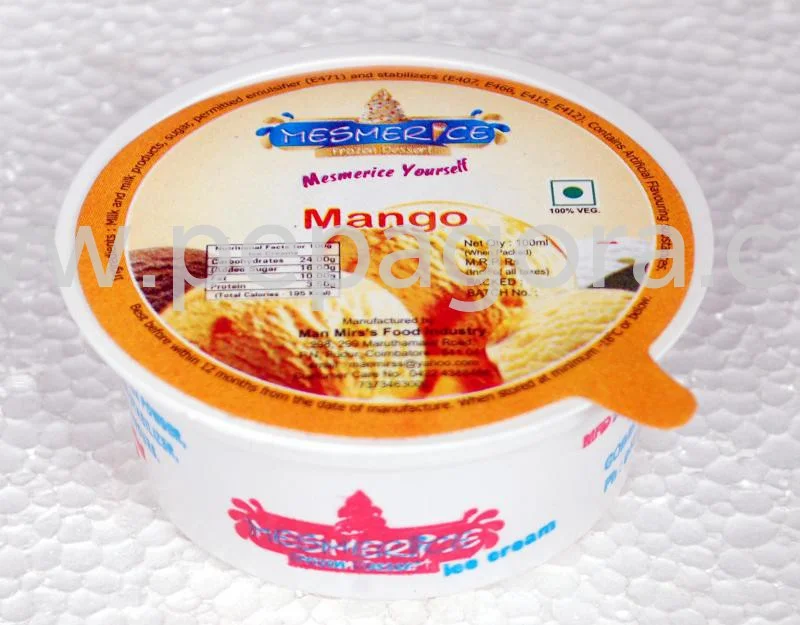
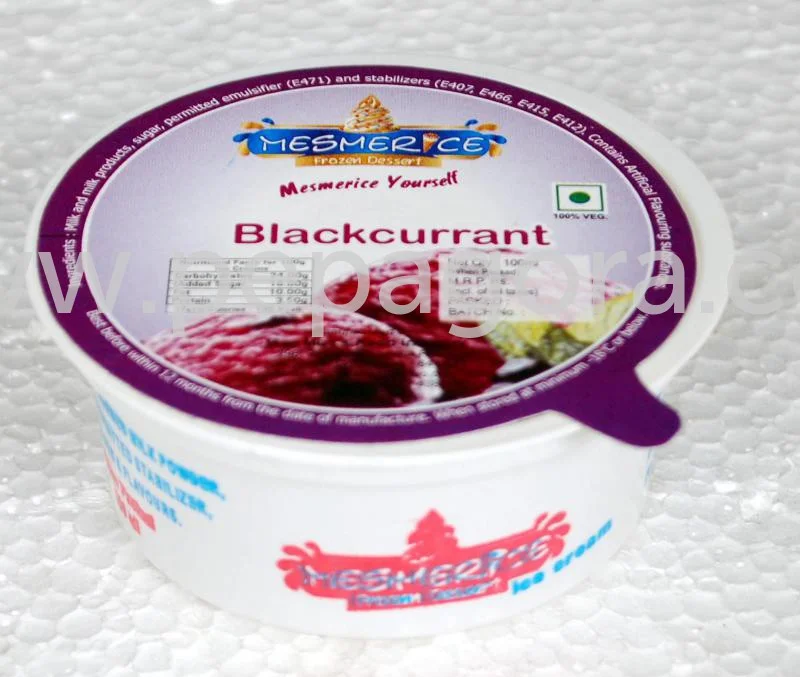
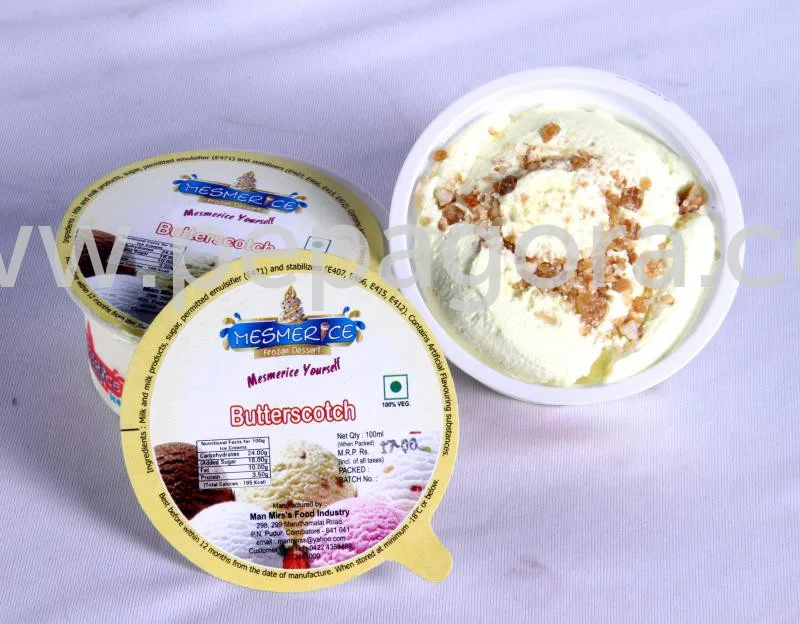
- Available in various packaging options, including tubs, cones, and cups
- Packaging often designed for convenience and freshness
7. Nutritional Content
- Information regarding calories, sugar, and fat is important for consumer health
- Some products may be fortified with probiotics in the case of frozen yogurt
8. Allergen Information
- Clear labeling for allergens such as dairy, gluten, and nuts is essential
- Options for dairy-free and vegan alternatives are increasingly available
In summary, the specifications of ice creams and frozen yogurt significantly influence their marketability, appealing to various consumer segments.
Common Applications and Use Cases
Ice creams and frozen yogurt serve a wide range of industries and applications.
1. Food Service: Restaurants and cafes often include ice creams and frozen yogurt as dessert options, enhancing their menu offerings and customer satisfaction.
2. Retail: Grocery stores and convenience stores stock a variety of ice cream and frozen yogurt products, catering to consumer demand for ready-to-eat desserts.
3. Hospitality: Hotels and resorts use ice creams and frozen yogurt in their dining establishments and as part of catering services for events.
4. Events and Catering: Ice creams are popular at parties, weddings, and festivals, providing a fun treat for guests of all ages.
5. Health and Wellness: Frozen yogurt shops often promote their products as healthier alternatives to traditional desserts, attracting health-conscious consumers.
6. Dessert Shops: Specialty ice cream and frozen yogurt stores focus on unique flavors and customizations to differentiate themselves in the market.
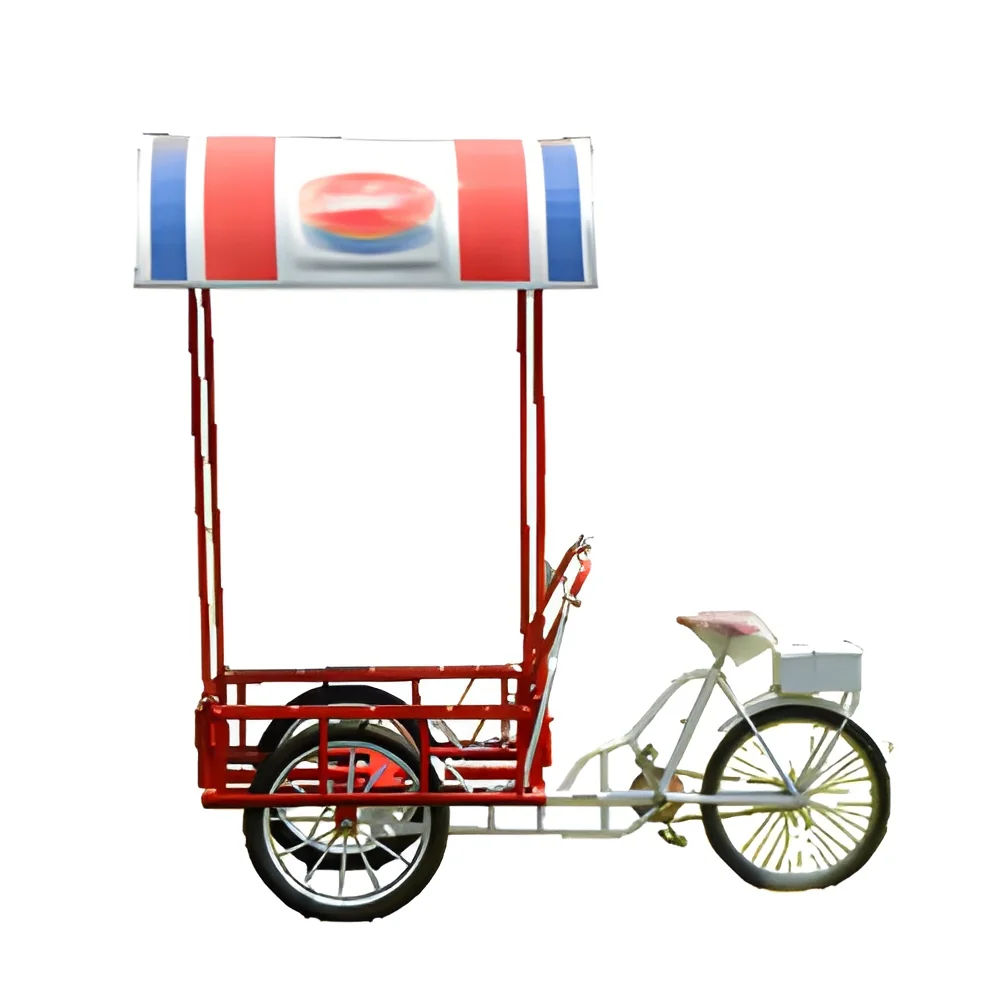
7. Food Trucks: Mobile vendors frequently offer ice cream and frozen yogurt, appealing to consumers at events and festivals.
Product Variants and Subcategories
Ice creams and frozen yogurt are diverse products that come in various forms and flavors, allowing businesses to cater to different consumer preferences.
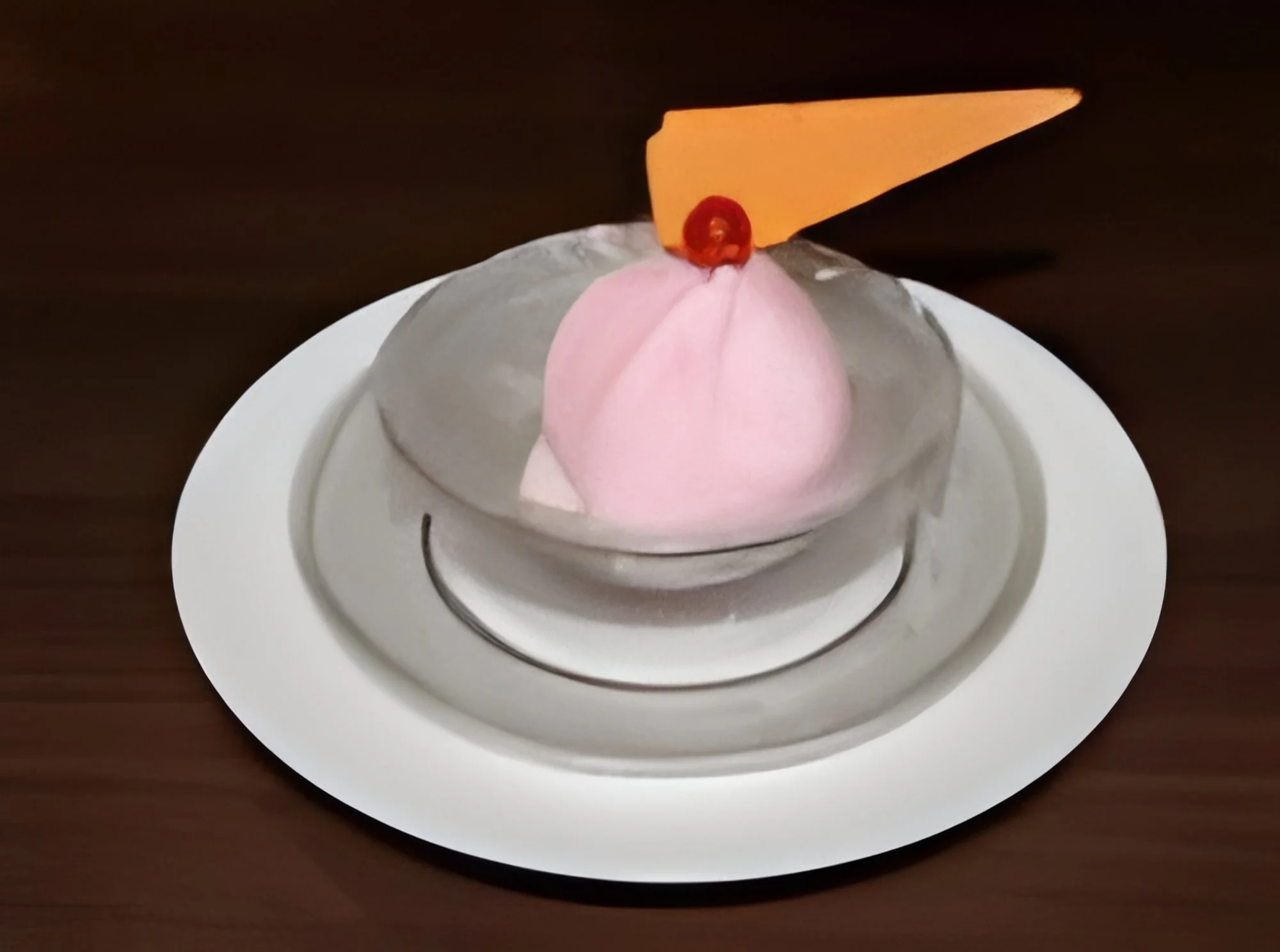
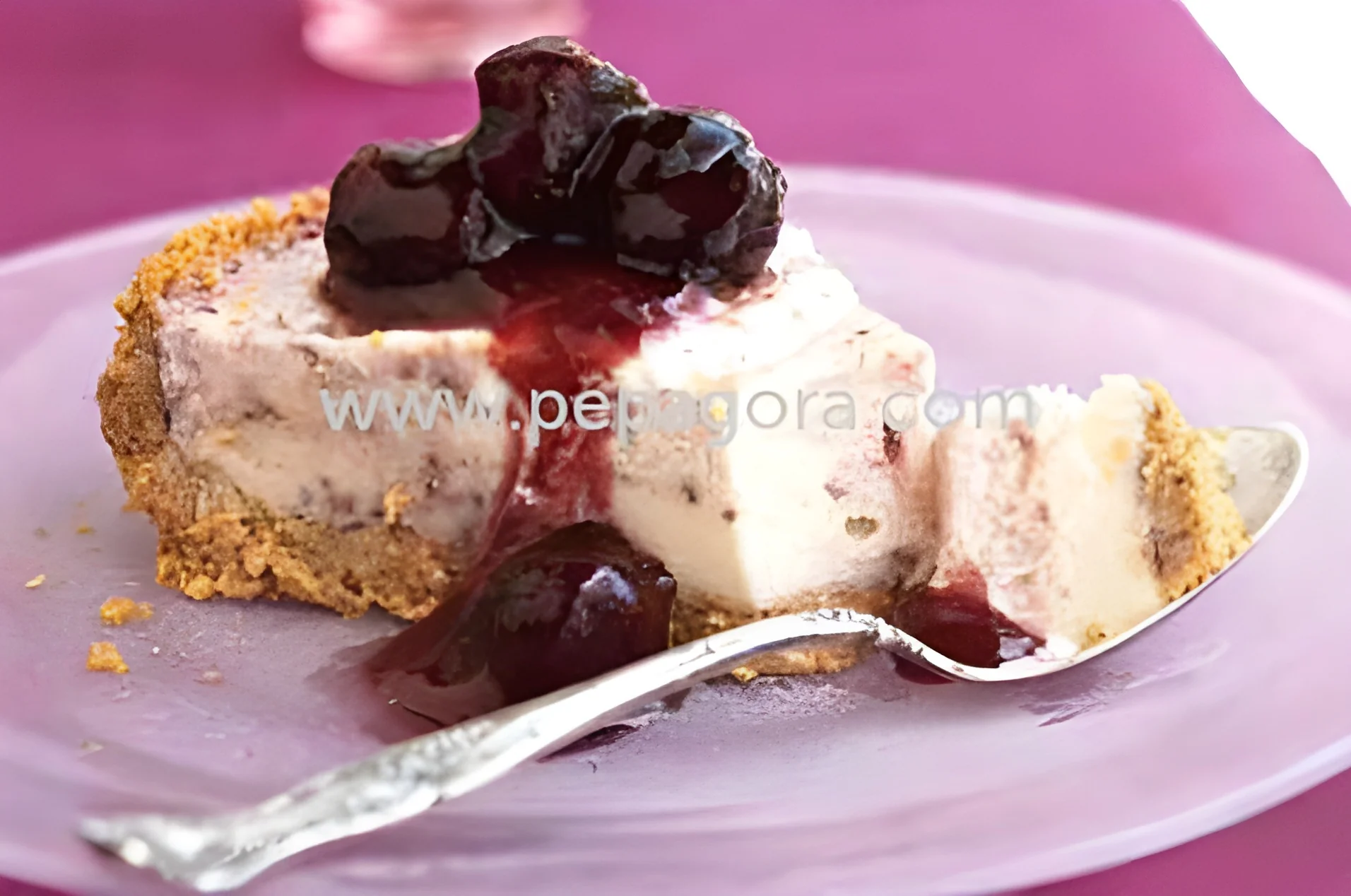
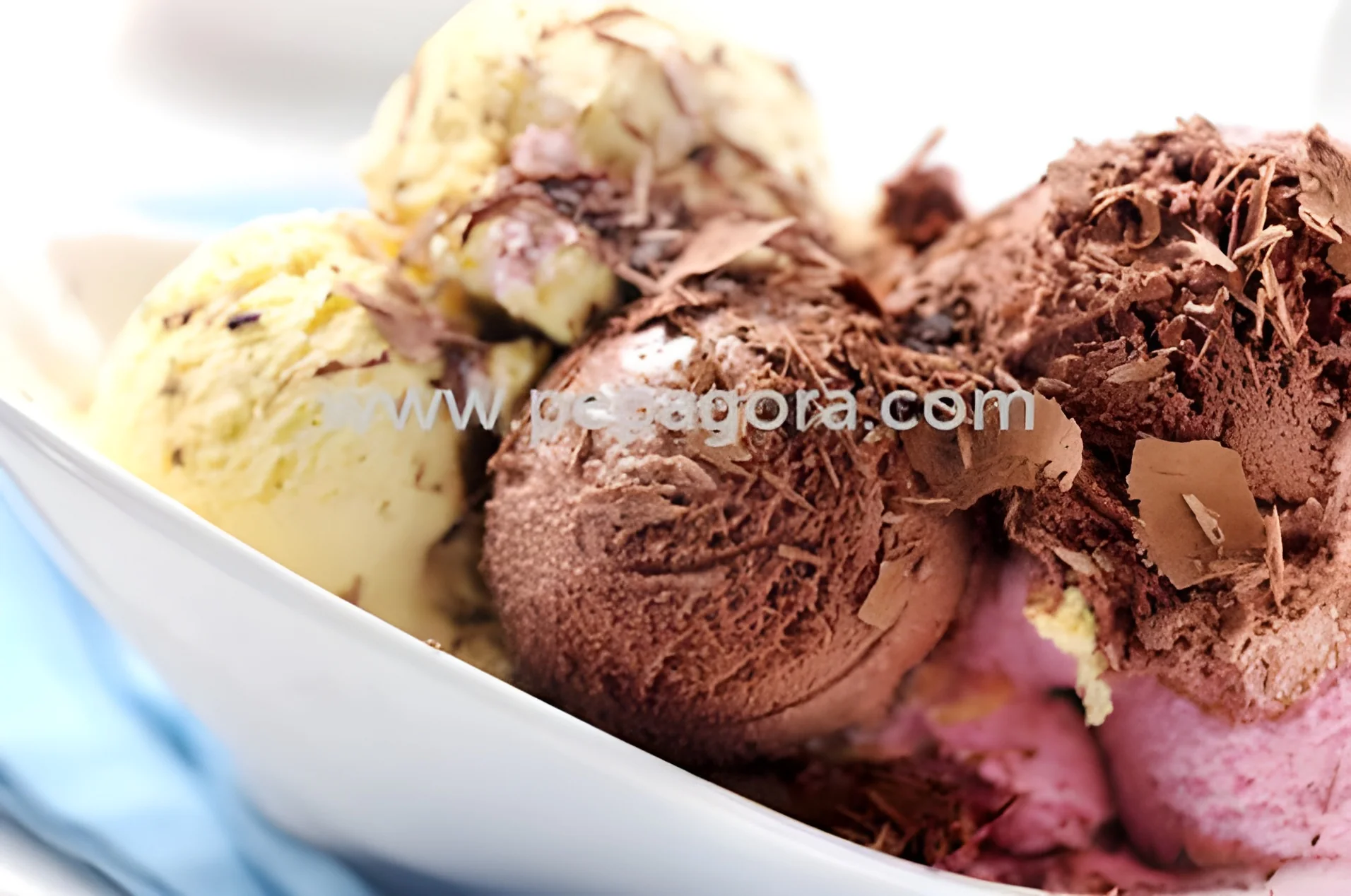
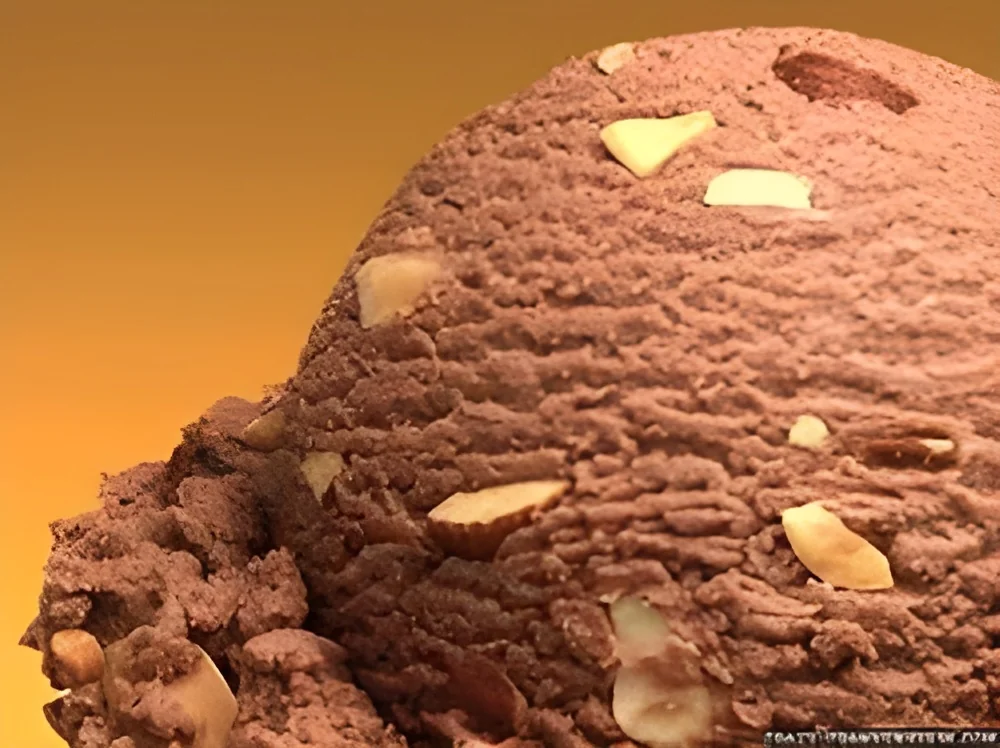
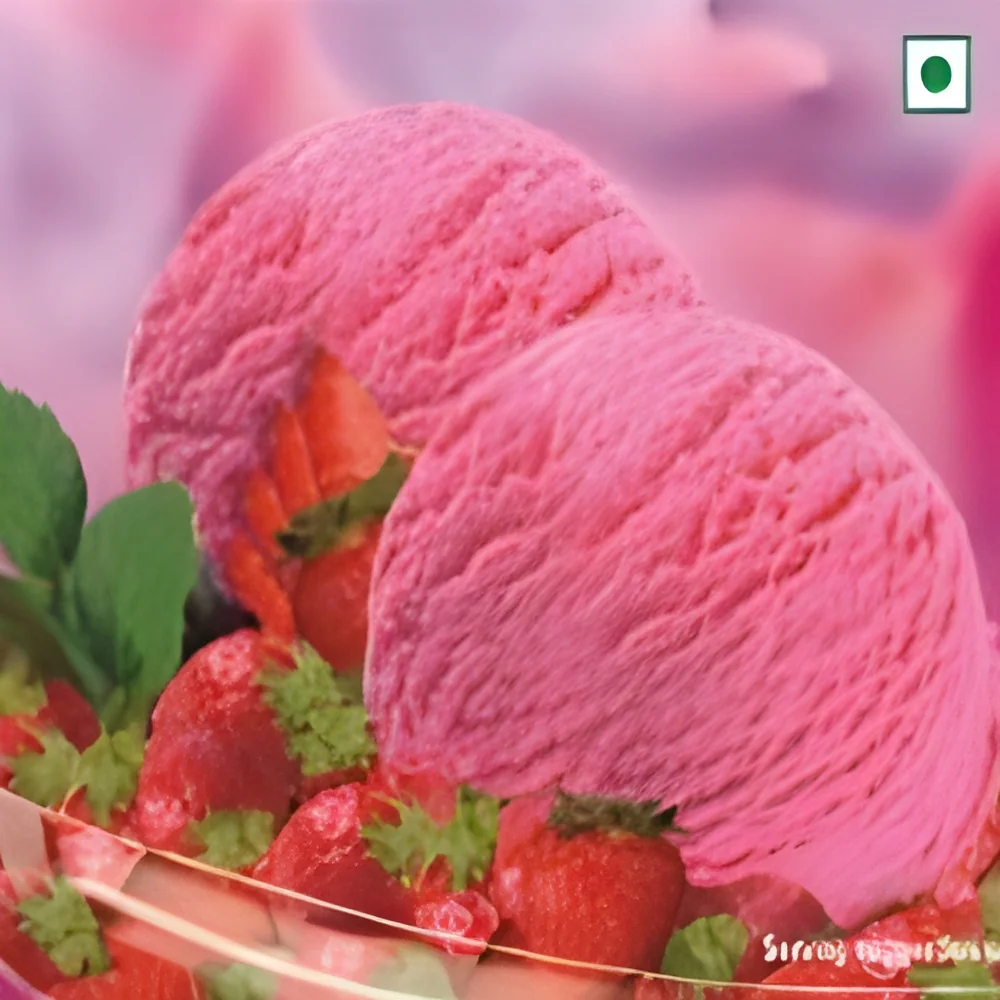
Classic Ice Cream: This variant features traditional flavors like vanilla, chocolate, and strawberry. It is known for its creamy texture and rich taste, making it a favorite among many.
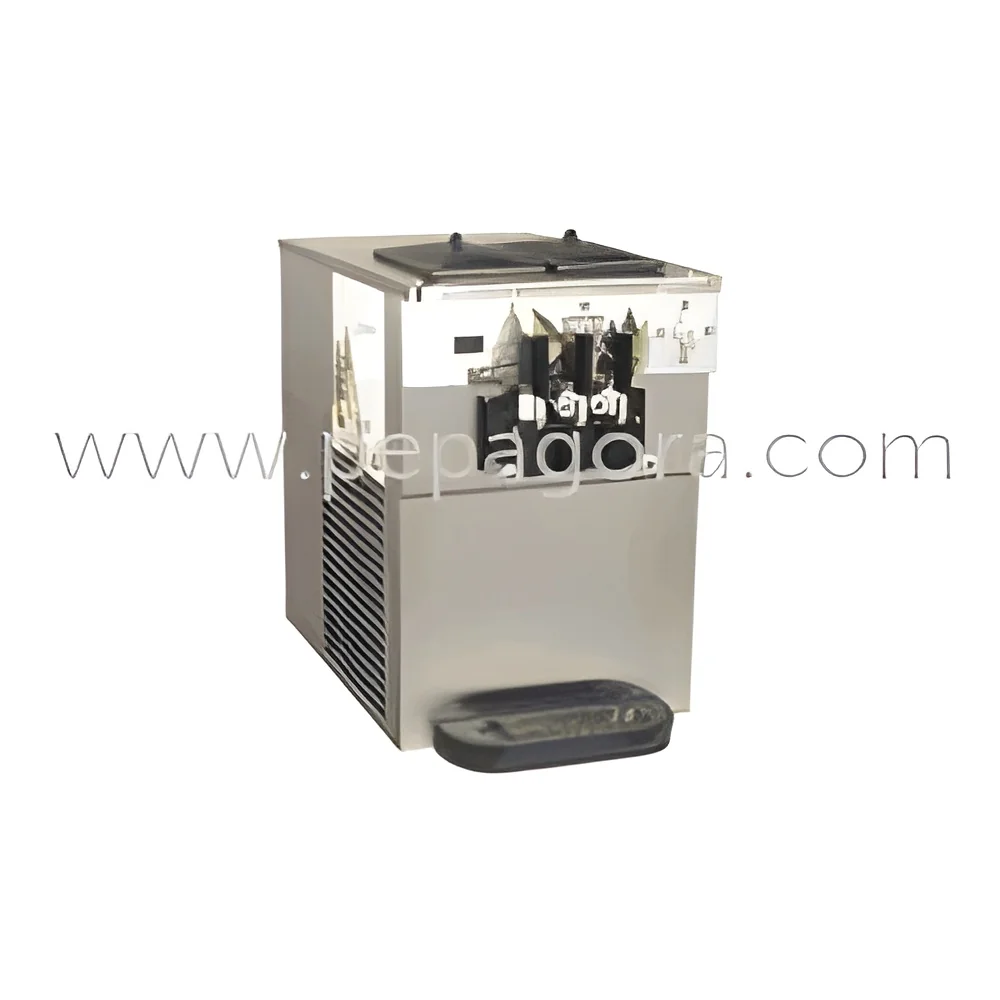
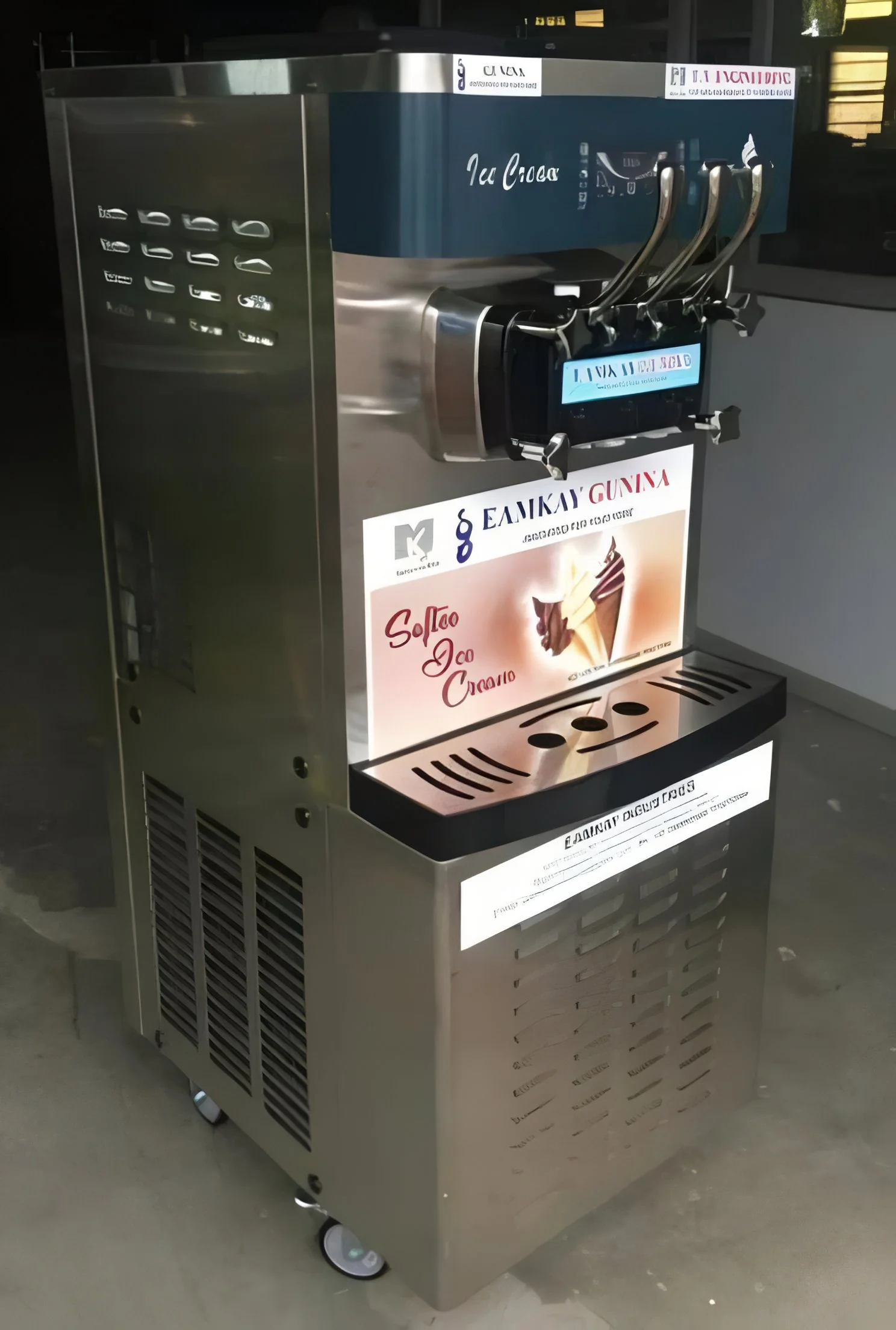
Soft Serve Ice Cream: Soft serve is a popular variant that is dispensed from a machine and served immediately. It is often lighter and airier than regular ice cream, making it a popular choice for fast-food restaurants and ice cream parlors.
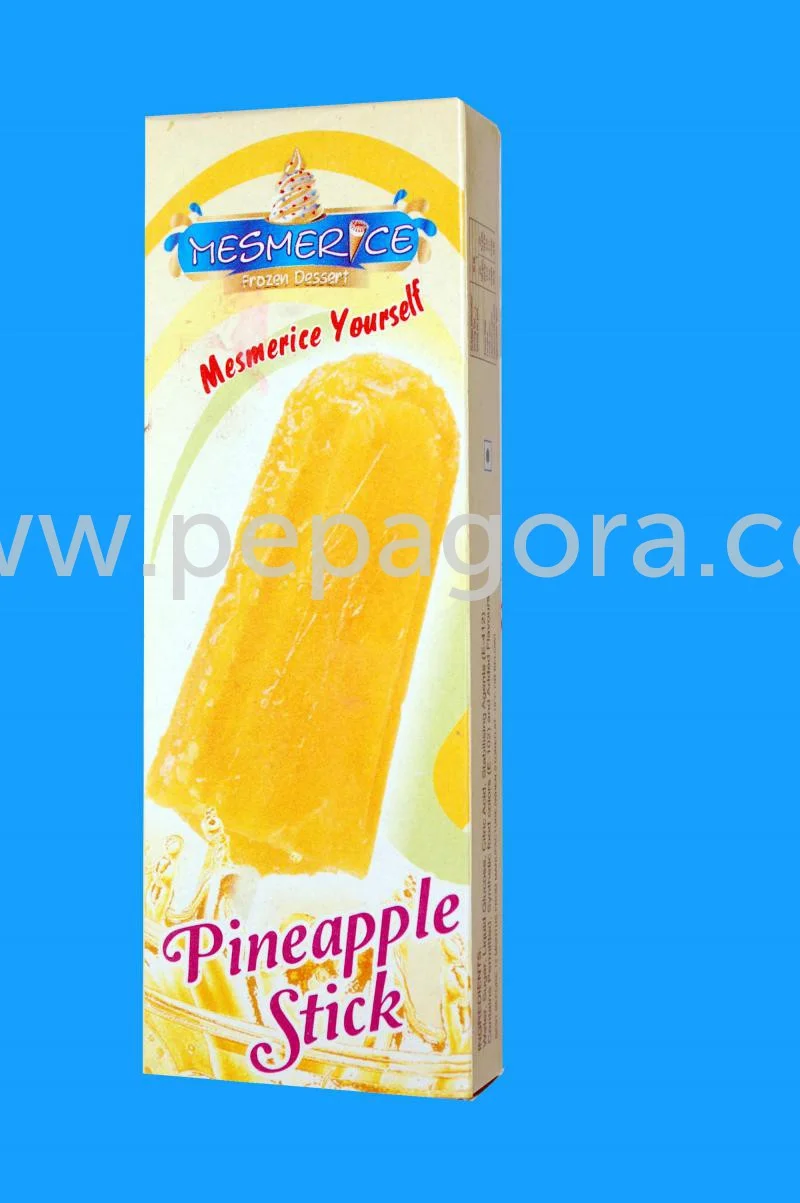
Frozen Yogurt: This variant offers a tangy taste and is often marketed as a healthier alternative. It comes in various flavors and can be served in a self-serve format, allowing customers to customize their desserts.
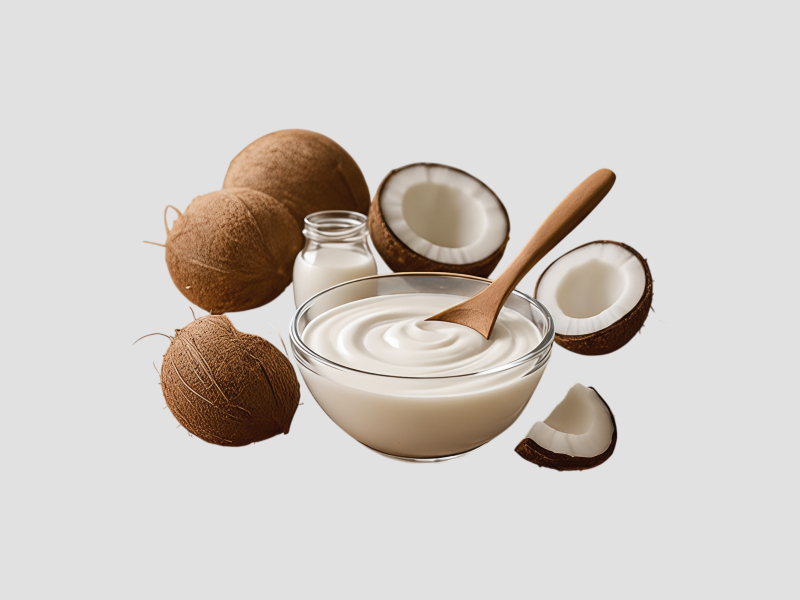
Non-Dairy Ice Cream: This variant caters to consumers with dietary restrictions, using plant-based ingredients. It includes flavors made from almond milk, coconut milk, or soy milk.
Low-Calorie or Protein-Enriched: These variants focus on health-conscious consumers by offering lower calorie counts or added protein, appealing to fitness enthusiasts and those watching their diets.
Benefits and Advantages
Ice creams and frozen yogurt offer numerous benefits that make them appealing to consumers and businesses alike.
1. Versatile Product Range: With a wide variety of flavors and formulations, ice creams and frozen yogurt can cater to diverse consumer tastes and dietary needs.
2. Indulgent Experience: These frozen desserts offer a treat that satisfies cravings, making them a popular choice for consumers looking for indulgence.
3. Customization Options: The ability to mix flavors and add toppings allows consumers to create personalized desserts, enhancing their experience.
4. Seasonal Appeal: Ice creams and frozen yogurt are especially popular during warm months, providing businesses with seasonal sales boosts.
5. Healthier Alternatives: With options like frozen yogurt and low-calorie ice creams, businesses can attract health-conscious customers looking for guilt-free treats.
6. Brand Differentiation: Unique flavors and specialty variants can help businesses stand out in a competitive market, attracting more customers.
Buying Guide for B2B Buyers
When sourcing ice creams and frozen yogurt, businesses should consider several key factors to ensure they make informed purchasing decisions.
1. Quality Assessment: Evaluate the ingredients and production processes to ensure high-quality products. Look for suppliers who provide transparency regarding their sourcing and manufacturing practices.
2. Supplier Verification: Conduct due diligence on potential suppliers. Verify their reputation, reliability, and history in the market to ensure they can meet your business needs.
3. Pricing and MOQ: Understand the pricing structure and minimum order quantities (MOQ) required by suppliers. This will help you budget and plan your inventory effectively.
4. Delivery and Lead Times: Inquire about delivery schedules and lead times to ensure that you can maintain stock levels and meet customer demand without disruption.
5. Compliance Requirements: Familiarize yourself with local regulations and safety standards that apply to ice creams and frozen yogurt. Ensure that your suppliers comply with all necessary certifications.
Compliance and Certifications
When sourcing ice creams and frozen yogurt, compliance with industry standards is essential for ensuring product safety and quality. Relevant quality standards include ISO 9001, which focuses on quality management systems, and HACCP, which emphasizes food safety through hazard analysis and critical control points.
Industry certifications such as CE indicate that products meet European safety, health, and environmental protection standards. These certifications provide assurance to buyers that the products are safe for consumption.
Safety and testing requirements are critical, including regular inspections and quality control measures to maintain product integrity. Additionally, businesses must consider regional compliance, as different areas may have specific regulations concerning food products.
Why Source Ice Creams & Frozen Yogurt from Pepagora?
Pepagora provides a trusted platform for sourcing ice creams and frozen yogurt with several key advantages that benefit B2B buyers.
Verified Supplier Network: Pepagora has a robust network of verified suppliers, ensuring that buyers can source high-quality products from reputable manufacturers. This verification process helps eliminate risks associated with untrustworthy suppliers.
Streamlined RFQ Process: The platform offers a streamlined Request for Quotation (RFQ) process, making it easy for buyers to receive competitive quotes from multiple suppliers. This feature saves time and helps in making informed purchasing decisions.
Trade Assurance and Support: Pepagora provides trade assurance and buyer protection, giving businesses peace of mind when sourcing products. The platform offers support throughout the purchasing process, ensuring smooth transactions.
Regional Coverage: With a wide geographic reach across India, the GCC, and Southeast Asia, Pepagora facilitates access to diverse markets. This regional coverage allows businesses to expand their sourcing options and enhance their supply chain flexibility.

 IN
IN