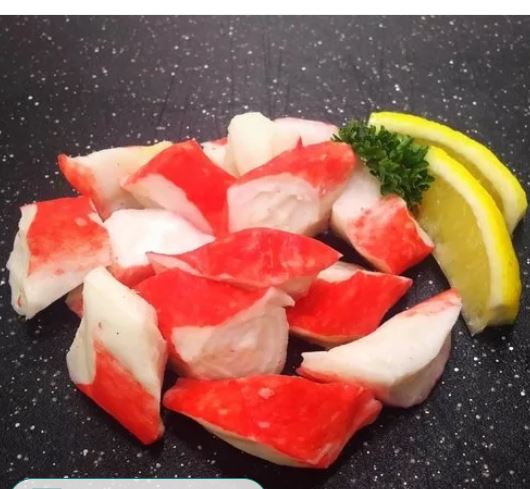
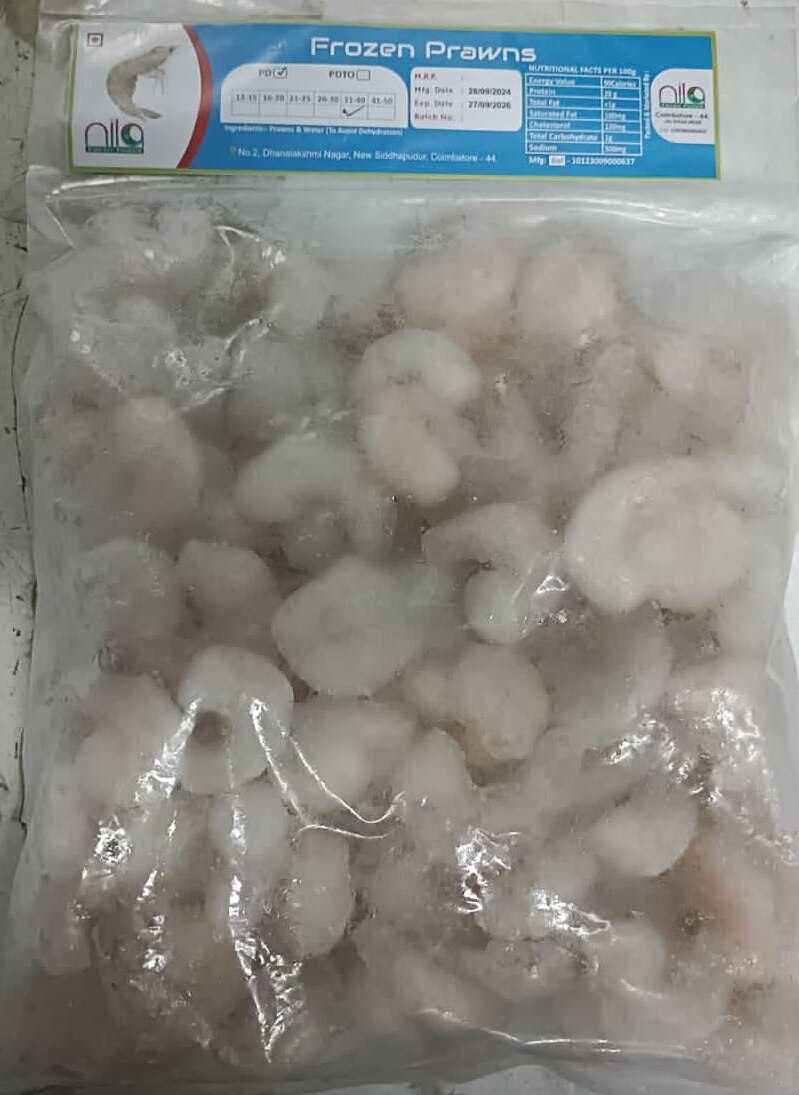
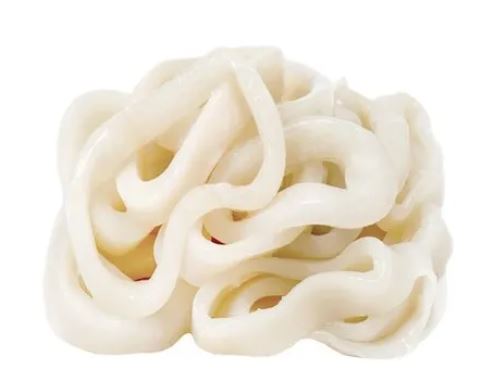
What are Frozen Fish Fillets & Prawns?
Frozen fish fillets and prawns are seafood products that have been processed and preserved by freezing. They are widely used in the food industry due to their convenience, shelf stability, and versatility. Fish fillets come from various species, including cod, haddock, and tilapia, while prawns can range from small to large varieties, offering different textures and flavors. The freezing process helps retain the nutritional value and freshness of these products.
In commercial settings, frozen fish fillets and prawns serve numerous applications. They are popular in restaurants, catering services, and food processing industries. Businesses utilize these products for menu items, frozen meals, and ready-to-cook dishes. The global demand for seafood continues to rise, driven by health-conscious consumers and an increasing preference for protein-rich diets, making frozen fish and prawns a relevant choice in the market.
The seafood industry is heavily influenced by various factors such as sustainability, sourcing practices, and regulatory standards. As consumers become more aware of the environmental impact of fishing, businesses are focusing on responsible sourcing of frozen fish fillets and prawns. This shift has led to a growing market for certified products that meet environmental and quality standards.
Key Features and Specifications
Frozen fish fillets and prawns offer a range of features and specifications that make them suitable for various business needs. Understanding these specifications can help buyers make informed purchasing decisions.
Key specifications include:
1. Quality Standards
- Frozen fish fillets and prawns should adhere to industry quality standards.
- Certifications like CE ensure compliance with safety and health regulations.
2. Size and Weight
- Fillets are available in various sizes, typically categorized by weight.
- Prawns can be offered in different counts per pound, catering to specific recipe requirements.
3. Packaging
- Products are usually vacuum-sealed to preserve freshness.
- Packaging sizes may vary, offering options for bulk purchases or smaller quantities.
4. Shelf Life
- Frozen fish fillets and prawns generally have a shelf life of 12-24 months when stored correctly.
- Proper temperature control during storage is essential to maintain quality.
5. Nutritional Information
- Both products are rich in protein and low in carbohydrates.
- Nutritional values vary based on species and preparation methods.
6. Origin
- Fish fillets and prawns can originate from various regions, influencing flavor and quality.
- Sourcing from sustainable fisheries is increasingly common.
7. Freezing Method
- Quick freezing methods are preferred to retain texture and flavor.
- Some products may be individually quick frozen (IQF) for convenience.
8. Allergen Information
- Businesses should be aware of potential allergens associated with seafood.
- Clear labeling is important for food safety compliance.
In summary, understanding the key features and specifications of frozen fish fillets and prawns can help businesses select products that align with their quality and operational requirements.
Common Applications and Use Cases
Frozen fish fillets and prawns are widely utilized across several industries, each with specific applications that highlight their versatility.
1. Food Service Industry: Restaurants and catering services use frozen fish and prawns to create a variety of dishes, from appetizers to main courses. Their convenience allows for quick preparation and consistent quality.
2. Retail Grocery Stores: Supermarkets and grocery stores stock frozen seafood products as part of their frozen food sections. They are marketed as convenient meal options for consumers seeking quality protein sources.
3. Food Processing: Food manufacturers use frozen fish fillets and prawns as key ingredients in processed foods, including frozen meals, seafood sauces, and ready-to-eat products.
4. Hospitality Sector: Hotels and resorts incorporate frozen seafood into their menus, offering gourmet options that appeal to guests while maintaining cost-effectiveness.
5. Export Markets: Frozen fish and prawns are significant export products for many countries, contributing to international trade and supporting local economies.
6. Meal Kit Services: Subscription meal kit companies include frozen seafood options in their offerings, allowing consumers to prepare restaurant-quality meals at home.
7. Institutional Catering: Schools, hospitals, and other institutions rely on frozen fish and prawns for nutritious meal planning, meeting dietary requirements while managing food costs.
Product Variants and Subcategories
Frozen fish fillets and prawns come in various forms, catering to different consumer preferences and culinary needs. This diversity allows businesses to choose products that best fit their operational requirements.
Fillet Variants
Skinless and Boneless Fillets: These fillets are easy to prepare and serve, making them ideal for quick meal solutions. They require minimal cooking time and are suitable for various recipes.
Breaded Fillets: These fillets come pre-coated with breadcrumbs or batter, offering a convenient option for frying or baking. They are popular in fast food and casual dining establishments.
Prawn Variants
Raw Prawns: Typically sold peeled and deveined, raw prawns are versatile and can be used in a variety of dishes. They are commonly used in stir-fries, curries, and pasta dishes.
Cooked Prawns: Pre-cooked prawns are ready to use, making them an excellent choice for salads, sandwiches, and cold dishes. They save preparation time and maintain a consistent flavor.
Benefits and Advantages
Sourcing frozen fish fillets and prawns offers several advantages for businesses within the food industry.
Key benefits include:
1. Convenience: Frozen products are easy to store and use, allowing for quick meal preparation without compromising quality.
2. Extended Shelf Life: Freezing preserves the freshness of fish and prawns, reducing waste and enabling long-term storage.
3. Nutritional Value: Frozen seafood retains essential nutrients, making it a healthy choice for consumers seeking protein-rich options.
4. Cost-Effectiveness: Purchasing frozen products can be more economical than fresh seafood, particularly in bulk, allowing for better inventory management.
5. Versatility: Frozen fish fillets and prawns can be used in a wide range of recipes, appealing to diverse culinary preferences.
6. Consistency: Freezing ensures that the quality of seafood remains stable, providing businesses with reliable products for their menus.
Buying Guide for B2B Buyers
When sourcing frozen fish fillets and prawns, several factors should be considered to ensure quality and value for money.
1. Quality Assessment: Look for suppliers that provide detailed quality specifications, including certifications like CE. Conduct sensory evaluations if possible.
2. Supplier Verification: Vet suppliers by checking references, certifications, and customer reviews to ensure reliability and consistent quality.
3. Pricing and MOQ: Understand the pricing structure and minimum order quantities (MOQ) to align with your budget and operational needs.
4. Delivery and Lead Times: Discuss logistics with suppliers, including delivery schedules and lead times. Timely delivery is crucial for maintaining product quality.
5. Compliance Requirements: Ensure that products meet local and international regulations, including food safety standards and labeling requirements.
Compliance and Certifications
Compliance with quality standards and certifications is crucial in the seafood industry. Several relevant standards apply to frozen fish fillets and prawns.
ISO 9001: This standard focuses on quality management systems, ensuring that suppliers maintain consistent quality in their products.
HACCP: Hazard Analysis and Critical Control Points is essential in the food industry to identify and mitigate potential hazards in food production processes.
GDP: Good Distribution Practices ensure that products are stored and transported under proper conditions to maintain quality and safety.
CE Certification: This indicates compliance with European health, safety, and environmental protection standards, important for products sold in the EU market.
Safety testing requirements may include microbiological testing and chemical residue analysis to ensure that products are safe for consumption.
Regional compliance considerations can vary based on local regulations, making it essential for suppliers to be aware of and adhere to these standards.
Why Source Frozen Fish Fillets & Prawns from Pepagora?
Pepagora offers a reliable platform for sourcing high-quality frozen fish fillets and prawns, providing several key advantages to B2B buyers.
Verified Supplier Network: Pepagora connects buyers with verified suppliers, ensuring that businesses can source products from reputable manufacturers committed to quality.
Streamlined RFQ Process: The request for quotation (RFQ) system simplifies the procurement process, allowing buyers to receive competitive quotes from multiple suppliers quickly.
Trade Assurance and Support: Buyers benefit from trade assurance measures that provide protection against potential issues, ensuring a secure purchasing experience.
Regional Coverage: Pepagora serves a diverse geographic area, including India, the GCC, and Southeast Asia, facilitating connections between buyers and suppliers across these regions.
Sourcing frozen fish fillets and prawns through Pepagora not only enhances product quality but also supports businesses in navigating the complexities of the seafood market.

 IN
IN