
 IN
Export Grade Frozen Food Products
2 products available
What are Export Grade Frozen Food Products?
Export Grade Frozen Food Products are high-quality food items that are frozen and packaged for international trade. These products are processed under stringent quality control measures to ensure they meet international standards. The freezing process preserves the freshness, taste, and nutritional value of food while extending its shelf life, making it suitable for export to various markets.
These products are commonly used in the food service and retail sectors, including restaurants, hotels, and grocery stores. Businesses often rely on export grade frozen foods for their convenience, cost-effectiveness, and ability to provide a consistent supply of ingredients throughout the year. The growing demand for quick and easy meal options has further propelled the market for frozen foods, making them a relevant choice in today’s fast-paced culinary landscape.
The global frozen food market is experiencing significant growth, driven by factors such as increasing urbanization, changing consumer preferences, and the rise of e-commerce in food distribution. Companies in this sector must adhere to strict regulatory standards to compete effectively and ensure product safety and quality in the marketplace.
Key Features and Specifications
Export Grade Frozen Food Products come with a range of features that cater to the needs of businesses involved in the food industry. These specifications ensure the products maintain their quality and safety during storage and transportation.
Key specifications include:
1. Quality Assurance
- Products are processed according to strict quality control standards.
- Comply with international food safety regulations.
2. Temperature Control
- Products are maintained at optimal freezing temperatures to prevent spoilage.
- Typically stored at temperatures below -18 degrees Celsius.
3. Packaging
- Vacuum-sealed or modified atmosphere packaging to extend shelf life.
- Packaging is designed to withstand transportation conditions.
4. Nutritional Value
- Retains essential nutrients post-freezing.
- Nutritional information is clearly labeled.
5. Shelf Life
- Extended shelf life of up to 24 months when stored correctly.
- Best before dates provided on packaging.
6. Traceability
- Clear labeling for tracking product origin and processing methods.
- Compliance with traceability regulations for export.
7. Variety
- Available in various forms such as whole, diced, or mixed products.
- Options for organic and conventional varieties.
8. Safety Standards
- Compliance with HACCP and other food safety management systems.
- Regular testing for contaminants and quality assurance.
In summary, the key features and specifications of export grade frozen food products ensure that they meet both quality and safety standards, making them suitable for a variety of applications in the food industry.
Common Applications and Use Cases
Export Grade Frozen Food Products are versatile and serve a wide range of industries.
1. Food Service Industry: Restaurants and catering services use frozen food products for their convenience and consistency, allowing them to offer a diverse menu without the risk of spoilage.
2. Retail Grocery: Supermarkets and grocery stores stock frozen food items to provide customers with easy-to-prepare meal options, catering to the growing demand for convenience foods.
3. Healthcare: Hospitals and care facilities utilize frozen foods to ensure patients receive nutritious meals that can be stored and prepared easily.
4. Food Manufacturing: Manufacturers of ready-to-eat meals and snacks often source frozen ingredients to maintain quality and reduce preparation time.
5. Hospitality: Hotels and resorts rely on frozen food products to manage inventory effectively and offer a variety of meal options to guests.
6. Schools and Institutions: Educational institutions use frozen food products to efficiently serve large numbers of students while maintaining nutritional standards.
7. Export Markets: Businesses engage in exporting frozen foods to meet the demands of international markets, adhering to specific regulations and quality standards.
Product Variants and Subcategories
Export Grade Frozen Food Products offer a variety of options to cater to diverse business needs.
Frozen Vegetables
These products include a range of vegetables that are flash-frozen to preserve flavor and nutrients. They are ideal for restaurants and food manufacturers looking for convenient options.
Frozen Fruits
Available as whole or sliced, frozen fruits are perfect for desserts, smoothies, and cooking applications. Their long shelf life makes them a popular choice among retailers.
Frozen Seafood
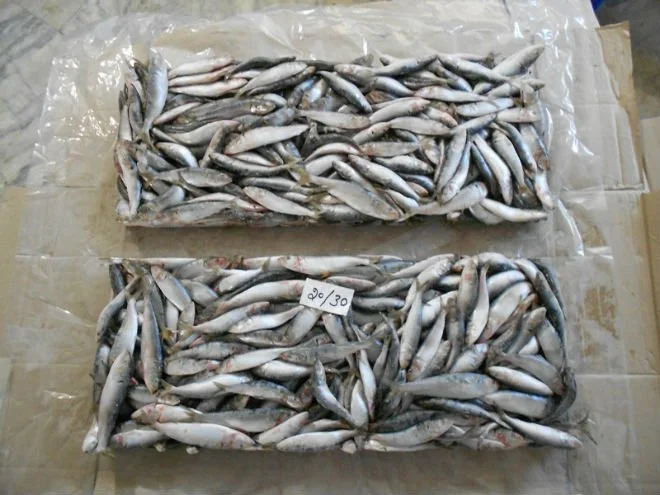
This category includes fish and shellfish that are frozen to maintain freshness. They are commonly used in restaurants and food service establishments.
Frozen Meat
Export grade frozen meats are processed to ensure safety and quality. They are essential for various culinary applications in restaurants and catering businesses.
Frozen Meals
Pre-packaged frozen meals offer convenience for businesses looking to provide ready-to-eat options. These meals cater to different dietary preferences and are easy to prepare.
Benefits and Advantages
Export Grade Frozen Food Products offer numerous benefits to businesses in the food industry.
1. Convenience: Frozen food products simplify meal preparation, allowing businesses to save time and reduce labor costs.
2. Cost-Effectiveness: Buying frozen foods in bulk can lead to significant savings, especially for businesses that require large quantities of ingredients.
3. Long Shelf Life: The freezing process extends the shelf life of products, reducing waste and ensuring a steady supply.
4. Nutritional Retention: Freezing preserves the nutritional quality of food, providing consumers with healthy meal options.
5. Consistent Quality: Frozen products maintain their quality over time, ensuring businesses can offer reliable menu items.
6. Versatility: A wide range of products allows businesses to create diverse menus and cater to various dietary needs.
Buying Guide for B2B Buyers
When sourcing Export Grade Frozen Food Products, it is crucial for businesses to consider several factors to ensure they make informed decisions.
1. Quality Assessment: Evaluate the quality of products by requesting samples and checking for certifications. Ensure that the supplier adheres to industry standards.
2. Supplier Verification: Conduct thorough research on potential suppliers. Look for reviews, ratings, and their history in the market to ensure reliability.
3. Pricing and MOQ: Understand the pricing structure and minimum order quantities. Compare quotes from multiple suppliers to ensure competitive pricing.
4. Delivery and Lead Times: Discuss logistics with suppliers to confirm delivery schedules and lead times. Ensure they can meet your timelines.
5. Compliance Requirements: Verify that products meet all necessary regulatory and compliance standards for your target market.
Compliance and Certifications
Export Grade Frozen Food Products must adhere to various quality standards to ensure safety and reliability.
ISO 9001 is a widely recognized standard for quality management systems that ensures products are consistently produced and controlled according to quality standards.
HACCP (Hazard Analysis and Critical Control Points) is essential for identifying and managing food safety risks throughout the production process.
Good Distribution Practices (GDP) ensure that food products are stored and transported under optimal conditions to maintain quality and safety.
In addition to these quality standards, industry certifications such as CE are important for compliance in international markets.
Safety and testing requirements are critical in the production of frozen foods, ensuring they are free from contaminants and safe for consumption.
Regional compliance considerations must also be taken into account, as different markets may have specific regulations and standards that need to be met.
Why Source Export Grade Frozen Food Products from Pepagora?
Pepagora provides a trusted platform for sourcing Export Grade Frozen Food Products, offering several key advantages for B2B buyers.
Verified Supplier Network: Pepagora connects buyers with a network of verified suppliers who meet rigorous quality and safety standards. This ensures that buyers can trust the products they source.
Streamlined RFQ Process: The request for quotation (RFQ) system simplifies the procurement process, allowing buyers to easily compare offers from multiple suppliers and choose the best options for their needs.
Trade Assurance and Support: Buyers benefit from trade assurance and support throughout the sourcing process. This includes assistance with negotiations and ensuring that all transactions are secure.
Regional Coverage: Pepagora has a broad geographic reach, covering regions like India, the GCC, and Southeast Asia. This enables buyers to access a wide variety of products and suppliers tailored to their market needs.
In conclusion, Pepagora stands out as a reliable partner for sourcing Export Grade Frozen Food Products, helping businesses navigate the complexities of procurement with confidence.


Frequently Asked Questions
What are Export Grade Frozen Food Products?
Export Grade Frozen Food Products refer to high-quality food items that are processed, packaged, and frozen to meet international standards for shipping and consumption. These products are typically subject to stringent quality checks to ensure they retain their nutritional value and flavor during storage and transport.
What are the different types of Export Grade Frozen Food Products?
The different types of Export Grade Frozen Food Products include frozen fruits, vegetables, seafood, meat, and ready-to-eat meals. Each category is processed and preserved to maintain freshness and quality, catering to various culinary needs across global markets.
How do I choose the right Export Grade Frozen Food Products?
To choose the right Export Grade Frozen Food Products, consider factors such as quality certifications, supplier reputation, and product specifications. Additionally, assess your specific needs in terms of product type, packaging, and potential usage in your business.
What are the standard specifications for Export Grade Frozen Food Products?
Standard specifications for Export Grade Frozen Food Products include criteria such as temperature control during freezing, packaging integrity, and adherence to international food safety standards. Products should also be free from contaminants and correctly labeled with nutritional information.
What is the price range for Export Grade Frozen Food Products?
The price range for Export Grade Frozen Food Products can vary widely based on the type of product, quality, and supplier. Generally, prices may start from a few hundred rupees per kilogram and can go up significantly for premium items or specialty products.
What quality standards apply to Export Grade Frozen Food Products?
Export Grade Frozen Food Products must comply with quality standards set by international bodies such as the Codex Alimentarius and local food safety authorities. These standards often cover aspects like hygiene, safety, and nutritional value to ensure consumer protection.
Where can I find Export Grade Frozen Food Products suppliers in India?
You can find Export Grade Frozen Food Products suppliers in India through B2B marketplaces like Pepagora, trade shows, and industry directories. Networking with industry professionals and participating in food exhibitions can also help connect you with reputable suppliers.
Can Export Grade Frozen Food Products be customized?
Yes, many suppliers offer customization options for Export Grade Frozen Food Products. Customization can include specific packaging requirements, private labeling, or product formulations tailored to meet the needs of different markets.
What is the typical minimum order quantity for Export Grade Frozen Food Products?
The typical minimum order quantity (MOQ) for Export Grade Frozen Food Products varies by supplier and product type. Generally, MOQs can range from 100 kilograms to several tons, depending on the scale of production and supplier policies.
What is the typical lead time for Export Grade Frozen Food Products?
The typical lead time for Export Grade Frozen Food Products depends on factors such as order size and supplier capabilities. Generally, lead times can range from a few days to several weeks, particularly if customization or special packaging is required.
Why Businesses Trust Pepagora
Thousands of companies trust Pepagora to source smarter and sell faster
Expand Your Sales Globally

Source Smarter,Grow Faster
