
 IN
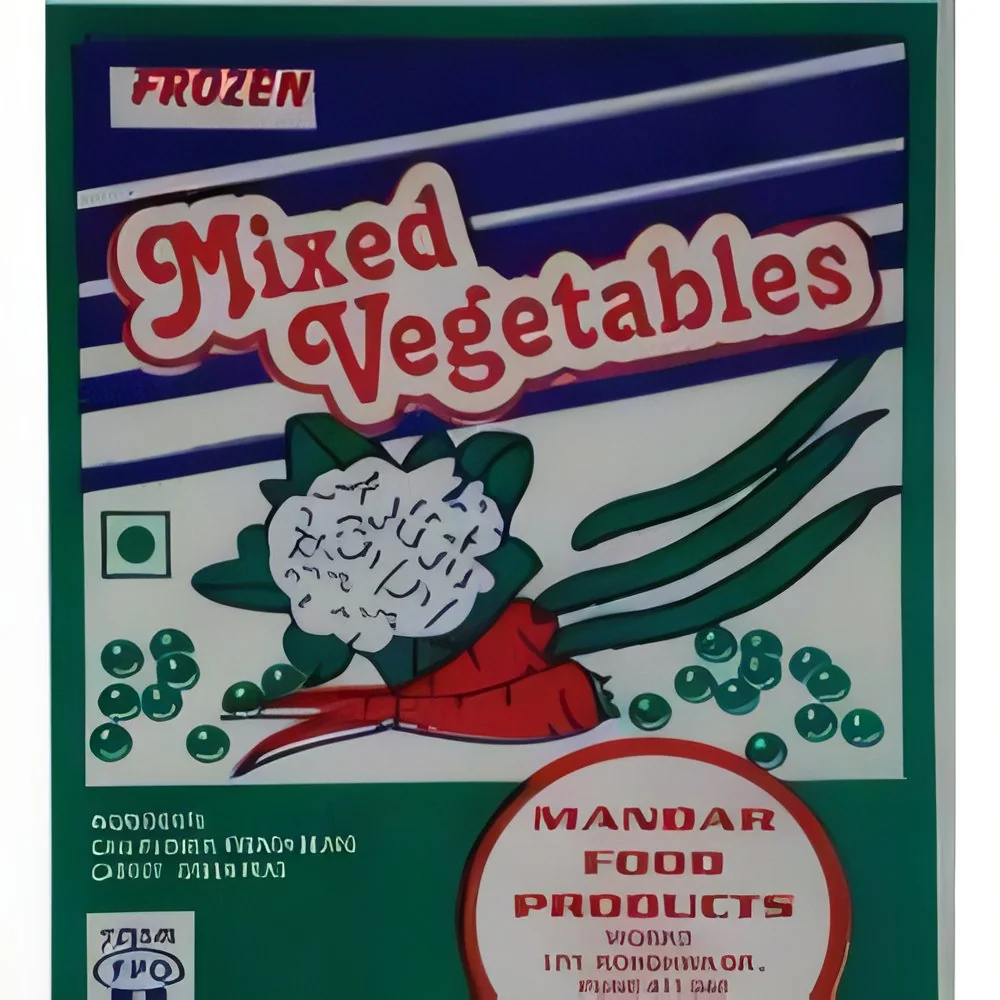
Frozen Mixed Vegetables
11 products available
What are Frozen Mixed Vegetables?
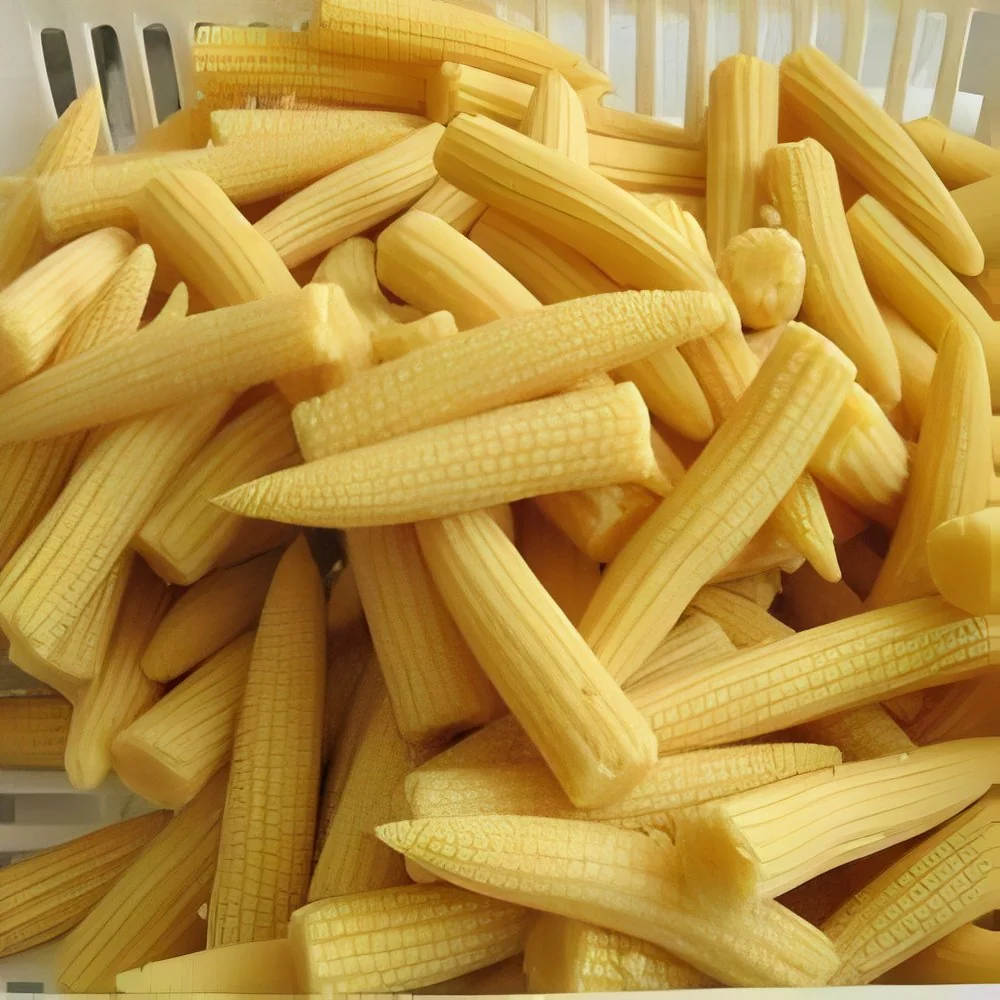
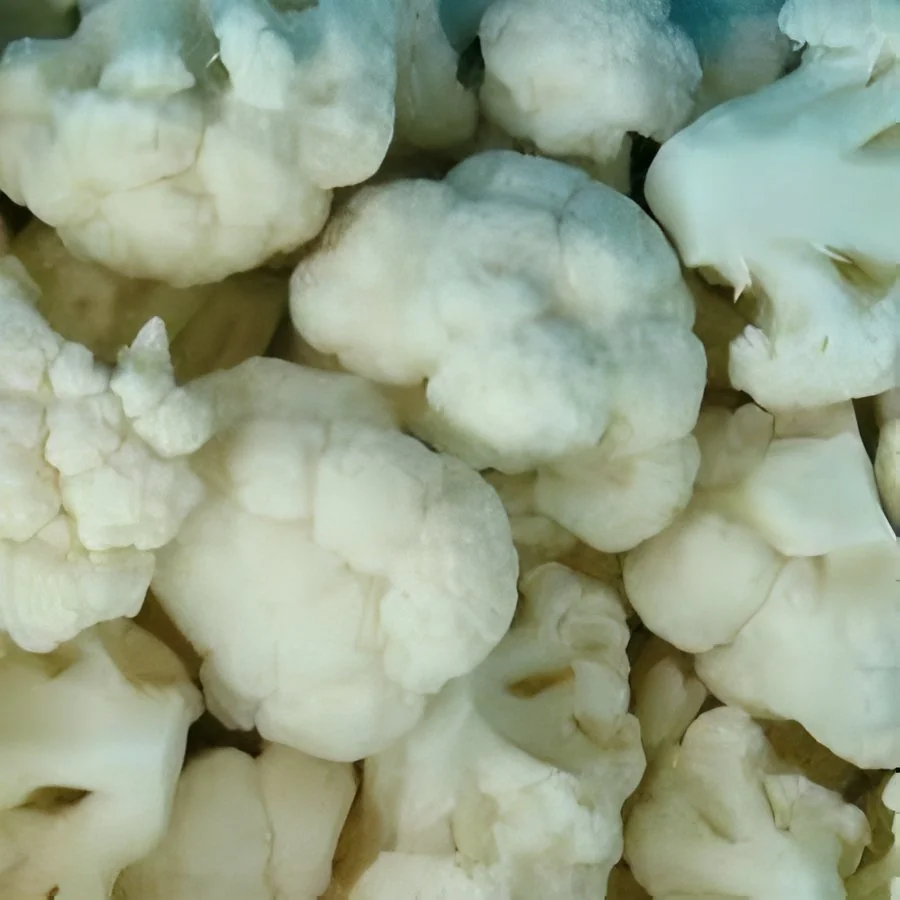
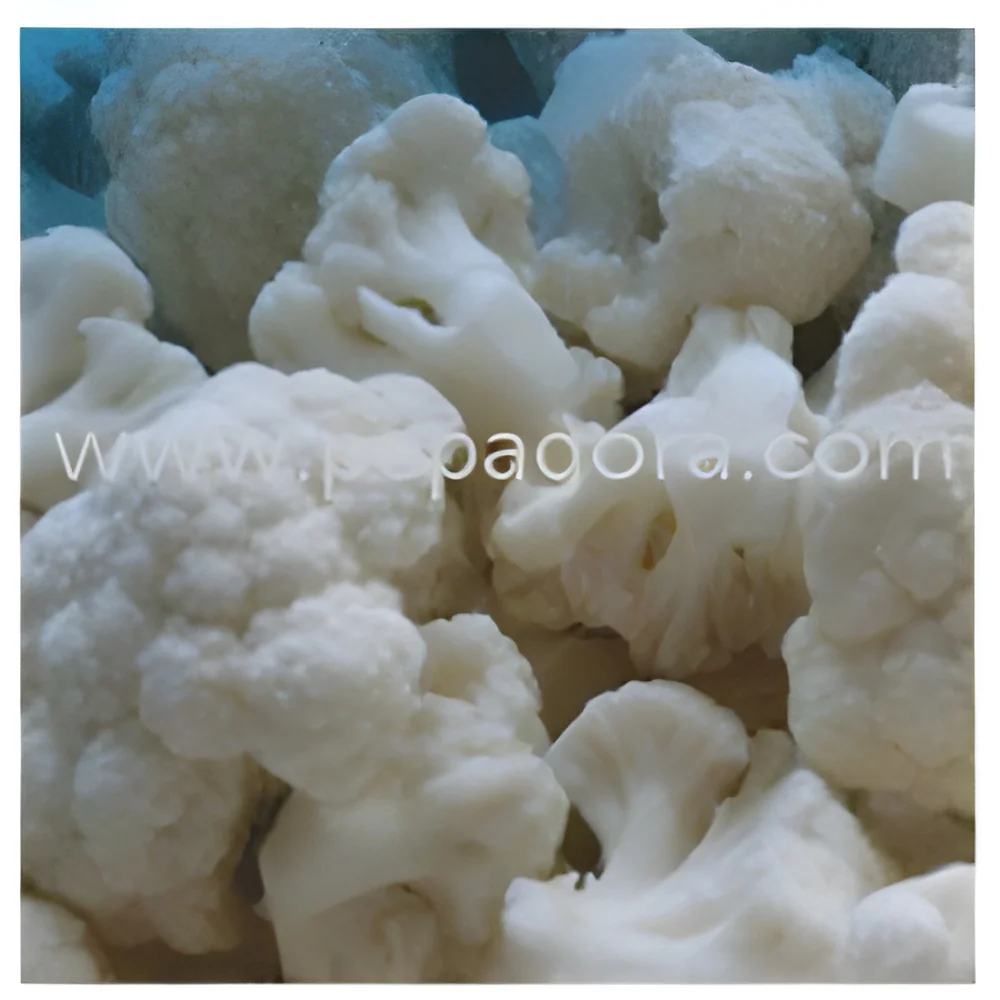
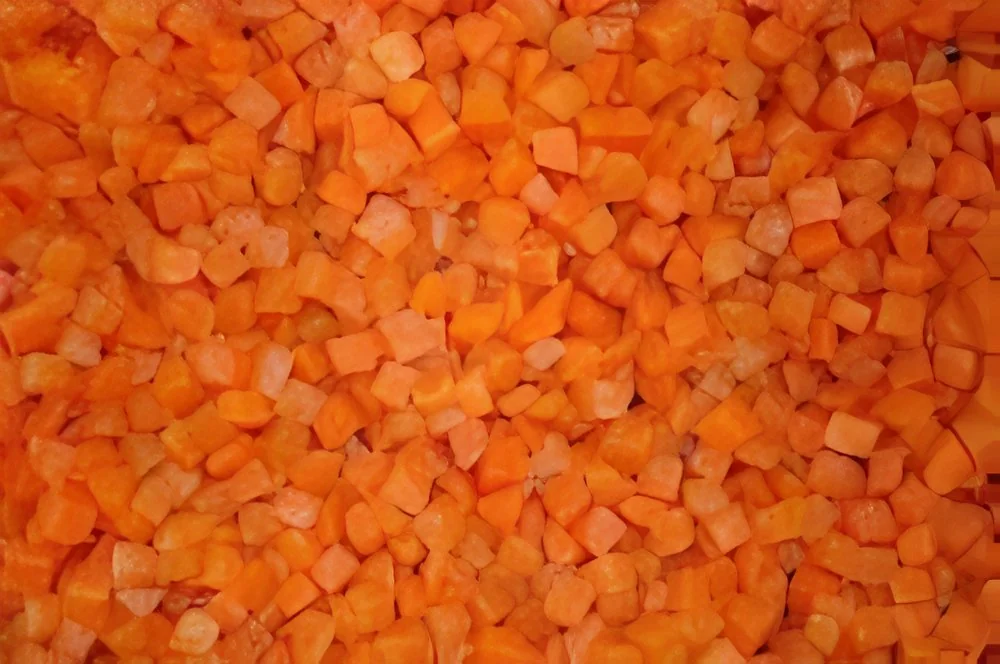
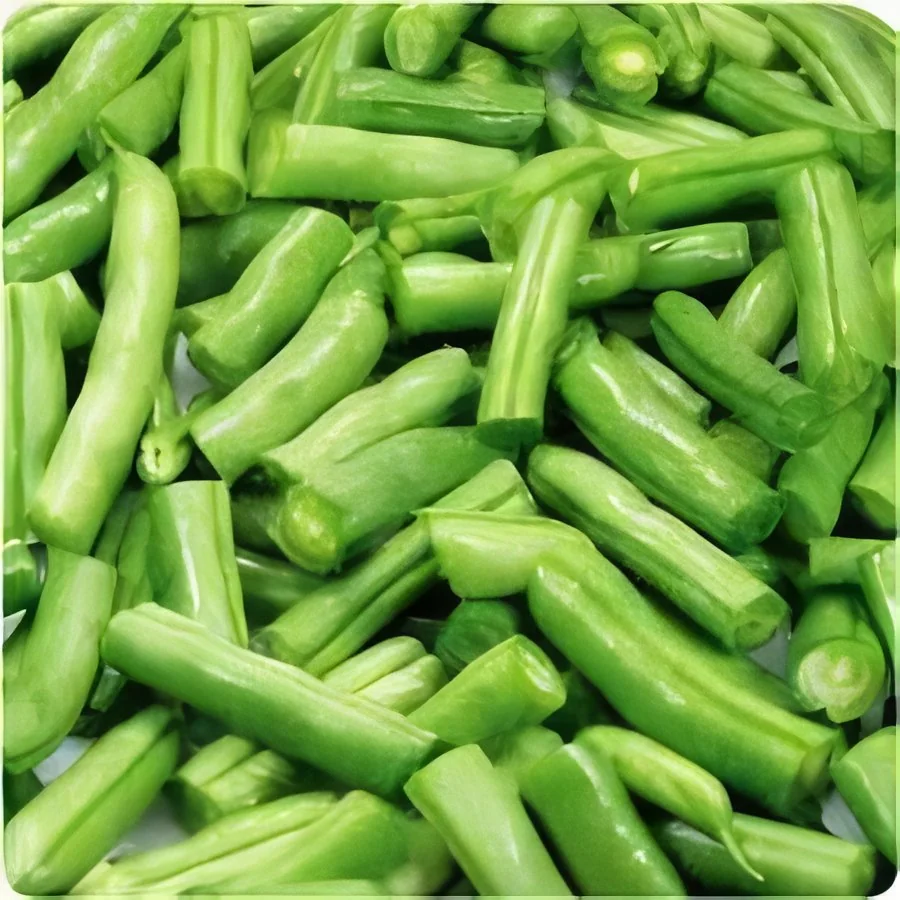
Frozen mixed vegetables are a convenient and versatile food product made by combining various vegetables that are processed and preserved through freezing. This method helps retain the nutritional value, color, and flavor of the vegetables, ensuring that they remain suitable for consumption over an extended period. Common vegetables found in these mixes include carrots, peas, corn, and green beans, among others.
These products are widely used in different sectors such as food service, catering, and retail, allowing businesses to offer healthy meal options without the need for extensive preparation. In the food industry, frozen mixed vegetables provide a consistent quality and taste, making them a staple ingredient in soups, stir-fries, casseroles, and side dishes. The increasing demand for convenient meal solutions and the trend towards healthier eating options further highlight their relevance in today’s market.
Key Features and Specifications
Frozen mixed vegetables come with various features that make them an appealing choice for businesses. They are often selected for their extended shelf life, ease of use, and nutritional benefits. The specifications of these products may vary based on the supplier and the specific blend of vegetables used.
Key specifications include:
1. Vegetable Variety
- A mix of commonly used vegetables such as carrots, peas, corn, and green beans
- May also include seasonal or specialty varieties depending on availability
2. Freezing Method
- Typically flash frozen to preserve freshness and nutritional content
- Ensures a longer shelf life while maintaining texture and flavor
3. Packaging
- Available in bulk packaging for food service operations or retail-ready packaging
- Options for vacuum-sealed bags or bulk cartons to meet various inventory needs
4. Nutritional Information
- Typically low in calories and high in vitamins and minerals
- Nutritional profiles may vary, so specific details should be checked per batch
5. Allergen Information
- Generally gluten-free and suitable for a variety of dietary preferences
- Important to check for cross-contamination with allergens
6. Shelf Life
- Usually has a shelf life of 12-24 months when stored correctly
- Requires proper storage conditions to maintain quality
7. Certification
- Often certified by relevant food safety standards such as CE
- Compliance with local and international food safety regulations
8. Minimum Order Quantity (MOQ)
- Varies by supplier, commonly ranging from 500 kg to 1000 kg
- Important for buyers to clarify their specific needs with suppliers
Frozen mixed vegetables are a dependable choice for businesses aiming to provide nutritious meal options with minimal preparation.
Common Applications and Use Cases
Frozen mixed vegetables serve a wide range of industries, making them a versatile product for many applications.
1. Food Service: Restaurants and caterers frequently use frozen mixed vegetables in their menu items, enabling quick preparation while maintaining quality.
2. Retail: Grocery stores and supermarkets stock frozen mixed vegetables for consumers seeking convenient meal solutions, often promoting them as healthy, ready-to-cook options.
3. Food Processing: Manufacturers of ready-to-eat meals and frozen foods incorporate these vegetables into their products for added nutrition and flavor.
4. Institutional Food Service: Schools, hospitals, and other institutions utilize frozen mixed vegetables to provide balanced meals that are easy to prepare in bulk.
5. Catering: Event planners and catering companies rely on frozen mixed vegetables for their ease of use, allowing for quick and efficient meal service at large gatherings.
6. Meal Kit Services: Companies offering meal kits often include frozen mixed vegetables for quick preparation and to ensure freshness.
7. Export: Frozen mixed vegetables are also popular in international markets, catering to various culinary preferences and dietary needs.
Product Variants and Subcategories
Frozen mixed vegetables come in diverse product variants to cater to different consumer preferences and culinary needs.
Standard Mixed Vegetables
This classic blend typically includes carrots, peas, corn, and green beans. It is suitable for a variety of dishes and is widely recognized for its convenience and nutritional benefits.
Stir-Fry Blend
This variant often includes a combination of vegetables like bell peppers, broccoli, and snap peas, specifically designed for quick stir-fry dishes. It offers a vibrant color and flavor profile ideal for Asian cuisine.
Organic Mixed Vegetables
For health-conscious consumers, organic mixed vegetables are available, sourced from organic farms. These products appeal to customers looking for non-GMO options without synthetic pesticides.
Seasonal Mix
Some suppliers offer seasonal blends that change throughout the year, featuring vegetables that are at their peak freshness. These mixes allow for unique flavors and promote the use of local produce.
Benefits and Advantages
Frozen mixed vegetables provide numerous advantages for businesses looking to enhance their offerings.
1. Nutritional Value: Frozen vegetables retain most of their vitamins and minerals, making them a healthy addition to any meal.
2. Convenience: They require no washing, peeling, or chopping, saving valuable preparation time in busy kitchens.
3. Extended Shelf Life: Unlike fresh vegetables, frozen options can last for months, reducing food waste and allowing for better inventory management.
4. Consistent Quality: The freezing process ensures that vegetables maintain their taste and texture, providing reliable quality in every batch.
5. Cost-Effective: Bulk purchasing options often lead to lower costs per serving, making them a budget-friendly choice for food service operations.
6. Versatility: Frozen mixed vegetables can be used in a wide range of dishes, from soups to stir-fries, catering to various culinary applications.
Buying Guide for B2B Buyers
When sourcing frozen mixed vegetables, several factors should be taken into consideration to ensure the best product selection.
1. Quality Assessment: Buyers should evaluate the quality of the vegetables based on freshness, color, and texture. Requesting samples can help assess the product before making a bulk purchase.
2. Supplier Verification: It is crucial to vet suppliers for their reliability and compliance with food safety standards. Checking references and certifications helps ensure quality sourcing.
3. Pricing and MOQ: Understanding the pricing structure and minimum order quantities is essential for budgeting and ensuring that the purchase meets operational needs.
4. Delivery and Lead Times: Buyers should confirm delivery schedules and lead times to prevent disruptions in inventory management and menu planning.
5. Compliance Requirements: Understanding local and international compliance standards is vital to ensure that the products meet all regulatory requirements for food safety.
Compliance and Certifications
Frozen mixed vegetables are subject to various compliance standards to ensure safety and quality.
Relevant quality standards include ISO 9001 for quality management systems, which ensures that manufacturers adhere to strict quality control processes.
HACCP (Hazard Analysis and Critical Control Points) is another critical standard that focuses on food safety through the identification and management of potential hazards during production.
Additionally, GDP (Good Distribution Practices) guidelines help maintain product integrity during storage and transportation.
Certain certifications like CE indicate compliance with health, safety, and environmental protection standards, essential for products being marketed in Europe.
It is also important for businesses to consider regional compliance regulations, as these may vary by country and impact sourcing decisions.
Why Source Frozen Mixed Vegetables from Pepagora?
Pepagora offers a reliable platform for sourcing high-quality frozen mixed vegetables, providing several advantages for B2B buyers.
Verified Supplier Network: Pepagora connects buyers with a network of verified suppliers, ensuring that all products meet industry standards for quality and safety. This reduces the risk of sourcing inferior products.
Streamlined RFQ Process: The platform simplifies the request for quotation (RFQ) process, allowing businesses to quickly obtain pricing and availability information from multiple suppliers, facilitating informed purchasing decisions.
Trade Assurance and Support: Pepagora provides trade assurance, protecting buyers against risks associated with transactions. This support fosters trust and confidence in sourcing processes.
Regional Coverage: With a focus on markets in India, the GCC, and Southeast Asia, Pepagora enables businesses to efficiently source frozen mixed vegetables tailored to their regional preferences and supply chain needs.
By choosing Pepagora, businesses can enhance their product offerings while ensuring quality, safety, and compliance in their sourcing of frozen mixed vegetables.



Frequently Asked Questions
What are Frozen Mixed Vegetables?
Frozen Mixed Vegetables are a combination of various vegetables that have been washed, blanched, and then frozen to preserve their freshness, nutrients, and flavor. They offer convenience and longer shelf life compared to fresh vegetables, making them a popular choice for both home cooks and foodservice operations.
What are the different types of Frozen Mixed Vegetables?
Frozen Mixed Vegetables come in various blends, including combinations of peas, carrots, corn, green beans, and bell peppers. Some products may also include specialty vegetables or organic options, catering to different culinary needs and preferences.
How do I choose the right Frozen Mixed Vegetables?
When selecting Frozen Mixed Vegetables, consider the blend of vegetables that best suits your dishes and preferences. It's important to check the ingredient list, ensuring there are no additives or preservatives, and look for products that retain vibrant colors and textures.
What are the standard specifications for Frozen Mixed Vegetables?
Standard specifications for Frozen Mixed Vegetables typically include the variety and proportion of vegetables, size of cuts, and packaging type. The vegetables should be blanched and frozen within a specific time frame to maintain quality, and they should meet food safety regulations.
What is the price range for Frozen Mixed Vegetables?
The price range for Frozen Mixed Vegetables can vary depending on factors such as the type of vegetables, packaging, and supplier. Generally, prices can range from INR 50 to INR 300 per kilogram, with variations for organic or specialty blends.
What quality standards apply to Frozen Mixed Vegetables?
Frozen Mixed Vegetables must adhere to food safety standards and quality guidelines set by regulatory authorities. These include limits on pesticide residues, microbiological safety, and proper labeling to ensure transparency for consumers.
Where can I find Frozen Mixed Vegetables suppliers in India?
You can find Frozen Mixed Vegetables suppliers in India through online B2B marketplaces like Pepagora.com, trade directories, or by contacting local food distributors. It's advisable to compare suppliers based on product quality, pricing, and customer reviews.
Can Frozen Mixed Vegetables be customized?
Yes, many manufacturers offer customization options for Frozen Mixed Vegetables. This may include tailored blends of vegetables or specific packaging solutions to meet the unique requirements of businesses or consumers.
What is the typical minimum order quantity for Frozen Mixed Vegetables?
The typical minimum order quantity (MOQ) for Frozen Mixed Vegetables can vary by supplier but generally ranges from 10 to 100 kilograms. It's best to check with individual suppliers for their specific MOQ requirements.
What is the typical lead time for Frozen Mixed Vegetables?
The typical lead time for Frozen Mixed Vegetables varies depending on the supplier and order size, but it usually ranges from 7 to 21 days. Factors such as product availability and shipping logistics may also influence the delivery timeframe.
Why Businesses Trust Pepagora
Thousands of companies trust Pepagora to source smarter and sell faster
Expand Your Sales Globally

Source Smarter,Grow Faster
