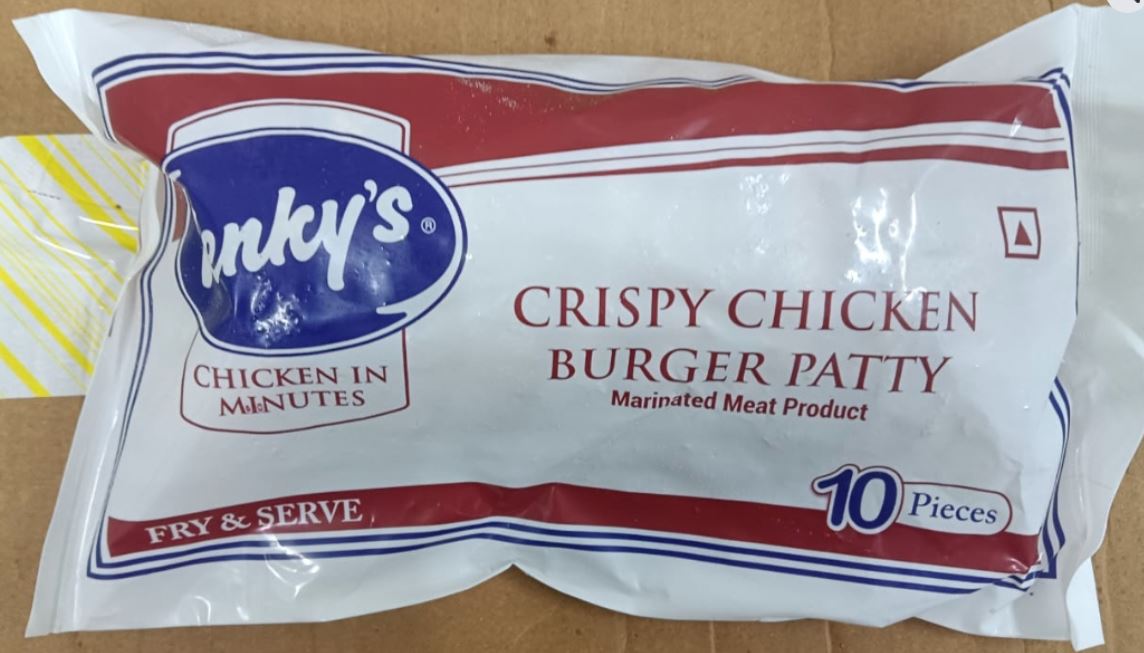
𝗪𝗵𝗮𝘁 𝗮𝗿𝗲 𝗣𝗿𝗶𝘃𝗮𝘁𝗲 𝗟𝗮𝗯𝗲𝗹 𝗙𝗿𝗼𝘇𝗲𝗻 𝗙𝗼𝗼𝗱 𝗠𝗮𝗻𝘂𝗳𝗮𝗰𝘁𝘂𝗿𝗲𝗿𝘀?
Private label frozen food manufacturers produce frozen food products that are branded under a retailer's label rather than the manufacturer's own brand. These manufacturers provide businesses with the ability to offer a wide range of frozen food items without the need for extensive investment in production facilities. Typically, these manufacturers handle everything from sourcing ingredients to packaging, allowing retailers to focus on marketing and sales.
The primary use of private label frozen food is to meet the demand of consumers looking for convenient meal options. Businesses often collaborate with these manufacturers to create customized products that align with their brand identity. This collaboration can range from developing unique recipes to ensuring that products meet specific dietary requirements. The flexibility in product offerings makes private label frozen food a popular choice for grocery chains, restaurants, and food service providers.
In the current market context, the frozen food industry is experiencing growth due to changing consumer lifestyles and preferences for quick meal solutions. As the demand for convenience foods increases, private label offerings become essential for retailers looking to enhance their product portfolios. Additionally, the competitive pricing and personalized branding opportunities make private label frozen food manufacturers a relevant player in the food industry.
𝗞𝗲𝘆 𝗙𝗲𝗮𝘁𝘂𝗿𝗲𝘀 𝗮𝗻𝗱 𝗦𝗽𝗲𝗰𝗶𝗳𝗶𝗰𝗮𝘁𝗶𝗼𝗻𝘀
Private label frozen food manufacturers come with a variety of features and specifications that cater to the needs of businesses. Understanding these specifications is crucial for companies looking to partner with the right manufacturer.
Key specifications include:
1. Product Variety
- A diverse range of frozen food items, including vegetables, meats, and ready-to-eat meals.
- Options for customization based on client requirements.
2. Packaging Solutions
- Various packaging types including bulk, retail, and eco-friendly options.
- Compliance with food safety standards in packaging materials.
3. Quality Control
- Adherence to strict quality control measures to ensure product integrity.
- Regular testing for safety and freshness.
4. Temperature Management
- Capabilities to maintain optimal freezing conditions during production and storage.
- Monitoring systems to ensure product quality throughout the supply chain.
5. Supply Chain Efficiency
- Streamlined logistics to reduce lead times and improve delivery schedules.
- Established networks for sourcing high-quality ingredients.
6. Customization Options
- Ability to create tailored recipes and specifications according to customer needs.
- Flexibility in adjusting product sizes and formulations.
7. Compliance with Standards
- Meeting industry standards such as HACCP and CE certifications.
- Regular audits to ensure compliance with food safety regulations.
8. Sustainable Practices
- Incorporation of environmentally friendly practices in sourcing and production.
- Focus on reducing waste and energy consumption.
In summary, understanding the key features and specifications of private label frozen food manufacturers enables businesses to make informed decisions that align with their product offerings and market demands.
𝗖𝗼𝗺𝗺𝗼𝗻 𝗔𝗽𝗽𝗹𝗶𝗰𝗮𝘁𝗶𝗼𝗻𝘀 𝗮𝗻𝗱 𝗨𝘀𝗲 𝗖𝗮𝘀𝗲𝘀
Private label frozen food manufacturers serve a broad range of industries with their versatile products.
1. Retail Grocery Chains: These manufacturers supply frozen food products that grocery stores can sell under their own brand, catering to consumer preferences for convenience and variety.
2. Restaurants and Cafes: Many food service establishments utilize private label frozen foods to streamline meal preparation and maintain a consistent menu, allowing for quicker service.
3. Meal Delivery Services: Companies in the meal kit and delivery sector often source frozen foods to provide ready-made options that meet diverse dietary needs.
4. Schools and Institutions: Educational institutions partner with manufacturers to provide nutritious frozen meals that meet student dietary requirements while ensuring easy preparation.
5. Catering Services: Caterers often rely on frozen food products for large events, as they offer consistency and can be stored for long periods.
6. Food Trucks: Food trucks may use private label frozen foods to offer a variety of quick and flavorful meal options to customers on the go.
7. Health and Wellness Brands: Manufacturers create specific frozen food products to align with health-focused brands, offering options like gluten-free or organic meals.
𝗣𝗿𝗼𝗱𝘂𝗰𝘁 𝗩𝗮𝗿𝗶𝗮𝗻𝘁𝘀 𝗮𝗻𝗱 𝗦𝘂𝗯𝗰𝗮𝘁𝗲𝗴𝗼𝗿𝗶𝗲𝘀
The diversity of private label frozen food products caters to various consumer needs and preferences.
Frozen Vegetables: These products include a wide array of vegetables, flash-frozen to retain nutrients and flavor. They are suitable for both home cooking and food service applications.
Frozen Ready Meals: This category encompasses complete meals that are pre-cooked and frozen, providing convenience for busy consumers. They can be customized to suit different cuisines and dietary restrictions.
Frozen Meats: Manufacturers offer a selection of frozen meats, including chicken, beef, and seafood, providing options for various culinary applications.
Frozen Desserts: This variant includes ice creams, sorbets, and other sweet treats that can be marketed under a retailer's brand, appealing to customers looking for indulgent options.
𝗕𝗲𝗻𝗲𝗳𝗶𝘁𝘀 𝗮𝗻𝗱 𝗔𝗱𝘃𝗮𝗻𝘁𝗮𝗴𝗲𝘀
Partnering with private label frozen food manufacturers offers several advantages for businesses.
Key benefits include:
1. Cost Efficiency: By outsourcing production, companies can reduce overhead costs associated with manufacturing and focus resources on marketing and sales.
2. Brand Customization: Retailers can create unique products that reflect their brand identity, enhancing customer loyalty and market differentiation.
3. Diverse Product Range: Access to a wide variety of frozen food options allows businesses to cater to different consumer preferences and dietary needs.
4. Quality Assurance: Established manufacturers often have rigorous quality control processes, ensuring that products meet high safety and quality standards.
5. Supply Chain Flexibility: Collaborating with manufacturers can streamline logistics and reduce lead times, resulting in faster product availability.
6. Minimal Risk: Companies can test new products with lower financial risk, as they do not have to invest in manufacturing equipment or facilities.
𝗕𝘂𝘆𝗶𝗻𝗴 𝗚𝘂𝗶𝗱𝗲 𝗳𝗼𝗿 𝗕𝟮𝗕 𝗕𝘂𝘆𝗲𝗿𝘀
When sourcing private label frozen food manufacturers, it is essential to consider several factors.
1. Quality Assessment: Evaluate the manufacturer’s quality control processes and product testing methods. Look for certifications that indicate adherence to industry standards.
2. Supplier Verification: Conduct thorough checks on potential suppliers to ensure they have a good reputation and meet regulatory requirements. This can include reviewing customer feedback and performance history.
3. Pricing and MOQ: Understand the pricing structure and minimum order quantities (MOQ) to ensure they align with your budget and business needs. Compare offers from multiple suppliers to find competitive pricing.
4. Delivery and Lead Times: Discuss delivery schedules and lead times with suppliers. Ensure they can meet your timeline requirements for product availability.
5. Compliance Requirements: Verify that the manufacturer complies with relevant food safety regulations and certifications. This is critical for maintaining product quality and consumer safety.
𝗖𝗼𝗺𝗽𝗹𝗶𝗮𝗻𝗰𝗲 𝗮𝗻𝗱 𝗖𝗲𝗿𝘁𝗶𝗳𝗶𝗰𝗮𝘁𝗶𝗼𝗻𝘀
Private label frozen food manufacturers must adhere to several quality standards and certifications to ensure product safety and consumer trust.
Relevant quality standards include ISO 9001, which outlines criteria for maintaining a quality management system. Compliance with HACCP (Hazard Analysis and Critical Control Points) is also crucial, as it focuses on preventing food safety hazards. Additionally, adherence to Good Distribution Practices (GDP) ensures that products are handled and stored correctly throughout the supply chain.
Industry certifications, such as CE, signify that products meet European safety standards, which can enhance marketability and trust among consumers. Manufacturers must also comply with safety and testing requirements to ensure their products are free from contaminants and safe for consumption.
Regional compliance considerations vary by market. Manufacturers should be aware of local regulations concerning food safety, labeling, and ingredient sourcing to avoid legal issues and ensure smooth operations.
𝗪𝗵𝘆 𝗦𝗼𝘂𝗿𝗰𝗲 𝗣𝗿𝗶𝘃𝗮𝘁𝗲 𝗟𝗮𝗯𝗲𝗹 𝗙𝗿𝗼𝘇𝗲𝗻 𝗙𝗼𝗼𝗱 𝗠𝗮𝗻𝘂𝗳𝗮𝗰𝘁𝘂𝗿𝗲𝗿𝘀 𝗳𝗿𝗼𝗺 𝗣𝗲𝗽𝗮𝗴𝗼𝗿𝗮?
Pepagora provides a trusted platform for sourcing private label frozen food manufacturers, offering several key advantages for businesses seeking quality and reliability.
Verified Supplier Network: Pepagora has a thorough vetting process for suppliers, ensuring that businesses connect with reputable manufacturers. This reduces the risk associated with sourcing and enhances product quality.
Streamlined RFQ Process: The platform simplifies the request for quotation (RFQ) process, allowing buyers to easily compare offers from multiple manufacturers. This transparency helps businesses make informed decisions quickly.
Trade Assurance and Support: With trade assurance features, Pepagora offers buyer protection, ensuring that businesses receive their orders as specified. This support fosters confidence in the sourcing process.
Regional Coverage: Pepagora has a broad geographic reach, connecting buyers with manufacturers in India, the GCC, and Southeast Asia. This extensive network allows for diverse sourcing options and strengthens market presence.
In conclusion, companies looking to source private label frozen food can benefit significantly from using Pepagora, which provides a comprehensive and reliable platform for connecting with manufacturers.

 IN
IN