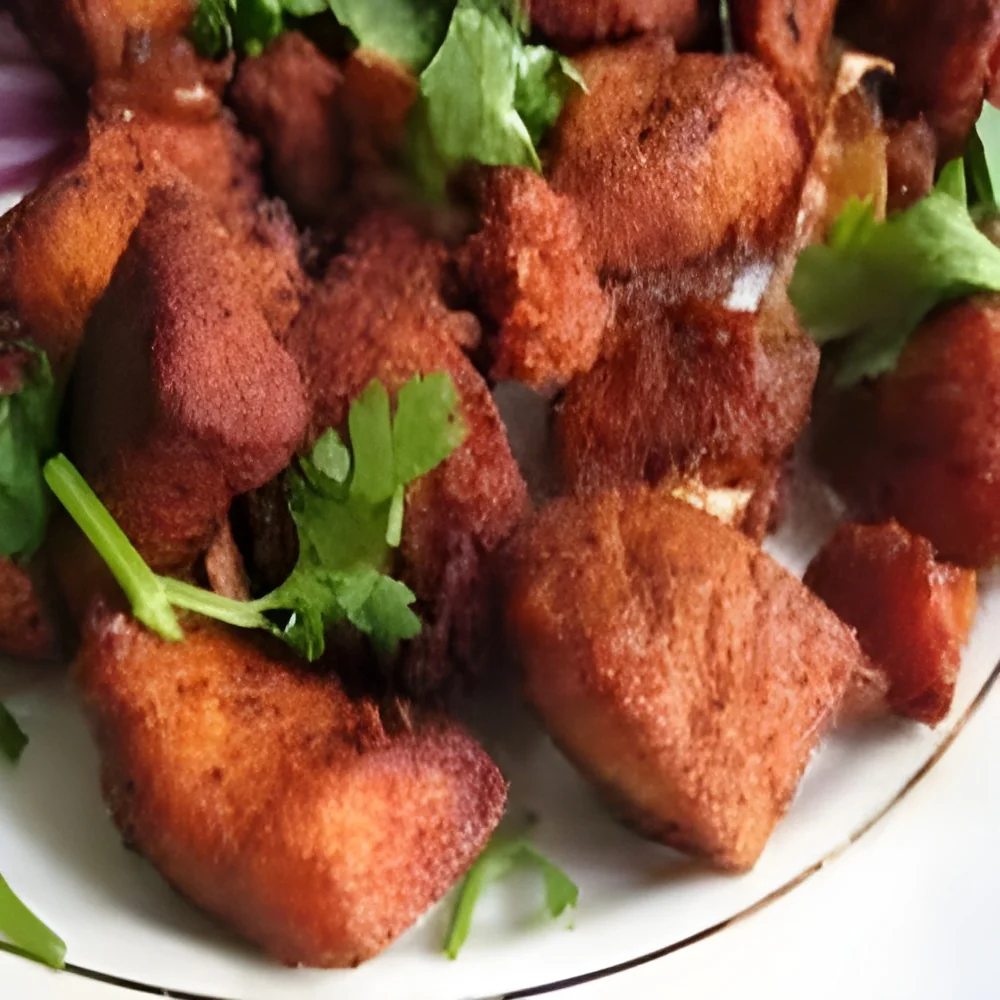
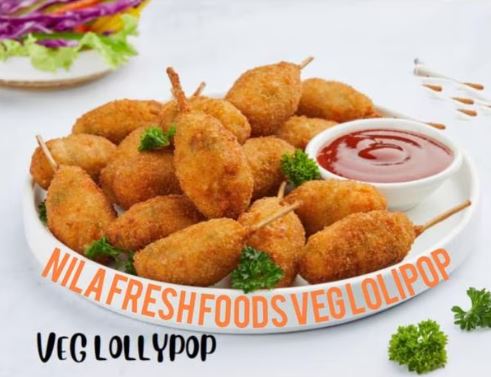
What are Frozen Cutlets, Kebabs & Tikkis?
Frozen cutlets, kebabs, and tikkis are convenient, ready-to-cook food products that cater to the growing demand for quick meal solutions in both commercial and industrial settings. These items are usually made from a variety of ingredients, including vegetables, meats, and spices, which are blended, shaped, and then frozen to preserve freshness and flavor. The freezing process allows for extended shelf life, making these products ideal for restaurants, caterers, and food service providers.
These products are primarily used in the food service industry, where speed and efficiency are crucial. They can be easily cooked from frozen, making them an excellent option for busy kitchens that require quick meal preparation without compromising on quality. Frozen cutlets, kebabs, and tikkis are versatile and can be served as appetizers, main courses, or snacks, fitting a variety of culinary styles and dietary preferences.
In today's market, the relevance of frozen cutlets, kebabs, and tikkis is rising due to the increasing consumer preference for convenience foods. With the growth of the fast-food sector and the expanding reach of food delivery services, these products are gaining traction among food businesses looking to streamline their operations while meeting customer demands for flavorful and diverse meal options.
Key Features and Specifications
Frozen cutlets, kebabs, and tikkis boast a range of features that cater to the needs of various businesses in the food industry. These specifications highlight their quality, versatility, and ease of use.
Key specifications include:
1. Product Composition
- Made from high-quality ingredients including vegetables, meats, and spices
- Often available in vegetarian and non-vegetarian varieties
2. Freezing Technology
- Quick freezing process to lock in freshness and flavor
- Maintains texture and nutritional value over time
3. Packaging
- Vacuum-sealed packaging for optimal freshness
- Available in bulk packaging for food service operations
4. Shelf Life
- Extended shelf life, typically ranging from 6 to 12 months
- Requires proper storage conditions to ensure quality
5. Cooking Methods
- Suitable for frying, baking, or grilling
- Ready-to-cook from frozen without thawing
6. Allergen Information
- Clearly labeled for common allergens
- Options available for gluten-free and vegan diets
7. Nutritional Information
- Detailed nutritional profiles available for each product
- Provides calorie counts, fat content, and protein levels
8. Certifications
- Compliant with food safety standards, including CE certification
- Adheres to quality management systems like ISO 9001
In summary, frozen cutlets, kebabs, and tikkis offer businesses a convenient and versatile food solution with a variety of specifications that cater to different culinary needs.
Common Applications and Use Cases
Frozen cutlets, kebabs, and tikkis serve a multitude of industries, each utilizing these products to enhance their menus and streamline food preparation.
1. Food Service Industry: Restaurants and cafés use these products to quickly prepare appetizers and main courses, allowing for a diverse menu with minimal labor costs.
2. Catering Services: Caterers often rely on frozen cutlets and kebabs for events, as they can be easily cooked in bulk and served at large gatherings.
3. Fast Food Chains: These products are a staple in fast food outlets, where speed of service is paramount and customers demand flavorful, ready-to-eat options.
4. Institutional Catering: Schools and hospitals utilize frozen tikkis and cutlets to provide nutritious meal options that are easy to prepare and serve.
5. Retail Grocery Stores: Supermarkets offer these frozen items to meet consumer demand for quick meal solutions at home, making them popular among busy families.
6. Food Trucks: Mobile food vendors benefit from the quick cooking time of these products, allowing them to serve customers efficiently.
7. Online Meal Delivery Services: These businesses utilize frozen cutlets and kebabs to offer ready-to-cook meal kits that cater to consumers seeking convenience.
Product Variants and Subcategories
Frozen cutlets, kebabs, and tikkis come in various forms to cater to different consumer preferences and culinary needs.
Vegetable Cutlets: These cutlets are made from a mix of vegetables and spices, appealing to vegetarian consumers. They are often served as snacks or appetizers.
Chicken Kebabs: Made from marinated chicken pieces, these kebabs are flavorful and juicy, making them popular for grilling and outdoor barbecues.
Paneer Tikkis: Featuring paneer (Indian cottage cheese) as the main ingredient, these tikkis are a favorite among vegetarians and are often served with chutneys.
Fish Kebabs: These offer a seafood option for consumers, incorporating fish fillets marinated in spices, suitable for grilling or frying.
Mutton Seekh Kebabs: Made from minced mutton and spices, these kebabs are a delicacy in many cuisines and are traditionally served with naan or rice.
Benefits and Advantages
Frozen cutlets, kebabs, and tikkis provide numerous benefits that make them an attractive option for businesses in the food industry.
1. Convenience: These products are quick to prepare, saving time and labor in busy kitchens.
2. Versatility: They can be used in various dishes, from appetizers to main courses, and can be cooked using multiple methods.
3. Consistency: The freezing process ensures a uniform taste and texture, maintaining quality across batches.
4. Reduced Waste: With a long shelf life, these products help reduce food waste and inventory costs.
5. Menu Diversity: Offering these items allows businesses to expand their menus and cater to different dietary preferences.
6. Cost-Effectiveness: Frozen products are often more economical than fresh ingredients, leading to better profit margins.
Buying Guide for B2B Buyers
When sourcing frozen cutlets, kebabs, and tikkis, buyers should consider several key factors to ensure they select the best products for their business needs.
1. Quality Assessment: Evaluate the quality of ingredients used and look for products that adhere to food safety standards. Request samples to assess taste and texture before making bulk purchases.
2. Supplier Verification: Vet potential suppliers by checking their certifications, customer reviews, and reliability in delivering quality products. It is important to choose suppliers with a proven track record.
3. Pricing and MOQ: Understand the pricing structure and minimum order quantities (MOQ) to ensure that the products fit within your budget and inventory needs. Compare pricing across different suppliers to find the best deal.
4. Delivery and Lead Times: Inquire about delivery schedules and lead times to ensure that the products can be delivered in a timely manner, especially during peak seasons.
5. Compliance Requirements: Ensure that the products meet regional compliance standards and certifications, such as CE certification, to avoid any regulatory issues.
Compliance and Certifications
Frozen cutlets, kebabs, and tikkis must adhere to various quality and safety standards to ensure they are safe for consumption and meet industry requirements.
Relevant quality standards include ISO 9001, which focuses on quality management systems, and HACCP (Hazard Analysis Critical Control Points), which ensures food safety throughout production. Compliance with GDP (Good Distribution Practice) is also crucial for maintaining product integrity during storage and transport.
Industry certifications, such as CE certification, indicate that the products meet European safety and health requirements. It is essential for businesses to verify these certifications when sourcing products to ensure compliance with local regulations.
Safety and testing requirements must also be adhered to, including microbiological testing and allergen management to protect consumers. Regional compliance considerations may vary, so it is important for businesses to stay informed about local laws and regulations regarding frozen food products.
Why Source Frozen Cutlets, Kebabs & Tikkis from Pepagora?
Pepagora provides an efficient platform for sourcing frozen cutlets, kebabs, and tikkis, offering several key advantages that benefit B2B buyers.
Verified Supplier Network: Pepagora connects buyers with a network of verified suppliers, ensuring that all products meet high-quality standards. This helps businesses find reliable sources for their frozen food needs.
Streamlined RFQ Process: The Request for Quotation (RFQ) process on Pepagora simplifies the sourcing experience, allowing buyers to receive competitive quotes from multiple suppliers quickly. This facilitates informed decision-making.
Trade Assurance and Support: Buyers benefit from trade assurance programs that protect their purchases and provide support throughout the buying process. This added layer of security fosters trust between buyers and suppliers.
Regional Coverage: Pepagora has a strong geographic reach, serving markets in India, the GCC, and Southeast Asia. This expansive network allows businesses to access a wide range of suppliers and products to meet their specific needs.

 IN
IN