
 IN
Food Testing & Quality Control Services
60 products available
𝗪𝗵𝗮𝘁 𝗮𝗿𝗲 𝗙𝗼𝗼𝗱 𝗧𝗲𝘀𝘁𝗶𝗻𝗴 & 𝗤𝘂𝗮𝗹𝗶𝘁𝘆 𝗖𝗼𝗻𝘁𝗿𝗼𝗹 𝗦𝗲𝗿𝘃𝗶𝗰𝗲𝘀?
Food Testing and Quality Control Services refer to systematic processes designed to ensure that food products meet safety, quality, and compliance standards. These services encompass a variety of testing methods to evaluate the physical, chemical, and microbiological properties of food items. The primary goal is to identify potential contaminants, assess nutritional content, and verify that products adhere to regulatory guidelines.
These services find application across multiple sectors, including food manufacturing, distribution, and retail. Businesses utilize food testing to ensure the safety of their products, enhance quality control measures, and maintain consumer trust. Additionally, these services aid in meeting the legal requirements set by health authorities and food safety regulations. In today's global marketplace, adherence to strict quality standards is paramount for maintaining competitive advantage and safeguarding public health.
The relevance of food testing and quality control services continues to grow due to increasing consumer awareness and regulatory scrutiny. As the food industry evolves, businesses are compelled to prioritize quality assurance, making these services critical for operational sustainability and market reputation.
𝗞𝗲𝘆 𝗙𝗲𝗮𝘁𝘂𝗿𝗲𝘀 𝗮𝗻𝗱 𝗦𝗽𝗲𝗰𝗶𝗳𝗶𝗰𝗮𝘁𝗶𝗼𝗻𝘀
Food Testing and Quality Control Services come equipped with various features that cater to the unique needs of the food industry. These services are designed to provide accurate results and ensure compliance with industry standards.
Key specifications include:
1. Comprehensive Testing Methods
- Includes microbiological, chemical, and physical testing
- Ensures a thorough analysis of food safety and quality
2. Regulatory Compliance
- Adheres to international standards such as ISO and HACCP
- Ensures products meet local and global safety regulations
3. Advanced Analytical Techniques
- Utilizes state-of-the-art equipment for precise measurements
- Supports rapid testing for timely decision-making
4. Traceability and Reporting
- Provides detailed reports for transparency
- Enables tracking of product quality throughout the supply chain
5. Customized Testing Solutions
- Offers tailored services based on specific client needs
- Addresses particular industry challenges and requirements
6. Continuous Monitoring
- Implements ongoing quality checks during production
- Ensures consistent adherence to safety standards
7. Expertise and Support
- Backed by trained professionals in food science and safety
- Provides consultation and guidance for quality improvement
8. Fast Turnaround Times
- Ensures quick delivery of test results
- Supports efficient production and distribution processes
These specifications enable businesses to maintain high-quality standards, ensuring that products are safe for consumption.
𝗖𝗼𝗺𝗺𝗼𝗻 𝗔𝗽𝗽𝗹𝗶𝗰𝗮𝘁𝗶𝗼𝗻𝘀 𝗮𝗻𝗱 𝗨𝘀𝗲 𝗖𝗮𝘀𝗲𝘀
Food Testing and Quality Control Services are integral to various industries that handle food products. These services support businesses in maintaining quality and safety standards.
1. Food Manufacturing: In the food manufacturing sector, these services ensure products are free from contaminants and meet nutritional labeling requirements.
2. Food Retail: Retailers utilize testing services to verify the quality of products before they reach consumers, enhancing brand reputation and consumer trust.
3. Beverage Industry: Quality control is critical in the beverage industry, where testing ensures that drinks meet safety and flavor standards.
4. Food Distribution: Distributors rely on testing services to confirm that products are stored and transported under safe conditions to prevent spoilage.
5. Agriculture: Testing services assist agricultural producers in verifying the safety of raw materials and assessing the impact of pesticides and other treatments.
6. Catering Services: Catering companies use these services to ensure food safety standards are upheld during preparation and service.
7. Export and Import: Businesses involved in international trade require testing to comply with the food safety regulations of importing countries.
𝗣𝗿𝗼𝗱𝘂𝗰𝘁 𝗩𝗮𝗿𝗶𝗮𝗻𝘁𝘀 𝗮𝗻𝗱 𝗦𝘂𝗯𝗰𝗮𝘁𝗲𝗴𝗼𝗿𝗶𝗲𝘀
Food Testing and Quality Control Services encompass a diverse range of offerings tailored to meet specific industry needs. This diversity allows businesses to select the most suitable services for their operations.
Microbiological Testing
This variant focuses on detecting harmful microorganisms in food samples. It is crucial for ensuring food safety and preventing foodborne illnesses.
Chemical Analysis
This service involves the assessment of chemical substances in food products, including additives, contaminants, and nutritional components, to ensure compliance with safety standards.
Nutritional Testing
Nutritional testing evaluates the composition of food products, providing insights into their vitamin, mineral, and macronutrient content for accurate labeling.
Shelf Life Studies
Shelf life studies determine the duration a product remains safe and retains its quality under specific storage conditions, informing manufacturers about product longevity.
𝗕𝗲𝗻𝗲𝗳𝗶𝘁𝘀 𝗮𝗻𝗱 𝗔𝗱𝘃𝗮𝗻𝘁𝗮𝗴𝗲𝘀
Food Testing and Quality Control Services offer numerous advantages that are essential for maintaining product quality and safety.
Key benefits include:
1. Enhanced Safety: These services help identify and mitigate potential health risks associated with food products, ensuring consumer safety.
2. Improved Quality Assurance: Regular testing contributes to consistent product quality, which is vital for customer satisfaction and brand loyalty.
3. Regulatory Compliance: Businesses can easily comply with local and international food safety regulations, reducing the risk of legal issues.
4. Risk Management: By identifying hazards early, businesses can implement corrective actions to prevent costly recalls and reputational damage.
5. Market Competitiveness: High-quality products attract consumers and drive sales, giving businesses a competitive edge in the market.
6. Consumer Trust: Transparent testing processes enhance consumer confidence in food safety and quality, fostering brand loyalty.
𝗕𝘂𝘆𝗶𝗻𝗴 𝗚𝘂𝗶𝗱𝗲 𝗳𝗼𝗿 𝗕𝟮𝗕 𝗕𝘂𝘆𝗲𝗿𝘀
When sourcing Food Testing and Quality Control Services, it is essential to consider several critical factors to ensure you select the right provider.
1. Quality Assessment: Look for service providers that adhere to recognized quality standards. Verify their testing methods and equipment to ensure accuracy and reliability.
2. Supplier Verification: Conduct thorough vetting of potential suppliers. Check their credentials, industry experience, and customer feedback to ensure they are reputable.
3. Pricing and MOQ: Understand the pricing structure and minimum order quantities. Compare different suppliers to find the best value without compromising quality.
4. Delivery and Lead Times: Inquire about logistics and turnaround times for test results. Timely delivery is crucial for maintaining production schedules.
5. Compliance Requirements: Ensure that the service provider is knowledgeable about relevant regulations and certifications in your industry to guarantee compliance.
𝗖𝗼𝗺𝗽𝗹𝗶𝗮𝗻𝗰𝗲 𝗮𝗻𝗱 𝗖𝗲𝗿𝘁𝗶𝗳𝗶𝗰𝗮𝘁𝗶𝗼𝗻𝘀
Compliance and certifications are vital elements of Food Testing and Quality Control Services. They ensure that testing processes meet established safety and quality standards.
Relevant quality standards include ISO 9001, which focuses on quality management systems, and HACCP (Hazard Analysis Critical Control Point), a preventive approach to food safety. These frameworks help ensure that food products are safe for consumption.
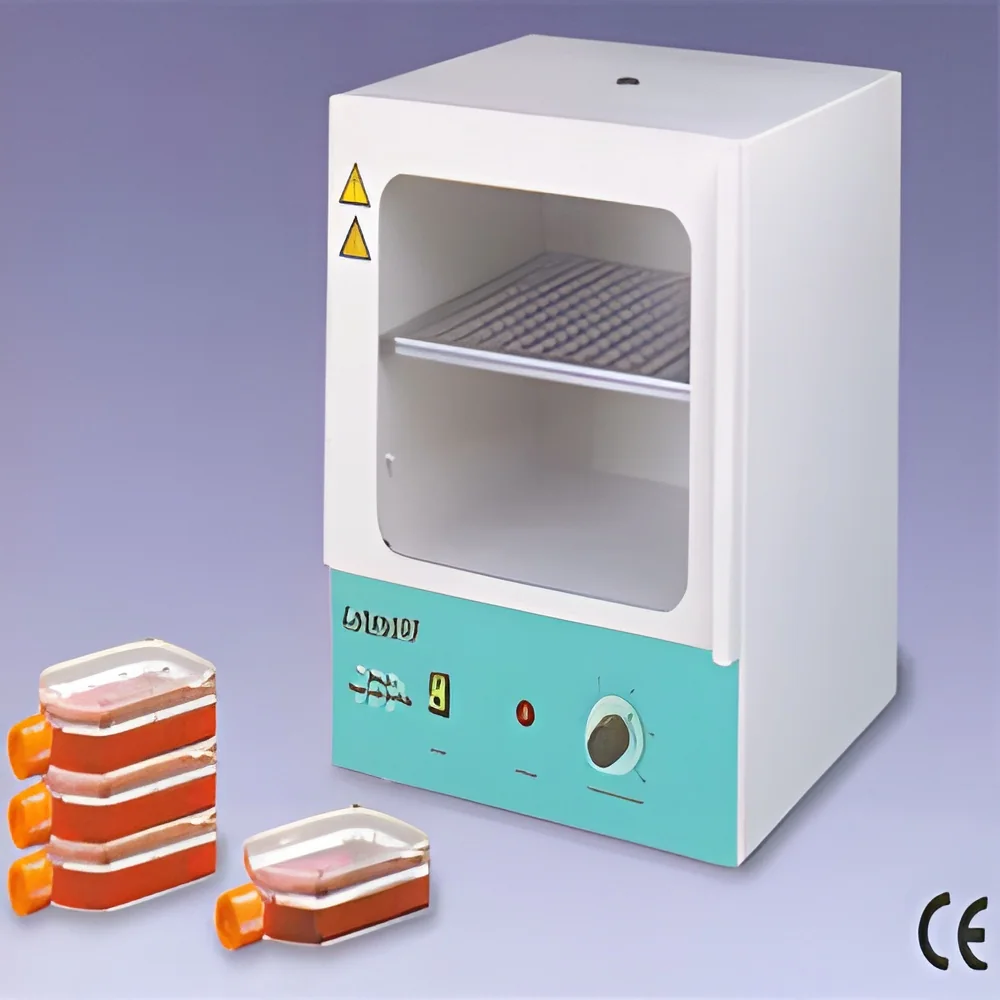
Certifications such as CE indicate that products meet the essential health and safety requirements set by the European Union. Compliance with these certifications is crucial for businesses looking to operate internationally and maintain consumer trust.
Additionally, safety and testing requirements vary by region, necessitating an understanding of local regulations. Businesses must stay updated on compliance guidelines to avoid legal complications and ensure product integrity.
𝗪𝗵𝘆 𝗦𝗼𝘂𝗿𝗰𝗲 𝗙𝗼𝗼𝗱 𝗧𝗲𝘀𝘁𝗶𝗻𝗴 & 𝗤𝘂𝗮𝗹𝗶𝘁𝘆 𝗖𝗼𝗻𝘁𝗿𝗼𝗹 𝗦𝗲𝗿𝘃𝗶𝗰𝗲𝘀 𝗳𝗿𝗼𝗺 𝗣𝗲𝗽𝗮𝗴𝗼𝗿𝗮?
Pepagora provides a trusted platform for sourcing Food Testing and Quality Control Services with several key advantages that set it apart from competitors.
Verified Supplier Network: Pepagora boasts a robust network of verified suppliers, ensuring that businesses have access to reliable and experienced service providers. This verification process enhances confidence in the quality of services offered.
Streamlined RFQ Process: The Request for Quotation (RFQ) process is designed to be efficient and user-friendly. This system allows buyers to receive multiple quotations quickly, facilitating informed decision-making.
Trade Assurance and Support: Pepagora offers trade assurance and support, providing buyers with protection during transactions. This commitment to buyer security fosters a trustworthy environment for sourcing services.
Regional Coverage: With a broad geographic reach, including India, the GCC, and Southeast Asia, Pepagora connects businesses with local and regional suppliers. This regional focus ensures compliance with local regulations and enhances logistical efficiency.
By choosing Pepagora for Food Testing and Quality Control Services, businesses can ensure that they are partnering with a platform that prioritizes quality, efficiency, and reliability.
















Frequently Asked Questions
What are Food Testing & Quality Control Services?
Food Testing & Quality Control Services encompass a range of processes and procedures used to ensure the safety, quality, and compliance of food products. These services involve testing for contaminants, nutritional content, and adherence to regulatory standards, helping manufacturers meet safety and quality benchmarks.
What are the different types of Food Testing & Quality Control Services?
Different types of Food Testing & Quality Control Services include microbiological testing, chemical analysis, nutritional labeling, sensory evaluation, and allergen testing. Each type addresses specific aspects of food safety and quality, ensuring comprehensive evaluation of food products.
How do I choose the right Food Testing & Quality Control Services?
To choose the right Food Testing & Quality Control Services, consider factors such as the specific tests required, the laboratory's accreditation, and their experience in your food category. Additionally, evaluate the turnaround time for results and the laboratory's reputation in the industry.
What are the standard specifications for Food Testing & Quality Control Services?
Standard specifications for Food Testing & Quality Control Services typically include compliance with ISO/IEC 17025 for testing and calibration laboratories. Other relevant standards may involve FDA, FSSAI, or local regulations that dictate the necessary testing protocols and methodologies.
What is the price range for Food Testing & Quality Control Services?
The price range for Food Testing & Quality Control Services varies based on the type of testing required, the complexity of the analysis, and the laboratory's pricing structure. Generally, costs can range from a few thousand to several tens of thousands of Indian Rupees, depending on the services offered.
What quality standards apply to Food Testing & Quality Control Services?
Quality standards for Food Testing & Quality Control Services include adherence to international standards such as ISO 9001 for quality management and HACCP for food safety. Compliance with local food safety regulations, such as those set by FSSAI in India, is also essential.
Where can I find Food Testing & Quality Control Services suppliers in India?
You can find Food Testing & Quality Control Services suppliers in India through online B2B marketplaces like Pepagora.com, industry directories, and trade shows. Networking with industry professionals and consulting local food safety authorities can also provide valuable leads.
Can Food Testing & Quality Control Services be customized?
Yes, Food Testing & Quality Control Services can often be customized to meet the specific needs of a business. Customization may include tailored testing panels, specialized reports, and specific turnaround times based on the client's requirements.
What is the typical minimum order quantity for Food Testing & Quality Control Services?
The typical minimum order quantity for Food Testing & Quality Control Services can vary depending on the service provider and the type of testing involved. Generally, there may be a minimum charge for certain tests, which can correspond to one sample or a batch of samples.
What is the typical lead time for Food Testing & Quality Control Services?
The typical lead time for Food Testing & Quality Control Services can range from a few days to several weeks, depending on the complexity of the tests and the laboratory's workload. It is advisable to confirm the expected turnaround time with the service provider during the ordering process.
Why Businesses Trust Pepagora
Thousands of companies trust Pepagora to source smarter and sell faster
Expand Your Sales Globally

Source Smarter,Grow Faster
