
 IN
Refractometers & Viscometers
8 products available
What are Refractometers & Viscometers?
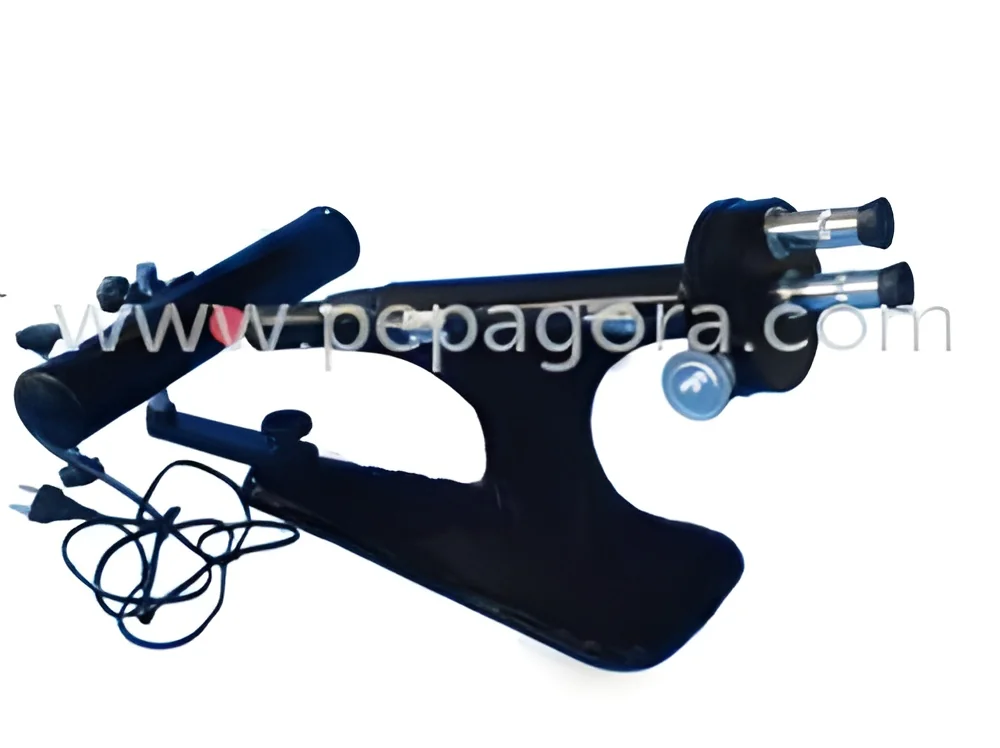
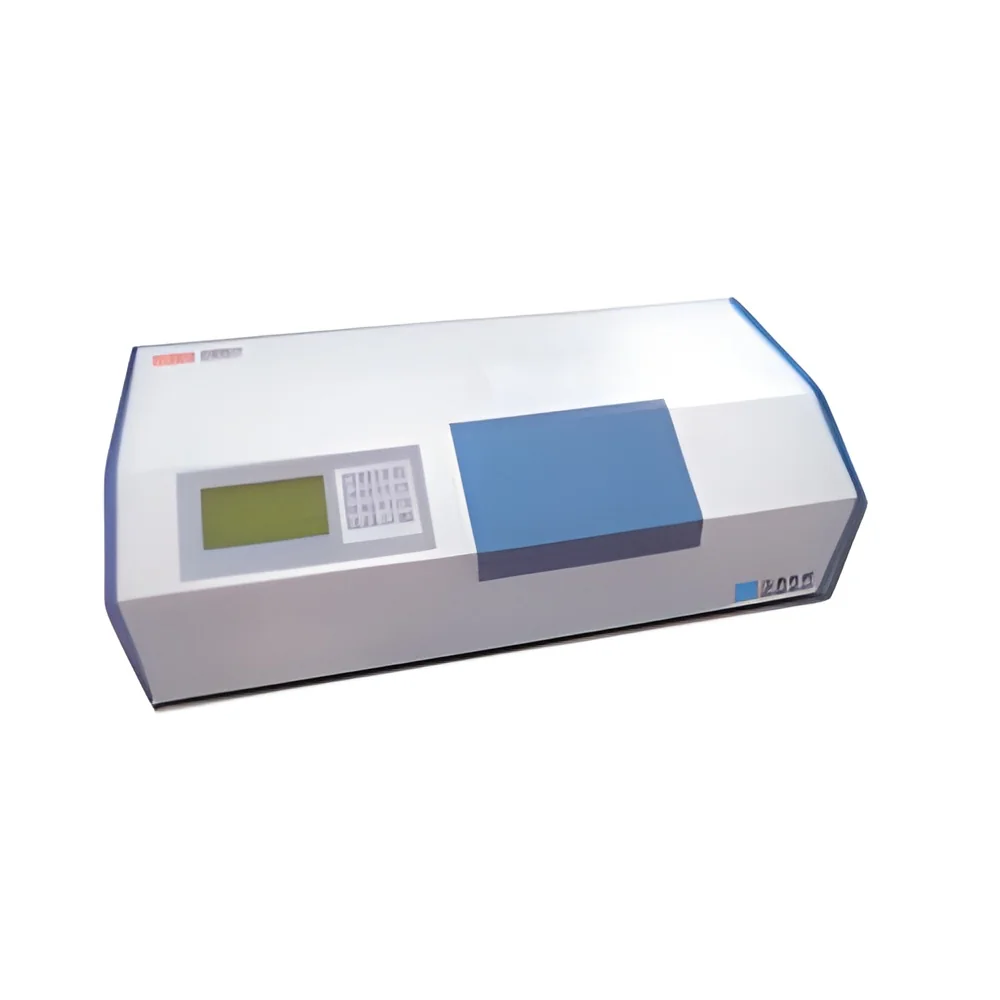
Refractometers and viscometers are precision instruments used to measure the properties of liquids. A refractometer measures the refractive index of a solution, which changes based on the solute concentration. This allows users to determine properties such as sugar content in beverages or salt concentration in brines. Viscometers, on the other hand, measure the viscosity of a liquid, indicating its resistance to flow. This measurement is critical for understanding how a liquid will behave in various industrial processes.
These instruments are widely applied across multiple industries, including food and beverage, pharmaceuticals, and chemical manufacturing. In the food sector, refractometers are essential for quality control, ensuring products meet specific concentration standards. Viscometers are invaluable in the pharmaceutical industry for ensuring proper formulations and consistency in liquid medications. As industries increasingly demand precise measurements for quality assurance, the relevance of refractometers and viscometers continues to grow, reflecting the need for accurate and reliable testing equipment.
Key Features and Specifications
Refractometers and viscometers come with a range of features and specifications that cater to diverse industrial needs. Understanding these specifications is essential for selecting the right instrument.
Key specifications include:
1. Measurement Range
- Refractometers typically measure from 1.0 to 1.8 refractive index.
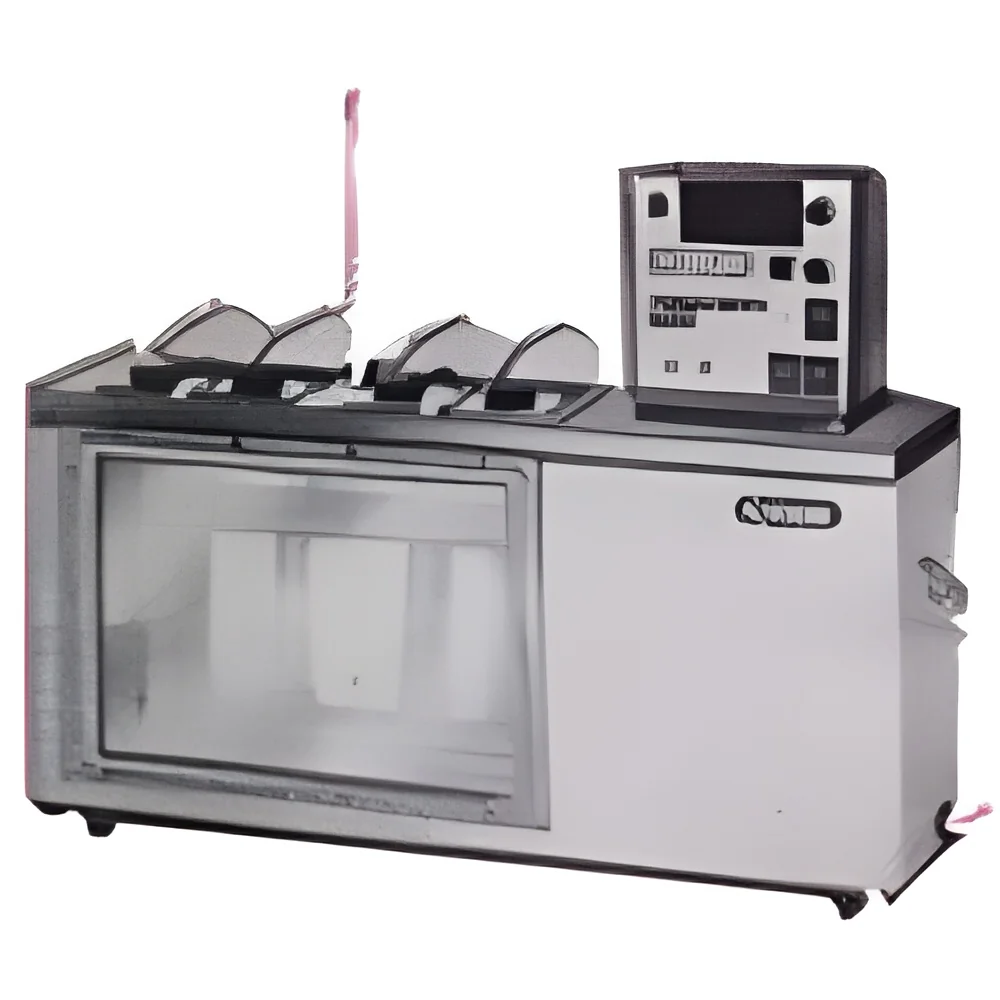
- Viscometers can measure dynamic viscosity from 1 to 100,000 mPas.
2. Temperature Control
- Many instruments operate within a temperature range of 0 to 100 degrees Celsius.
- Some models feature automatic temperature compensation for accuracy.
3. Resolution
- Refractometers offer resolutions of 0.001 refractive index units.
- Viscometers can provide viscosity readings with a resolution of 0.1 mPas.
4. Calibration
- Instruments often come with factory calibration, and some allow for user calibration.
- Regular calibration is necessary to maintain accuracy.
5. Portability
- Handheld models are available for field testing.
- Bench-top models provide enhanced stability and measurement accuracy.
6. Digital Display
- Many models feature LCD displays for easy reading of results.
- Some devices offer connectivity options for data logging and analysis.
7. Sample Size
- Refractometers may require only a few drops of liquid.
- Viscometers can vary, with some requiring larger volumes for accurate readings.
8. Compliance Standards
- Many instruments meet industry standards such as CE certification.
- Compliance with regional regulations is critical for specific applications.
These specifications ensure that users select the most effective instrument for their specific needs, enhancing productivity and accuracy.
Common Applications and Use Cases
Refractometers and viscometers serve a variety of industries with distinct applications.
1. Food and Beverage: Refractometers play a crucial role in measuring sugar content in juices and syrups, ensuring quality and compliance with industry standards. Viscometers are used to analyze the viscosity of sauces and dressings, which affects texture and stability.
2. Pharmaceutical: In the pharmaceutical industry, refractometers are used to verify the concentration of solutions, which is critical for drug formulation. Viscometers ensure the proper viscosity of creams and liquids, impacting the delivery and effectiveness of medications.
3. Chemical Manufacturing: Refractometers help in monitoring the concentration of chemical solutions, aiding in quality control. Viscometers are essential for understanding the flow characteristics of paints and coatings, influencing application techniques.
4. Agriculture: Refractometers measure sugar levels in fruits and vegetables, providing growers with information on product ripeness and quality. Viscometers assess the viscosity of fertilizers and pesticides, ensuring proper application.
5. Oil and Gas: In this sector, refractometers measure the concentration of various liquids, including drilling fluids. Viscometers analyze the viscosity of oils, which is vital for transportation and processing.
6. Environmental Testing: Refractometers can be used in water quality testing to determine salinity levels. Viscometers assess the viscosity of wastewater, which is crucial for treatment processes.
7. Textile Industry: Refractometers measure dye concentrations in textile processing, ensuring color consistency. Viscometers evaluate the viscosity of finishing agents, impacting the quality of the final product.
Product Variants and Subcategories
Refractometers and viscometers come in various models and designs, catering to specific applications and user needs.
Digital Refractometers
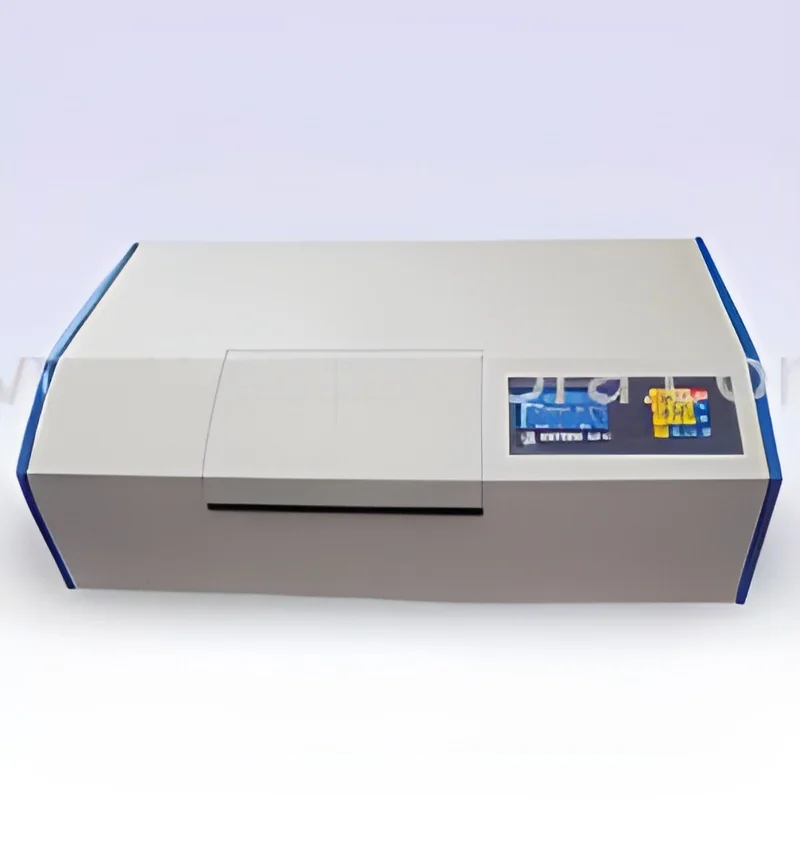
These instruments provide electronic readings and often feature data logging capabilities. They are user-friendly and suitable for laboratory and field use.
Handheld Refractometers
Compact and portable, these are ideal for quick field measurements. They are commonly used in agriculture and food inspections, offering ease of use without compromising accuracy.
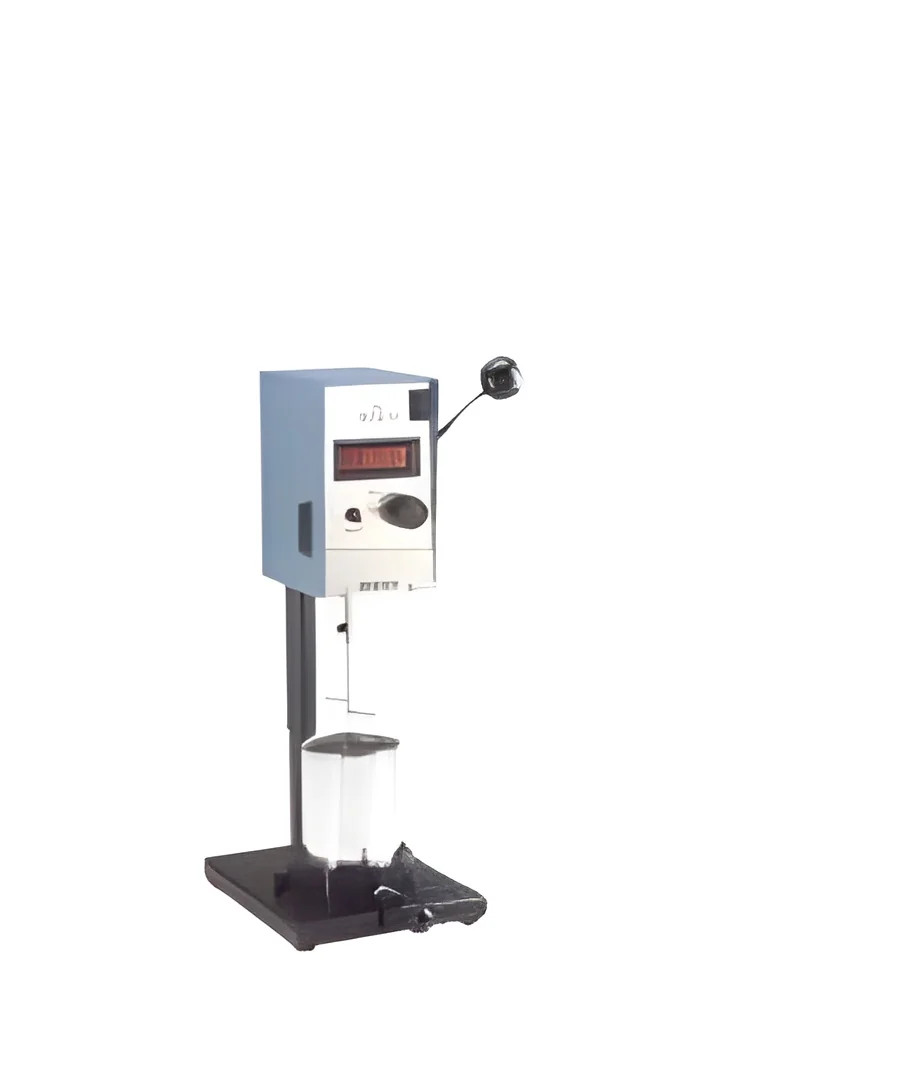
Laboratory Viscometers
Designed for precise measurements, these models are essential in research and quality control environments. They typically offer advanced features such as temperature control and user calibration.
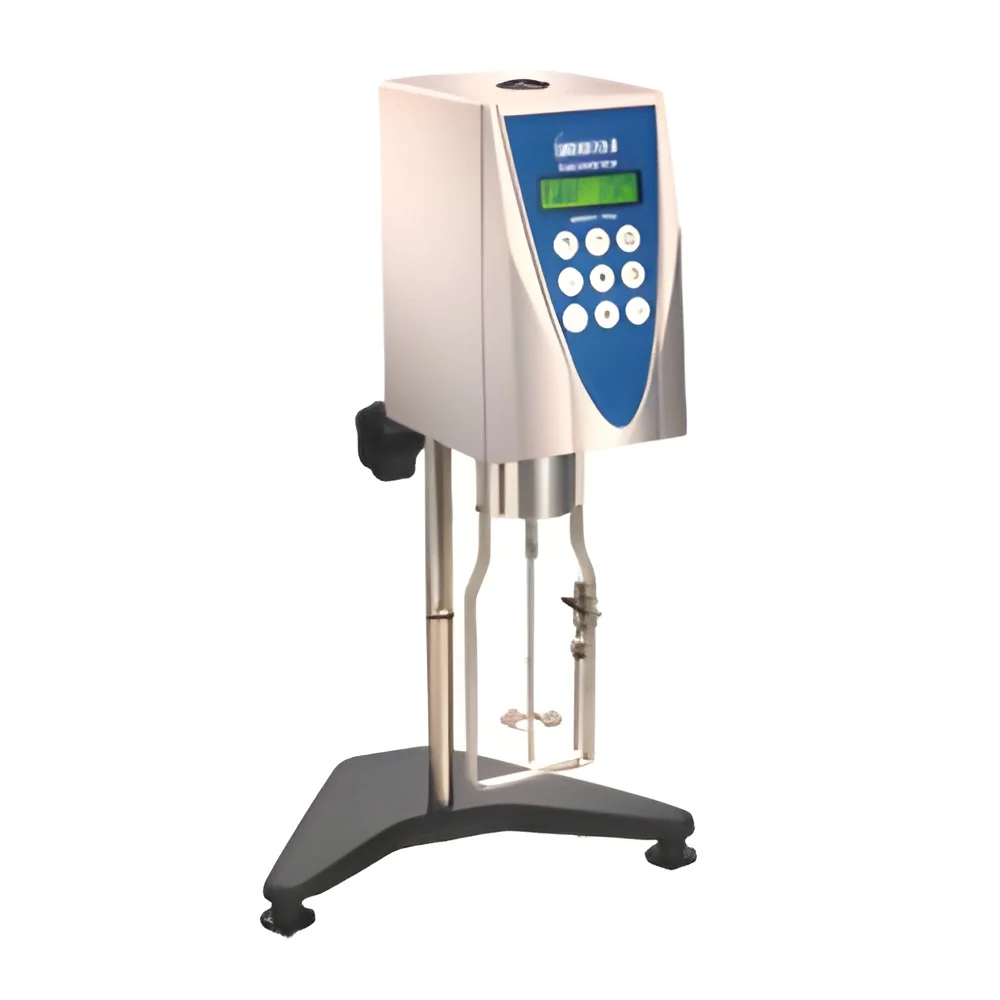
Rotational Viscometers
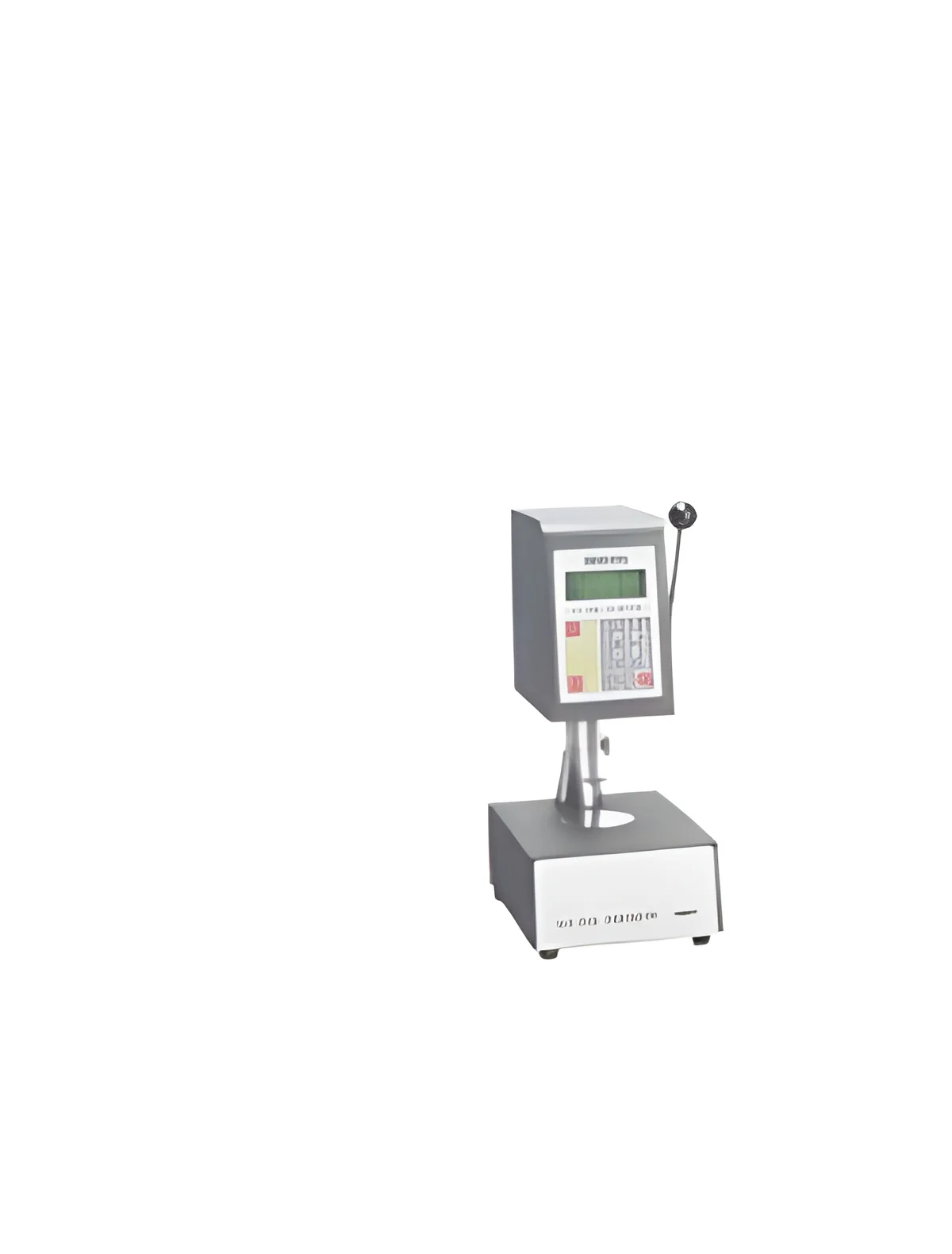
These instruments measure viscosity by rotating a spindle in the liquid. They are widely used in industries like cosmetics and pharmaceuticals for their accuracy and versatility.
Benefits and Advantages
Refractometers and viscometers offer numerous advantages to businesses across various sectors.
Key benefits include:
1. Accuracy: These instruments provide precise measurements, essential for quality control and compliance.
2. Versatility: They can be used in multiple industries, making them a valuable investment for diverse applications.
3. Efficiency: Quick measurement capabilities enhance workflow, saving time in production and testing processes.
4. Cost-effective: Accurate readings can reduce waste and improve product quality, leading to significant cost savings.
5. User-friendly: Many models are designed for easy operation, allowing quick training for staff.
6. Compliance support: Instruments often meet industry standards, assisting businesses in maintaining regulatory compliance.
Buying Guide for B2B Buyers
When sourcing refractometers and viscometers, several factors should be considered to ensure the selection of the right instruments.
1. Quality Assessment: Look for instruments that adhere to industry standards and have a reputation for reliability. Check for certifications indicating compliance with quality benchmarks.
2. Supplier Verification: Vet suppliers to ensure they offer high-quality products and reliable support. Research their track record and read reviews from other businesses.
3. Pricing and MOQ: Understand the price range for the instruments and consider minimum order quantities. Compare prices among suppliers to find the best value.
4. Delivery and Lead Times: Inquire about delivery options and lead times to ensure the instruments arrive when needed. This is crucial for maintaining production schedules.
5. Compliance Requirements: Be aware of any regulatory needs specific to your industry. Ensure that the instruments you choose meet these compliance standards.
Compliance and Certifications
Refractometers and viscometers must meet various compliance and certification standards to ensure reliability and safety.
Relevant quality standards such as ISO 9001 ensure that manufacturing processes meet rigorous quality management criteria. These standards help maintain consistency and reliability in product performance.
In addition, industry-specific certifications like CE signify that the instruments comply with European health, safety, and environmental protection standards. This certification is often essential for market acceptance.
Safety and testing requirements are critical, particularly in industries like pharmaceuticals and food production. Instruments should be tested for accuracy and reliability to ensure they meet operational demands.
Regional compliance considerations may also apply, depending on the market. It is essential for businesses to verify that their instruments adhere to local regulations to avoid potential legal issues.
Why Source Refractometers & Viscometers from Pepagora?
Pepagora offers a trusted platform for sourcing refractometers and viscometers, providing several key advantages to buyers.
Verified Supplier Network: Pepagora ensures that all suppliers are thoroughly vetted, providing buyers with peace of mind regarding the quality and reliability of products. This network includes manufacturers known for their high standards.
Streamlined RFQ Process: The request for quotation (RFQ) system is designed to simplify the purchasing process. Buyers can quickly submit their requirements and receive competitive quotes from multiple suppliers, making it easier to find the best deal.
Trade Assurance and Support: Pepagora provides buyer protection, ensuring that transactions are secure. This support is crucial for building trust between buyers and suppliers while facilitating smooth transactions.
Regional Coverage: With a strong presence in regions such as India, GCC, and Southeast Asia, Pepagora offers extensive geographic reach. This allows buyers to source products locally, reducing shipping times and costs while supporting regional manufacturers.

Frequently Asked Questions
What are Refractometers & Viscometers?
Refractometers are optical instruments used to measure the refractive index of liquids or solids, providing insights into their concentration and purity. Viscometers, on the other hand, measure the viscosity of fluids, which is essential for understanding their flow characteristics. Both instruments play a crucial role in various industries, including food, pharmaceuticals, and chemical manufacturing.
What are the different types of Refractometers & Viscometers?
Refractometers come in several types, including handheld, digital, and laboratory models, each suited for specific applications. Viscometers can be categorized into capillary, rotational, and falling ball types, depending on the method used to measure viscosity. Selecting the appropriate type depends on the specific needs of your application.
How do I choose the right Refractometers & Viscometers?
Choosing the right refractometer or viscometer involves considering factors such as the type of samples you will be testing, the required measurement range, and the level of accuracy needed. It's also essential to assess the ease of use and maintenance of the instrument. Consulting with suppliers about your specific requirements can help in making an informed decision.
What are the standard specifications for Refractometers & Viscometers?
Standard specifications for refractometers typically include measurement range, accuracy, and resolution, while viscometers may have specifications related to viscosity range, speed of measurement, and temperature control. Additionally, factors such as calibration methods and build quality are important to consider. Always refer to the manufacturer's specifications for detailed information.
What is the price range for Refractometers & Viscometers?
The price range for refractometers and viscometers can vary significantly based on their type, brand, and features. Basic handheld models may start from a few thousand rupees, while advanced laboratory-grade instruments can cost several lakhs. It is advisable to compare prices among different suppliers to find the best option for your budget.
What quality standards apply to Refractometers & Viscometers?
Refractometers and viscometers are often manufactured in accordance with international standards such as ISO and ASTM. These quality standards ensure the accuracy, reliability, and performance of the instruments. It is essential to verify that the products you are considering meet these standards to ensure consistent results.
Where can I find Refractometers & Viscometers suppliers in India?
You can find suppliers of refractometers and viscometers in India through various online B2B marketplaces, trade shows, and industry directories. Websites like Pepagora.com offer a comprehensive list of manufacturers and suppliers, making it easier to compare products and prices. Networking within industry-specific forums may also yield valuable supplier recommendations.
Can Refractometers & Viscometers be customized?
Yes, many manufacturers offer customization options for refractometers and viscometers to meet specific customer requirements. Customizations can include changes in measurement ranges, software features, or physical design elements to suit particular applications. It is advisable to discuss your needs with suppliers to explore available customization options.
What is the typical minimum order quantity for Refractometers & Viscometers?
The minimum order quantity (MOQ) for refractometers and viscometers can vary by supplier and product type. Generally, MOQs can range from a single unit for standard models to larger quantities for bulk orders. Checking with individual suppliers will provide clarity on their specific MOQ requirements.
What is the typical lead time for Refractometers & Viscometers?
The lead time for refractometers and viscometers typically ranges from a few days to several weeks, depending on the supplier, product availability, and whether customization is required. It is advisable to discuss lead times upfront when placing your order to ensure your needs are met in a timely manner.
Why Businesses Trust Pepagora
Thousands of companies trust Pepagora to source smarter and sell faster
Expand Your Sales Globally

Source Smarter,Grow Faster
