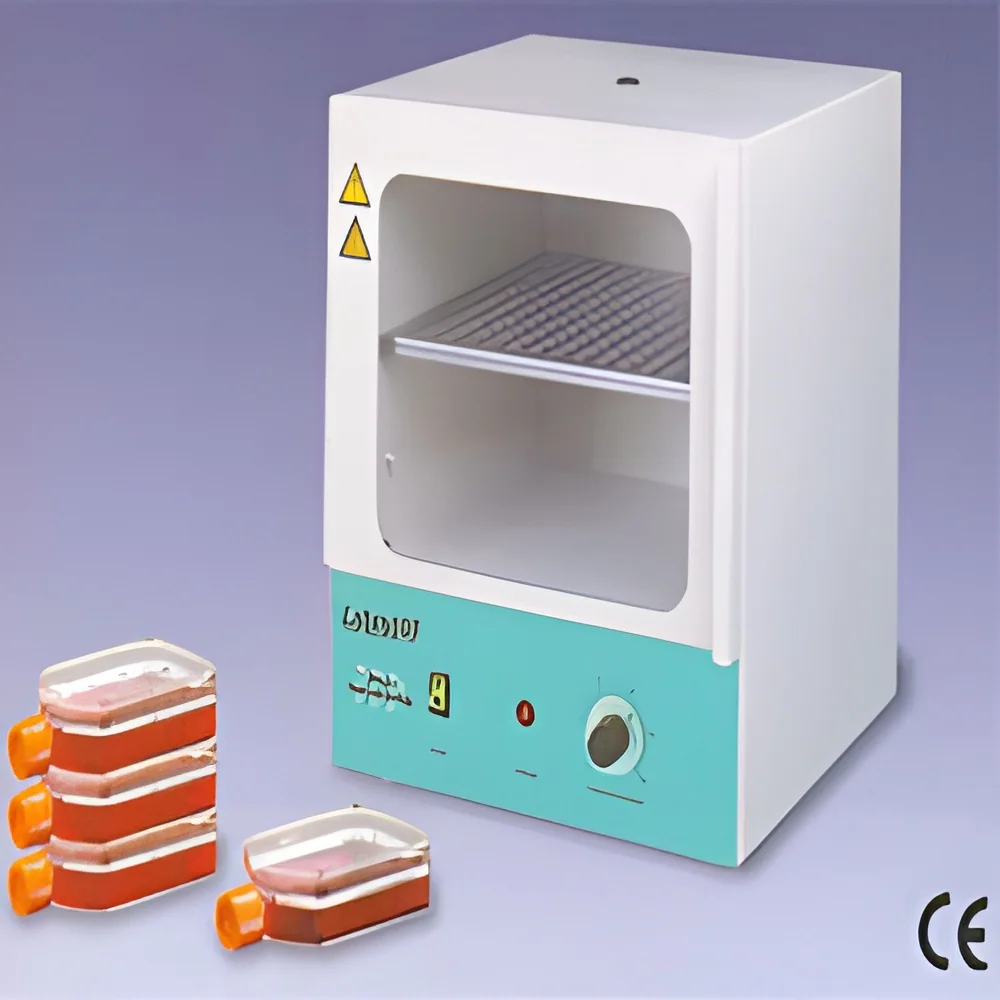
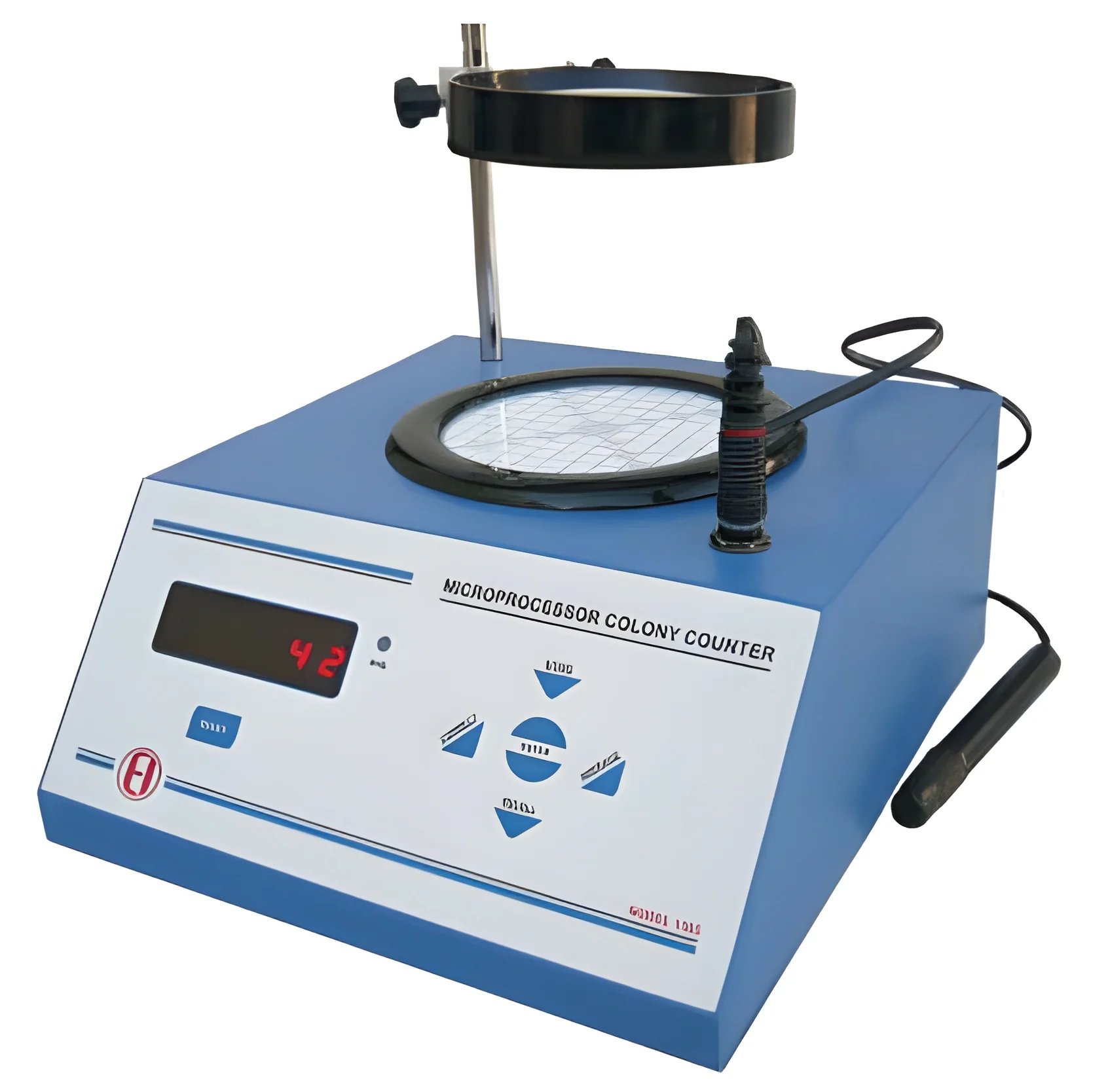
What are Microbiological Testing (Bacteria, Pathogens)?
Microbiological testing involves the analysis and identification of microorganisms, including bacteria and pathogens, present in various samples. This testing plays a crucial role in ensuring safety and compliance across industries. It helps in detecting harmful microorganisms that can cause diseases or contamination, thus safeguarding public health.
The primary uses of microbiological testing are found in food safety, pharmaceuticals, and environmental monitoring. In the food industry, it ensures that products are free from harmful bacteria before reaching consumers. In pharmaceuticals, it is vital for ensuring the sterility of products. Environmental monitoring focuses on detecting pathogens in water and soil to prevent outbreaks of diseases.
With increasing regulations and growing awareness of food safety, the demand for microbiological testing has risen significantly. Businesses must adhere to strict quality standards to maintain consumer trust and avoid potential liabilities. The global market for microbiological testing continues to expand, driven by technological advancements and increasing regulatory scrutiny across various sectors.
๐๐ฒ๐ ๐๐ฒ๐ฎ๐๐๐ฟ๐ฒ๐ ๐ฎ๐ป๐ฑ ๐ฆ๐ฝ๐ฒ๐ฐ๐ถ๐ณ๐ถ๐ฐ๐ฎ๐๐ถ๐ผ๐ป๐
Microbiological testing products are designed to meet stringent industry requirements and ensure accurate results. Understanding the key specifications is essential for selecting the right testing solutions.
Key specifications include:
1. Detection Methods
- Various methods such as culture-based, PCR, and rapid tests
- Sensitivity and specificity of detection
2. Sample Types
- Compatibility with food, water, and pharmaceutical samples
- Volume requirements for accurate testing
3. Turnaround Time
- Time required for results, typically ranging from hours to days
- Importance of rapid testing in critical applications
4. User Interface
- Ease of use and accessibility of testing equipment
- Software capabilities for data analysis and reporting
5. Validation Standards
- Compliance with ISO 17025 and other relevant standards
- Importance of validated methods for reliable results
6. Packaging and Storage
- Requirements for maintaining sample integrity during transport
- Temperature and humidity considerations for storage
In summary, understanding these specifications is vital for businesses to ensure they choose the right testing solutions that meet their operational needs while complying with health regulations.
๐๐ผ๐บ๐บ๐ผ๐ป ๐๐ฝ๐ฝ๐น๐ถ๐ฐ๐ฎ๐๐ถ๐ผ๐ป๐ ๐ฎ๐ป๐ฑ ๐จ๐๐ฒ ๐๐ฎ๐๐ฒ๐
Microbiological testing is essential across numerous industries, each with specific applications.
1. Food Industry: Microbiological testing is used to detect pathogens in food products, ensuring they are safe for consumption. Regular testing helps in compliance with food safety regulations.
2. Pharmaceutical Industry: Testing is critical for ensuring the sterility of drugs and medical devices. It prevents contamination that could affect patient safety.
3. Water Treatment: Microbiological testing monitors water quality for pathogens, ensuring safe drinking water and compliance with environmental regulations.
4. Healthcare: Hospitals use microbiological testing to identify infectious agents, guiding effective treatment and containment measures.
5. Agriculture: Testing helps in monitoring soil and crop health, ensuring that agricultural products are free from harmful microorganisms.
6. Cosmetics: Microbiological testing ensures that cosmetic products are safe for use and free from harmful bacteria.
7. Research Laboratories: Testing is used in various research applications to study bacteria and pathogens, contributing to scientific knowledge and public health.
๐ฃ๐ฟ๐ผ๐ฑ๐๐ฐ๐ ๐ฉ๐ฎ๐ฟ๐ถ๐ฎ๐ป๐๐ ๐ฎ๐ป๐ฑ ๐ฆ๐๐ฏ๐ฐ๐ฎ๐๐ฒ๐ด๐ผ๐ฟ๐ถ๐ฒ๐
Microbiological testing products come in a variety of forms to cater to different needs.
Rapid Testing Kits: These kits provide quick results, making them ideal for environments where time is critical, such as food processing plants. They are easy to use and offer high accuracy.
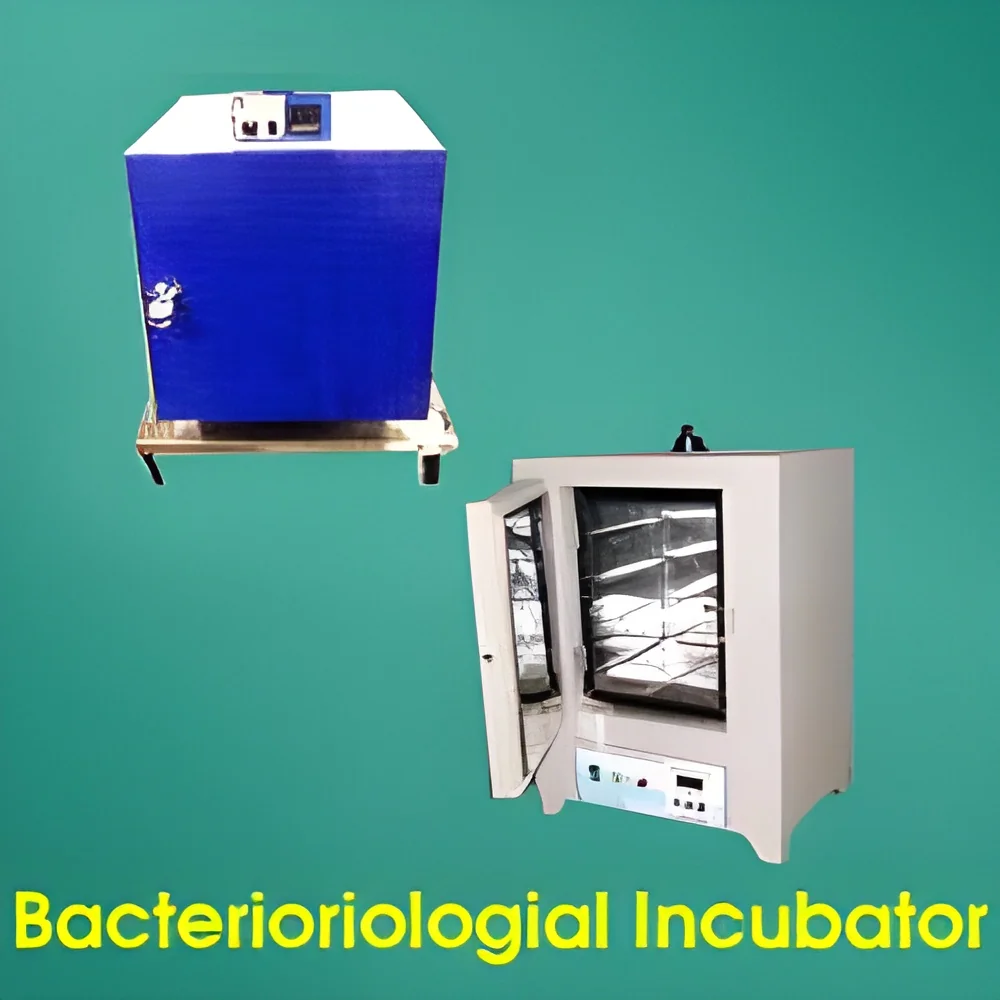
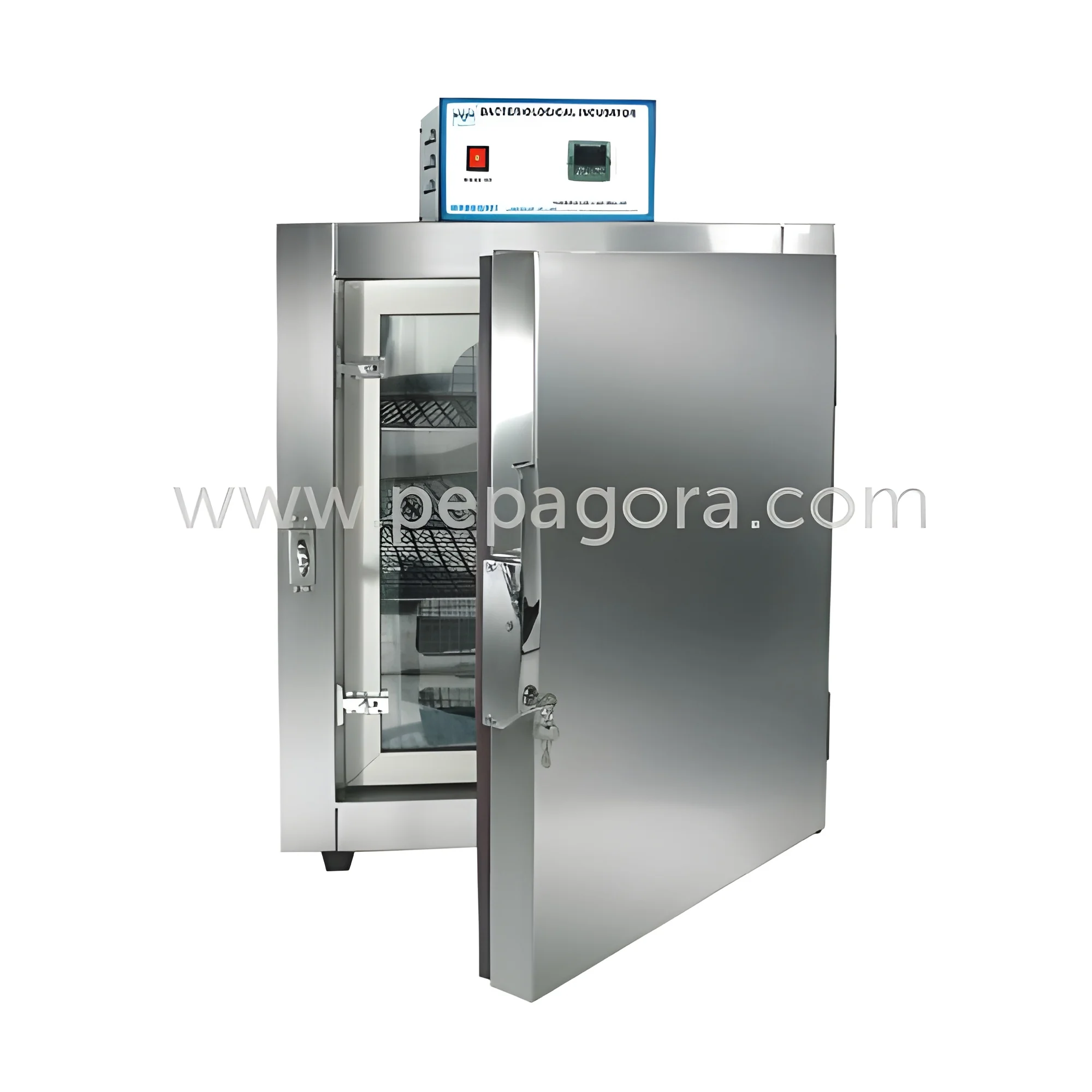
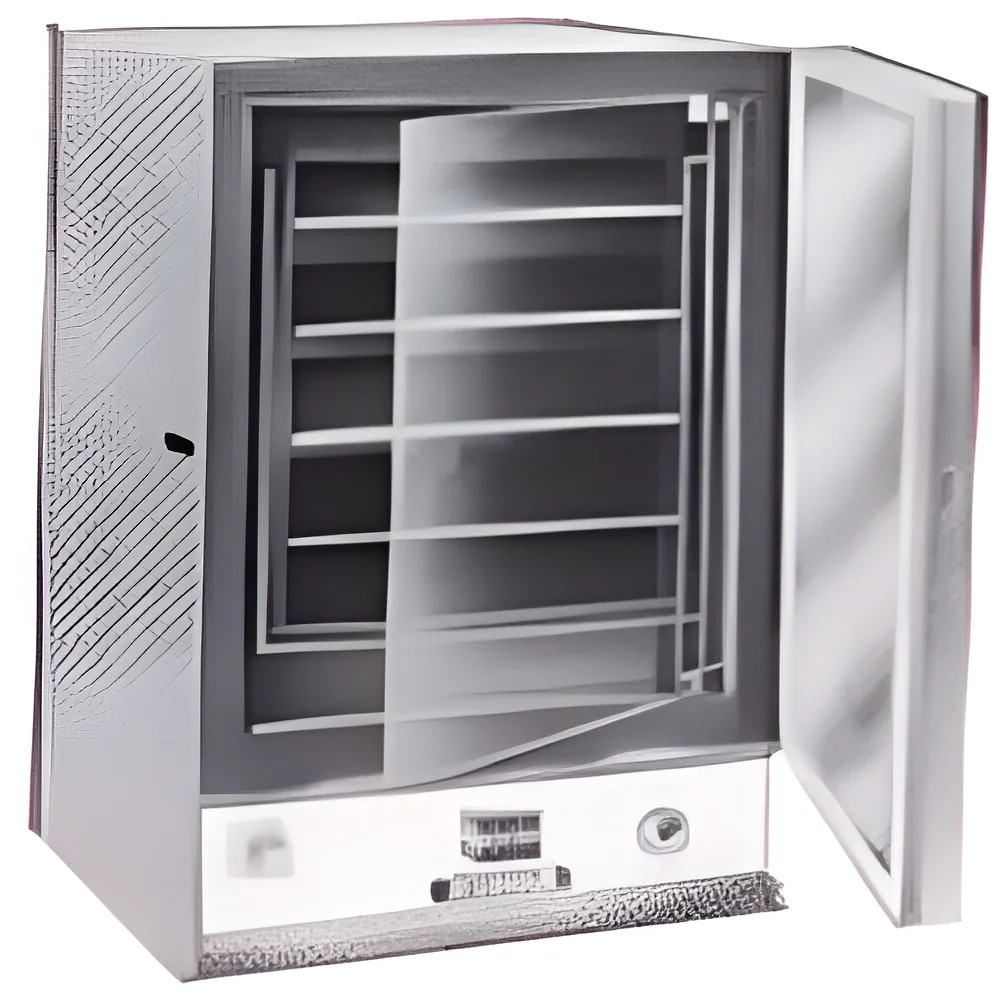
Culture Media: Essential for traditional microbiological testing, culture media supports the growth of microorganisms in the lab. They are available in various formulations tailored for specific types of bacteria.
Automated Systems: These systems streamline the testing process, reducing human error and increasing throughput. They are suitable for high-volume testing environments.
Portable Testing Devices: Designed for on-site testing, these devices allow for immediate results in the field, particularly useful in water quality assessments.
๐๐ฒ๐ป๐ฒ๐ณ๐ถ๐๐ ๐ฎ๐ป๐ฑ ๐๐ฑ๐๐ฎ๐ป๐๐ฎ๐ด๐ฒ๐
Microbiological testing offers numerous benefits to businesses across all sectors.
1. Enhanced Safety: Regular testing helps in identifying harmful pathogens, protecting consumers and employees from health risks.
2. Regulatory Compliance: Adhering to testing standards ensures compliance with laws and regulations, reducing the risk of legal issues.
3. Quality Assurance: Consistent testing improves product quality and reliability, fostering customer trust and loyalty.
4. Risk Management: Early detection of pathogens helps in managing risks effectively, preventing costly recalls and reputational damage.
5. Improved Efficiency: Automated and rapid testing solutions save time and resources, allowing businesses to focus on their core activities.
6. Data-Driven Decisions: Advanced testing provides valuable data that can inform product development and quality improvements.
๐๐๐๐ถ๐ป๐ด ๐๐๐ถ๐ฑ๐ฒ ๐ณ๐ผ๐ฟ ๐๐ฎ๐ ๐๐๐๐ฒ๐ฟ๐
When sourcing microbiological testing products, several factors should be considered to ensure a successful purchase.
1. Quality Assessment: Evaluate the quality of testing products by reviewing compliance with international standards. Look for certifications that demonstrate reliability.
2. Supplier Verification: Conduct thorough research on potential suppliers. Verify their credentials and reputation in the industry to ensure they meet your quality expectations.
3. Pricing and MOQ: Understand the pricing structure and minimum order quantity requirements. Consider the cost-effectiveness of bulk purchasing to optimize your budget.
4. Delivery and Lead Times: Confirm the supplier's delivery capabilities and lead times. Timely delivery is crucial for maintaining operations and meeting regulatory deadlines.
5. Compliance Requirements: Ensure that the products you are sourcing comply with local and international regulations. This is essential for legal compliance and safety assurance.
๐๐ผ๐บ๐ฝ๐น๐ถ๐ฎ๐ป๐ฐ๐ฒ ๐ฎ๐ป๐ฑ ๐๐ฒ๐ฟ๐๐ถ๐ณ๐ถ๐ฐ๐ฎ๐๐ถ๐ผ๐ป๐
Compliance with relevant quality standards and certifications is crucial in microbiological testing. Key standards include ISO 9001, which ensures quality management systems are in place.
HACCP (Hazard Analysis Critical Control Point) is also vital for food safety, focusing on preventing hazards in food production. Additionally, compliance with Good Distribution Practices (GDP) is important for pharmaceuticals to ensure product integrity during transportation.
Products should also hold certifications such as CE, indicating conformity with health, safety, and environmental protection standards within the European Economic Area.
Regional compliance considerations may vary, so it's essential to be aware of local laws and regulations regarding microbiological testing to ensure adherence and avoid penalties.
Why Source Microbiological Testing (Bacteria, Pathogens) from Pepagora?
Pepagora provides a trusted platform for sourcing microbiological testing products, offering several key advantages to businesses.
Verified Supplier Network: Pepagora ensures that all suppliers are thoroughly vetted, providing buyers with confidence in the quality and reliability of their products.
Streamlined RFQ Process: The request for quotation process is simplified, allowing buyers to receive competitive pricing and options quickly, which enhances efficiency in procurement.
Trade Assurance and Support: Pepagora offers buyer protection through trade assurance, ensuring that transactions are secure and customers receive the products as expected.
Regional Coverage: With a broad geographic reach covering India, GCC, and Southeast Asia, Pepagora facilitates access to a wide array of suppliers and products, catering to diverse market needs.