IN
IN₹
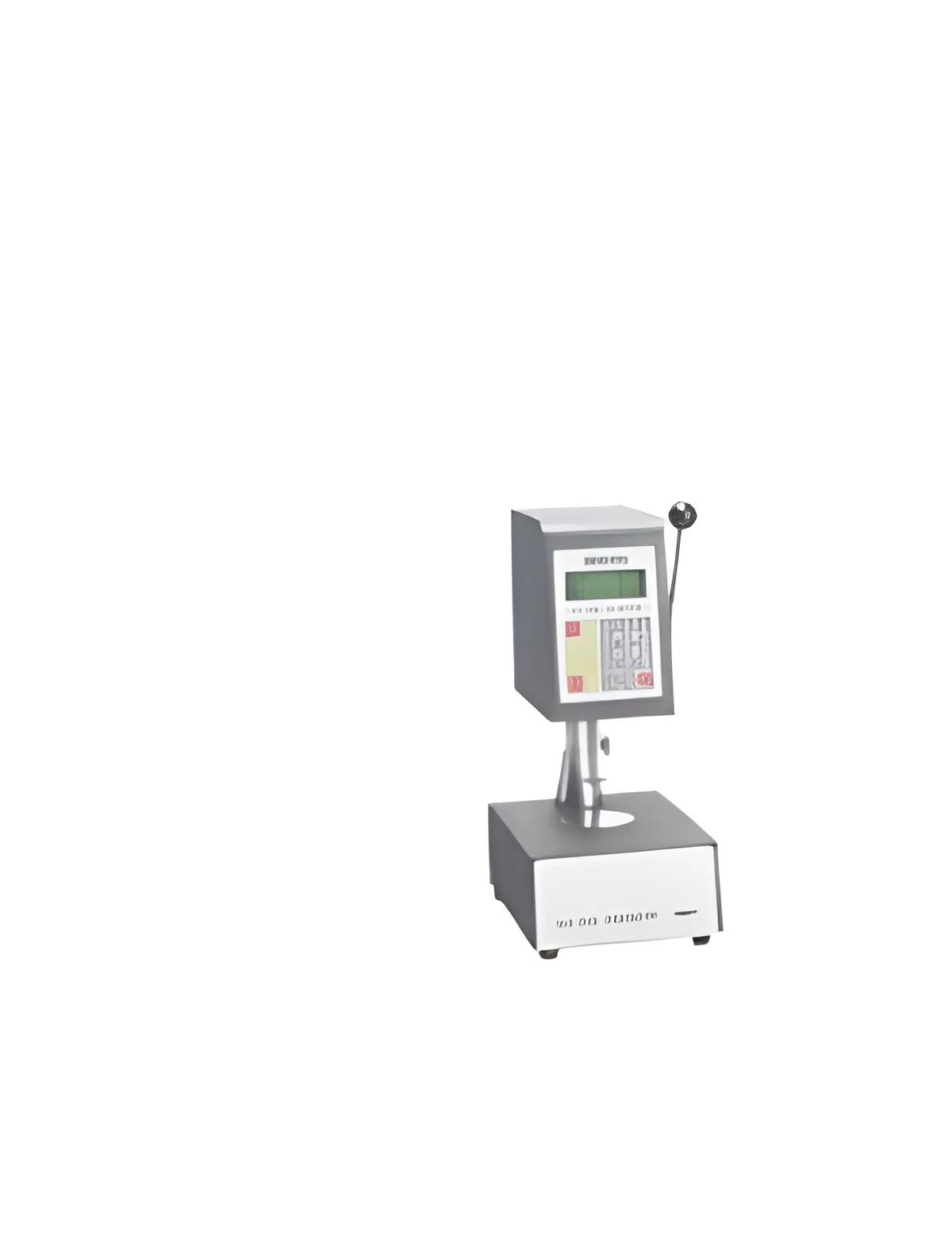
Description
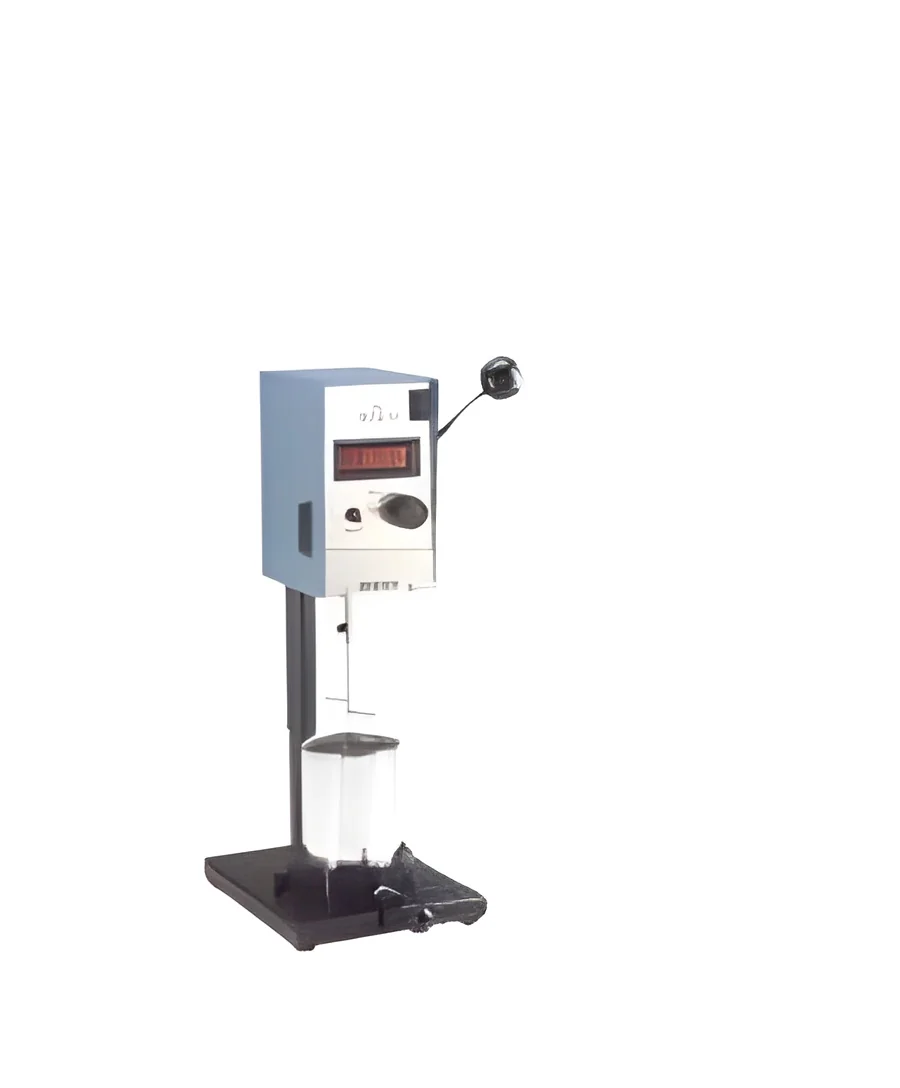
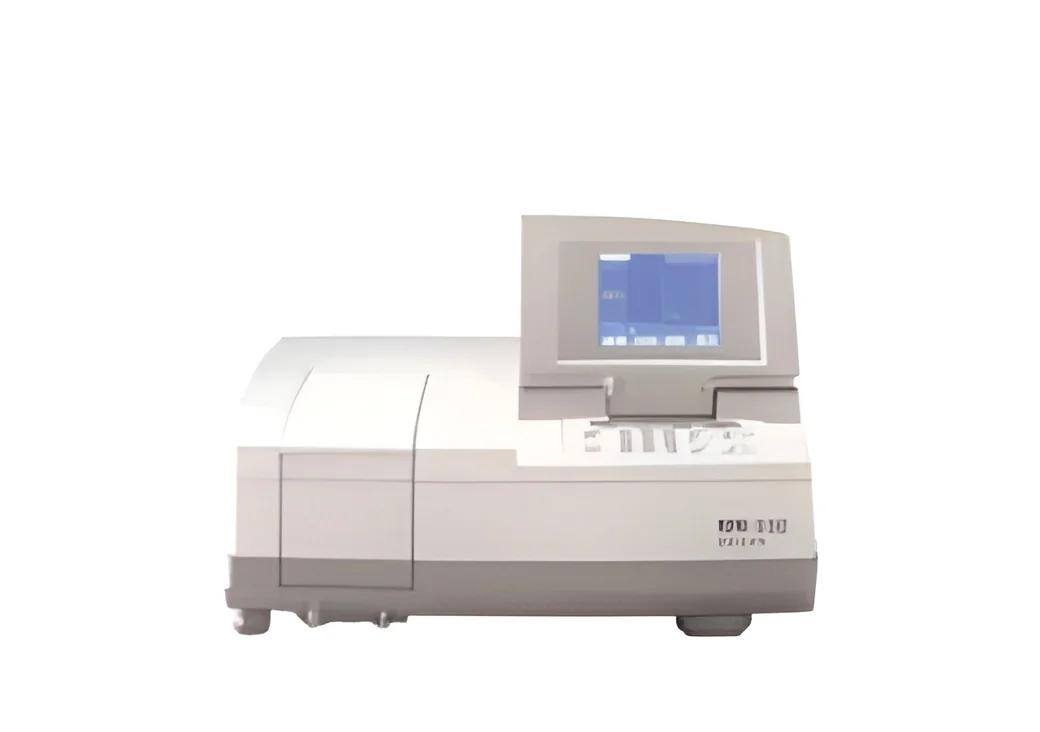
Cone & Plate Viscometers are precision instruments designed to measure fluid viscosity by applying controlled shear between a rotating cone and stationary plate. This configuration creates uniform shear throughout the sample, delivering highly accurate and repeatable measurements. Unlike other viscometry methods, this design minimizes edge effects and ensures consistent results across different operators and laboratories. The instruments accommodate both Newtonian and non-Newtonian fluids, providing comprehensive rheological characterization with minimal sample volume requirements. Their robust construction and precise temperature control make them suitable for demanding laboratory and production environments where measurement consistency directly impacts product quality and process efficiency.

These viscometers find extensive use across industries where fluid behavior determines product performance. In paints and coatings, they help formulate products with optimal application propert...
Cone & Plate Viscometers are precision instruments designed to measure fluid viscosity by applying controlled shear between a rotating cone and stationary plate. This configuration creates uniform shear throughout the sample, delivering highly accurate and repeatable measurements. Unlike other viscometry methods, this design minimizes edge effects and ensures consistent results across different operators and laboratories. The instruments accommodate both Newtonian and non-Newtonian fluids, providing comprehensive rheological characterization with minimal sample volume requirements. Their robust construction and precise temperature control make them suitable for demanding laboratory and production environments where measurement consistency directly impacts product quality and process efficiency.

These viscometers find extensive use across industries where fluid behavior determines product performance. In paints and coatings, they help formulate products with optimal application properties and drying characteristics. Pharmaceutical companies rely on them to ensure consistent viscosity in syrups, suspensions, and topical formulations. Food manufacturers use them to maintain texture consistency in sauces, dressings, and dairy products. Cosmetic producers depend on viscosity data to create lotions and creams with desirable spreadability and stability. Polymer and chemical industries utilize them to characterize resin flow during molding and extrusion processes, while research institutions employ them for material science investigations and new product development.

The business value of Cone & Plate Viscometers lies in their ability to deliver reliable data that supports critical decisions throughout product lifecycles. Their precision reduces measurement uncertainty, helping companies maintain tight quality specifications and minimize batch-to-batch variation. This reliability translates to fewer production rejects, reduced material waste, and consistent end-product performance that meets customer expectations. The instruments' durability ensures long-term operational consistency with minimal maintenance requirements. Their user-friendly design reduces training time while sophisticated software options enable comprehensive data analysis and reporting. By providing accurate viscosity measurements, these viscometers help companies optimize formulations, streamline manufacturing processes, and accelerate time-to-market for new products while maintaining compliance with industry standards.

Key Features:
- Precise cone and plate geometry ensuring uniform shear rate throughout sample
- Temperature-controlled measurement chamber for consistent results
- Compatibility with both Newtonian and non-Newtonian fluid types
- Small sample volume requirement minimizing material consumption
- Robust construction with durable components for long-term reliability

Benefits:
- Delivers accurate viscosity data supporting quality control decisions
- Reduces product variation through consistent measurement methodology
- Accelerates formulation development with reliable rheological characterization
- Minimizes material waste through small sample volume requirements
- Provides long-term operational reliability with minimal maintenance needs
Specifications
| Additional Information | |
|---|---|
| Country of Origin | India |
Application
Cone & Plate Viscometers serve as essential tools for analyzing fluid behavior across multiple sectors. Their precise measurement capabilities help manufacturers maintain consistent product quality by evaluating viscosity under controlled conditions. These instruments provide reliable data that directly impacts formulation stability, application performance, and end-user experience.
In industrial settings, these viscometers support both routine quality checks and advanced research initiatives. They enable technicians and scientists to characterize materials from raw ingredients to finished products. The data generated helps optimize manufacturing processes, reduce waste, and ensure compliance with industry standards while accelerating product development cycles.
- Testing paint and coating viscosity to ensure proper application and drying characteristics.
- Analyzing pharmaceutical formulations for consistent dosage delivery and stability.
- Evaluating food product texture and flow properties for quality assurance.
- Measuring cosmetic cream and lotion viscosity for optimal user experience.
- Studying polymer and resin behavior during processing and curing stages.
Trade Details
| Available Stock | In Stock |
| Sample Availability | No |
Payment Terms
| Payment Terms |
|
Company Profile
SUNJAY BIOTECH SOLUTIONS PVT. LTD., Maharashtra
 Maharashtra, India
Maharashtra, IndiaManufacturer•Distributor / Wholesaler
Factory Details
Factory SizeBelow 1000 sqm
Cone & Plate Viscometers
Cone & Plate Viscometers precisely measure fluid viscosity under controlled shear rates for research, quality control, and industrial applications handling low to high-viscosity liquids with accuracy.
Min. Order Quantity: 1
Shipping
Shipping fee and delivery date to be negotiated. Contact supplier now for more details.
SUNJAY BIOTECH SOLUTIONS PVT. LTD.
 Maharashtra, India
Maharashtra, IndiaManufacturer