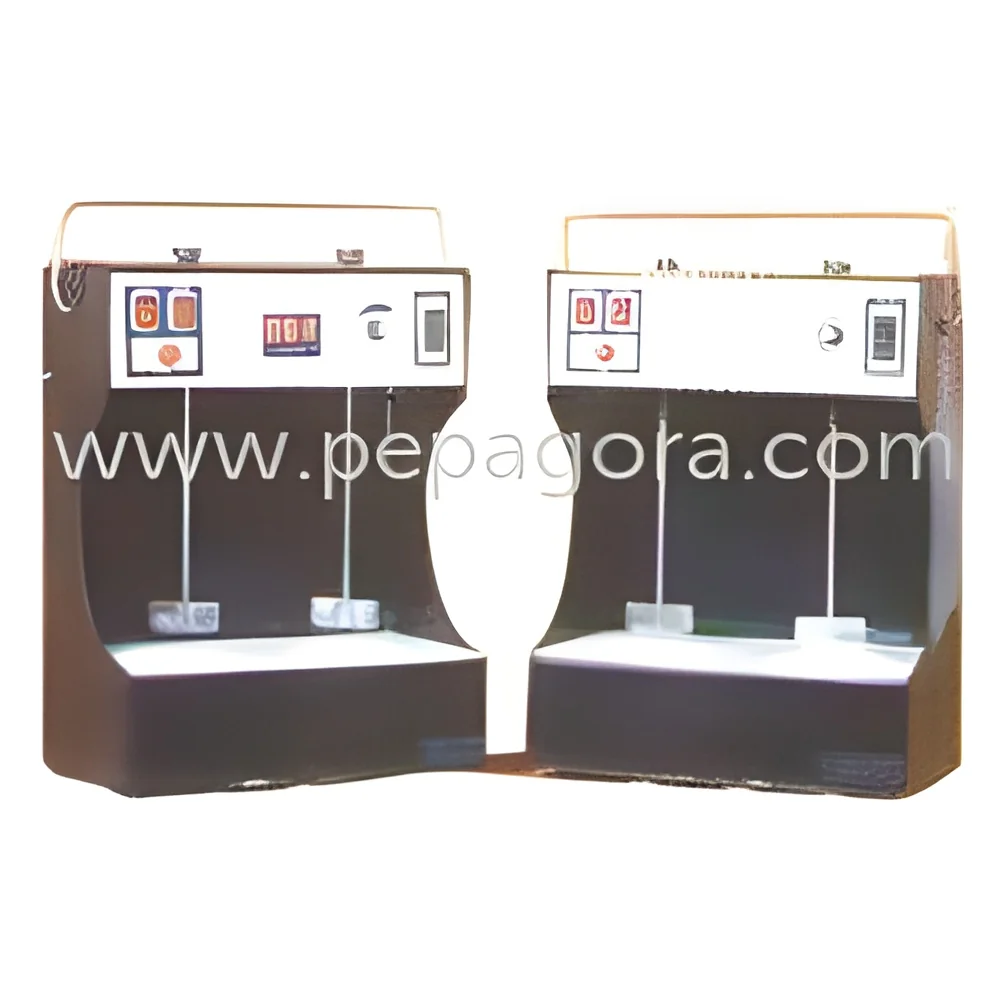
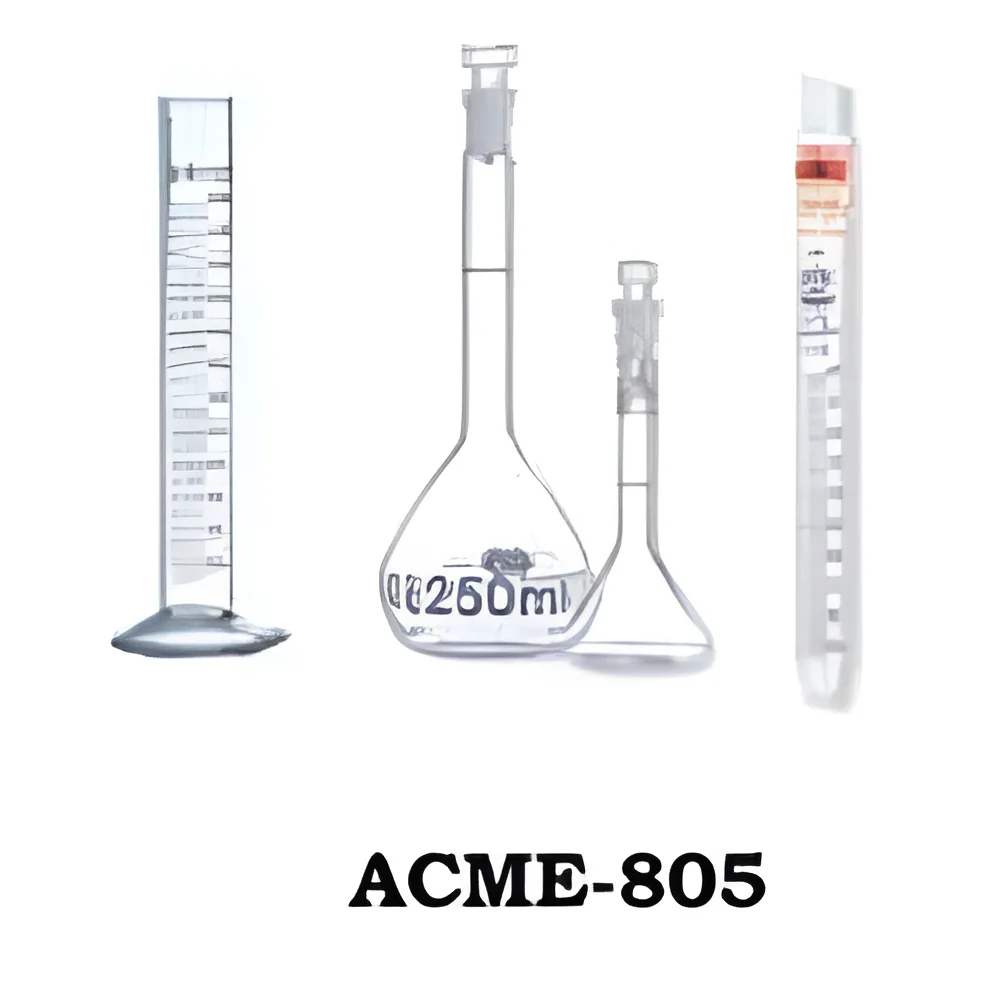
What are Food Testing Lab Equipment Setup?
Food testing lab equipment setup refers to the specialized tools and instruments required to analyze and ensure the quality and safety of food products. This equipment includes devices for microbiological analysis, chemical testing, and physical property evaluations. The setup is crucial for laboratories that focus on food safety, quality control, and compliance with industry standards.
The primary uses of food testing lab equipment include detecting pathogens, measuring chemical residues, and validating nutritional content. Businesses in the food industry rely on these setups to maintain safety standards, adhere to regulatory requirements, and improve product quality. With increasing consumer awareness around food safety, the demand for reliable testing facilities has grown significantly, making this equipment highly relevant in today's market.
Food testing lab equipment is vital not only for manufacturers but also for regulatory bodies and research institutions. The food and beverage industry continuously evolves, and having the right lab setup is essential for companies aiming to remain competitive. As regulations become stricter, the market for food testing equipment is expected to expand, offering opportunities for businesses involved in manufacturing and supplying these vital tools.
Key Features and Specifications
Food testing lab equipment setup encompasses a variety of features designed to meet the rigorous demands of food safety testing. When evaluating such equipment, buyers should consider specifications that reflect accuracy, reliability, and ease of use.
Key specifications include:
1. Microbiological Testing Capability
- Equipment designed to detect and quantify microorganisms in food samples
- Parameters include detection limits and sample throughput rates
2. Chemical Analysis Features
- Instruments capable of analyzing chemical compositions, such as pesticides and additives
- Technical parameters often include range of detection and accuracy levels
3. Temperature Control
- Equipment with precise temperature control systems for stability during tests
- Typically includes temperature ranges suitable for various testing protocols
4. Humidity Regulation
- Tools designed to maintain ideal humidity levels for certain tests
- Specifications may include humidity ranges and control precision
5. Data Monitoring and Reporting
- Systems that provide real-time data logging and analysis
- Features include software integration and reporting capabilities
6. Compliance with Quality Standards
- Equipment that meets industry standards such as ISO and HACCP
- Certifications that ensure reliability and accuracy in testing
7. User-Friendly Interfaces
- Equipment designed with intuitive controls for ease of operation
- Features may include touch screens and customizable settings
8. Durability and Maintenance
- Robust construction to withstand frequent use in laboratory environments
- Specifications may cover maintenance requirements and ease of cleaning
Investing in food testing lab equipment setup enables organizations to ensure product quality and compliance with safety regulations, ultimately enhancing consumer trust.
Common Applications and Use Cases
Food testing lab equipment setup serves numerous industries, each with specific applications.
1. Food and Beverage Manufacturing: Equipment is used to assess product safety, quality, and nutritional content. Manufacturers conduct tests to comply with regulatory standards and to ensure consumer safety.
2. Agriculture: Farmers and agricultural producers utilize testing setups to analyze soil and crop samples. This helps in monitoring pesticide levels and ensuring the quality of agricultural products.
3. Research Institutions: Universities and research centers employ food testing equipment for studies related to food safety, nutrition, and food technology advancements.
4. Regulatory Agencies: Government bodies rely on testing labs to enforce food safety regulations. They conduct random sampling and testing to ensure compliance with national and international standards.
5. Food Retail: Supermarkets and retailers use testing setups to verify the quality of products before sale. This is crucial for maintaining brand reputation and consumer trust.
6. Health and Nutrition: Laboratories focused on health research employ food testing setups to analyze dietary products and supplements for safety and efficacy.
7. Food Import and Export: Companies involved in international trade use testing equipment to ensure that imported and exported food products meet the safety standards of different countries.
Product Variants and Subcategories
Food testing lab equipment setup offers a range of variants to cater to different testing needs.
Microbiological Testing Equipment
This variant includes incubators, autoclaves, and colony counters, designed for efficient microbial analysis. Features often include automated sampling and data logging capabilities.
Chemical Analysis Instruments
This category consists of spectrometers and chromatographs used for detecting chemical residues in food products. Their applications extend to nutritional analysis and food additive testing.
Temperature and Humidity Control Devices
These devices ensure optimal conditions for testing by regulating temperature and humidity levels. They are essential for maintaining the integrity of samples during analysis.
Benefits and Advantages
Food testing lab equipment setup provides numerous advantages for businesses in the food industry.
Key benefits include:
1. Enhanced Food Safety: Reliable testing ensures that food products are safe for consumption, reducing the risk of foodborne illnesses.
2. Regulatory Compliance: Equipped labs facilitate compliance with local and international safety standards, avoiding legal issues and penalties.
3. Improved Product Quality: Regular testing helps in maintaining high-quality standards, leading to customer satisfaction and brand loyalty.
4. Cost Efficiency: Investing in quality testing equipment can reduce the costs associated with product recalls and regulatory fines.
5. Increased Market Competitiveness: Businesses with reliable testing setups can differentiate themselves in the market, appealing to safety-conscious consumers.
6. Streamlined Processes: Modern lab equipment often includes automated features that enhance efficiency and reduce human error in testing.
Buying Guide for B2B Buyers
When sourcing food testing lab equipment setup, B2B buyers should consider several critical factors.
1. Quality Assessment: Ensure that the equipment meets industry standards for accuracy and reliability. Look for certifications like ISO and CE that indicate quality.
2. Supplier Verification: Conduct thorough research on suppliers to verify their reputation and capabilities. Check for customer reviews and ask for references.
3. Pricing and MOQ: Understand the pricing structure and minimum order quantities to assess budget alignment. Consider long-term costs versus initial investment.
4. Delivery and Lead Times: Evaluate the supplier's ability to meet delivery timelines. Timely delivery is crucial for maintaining operational efficiency.
5. Compliance Requirements: Be aware of regional regulations and compliance needs. Ensure that the equipment meets all necessary safety and quality standards.
Compliance and Certifications
Food testing lab equipment must adhere to several compliance and certification standards to ensure reliability and safety.
Relevant quality standards include ISO 9001, which focuses on effective quality management systems to enhance customer satisfaction. HACCP (Hazard Analysis and Critical Control Points) is essential for identifying and managing food safety risks.
Industry certifications such as CE mark indicate compliance with European health, safety, and environmental protection standards. These certifications assure users of the equipment's safety and effectiveness.
Additionally, equipment should meet specific safety and testing requirements that vary by region. Buyers must be aware of local compliance issues that may affect operations, especially when dealing with international suppliers.
Why Source Food Testing Lab Equipment Setup from Pepagora?
Pepagora provides a trusted platform for sourcing food testing lab equipment setup, offering several key advantages for B2B buyers.
Verified Supplier Network: Pepagora features a network of verified suppliers who have undergone rigorous vetting. This ensures that buyers can trust the quality and reliability of the equipment they purchase.
Streamlined RFQ Process: The platform simplifies the request for quotation (RFQ) process, allowing buyers to easily compare multiple suppliers and options. This efficiency aids in making informed purchasing decisions.
Trade Assurance and Support: Pepagora offers trade assurance, which protects buyers against potential issues during the transaction. Their dedicated support team is available to assist with any inquiries or concerns.
Regional Coverage: With a focus on regions such as India, the GCC, and Southeast Asia, Pepagora provides extensive access to local suppliers. This geographic reach helps buyers find equipment that meets their specific market needs.

 IN
IN