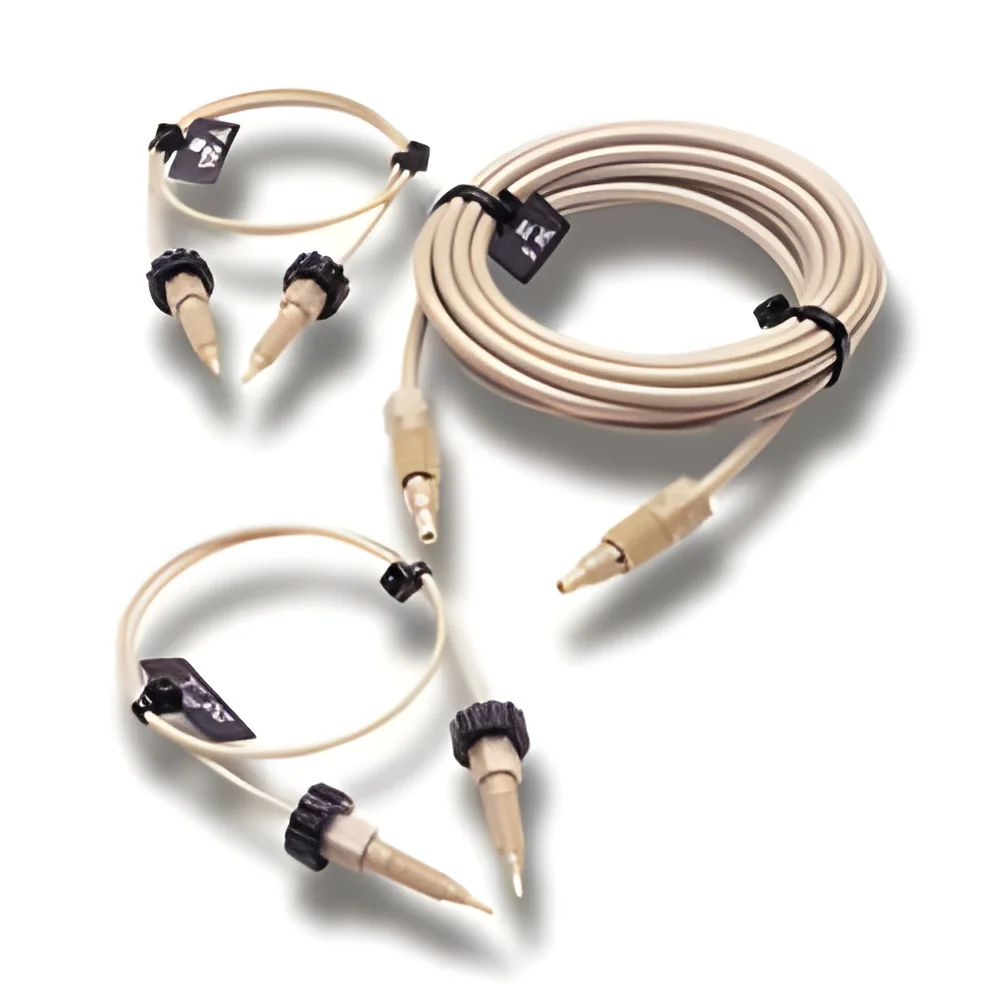
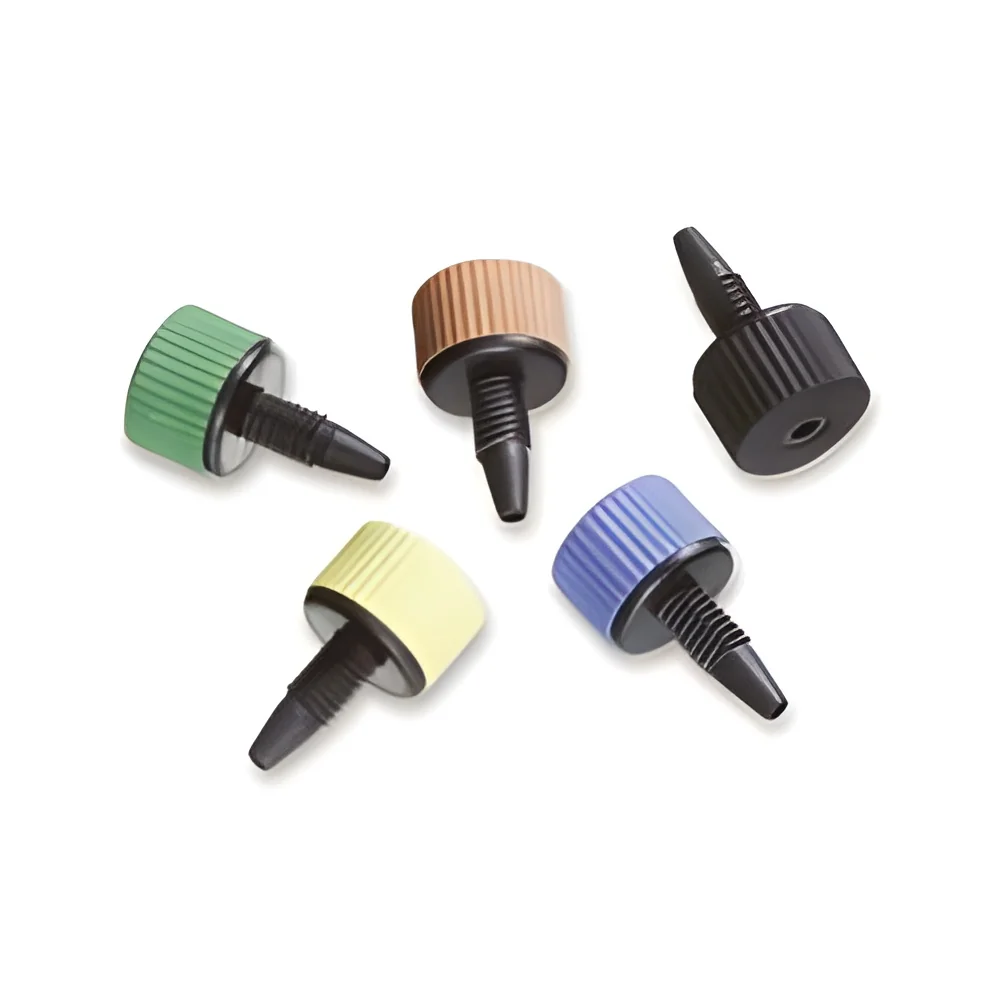
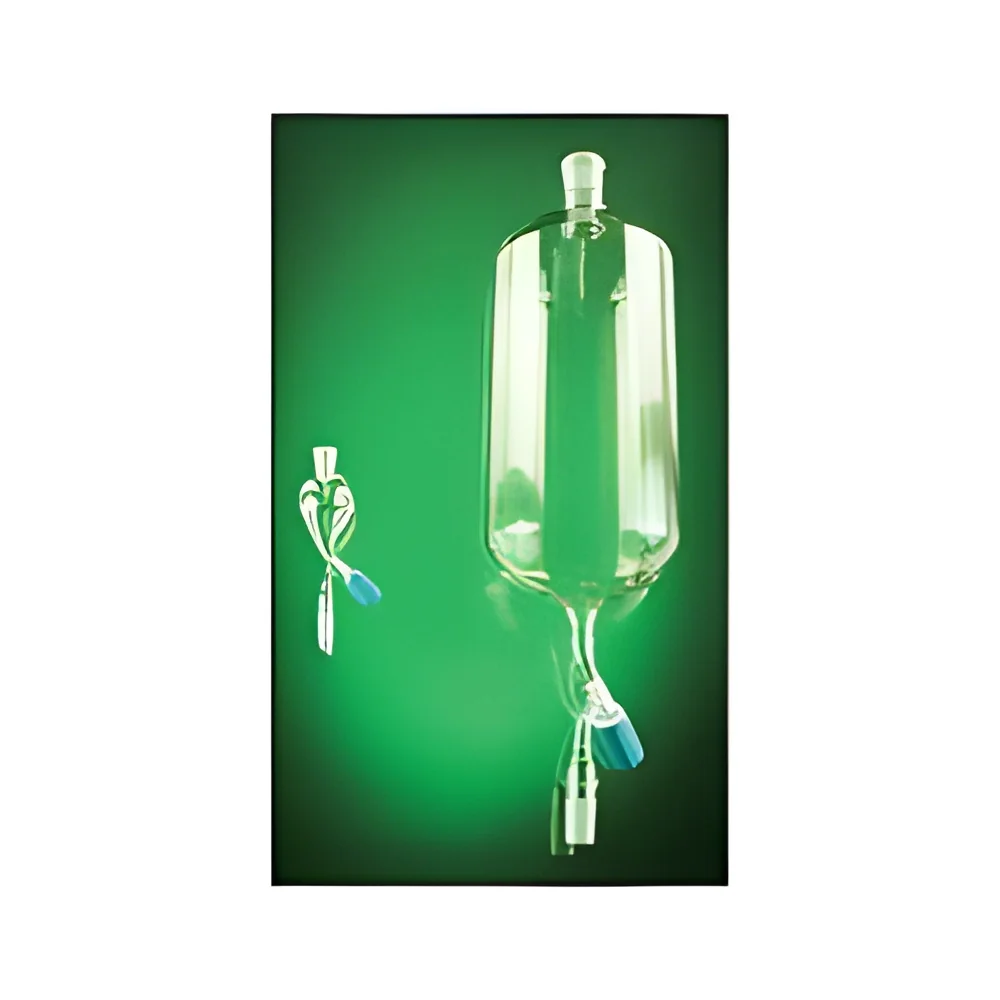
What are Chromatography Systems (HPLC, GC-MS)?
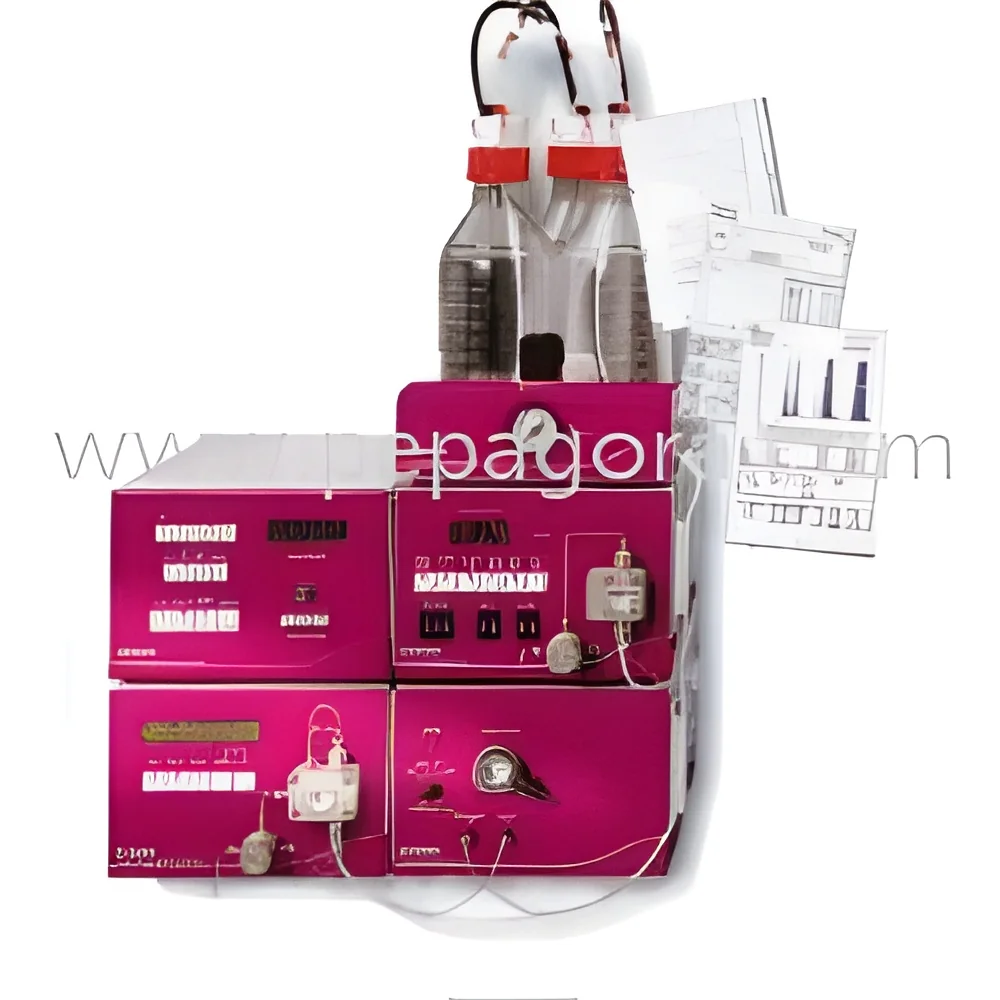
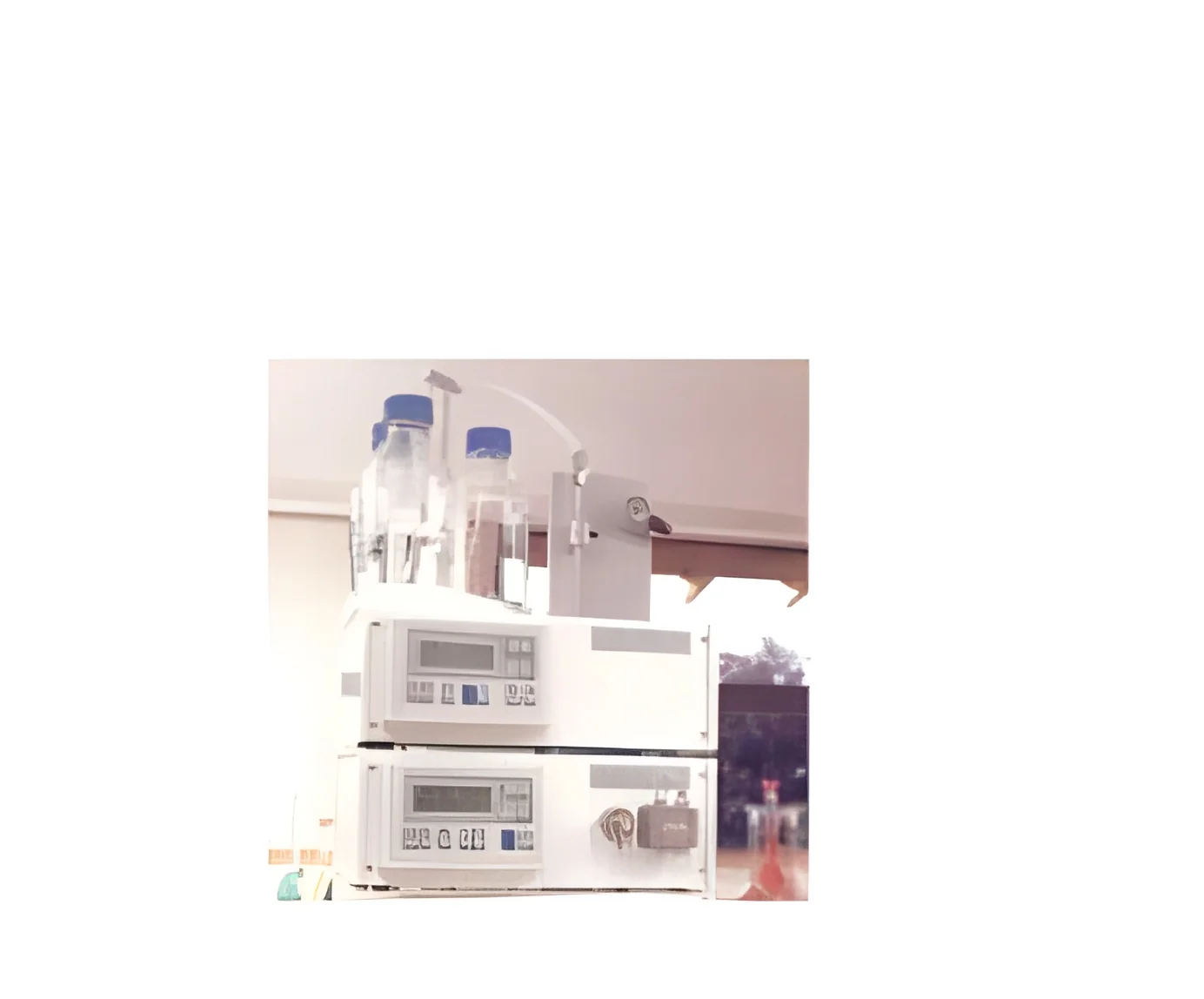
Chromatography systems, specifically High-Performance Liquid Chromatography (HPLC) and Gas Chromatography-Mass Spectrometry (GC-MS), are analytical techniques used for separating and analyzing mixtures. HPLC utilizes high pressure to push liquid samples through a column filled with stationary phase material, allowing for the separation of components based on their interaction with the stationary phase. GC-MS combines gas chromatography and mass spectrometry to analyze volatile compounds, providing detailed information about chemical composition.
These systems are primarily used in laboratories for quality control, research and development, and regulatory compliance across various industries. Common applications include pharmaceutical analysis, environmental testing, food safety assessments, and chemical manufacturing. The demand for these systems has grown significantly due to the increasing need for precise and reliable analytical methods in scientific research and industrial applications. As businesses strive to enhance product quality and comply with stringent regulations, chromatography systems play a vital role in achieving these objectives.
𝗞𝗲𝘆 𝗙𝗲𝗮𝘁𝘂𝗿𝗲𝘀 𝗮𝗻𝗱 𝗦𝗽𝗲𝗰𝗶𝗳𝗶𝗰𝗮𝘁𝗶𝗼𝗻𝘀
Chromatography systems are designed with advanced features that enhance their effectiveness and efficiency. Understanding their specifications is crucial for selecting the right system for specific applications.
Key specifications include:
1. Performance Range
- HPLC systems typically operate under pressures ranging from 10 to 600 bar.
- GC-MS systems require temperatures from 0 to 300 degrees Celsius for optimal performance.
2. Detection Methods
- HPLC systems may employ UV-Vis, fluorescence, or refractive index detectors.
- GC-MS systems utilize electron impact or chemical ionization for compound identification.
3. Column Dimensions
- HPLC columns usually have internal diameters ranging from 2 to 4.6 mm with lengths between 50 to 250 mm.
- GC columns can vary from 0.25 to 0.53 mm in diameter and lengths of 15 to 30 meters.
4. Sample Throughput
- HPLC systems can process samples in 10 to 30 minutes per run, depending on the method.
- GC-MS systems typically have a shorter run time of 5 to 20 minutes.
5. Flow Rates
- HPLC flow rates generally range from 0.1 to 5 mL/min.
- GC flow rates are usually higher, around 1 to 10 mL/min.
6. Temperature Control
- HPLC systems may include temperature-controlled columns to maintain optimal separation conditions.
- GC systems often feature programmable temperature ramps for better analysis of complex samples.
7. Data Management
- Many chromatography systems come with software for data acquisition, analysis, and reporting.
- Compatibility with laboratory information management systems (LIMS) is increasingly common.
In summary, understanding these features and specifications ensures that businesses can choose the right chromatography systems to meet their analytical needs.
𝗖𝗼𝗺𝗺𝗼𝗻 𝗔𝗽𝗽𝗹𝗶𝗰𝗮𝘁𝗶𝗼𝗻𝘀 𝗮𝗻𝗱 𝗨𝘀𝗲 𝗖𝗮𝘀𝗲𝘀
Chromatography systems serve a wide range of industries, providing essential analytical capabilities.
1. Pharmaceutical Industry: HPLC is vital for drug formulation and quality control, ensuring that active ingredients meet regulatory standards.
2. Environmental Testing: GC-MS is used to detect pollutants in air, water, and soil, monitoring compliance with environmental regulations.
3. Food and Beverage: HPLC analyzes food additives and contaminants, while GC-MS identifies flavor compounds and ensures food safety.
4. Chemical Manufacturing: Chromatography systems are employed to analyze raw materials and final products, verifying purity and composition.
5. Petrochemical Industry: GC-MS helps identify hydrocarbons in petroleum products and monitor the quality of fuels.
6. Clinical Research: HPLC is used in biomarker discovery and clinical trials to assess drug efficacy and safety.
7. Academic Research: Both HPLC and GC-MS are essential in research laboratories for various scientific studies, from biochemistry to material science.
𝗣𝗿𝗼𝗱𝘂𝗰𝘁 𝗩𝗮𝗿𝗶𝗮𝗻𝘁𝘀 𝗮𝗻𝗱 𝗦𝘂𝗯𝗰𝗮𝘁𝗲𝗴𝗼𝗿𝗶𝗲𝘀
Chromatography systems come in various types to cater to different analytical needs.
HPLC Systems: These systems are designed for high-resolution liquid separations. They are commonly used in pharmaceutical analysis and can be equipped with different detectors for specific applications, such as UV or fluorescence detection.
GC-MS Systems: This variant combines gas chromatography with mass spectrometry, providing detailed molecular analysis of volatile compounds. It is widely used in environmental testing and forensic science to identify and quantify chemical substances.
𝗕𝗲𝗻𝗲𝗳𝗶𝘁𝘀 𝗮𝗻𝗱 𝗔𝗱𝘃𝗮𝗻𝘁𝗮𝗴𝗲𝘀
Investing in chromatography systems offers several key benefits.
1. Enhanced Precision: These systems provide accurate and reproducible results, essential for meeting regulatory compliance.
2. Increased Efficiency: High-throughput capabilities allow for faster analysis, reducing overall testing time and increasing productivity.
3. Versatile Applications: Chromatography systems can be adapted for various industries and applications, making them highly versatile tools in laboratory settings.
4. Comprehensive Data Analysis: Advanced software enables detailed data management and reporting, facilitating decision-making processes.
5. Improved Quality Control: Regular use of chromatography systems helps maintain high product quality standards, essential for business reputation.
6. Cost-Effective Solutions: While initial investments may be significant, the long-term cost savings from improved efficiency and reduced errors are substantial.
𝗕𝘂𝘆𝗶𝗻𝗴 𝗚𝘂𝗶𝗱𝗲 𝗳𝗼𝗿 𝗕𝟮𝗕 𝗕𝘂𝘆𝗲𝗿𝘀
When sourcing chromatography systems, it is vital to consider several factors to ensure a successful purchase.
1. Quality Assessment: Evaluate the quality of the systems by reviewing manufacturer certifications and user reviews. Look for systems that meet recognized standards for performance and reliability.
2. Supplier Verification: Vet potential suppliers thoroughly. Check their reputation in the industry, customer service track record, and experience with the required systems.
3. Pricing and MOQ: Analyze the pricing structures and minimum order quantities (MOQ) from suppliers. Ensure that the price aligns with your budget while considering the total cost of ownership.
4. Delivery and Lead Times: Confirm the supplier's ability to meet your delivery requirements. Understand lead times and any potential delays that could impact your operations.
5. Compliance Requirements: Ensure that the systems comply with relevant regulatory requirements in your industry, including safety standards and operational guidelines.
𝗖𝗼𝗺𝗽𝗹𝗶𝗮𝗻𝗰𝗲 𝗮𝗻𝗱 𝗖𝗲𝗿𝘁𝗶𝗳𝗶𝗰𝗮𝘁𝗶𝗼𝗻𝘀
Compliance with industry standards is critical for chromatography systems. Key quality standards include ISO 9001, which ensures consistent quality management systems. HACCP and GDP are also important for food and pharmaceutical industries, focusing on safety and good distribution practices.
Certifications such as CE indicate that the product meets European health, safety, and environmental protection standards. Compliance with safety and testing requirements ensures that the systems are reliable and safe to operate.
Additionally, regional compliance considerations may vary depending on local regulations, necessitating thorough research to ensure adherence to applicable laws.
Why Source Chromatography Systems (HPLC, GC-MS) from Pepagora?
Pepagora provides a trusted platform for sourcing chromatography systems with several key advantages.
Verified Supplier Network: Pepagora ensures that all suppliers are thoroughly vetted, providing buyers with confidence in their sourcing decisions. This network includes reliable manufacturers known for high-quality products.
Streamlined RFQ Process: The request for quotation (RFQ) process is designed to be user-friendly, allowing buyers to receive multiple quotes quickly. This efficiency aids in making informed purchasing decisions.
Trade Assurance and Support: Pepagora offers trade assurance, protecting buyers throughout the purchasing process. Dedicated support teams are available to assist with any inquiries or issues.
Regional Coverage: Pepagora has extensive geographic reach, catering to markets in India, the GCC, and Southeast Asia. This broad coverage allows businesses to find suitable suppliers close to their location, reducing logistics challenges.

 IN
IN