What are Spectrophotometers & Colorimeters?
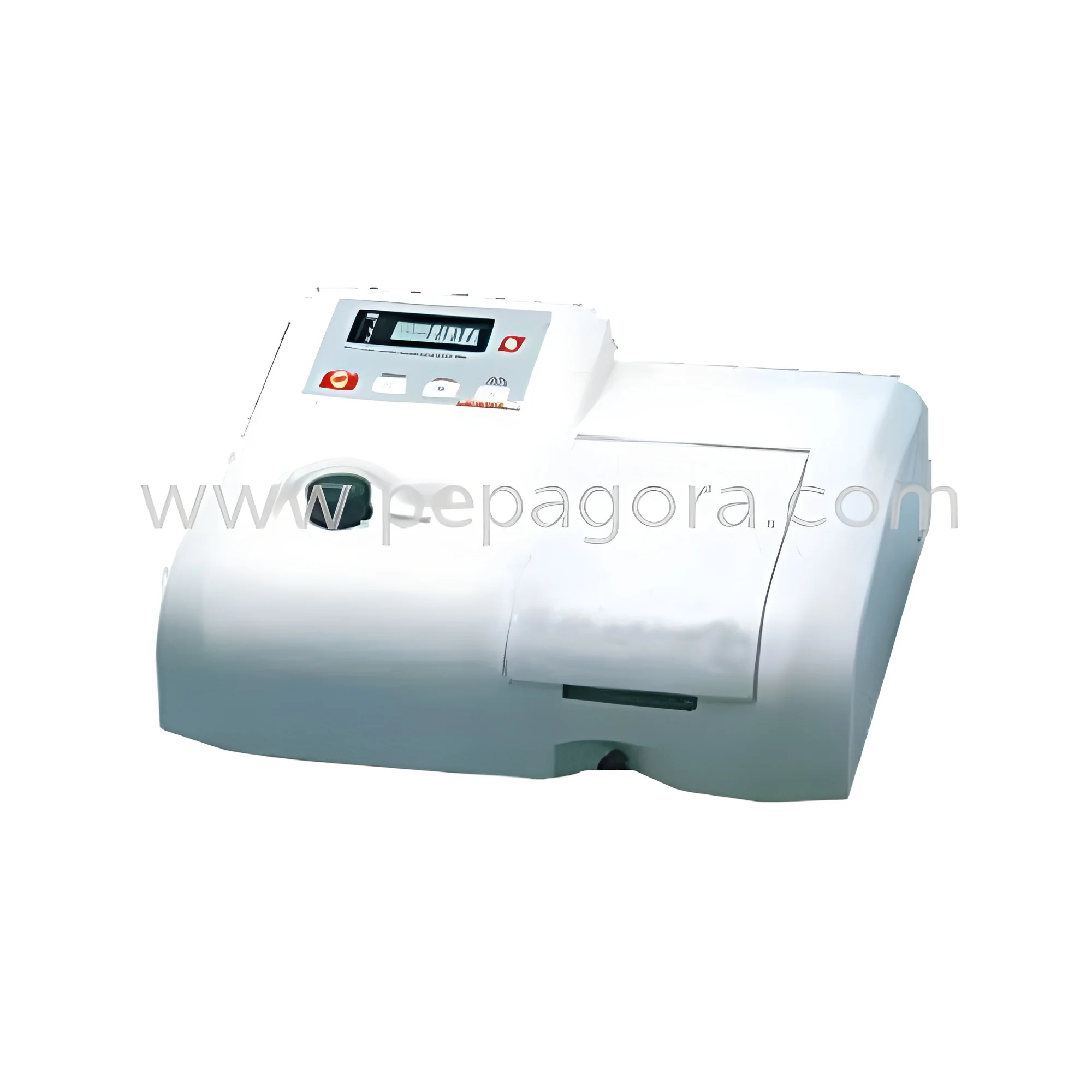
Spectrophotometers and colorimeters are essential analytical instruments used to measure light absorption and color properties of substances. A spectrophotometer quantifies how much light is absorbed by a sample at various wavelengths, providing a spectrum of data for analysis. Colorimeters, on the other hand, specifically measure the color of a sample, typically in terms of its RGB or CMYK values. Both devices are widely utilized in laboratories for precise quantitative analysis.
These instruments find applications across various industries, including pharmaceuticals, food and beverage, environmental monitoring, and textiles. In pharmaceuticals, for instance, they ensure quality control by verifying the concentration of active ingredients. In environmental monitoring, they are used to assess water quality by measuring pollutants. The relevance of these devices continues to grow as industries increasingly rely on data-driven decisions and quality assurance processes.
Key Features and Specifications
Spectrophotometers and colorimeters come equipped with several key features that enhance their functionality and usability. Understanding these specifications can help businesses choose the right instrument for their needs.
Key specifications include:
1. Wavelength range
- Spectrophotometers typically operate in a range of 200 to 800 nm.
- Colorimeters may have a narrower range depending on the application.
2. Measurement accuracy
- Accuracy is often within ±0.01 absorbance units for spectrophotometers.
- Colorimeters typically provide accuracy of ±1-2 units in color space.
3. Resolution
- Spectrophotometers generally offer high resolution, around 1 nm.
- Colorimeters provide lower resolution, sufficient for color matching tasks.
4. Sample volume
- Some spectrophotometers require as little as 1 mL of sample.
- Colorimeters may operate effectively with even smaller volumes.
5. User interface
- Many models feature intuitive touchscreens for ease of navigation.
- Software compatibility is often available for data analysis.
6. Data output
- Results can be exported via USB, Bluetooth, or Wi-Fi for convenient reporting.
- Some devices offer real-time data visualization.
7. Calibration
- Automatic calibration features help maintain measurement accuracy over time.
- Manual calibration options are available for specific applications.
In summary, a thorough understanding of these specifications can guide businesses in selecting the appropriate spectrophotometer or colorimeter that aligns with their operational requirements.
Common Applications and Use Cases
Spectrophotometers and colorimeters serve a broad range of industries and applications. Their versatility makes them invaluable tools in various sectors.
1. Pharmaceuticals: These instruments are crucial for quality control, ensuring that drug formulations meet specified concentrations and purity levels.
2. Food and Beverage: Used for color analysis and quality assurance, they help maintain consistent product appearance and flavor.
3. Water Quality Testing: Environmental agencies utilize these devices to monitor pollutants and assess water quality for compliance with health standards.
4. Textiles: They are employed to ensure color consistency in fabric production and to analyze dye concentrations.
5. Paint and Coating: Manufacturers rely on these tools for color matching and formulation adjustments.
6. Cosmetics: Colorimeters assist in product development by ensuring accurate color representation in formulations.
7. Academic Research: Research labs use these instruments for quantitative analysis across various scientific fields.
Product Variants and Subcategories
Spectrophotometers and colorimeters come in various designs and capabilities to suit different applications. This diversity allows businesses to select the most appropriate model.
Portable Spectrophotometers: These compact devices are designed for on-site testing. They are battery-operated and ideal for fieldwork, making them suitable for environmental monitoring.
Laboratory Spectrophotometers: Typically larger and more sophisticated, these models offer advanced features such as multiple wavelength detection and higher accuracy, making them ideal for research and quality control in labs.
Handheld Colorimeters: Lightweight and user-friendly, these devices are perfect for quick color measurements in various environments, including food and beverage industries.
Compact Colorimeters: Designed for affordability and ease of use, these are ideal for small businesses or applications where high precision is not as critical.
Benefits and Advantages
Investing in spectrophotometers and colorimeters provides numerous advantages to businesses across different sectors.
1. Enhanced Accuracy: These instruments deliver precise measurements, ensuring reliable data for quality control.
2. Time Efficiency: Automated features streamline processes, allowing for quicker analysis and results.
3. Versatility: They can be used in various applications, from quality control to research, making them a valuable addition to any laboratory or production facility.
4. Cost-Effectiveness: With reliable performance, these instruments can reduce waste and improve product consistency, leading to cost savings over time.
5. User-Friendly Interfaces: Many devices feature intuitive designs that simplify operation, reducing the need for extensive training.
6. Compliance Support: Having accurate measurement tools aids in meeting industry regulations and standards, which is essential for maintaining certifications.
Buying Guide for B2B Buyers
When sourcing spectrophotometers and colorimeters, it is essential for B2B buyers to consider several important factors to ensure they make informed decisions.
1. Quality Assessment: Determine the quality of the instruments by reviewing specifications, accuracy, and manufacturer reputation. Look for products with relevant certifications.
2. Supplier Verification: Vet potential suppliers by checking references, reviews, and their history in the industry. Ensuring their reliability is crucial for long-term partnerships.
3. Pricing and MOQ: Evaluate pricing structures and minimum order quantities to ensure they align with your budget and operational needs. Request quotes from multiple suppliers to compare.
4. Delivery and Lead Times: Understand the logistics involved in the purchase, including estimated delivery times and shipping costs. Timely delivery is essential for maintaining production schedules.
5. Compliance Requirements: Confirm that the instruments meet necessary compliance and regulatory standards for your industry, as this can impact product quality and marketability.
Compliance and Certifications
Compliance and certification are critical for spectrophotometers and colorimeters to ensure product quality and safety.
Relevant quality standards include ISO 9001, which outlines requirements for a quality management system. This standard ensures that products consistently meet customer and regulatory requirements. HACCP (Hazard Analysis and Critical Control Points) is also applicable in food and beverage industries, ensuring that products are safe for consumption.
In addition, CE marking certifies that products meet European health, safety, and environmental protection standards. This certification is vital for marketability in Europe and other regions recognizing CE standards.
Safety and testing requirements should be adhered to during the manufacturing and operational phases of these instruments. Buyers should also be aware of regional compliance considerations, as regulations can vary significantly between countries and regions.
Why Source Spectrophotometers & Colorimeters from Pepagora?
Pepagora offers a reliable platform for sourcing spectrophotometers and colorimeters, providing several key advantages that benefit B2B buyers.
Verified Supplier Network: Pepagora maintains a robust network of verified suppliers, ensuring that buyers have access to high-quality instruments from reputable manufacturers. This verification process minimizes risks associated with procurement.
Streamlined RFQ Process: The request for quotation (RFQ) system simplifies the sourcing process, allowing buyers to easily compare multiple options and make informed decisions based on their needs.
Trade Assurance and Support: Buyers are provided with trade assurance, which protects their investments and ensures that they receive the products as described. Comprehensive support is also available to address any concerns during the purchasing process.
Regional Coverage: With a strong presence in India, the GCC, and Southeast Asia, Pepagora facilitates access to regional suppliers and products. This geographic reach enables buyers to find tailored solutions that meet their specific requirements.

 IN
IN