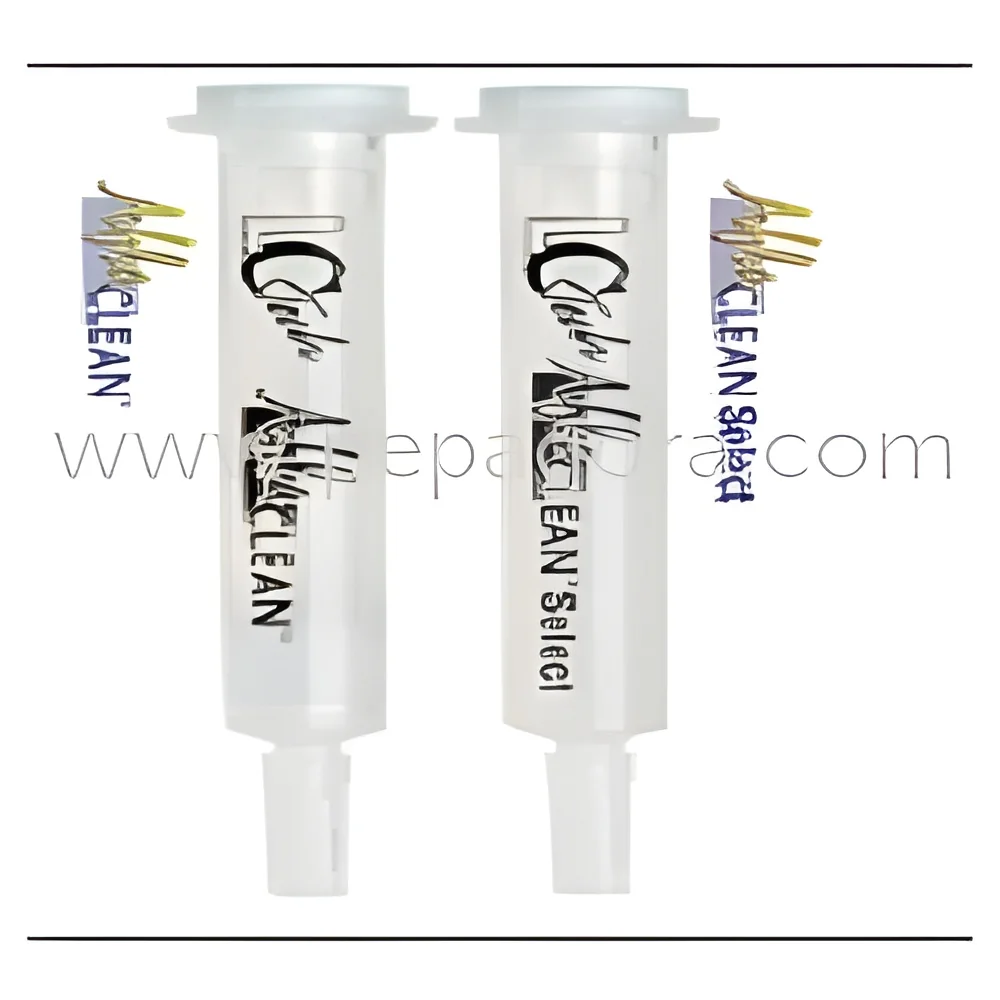
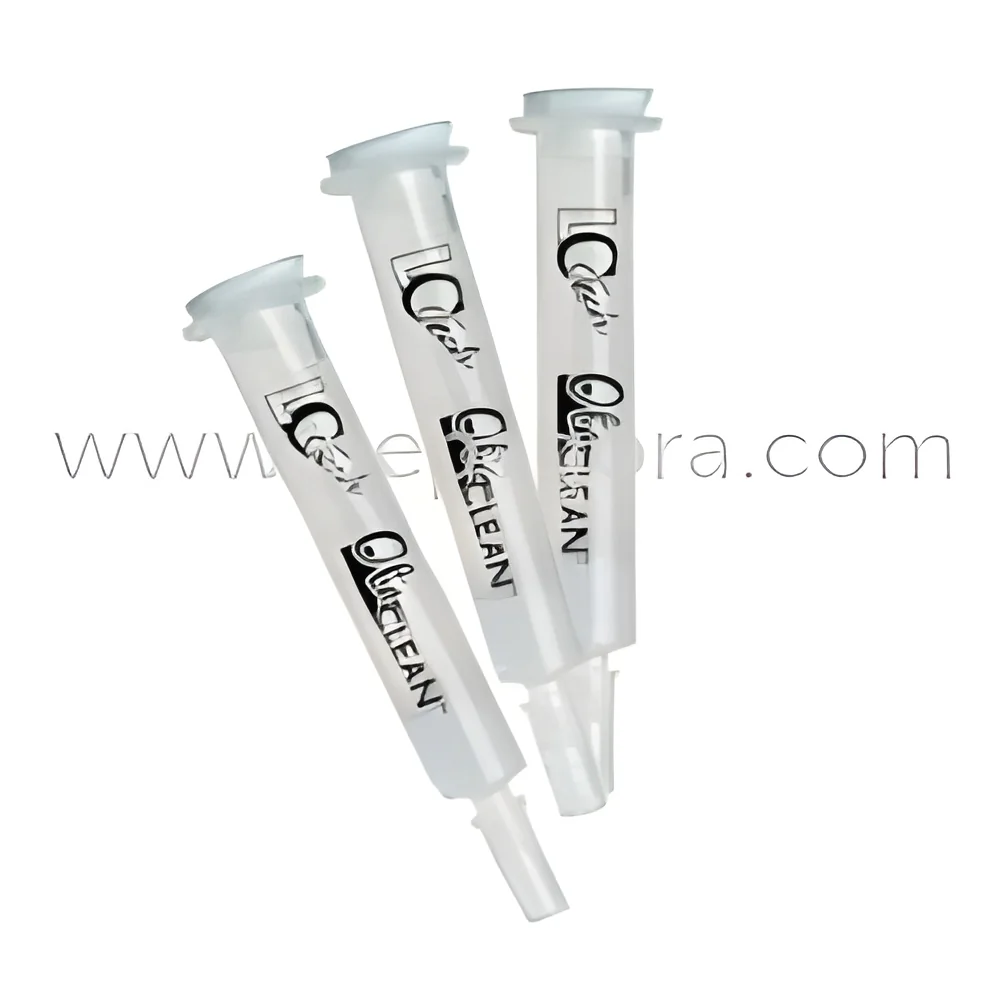
What are Food Adulteration Detection Kits?
Food Adulteration Detection Kits are specialized tools designed to identify the presence of harmful substances or contaminants in food products. These kits enable users to conduct tests quickly and accurately, ensuring that the food quality meets safety standards. They play a crucial role in maintaining food safety by detecting adulterants that could pose health risks to consumers.
These kits are primarily used by food manufacturers, quality control laboratories, and regulatory agencies. They facilitate compliance with food safety regulations and help in safeguarding public health. By employing these detection kits, businesses can enhance their product quality, reduce liability risks, and build consumer trust. As food safety becomes increasingly important in the global market, the demand for these kits continues to grow, making them essential tools in the food industry.
The relevance of Food Adulteration Detection Kits is underscored by the increasing complexity of food supply chains and rising concerns over food safety. In today's market, where food products are sourced from various regions, ensuring the integrity of food is more critical than ever. Companies are increasingly investing in these detection tools to mitigate risks associated with food adulteration.
Key Features and Specifications
Food Adulteration Detection Kits come equipped with various features that enhance their usability and reliability. These specifications are critical for businesses looking to maintain high food safety standards.
Key specifications include:
1. Test Range
- Kits are designed to detect a variety of common adulterants.
- Detection limits vary based on the specific contaminant being tested.
2. Ease of Use
- User-friendly procedures enable quick testing without extensive training.
- Many kits provide visual indicators for easy interpretation of results.
3. Storage Conditions
- Kits are typically stable at room temperature.
- Some may require refrigeration to maintain effectiveness.
4. Sample Types
- Suitable for various food types including liquids, solids, and powders.
- Versatile testing options for diverse food samples.
5. Testing Time
- Rapid results can be obtained, often within minutes.
- Efficient testing processes help streamline quality control workflows.
6. Portability
- Compact designs allow for easy transport and field testing.
- Ideal for on-site testing in various environments.
7. Shelf Life
- Kits have defined shelf lives that ensure reliability of results.
- Proper storage can extend usability.
8. Documentation
- Many kits come with detailed manuals for proper usage.
- Compliance documentation is often included for regulatory purposes.
In summary, these specifications ensure that Food Adulteration Detection Kits are effective, user-friendly, and suitable for a wide range of applications in food safety.
Common Applications and Use Cases
Food Adulteration Detection Kits serve various industries, providing essential testing solutions.
1. Food Manufacturing: These kits are integral in production facilities where raw materials are tested for purity before processing.
2. Quality Control Laboratories: Labs utilize these kits to ensure that food products meet safety standards before reaching consumers.
3. Retail Food Chains: Supermarkets and grocery stores can use these kits to test products during receiving to prevent adulterated items from being sold.
4. Restaurants and Food Service: Establishments can verify the quality of their ingredients, ensuring food safety for their customers.
5. Regulatory Agencies: Government bodies rely on these kits for routine inspections and compliance monitoring within the food industry.
6. Import/Export Businesses: Companies involved in international trade can utilize these kits to validate the safety of food products being exchanged.
7. Research Institutions: Academic and research organizations employ detection kits for studies focused on food safety and quality.
Product Variants and Subcategories
Food Adulteration Detection Kits come in various forms to meet specific testing needs, enhancing their utility across different sectors.
Rapid Test Kits: These kits provide immediate results, allowing businesses to make quick decisions about food safety. They are ideal for on-site testing in food production and retail settings.
Comprehensive Testing Kits: Designed for laboratories, these kits offer in-depth analysis for a wide range of contaminants. They often include multiple testing methods and are suitable for extensive quality assessments.
Portable Testing Kits: These kits are compact and designed for field use, making them perfect for food inspectors and quality assurance personnel who need to conduct tests in various locations.
Benefits and Advantages
Choosing Food Adulteration Detection Kits offers several advantages to businesses focused on maintaining food safety.
1. Enhanced Safety: These kits help identify harmful contaminants, significantly reducing health risks for consumers.
2. Compliance Assurance: Utilizing detection kits aids in meeting local and international food safety regulations, ensuring that businesses remain compliant.
3. Cost-Effective: Early detection of adulterants can prevent costly recalls and legal issues associated with food safety violations.
4. Improved Product Quality: Regular testing leads to higher quality products, fostering consumer trust and brand loyalty.
5. User-Friendly: Many kits are designed for ease of use, requiring minimal training for staff, which streamlines testing processes.
6. Quick Results: Rapid testing capabilities enable businesses to make immediate decisions regarding product safety, enhancing operational efficiency.
Buying Guide for B2B Buyers
When sourcing Food Adulteration Detection Kits, businesses should consider several critical factors to ensure they select the right products.
1. Quality Assessment: It is essential to evaluate the reliability and accuracy of the kits. Look for products that have been tested and validated by credible laboratories.
2. Supplier Verification: Vetting suppliers is crucial for ensuring that they meet quality standards and can provide consistent products. Check for certifications and customer reviews.
3. Pricing and MOQ: Understand the pricing structure and minimum order quantities to ensure that they fit within your budget and operational needs.
4. Delivery and Lead Times: Consider logistics and delivery times to ensure that the kits can be supplied when needed, especially for urgent testing requirements.
5. Compliance Requirements: Be aware of any regulatory needs that may affect your choice of detection kits, including necessary certifications for your region.
Compliance and Certifications
Food Adulteration Detection Kits are subject to various quality standards and certifications that ensure their reliability and effectiveness.
Relevant quality standards include ISO 9001, which focuses on quality management systems, and HACCP, which emphasizes the importance of identifying and controlling food safety hazards. Additionally, adherence to Good Distribution Practices (GDP) is crucial for maintaining the integrity of the kits during storage and transport.
Industry certifications such as UL and CE indicate that the products meet specific safety and performance criteria. These certifications provide assurance to buyers regarding the quality of the kits.
Safety and testing requirements must be followed to guarantee that the kits are effective in detecting food adulteration. This includes thorough validation processes and consistent quality checks.
Regional compliance considerations are also important, as regulations can vary significantly across different countries. Buyers should ensure that the kits they choose are compliant with local laws and industry standards.
Why Source Food Adulteration Detection Kits from Pepagora?
Pepagora provides a trusted platform for sourcing Food Adulteration Detection Kits, offering numerous advantages that cater to B2B buyers.
Verified Supplier Network: Pepagora has a robust network of verified suppliers who meet rigorous quality standards. This ensures that buyers can trust the products they purchase.
Streamlined RFQ Process: The request for quotation system simplifies the procurement process, allowing businesses to quickly obtain competitive pricing from multiple suppliers.
Trade Assurance and Support: Pepagora offers trade assurance to protect buyers during transactions, enhancing confidence in their purchasing decisions.
Regional Coverage: With a strong presence in India, the GCC, and Southeast Asia, Pepagora enables businesses to source kits that meet local market needs while ensuring compliance with regional standards.

 IN
IN