
 IN
Electrical Wiring & Fittings
260 products available
𝗪𝗵𝗮𝘁 𝗮𝗿𝗲 𝗘𝗹𝗲𝗰𝘁𝗿𝗶𝗰𝗮𝗹 𝗪𝗶𝗿𝗶𝗻𝗴 & 𝗙𝗶𝘁𝘁𝗶𝗻𝗴𝘀?
Electrical wiring and fittings are essential components used to connect electrical systems in residential, commercial, and industrial environments. They ensure the safe distribution of electricity and facilitate the functioning of various electrical devices. Electrical wiring typically consists of insulated conductors, while fittings encompass connectors, junction boxes, switches, and outlets, among other items. Together, they form an integrated system designed to meet the electrical needs of different applications.
These components are primarily used in constructing new buildings, retrofitting existing structures, and maintaining electrical systems. Businesses utilize electrical wiring and fittings to ensure compliance with safety regulations, enhance energy efficiency, and provide reliable power supply to their operations. The market for these products is vast, driven by ongoing construction activities, infrastructure development, and the growing demand for electrical installations across various sectors.
𝗞𝗲𝘆 𝗙𝗲𝗮𝘁𝘂𝗿𝗲𝘀 𝗮𝗻𝗱 𝗦𝗽𝗲𝗰𝗶𝗳𝗶𝗰𝗮𝘁𝗶𝗼𝗻𝘀
Electrical wiring and fittings come with a range of features and specifications that cater to various applications. Understanding these specifications is crucial for making informed purchasing decisions.
Key specifications include:
1. Material Composition
- Typically made from copper or aluminum
- Varies in gauge size to accommodate different amperage levels
2. Voltage Rating
- Rated for various voltage levels, commonly 600V or 1000V
- Ensures compatibility with different electrical systems
3. Insulation Type
- Options include PVC, rubber, or thermoplastic
- Provides protection against environmental factors and electrical hazards
4. Temperature Rating
- Designed to operate within specific temperature ranges
- Ensures performance in diverse environments
5. Compliance Standards
- Must adhere to industry standards such as CE certification
- Ensures safety and reliability of electrical installations
6. Flexibility and Bend Radius
- Available in flexible options for easy installation in tight spaces
- Minimum bend radius specifications prevent damage during installation
7. Length Variations
- Offered in various lengths to suit specific needs
- Provides flexibility in installation planning
8. Fire Resistance
- Fire-retardant options available for enhanced safety
- Compliance with local fire safety regulations
In summary, understanding the key features and specifications of electrical wiring and fittings is essential for selecting the right products for any project.
𝗖𝗼𝗺𝗺𝗼𝗻 𝗔𝗽𝗽𝗹𝗶𝗰𝗮𝘁𝗶𝗼𝗻𝘀 𝗮𝗻𝗱 𝗨𝘀𝗲 𝗖𝗮𝘀𝗲𝘀
Electrical wiring and fittings are utilized across multiple industries, each with specific applications.
1. Residential Construction: Electrical wiring is fundamental in homes for lighting, heating, and powering appliances. Fittings such as switches and outlets ensure safe and convenient access to electricity.
2. Commercial Facilities: In office buildings and retail spaces, electrical wiring connects lighting, HVAC systems, and telecommunications. Proper fittings enhance safety and functionality in these environments.
3. Industrial Manufacturing: Factories rely on robust electrical wiring to power machinery and equipment. Fittings are crucial for maintaining efficient operations and ensuring worker safety.
4. Telecommunications: Wiring is essential for data transmission and connectivity in telecommunications networks. Specialized fittings support the installation of communication devices.
5. Automotive: Electrical wiring in vehicles connects various components, including lighting and electronic systems. Fittings play a vital role in ensuring reliable connections.
6. Transportation: Wiring is critical in public transport systems, such as trains and subways, providing power for signals and lighting. Fittings ensure safe and efficient operation.
7. Renewable Energy: In solar and wind energy systems, wiring and fittings connect panels and turbines to the grid. Proper components enhance the efficiency and safety of renewable energy applications.
𝗣𝗿𝗼𝗱𝘂𝗰𝘁 𝗩𝗮𝗿𝗶𝗮𝗻𝘁𝘀 𝗮𝗻𝗱 𝗦𝘂𝗯𝗰𝗮𝘁𝗲𝗴𝗼𝗿𝗶𝗲𝘀
Electrical wiring and fittings come in various types to meet diverse needs in different sectors.
Wiring Cables
These cables are designed for specific voltage ratings and applications. They provide reliable conductivity and insulation, making them suitable for residential and industrial use.
Connectors
Connectors are crucial for joining electrical wires and allowing for easy disconnection. They come in various types, including terminal blocks and plugs, catering to different connectivity needs.
Junction Boxes
These boxes protect electrical connections and provide access points for wiring. They are designed to meet safety standards and are used in various installations.
Switches and Outlets
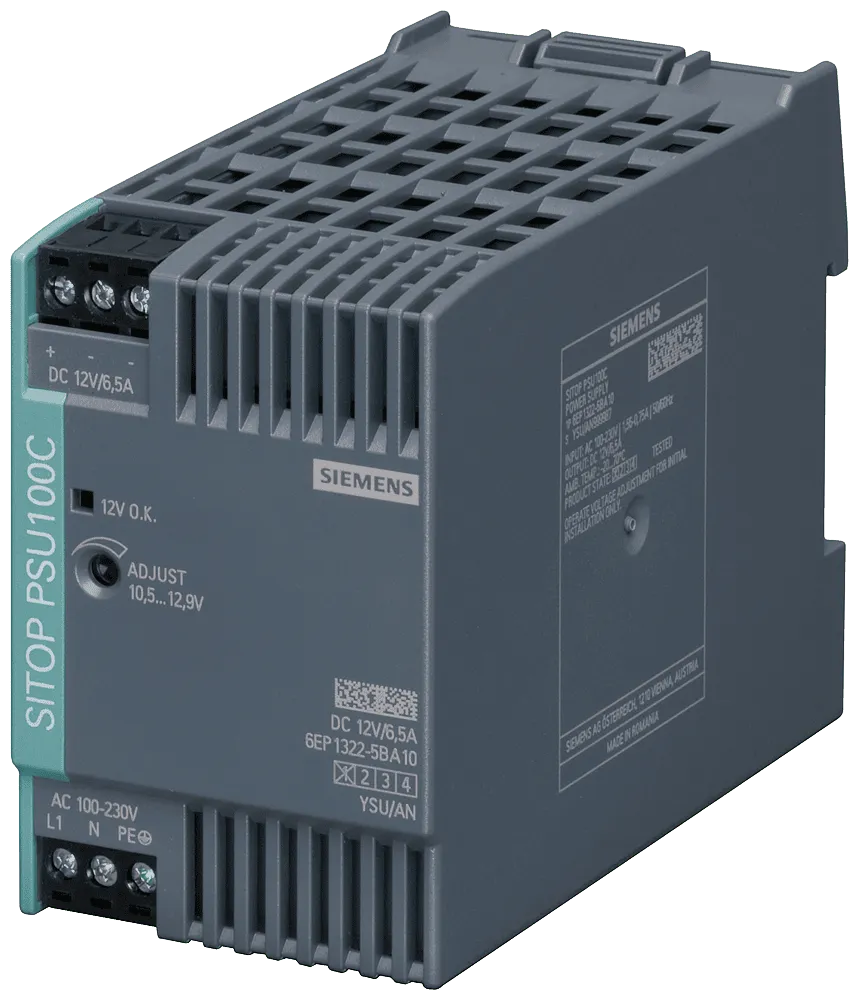
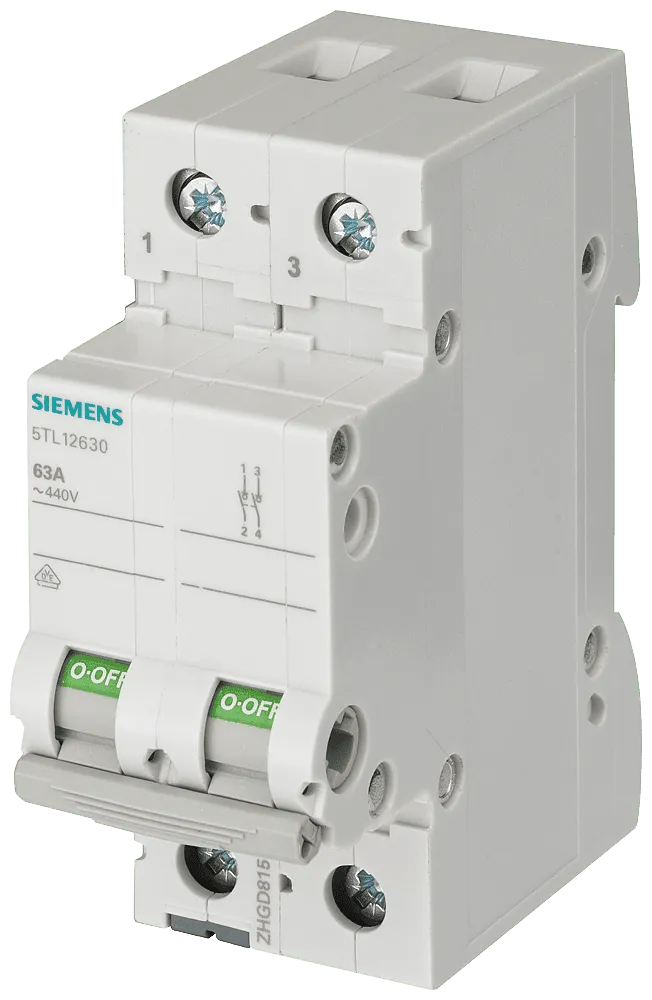
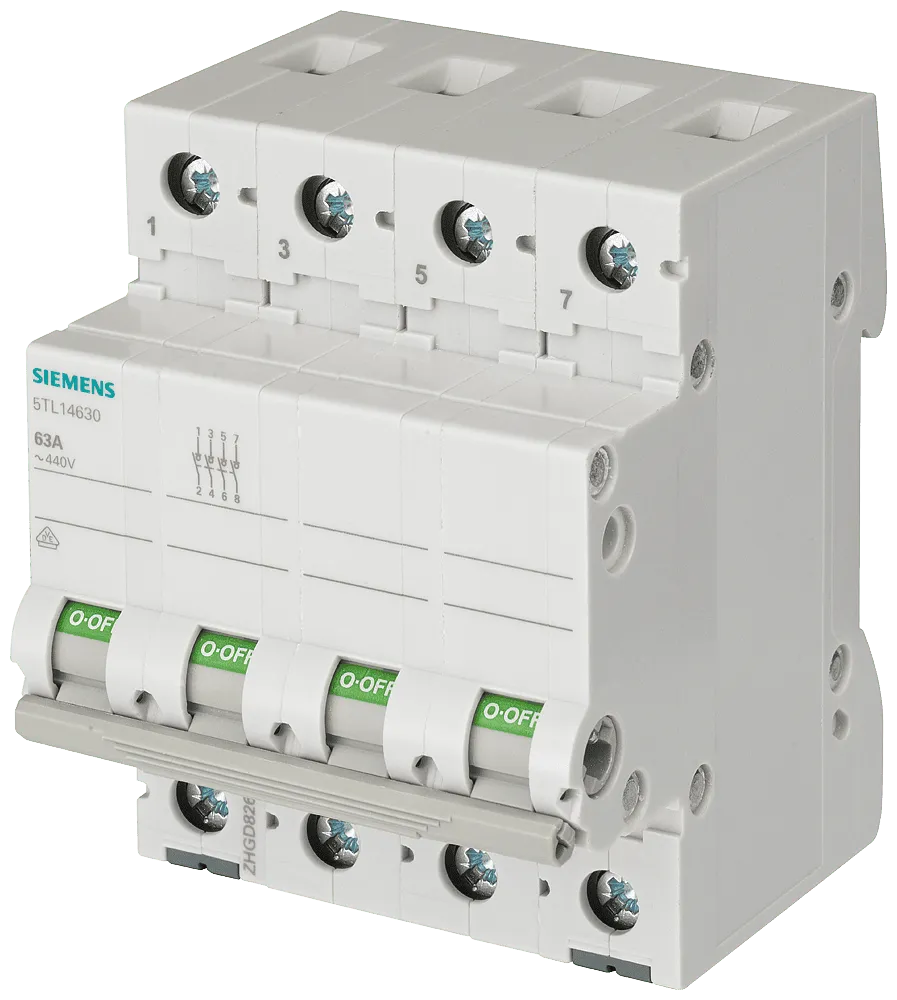
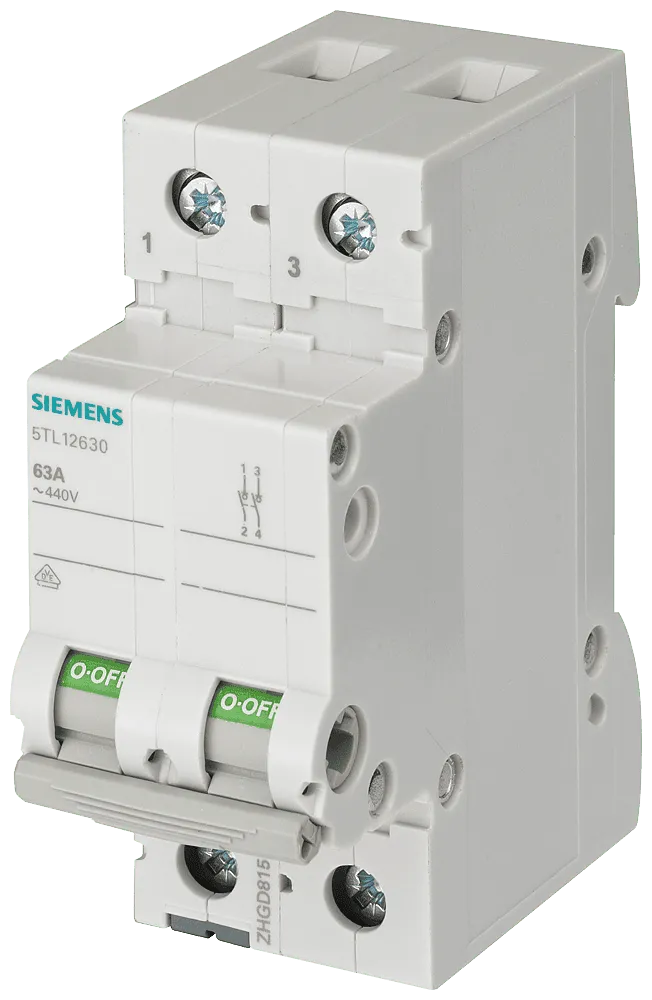
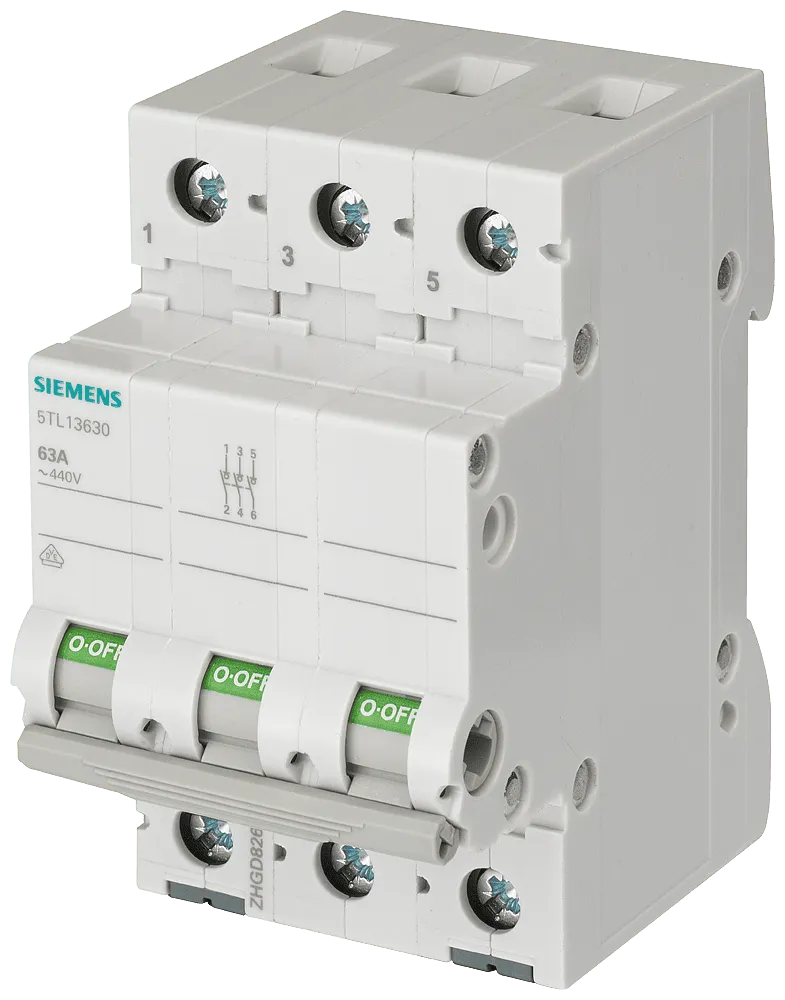
Essential components for controlling electrical flow and providing access to power. These come in various styles and ratings to suit different applications.
𝗕𝗲𝗻𝗲𝗳𝗶𝘁𝘀 𝗮𝗻𝗱 𝗔𝗱𝘃𝗮𝗻𝘁𝗮𝗴𝗲𝘀
Electrical wiring and fittings offer numerous benefits that make them indispensable in modern infrastructure.
1. Safety: High-quality wiring and fittings reduce the risk of electrical hazards, ensuring safe operation in residential and industrial environments.
2. Reliability: Properly installed wiring systems provide consistent power supply, minimizing downtime and enhancing operational efficiency.
3. Compliance: Utilizing certified products ensures adherence to local regulations and safety standards, protecting both people and property.
4. Versatility: A wide range of products allows customization for specific applications, accommodating varying voltage and current requirements.
5. Ease of Installation: Many wiring and fitting options are designed for straightforward installation, reducing labor costs and time.
6. Energy Efficiency: Up-to-date wiring technologies can enhance energy efficiency, leading to lower operational costs over time.
𝗕𝘂𝘆𝗶𝗻𝗴 𝗚𝘂𝗶𝗱𝗲 𝗳𝗼𝗿 𝗕𝟮𝗕 𝗕𝘂𝘆𝗲𝗿𝘀
When sourcing electrical wiring and fittings, buyers should consider several critical factors to ensure quality and reliability.
1. Quality Assessment: Evaluate product specifications and certifications to ensure they meet industry standards. Look for materials that offer durability and performance under expected conditions.
2. Supplier Verification: Conduct background checks on potential suppliers to ensure they are reputable and reliable. Look for reviews, industry experience, and customer feedback.
3. Pricing and MOQ: Understand the pricing structure and minimum order quantities. Compare multiple suppliers to find competitive pricing while ensuring quality.
4. Delivery and Lead Times: Discuss logistics and delivery schedules with suppliers to avoid delays. Ensure they can meet your project timelines and requirements.
5. Compliance Requirements: Verify that the products meet necessary local and international compliance standards. This is crucial for ensuring safety and avoiding legal issues.
𝗖𝗼𝗺𝗽𝗹𝗶𝗮𝗻𝗰𝗲 𝗮𝗻𝗱 𝗖𝗲𝗿𝘁𝗶𝗳𝗶𝗰𝗮𝘁𝗶𝗼𝗻𝘀
Compliance and certifications are vital for ensuring the quality and safety of electrical wiring and fittings. Relevant quality standards include ISO 9001, which demonstrates a commitment to quality management systems. Compliance with CE certification indicates that products meet European health, safety, and environmental protection standards.
In addition to these standards, safety and testing requirements are critical. Electrical products must undergo rigorous testing to ensure they can handle specified voltage and current levels without posing risks. Regional compliance considerations also play a role, as local regulations may dictate specific requirements for electrical installations.
𝗪𝗵𝘆 𝗦𝗼𝘂𝗿𝗰𝗲 𝗘𝗹𝗲𝗰𝘁𝗿𝗶𝗰𝗮𝗹 𝗪𝗶𝗿𝗶𝗻𝗴 & 𝗙𝗶𝘁𝘁𝗶𝗻𝗴𝘀 𝗳𝗿𝗼𝗺 𝗣𝗲𝗽𝗮𝗴𝗼𝗿𝗮?
Pepagora provides a trusted platform for sourcing electrical wiring and fittings, offering several advantages that benefit B2B buyers.
Verified Supplier Network: Pepagora has established a network of verified suppliers, ensuring that buyers can access quality products from reputable manufacturers. This verification process helps to build trust and reliability.
Streamlined RFQ Process: The platform simplifies the request for quotation (RFQ) process, allowing buyers to quickly obtain quotes from multiple suppliers. This efficiency saves time and aids in better decision-making.
Trade Assurance and Support: Pepagora offers buyer protection through trade assurance services, ensuring that transactions are secure and that buyers receive the products as described.
Regional Coverage: With a geographic reach encompassing India, the GCC, and Southeast Asia, Pepagora connects buyers with suppliers across these regions, facilitating broader access to diverse products and solutions.

Frequently Asked Questions
What are Electrical Wiring & Fittings?
Electrical Wiring & Fittings refer to the components used to connect electrical circuits within buildings and structures. This includes cables, connectors, switches, and more, which ensure the safe and efficient distribution of electrical power.
What are the different types of Electrical Wiring & Fittings?
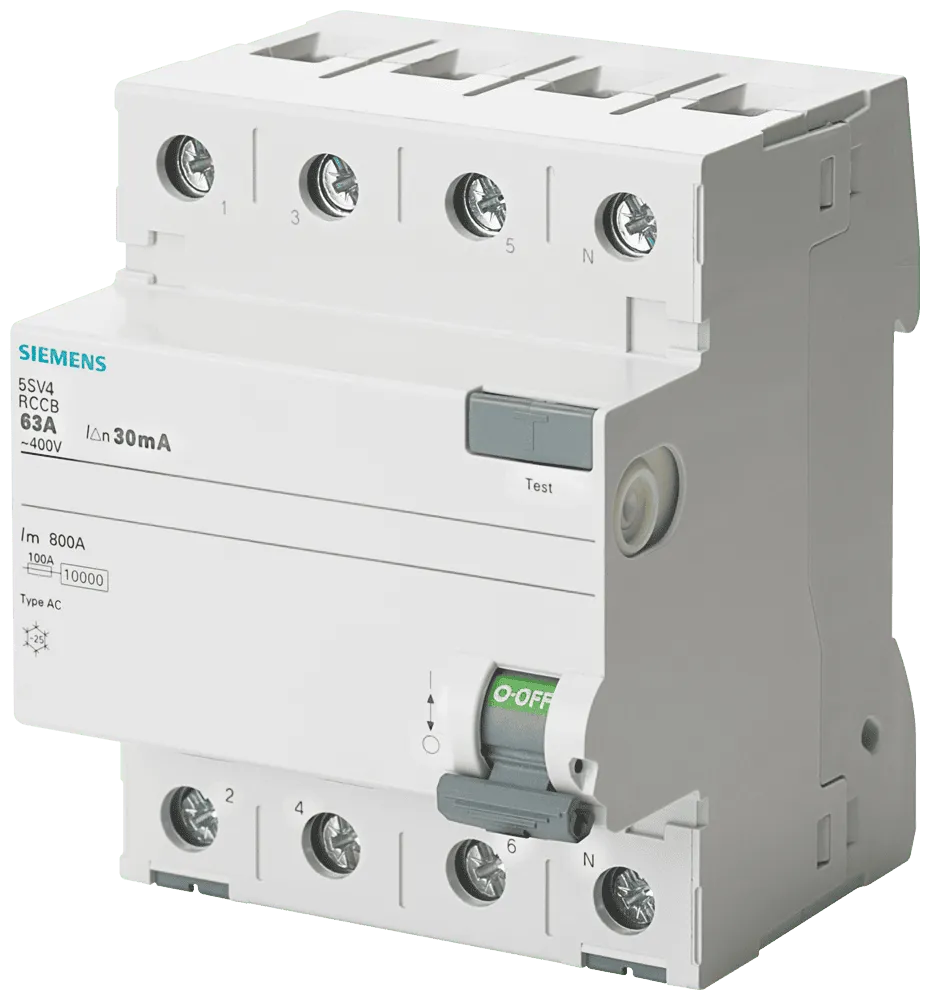
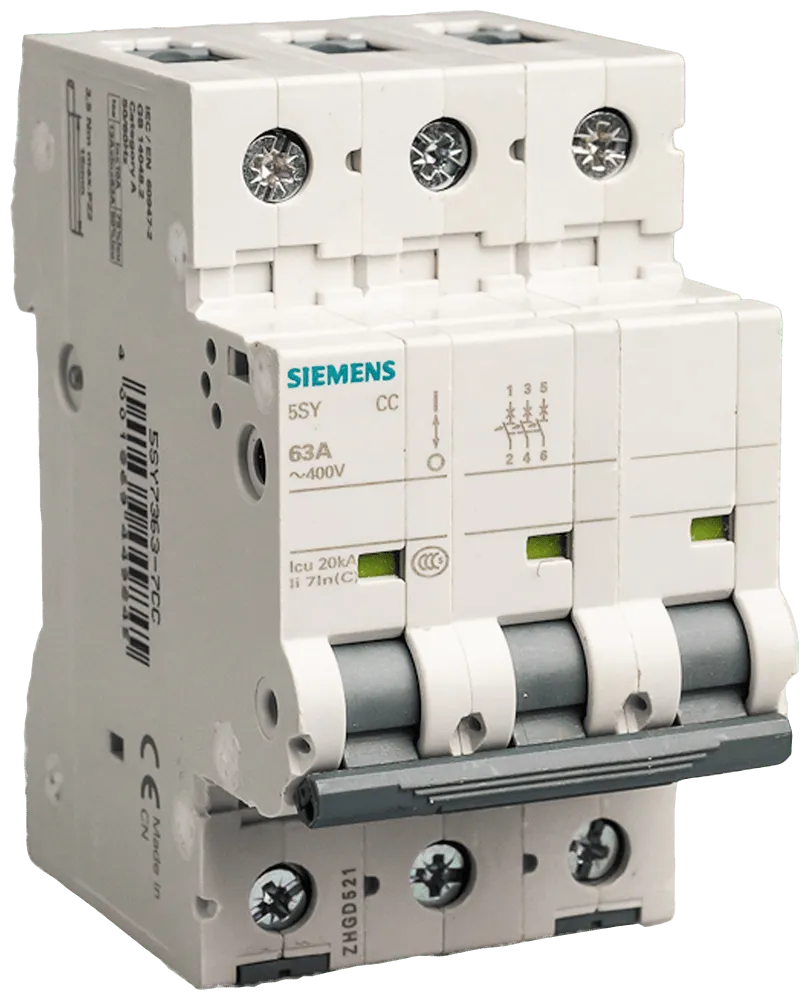
There are several types of Electrical Wiring & Fittings, including PVC wiring, copper wiring, and aluminum wiring. Additionally, fittings can include junction boxes, connectors, switches, and circuit breakers, each serving a specific purpose in electrical installations.
How do I choose the right Electrical Wiring & Fittings?
Choosing the right Electrical Wiring & Fittings involves considering the specific electrical requirements of your project, including load capacity and installation environment. It is also essential to consult relevant electrical codes and standards to ensure compliance and safety.
What are the standard specifications for Electrical Wiring & Fittings?
Standard specifications for Electrical Wiring & Fittings typically include voltage ratings, current ratings, insulation types, and size dimensions. These specifications ensure that the components are suitable for their intended applications and meet safety requirements.
What is the price range for Electrical Wiring & Fittings?
The price range for Electrical Wiring & Fittings can vary significantly based on the type and quality of materials used. Generally, prices can start from a few hundred rupees and can go up to several thousand rupees, depending on the specifications and brands.
What quality standards apply to Electrical Wiring & Fittings?
Quality standards for Electrical Wiring & Fittings include compliance with IS (Indian Standards) and IEC (International Electrotechnical Commission) standards. These standards ensure safety, reliability, and performance in electrical installations.
Where can I find Electrical Wiring & Fittings suppliers in India?
You can find Electrical Wiring & Fittings suppliers in India through B2B marketplaces like Pepagora, trade shows, and local electrical supply stores. Online platforms provide a convenient way to compare products and suppliers.
Can Electrical Wiring & Fittings be customized?
Yes, many manufacturers offer customization options for Electrical Wiring & Fittings based on specific project requirements. Customization may include variations in size, material, and additional features to meet unique electrical needs.
What is the typical minimum order quantity for Electrical Wiring & Fittings?
The typical minimum order quantity (MOQ) for Electrical Wiring & Fittings can vary by supplier and product type, often ranging from 100 to 1000 units. It is advisable to check with individual suppliers for their specific MOQs.
What is the typical lead time for Electrical Wiring & Fittings?
The typical lead time for Electrical Wiring & Fittings can range from a few days to several weeks, depending on the supplier, production schedules, and customization requirements. It is recommended to confirm lead times when placing an order.
Why Businesses Trust Pepagora
Thousands of companies trust Pepagora to source smarter and sell faster
Expand Your Sales Globally

Source Smarter,Grow Faster
