𝗪𝗵𝗮𝘁 𝗮𝗿𝗲 𝗕𝗶𝗼𝗱𝗲𝗴𝗿𝗮𝗱𝗮𝗯𝗹𝗲 & 𝗦𝘂𝘀𝘁𝗮𝗶𝗻𝗮𝗯𝗹𝗲 𝗥𝗮𝘄 𝗠𝗮𝘁𝗲𝗿𝗶𝗮𝗹𝘀?
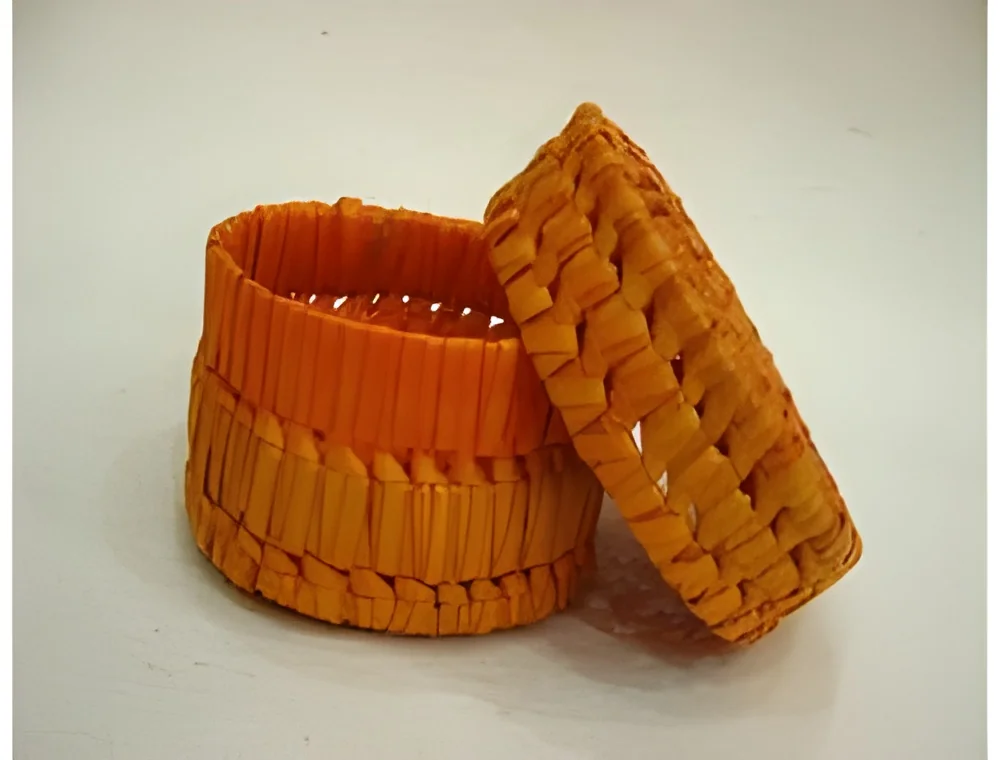
Biodegradable and sustainable raw materials are substances derived from natural sources that can decompose over time through biological processes. These materials are designed to break down into non-toxic components, minimizing environmental impact. They serve as alternatives to traditional petroleum-based materials, aligning with the growing demand for eco-friendly products across various industries.
These raw materials find applications in a multitude of sectors, including packaging, construction, and textiles. Businesses utilize them to create products that meet consumer expectations for sustainability while also adhering to regulatory standards. The relevance of biodegradable and sustainable raw materials has surged in recent years due to increased environmental awareness, leading to a significant market shift towards greener alternatives.
As industries move towards more sustainable practices, the market for biodegradable and sustainable raw materials is expected to expand, offering opportunities for innovation and new product development. Companies that adopt these materials not only contribute to environmental conservation but also enhance their brand reputation by appealing to eco-conscious consumers.
𝗞𝗲𝘆 𝗙𝗲𝗮𝘁𝘂𝗿𝗲𝘀 𝗮𝗻𝗱 𝗦𝗽𝗲𝗰𝗶𝗳𝗶𝗰𝗮𝘁𝗶𝗼𝗻𝘀
Biodegradable and sustainable raw materials come with various features and specifications that cater to different industrial needs. Understanding these specifications is crucial for businesses looking to implement these materials.
Key specifications include:
1. Composition
- Made from renewable resources such as plant-based materials.
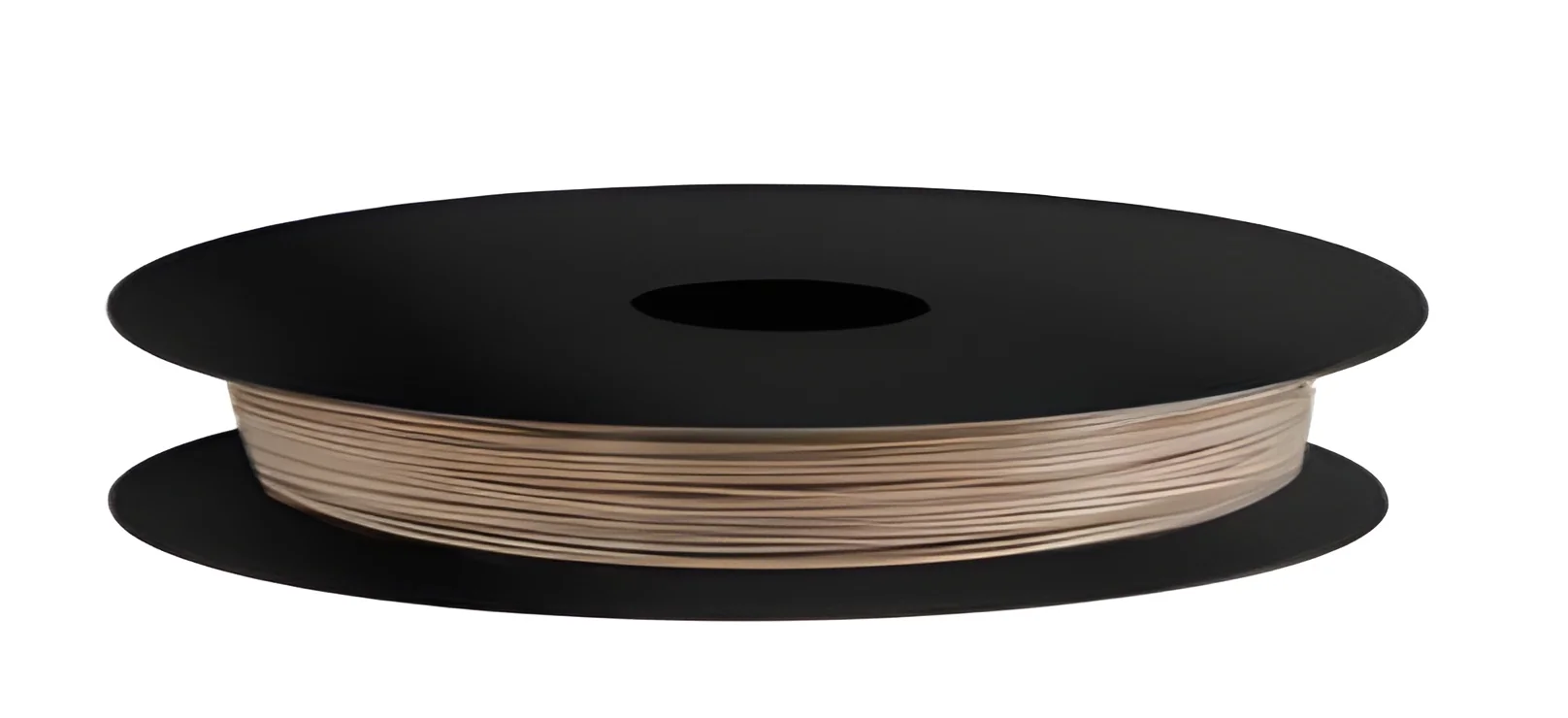
- Includes bioplastics, organic fibers, and natural polymers.
2. Decomposition Rate
- Varies depending on the material and environmental conditions.
- Typically ranges from a few months to several years for complete breakdown.
3. Mechanical Properties
- Strength and flexibility comparable to traditional materials.
- Tailored to meet specific industry standards.
4. Environmental Impact
- Low carbon footprint during production and disposal.
- Reduced reliance on fossil fuels.
5. Compatibility
- Can be used in conjunction with existing manufacturing processes.
- Suitable for various applications including food packaging and textiles.
6. Certification
- Compliance with industry standards such as CE.
- Assurance of safety and environmental impact.
7. Customization
- Ability to modify properties for specific applications.
- Options for color, texture, and performance attributes.
In summary, these specifications ensure that biodegradable and sustainable raw materials meet the diverse needs of industries while promoting environmental stewardship.
𝗖𝗼𝗺𝗺𝗼𝗻 𝗔𝗽𝗽𝗹𝗶𝗰𝗮𝘁𝗶𝗼𝗻𝘀 𝗮𝗻𝗱 𝗨𝘀𝗲 𝗖𝗮𝘀𝗲𝘀
Biodegradable and sustainable raw materials are versatile and can be applied across numerous industries.
1. Packaging: These materials are widely used in food packaging to reduce plastic waste while maintaining product safety and freshness.
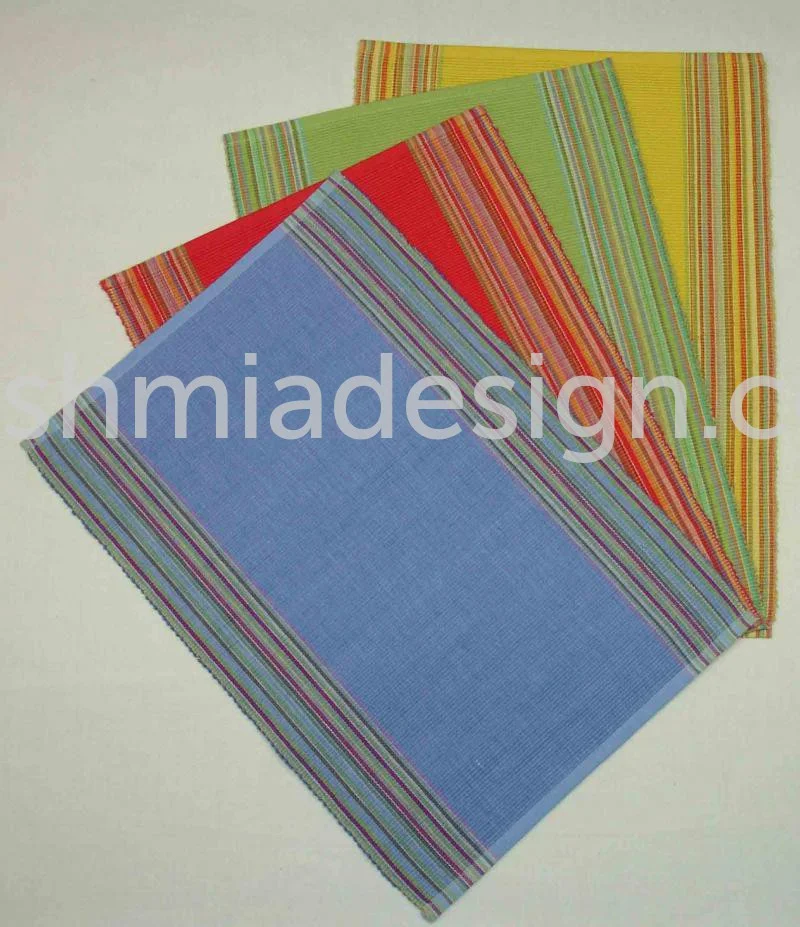
2. Textiles: Sustainable fibers are increasingly utilized in clothing and home textiles, providing eco-friendly alternatives without compromising on quality.
3. Construction: Biodegradable materials are employed in environmentally friendly building products, insulation, and finishes that support sustainable construction practices.
4. Agriculture: Used in biodegradable planting pots and mulch films, these materials help reduce chemical use and plastic pollution in farming.
5. Automotive: Sustainable composites are making their way into vehicle interiors, providing lightweight and eco-friendly options for manufacturers.
6. Consumer Goods: Many everyday products, from utensils to personal care items, now incorporate biodegradable materials to enhance sustainability.
7. Electronics: Biodegradable materials are being explored for use in packaging and components, contributing to reduced waste in the electronic sector.
𝗣𝗿𝗼𝗱𝘂𝗰𝘁 𝗩𝗮𝗿𝗶𝗮𝗻𝘁𝘀 𝗮𝗻𝗱 𝗦𝘂𝗯𝗰𝗮𝘁𝗲𝗴𝗼𝗿𝗶𝗲𝘀
The diversity of biodegradable and sustainable raw materials allows for various product variants tailored to different industry needs.
Biodegradable Plastics
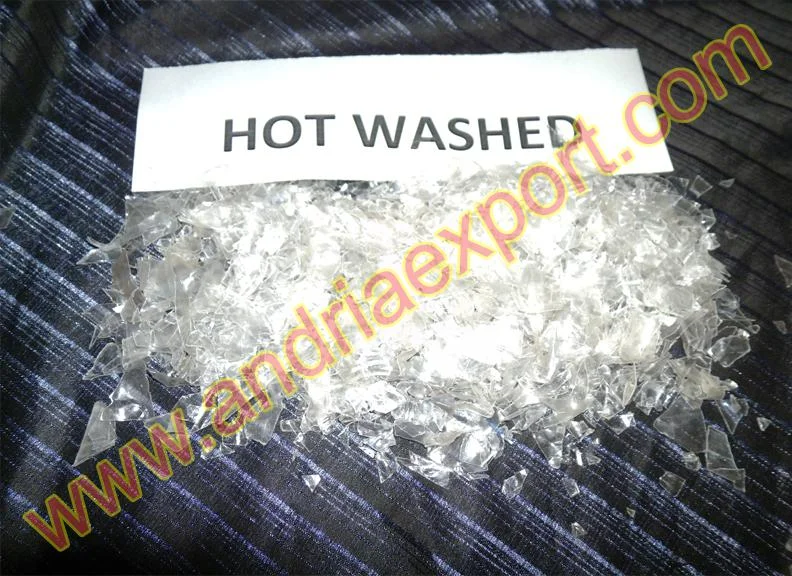
These are made from renewable sources and designed to break down under specific environmental conditions. They are ideal for applications in packaging and disposable items.
Natural Fiber Composites
Combining natural fibers with resins, these materials offer strength and durability for use in construction and automotive sectors. They are lightweight and provide excellent thermal insulation.
Organic Cotton
Used primarily in textiles, organic cotton is grown without synthetic pesticides or fertilizers, making it a popular choice for eco-conscious consumers.
Plant-Based Foams
These foams are used for cushioning in packaging and furniture. They provide similar performance to traditional foams while being biodegradable.
𝗕𝗲𝗻𝗲𝗳𝗶𝘁𝘀 𝗮𝗻𝗱 𝗔𝗱𝘃𝗮𝗻𝘁𝗮𝗴𝗲𝘀
Biodegradable and sustainable raw materials offer a range of benefits that make them appealing to businesses.
1. Environmental Sustainability: These materials reduce plastic pollution and lower carbon emissions, contributing to a healthier planet.
2. Regulatory Compliance: Utilizing biodegradable materials helps businesses meet environmental regulations and standards, avoiding potential fines and penalties.
3. Consumer Demand: With an increasing number of consumers prioritizing sustainability, using these materials can enhance brand loyalty and customer satisfaction.
4. Innovation Opportunities: The development of new biodegradable materials encourages innovation, allowing businesses to differentiate themselves in a competitive market.
5. Cost Efficiency: In the long run, businesses can save on disposal costs and waste management by using biodegradable materials, which often require less processing.
6. Market Growth: The rising trend towards sustainability opens new market opportunities for companies that adopt these materials, positioning them favorably in the industry.
𝗕𝘂𝘆𝗶𝗻𝗴 𝗚𝘂𝗶𝗱𝗲 𝗳𝗼𝗿 𝗕𝟮𝗕 𝗕𝘂𝘆𝗲𝗿𝘀
When sourcing biodegradable and sustainable raw materials, it is essential for B2B buyers to consider several factors.
1. Quality Assessment: Evaluate the quality of materials by reviewing technical specifications and certifications. Look for established standards that ensure product performance and safety.
2. Supplier Verification: Conduct thorough research on potential suppliers. Check references, customer reviews, and industry certifications to ensure reliability and quality.
3. Pricing and MOQ: Understand the pricing structure and minimum order quantities (MOQ) associated with these materials. Compare quotes from different suppliers to find the best value.
4. Delivery and Lead Times: Assess the supplier's ability to meet delivery timelines. Timely delivery is crucial for maintaining production schedules and fulfilling customer orders.
5. Compliance Requirements: Ensure that the materials meet local and international regulatory requirements. This includes checking for necessary certifications and environmental impact assessments.
𝗖𝗼𝗺𝗽𝗹𝗶𝗮𝗻𝗰𝗲 𝗮𝗻𝗱 𝗖𝗲𝗿𝘁𝗶𝗳𝗶𝗰𝗮𝘁𝗶𝗼𝗻𝘀
Compliance with quality standards is critical in the production and use of biodegradable and sustainable raw materials. Key quality standards include ISO 9001, which outlines quality management systems, and HACCP, which ensures food safety. Adherence to these standards is essential for businesses operating in sensitive sectors like food and pharmaceuticals.
Industry certifications, such as CE marking, indicate that products meet European safety and environmental requirements. These certifications provide assurance to buyers about the product's safety and efficacy.
Safety and testing requirements also play a vital role. Materials must undergo rigorous testing to ensure they perform as intended without causing harm to consumers or the environment. This includes assessments for biodegradation rates and overall environmental impact.
Regional compliance considerations must also be taken into account. Different regions may have specific regulations governing biodegradable materials, and businesses should ensure their products meet these local requirements.
𝗪𝗵𝘆 𝗦𝗼𝘂𝗿𝗰𝗲 𝗕𝗶𝗼𝗱𝗲𝗴𝗿𝗮𝗱𝗮𝗯𝗹𝗲 & 𝗦𝘂𝘀𝘁𝗮𝗶𝗻𝗮𝗯𝗹𝗲 𝗥𝗮𝘄 𝗠𝗮𝘁𝗲𝗿𝗶𝗮𝗹𝘀 𝗳𝗿𝗼𝗺 𝗣𝗲𝗽𝗮𝗴𝗼𝗿𝗮?
Pepagora provides a trusted platform for sourcing biodegradable and sustainable raw materials, offering several key advantages to businesses.
Verified Supplier Network: Pepagora connects buyers with a curated network of verified suppliers committed to quality and sustainability. This ensures that businesses can source materials from reputable sources.
Streamlined RFQ Process: The Request for Quotation (RFQ) process is designed to be efficient, allowing buyers to quickly receive quotes from multiple suppliers. This transparency helps businesses make informed purchasing decisions.
Trade Assurance and Support: Pepagora offers trade assurance, providing buyers with protection throughout the transaction process. This fosters trust and encourages secure trading practices.
Regional Coverage: With a strong presence in regions such as India, the GCC, and Southeast Asia, Pepagora ensures that businesses can easily access biodegradable and sustainable raw materials tailored to their specific market needs. This geographic reach enhances supply chain efficiency and responsiveness.

 IN
IN