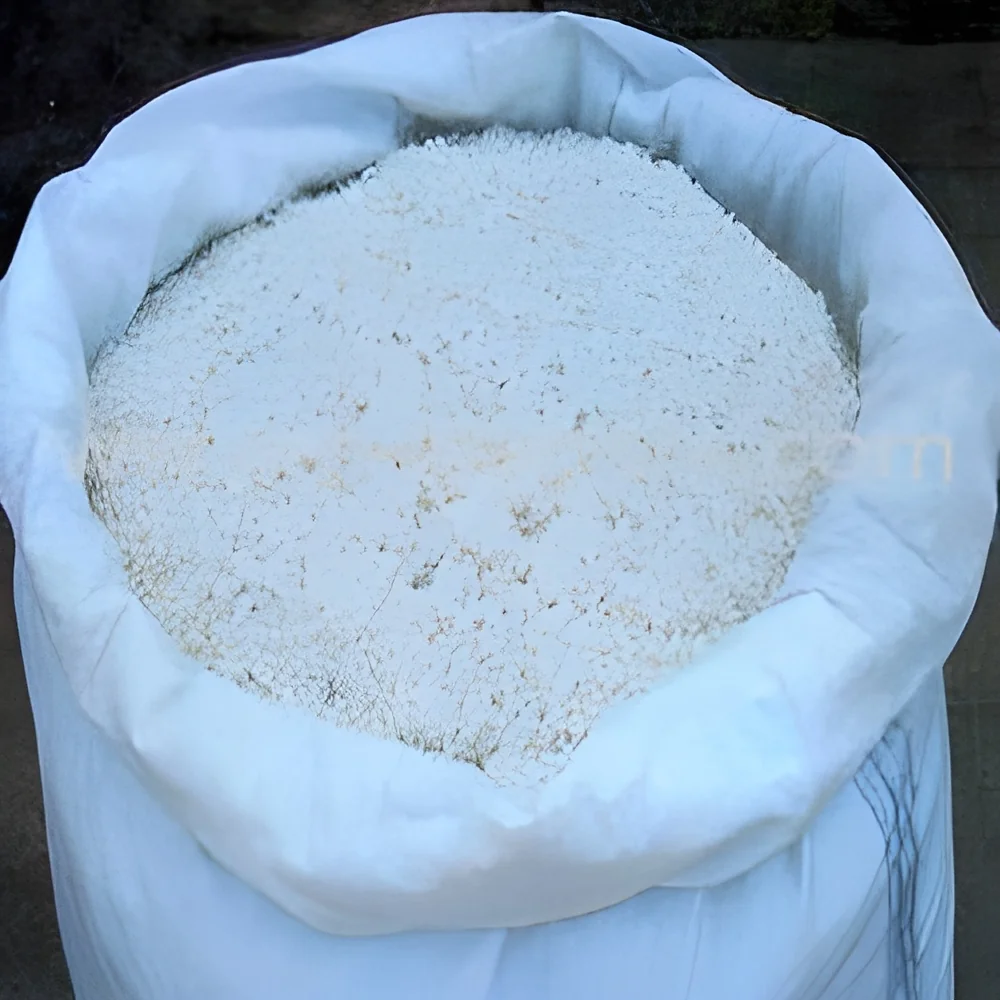
What are Starch-Based Biopolymers?
Starch-based biopolymers are natural polymers derived from starch, a carbohydrate that is abundant in plants. These biopolymers are biodegradable and renewable alternatives to traditional fossil fuel-based plastics. Starch-based biopolymers can be processed into various forms, including films, fibers, and molded products, making them versatile for a range of applications. They offer a sustainable solution to address environmental concerns related to plastic waste.
These biopolymers are primarily used in packaging, agriculture, and the food industry. In packaging, they serve as compostable materials that reduce carbon footprints. In agriculture, they can be utilized in biodegradable mulch films and seed coatings. The food industry benefits from starch-based biopolymers through the production of edible films and coatings. The growing emphasis on sustainability and eco-friendliness has increased the demand for starch-based biopolymers across various sectors.
The market for starch-based biopolymers is expanding rapidly, driven by regulatory changes and consumer preferences for sustainable products. Industries are increasingly adopting these materials to enhance their environmental credentials. As a result, starch-based biopolymers are becoming a significant component of the circular economy, promoting the use of renewable resources.
Key Features and Specifications
Starch-based biopolymers boast several important features that make them suitable for various industrial applications. These features are essential for B2B buyers to consider when selecting the right products for their needs.
Key specifications include:
1. Biodegradability
- Fully biodegradable within a specific timeframe
- Complies with industrial composting standards
2. Mechanical Strength
- Exhibits tensile strength comparable to conventional plastics
- Suitable for packaging and structural applications
3. Water Resistance
- Offers varying degrees of water resistance based on formulation
- Can be tailored for moisture-sensitive applications
4. Thermal Stability
- Maintains properties across a range of temperatures
- Suitable for applications involving heat exposure
5. Customizability
- Can be modified to enhance specific properties
- Options for color, thickness, and additives available
6. Non-Toxicity
- Safe for food contact and agricultural use
- Complies with safety regulations
7. Renewable Resource
- Sourced from natural, renewable materials
- Reduces reliance on fossil fuels
8. Ease of Processing
- Compatible with standard processing techniques
- Can be extruded, molded, or cast as needed
Starch-based biopolymers combine functionality and sustainability, making them an appealing choice for many industries.
Common Applications and Use Cases
Starch-based biopolymers are utilized across diverse sectors due to their versatility and eco-friendliness.
1. Packaging: Starch-based films are used in food packaging to reduce plastic waste while maintaining product integrity. They are compostable, making them an attractive option for environmentally conscious brands.
2. Agriculture: These biopolymers are employed in biodegradable mulch films that help improve soil moisture retention while minimizing environmental impact. They are also used in seed coatings to enhance germination rates.
3. Food Industry: Edible films made from starch-based biopolymers are used to wrap food items, extending shelf life and reducing the need for plastic packaging.
4. Medical Applications: Starch-based materials are explored in drug delivery systems and biodegradable sutures, offering medical solutions that align with sustainability goals.
5. Consumer Goods: Biopolymer components are increasingly found in disposable cutlery, plates, and other single-use items, providing an environmentally friendly alternative to conventional plastics.
6. Textiles: Starch-based fibers are being developed for use in textiles, promoting biodegradable options in clothing and home goods.
7. Automotive: These materials are being investigated for use in interior components, reducing the carbon footprint of vehicle manufacturing.
Product Variants and Subcategories
Starch-based biopolymers come in various forms, each tailored for specific applications.
Thermoplastic Starch (TPS)
Thermoplastic starch is processed to produce flexible materials suitable for packaging and film applications. It can be easily molded and extruded, making it ideal for a wide range of uses.
Starch Blends
Blended biopolymers combine starch with other biodegradable materials to enhance performance characteristics. These blends can be customized for different mechanical properties and applications.
Starch-Based Coatings
These coatings are utilized in food packaging and agricultural applications to provide moisture and oxygen barriers. They help maintain product freshness while being environmentally sustainable.
Benefits and Advantages
Starch-based biopolymers offer numerous advantages for businesses looking to implement sustainable practices.
1. Environmental Sustainability: They are biodegradable and compostable, significantly reducing landfill waste and environmental impact.
2. Renewable Resource: Sourced from natural materials, starch-based biopolymers promote the use of renewable resources, decreasing dependence on fossil fuels.
3. Versatile Applications: Their adaptability allows for use in various industries, from packaging to textiles, catering to diverse business needs.
4. Cost-Effectiveness: As technology advances, the production costs of these biopolymers are decreasing, making them more accessible for widespread use.
5. Improved Brand Image: Utilizing starch-based biopolymers can enhance a company's reputation by demonstrating commitment to sustainability.
6. Compliance with Regulations: Many industries face increasing regulations regarding plastic use. Starch-based biopolymers help companies meet these requirements.
Buying Guide for B2B Buyers
When sourcing starch-based biopolymers, several factors should be considered to ensure the right choice for your business needs.
1. Quality Assessment: Evaluate the product for biodegradability, mechanical strength, and safety compliance. Request samples to test performance in your specific application.
2. Supplier Verification: Research potential suppliers to confirm their reliability and reputation. Look for certifications and industry experience to ensure product quality.
3. Pricing and MOQ: Inquire about pricing structures and minimum order quantities. Understand cost implications for both small and large orders to optimize budget planning.
4. Delivery and Lead Times: Assess the supplier’s logistics capabilities and delivery timelines. Ensure they can meet your production schedules without delays.
5. Compliance Requirements: Verify that the products meet relevant industry standards and regulations to avoid potential legal issues and enhance product acceptance.
Compliance and Certifications
Starch-based biopolymers must adhere to various quality standards and regulations to ensure safety and performance. ISO 9001 is a key quality management standard that applies to manufacturers of biopolymers, ensuring consistent quality in production processes. Additionally, compliance with HACCP (Hazard Analysis Critical Control Point) is essential in food applications to promote safety and minimize risks.
CE certification indicates that the product meets European safety, health, and environmental requirements, making it suitable for use in the European market. Companies should also consider safety and testing requirements relevant to their specific industry, as these can vary significantly.
Regional compliance is another critical factor, as regulations differ across markets. Buyers should ensure that their selected products comply with local laws and standards to facilitate smooth market entry and acceptance.
Why Source Starch-Based Biopolymers from Pepagora?
Pepagora provides a trusted platform for sourcing starch-based biopolymers, offering several key advantages to B2B buyers.
Verified Supplier Network: Pepagora has established a network of verified suppliers, ensuring that businesses can access high-quality products from reputable sources. This minimizes the risk of receiving subpar materials.
Streamlined RFQ Process: The platform features a streamlined request for quotation (RFQ) process, allowing buyers to quickly obtain quotes from multiple suppliers. This efficiency saves time and aids in better decision-making.
Trade Assurance and Support: Pepagora offers trade assurance to protect buyers throughout the purchasing process. This includes support for dispute resolution and guarantees on product quality, providing peace of mind.
Regional Coverage: With a strong presence in India, the GCC, and Southeast Asia, Pepagora facilitates access to a diverse range of suppliers and products. This geographic reach ensures that buyers can find suitable starch-based biopolymers tailored to their specific market needs.

 IN
IN