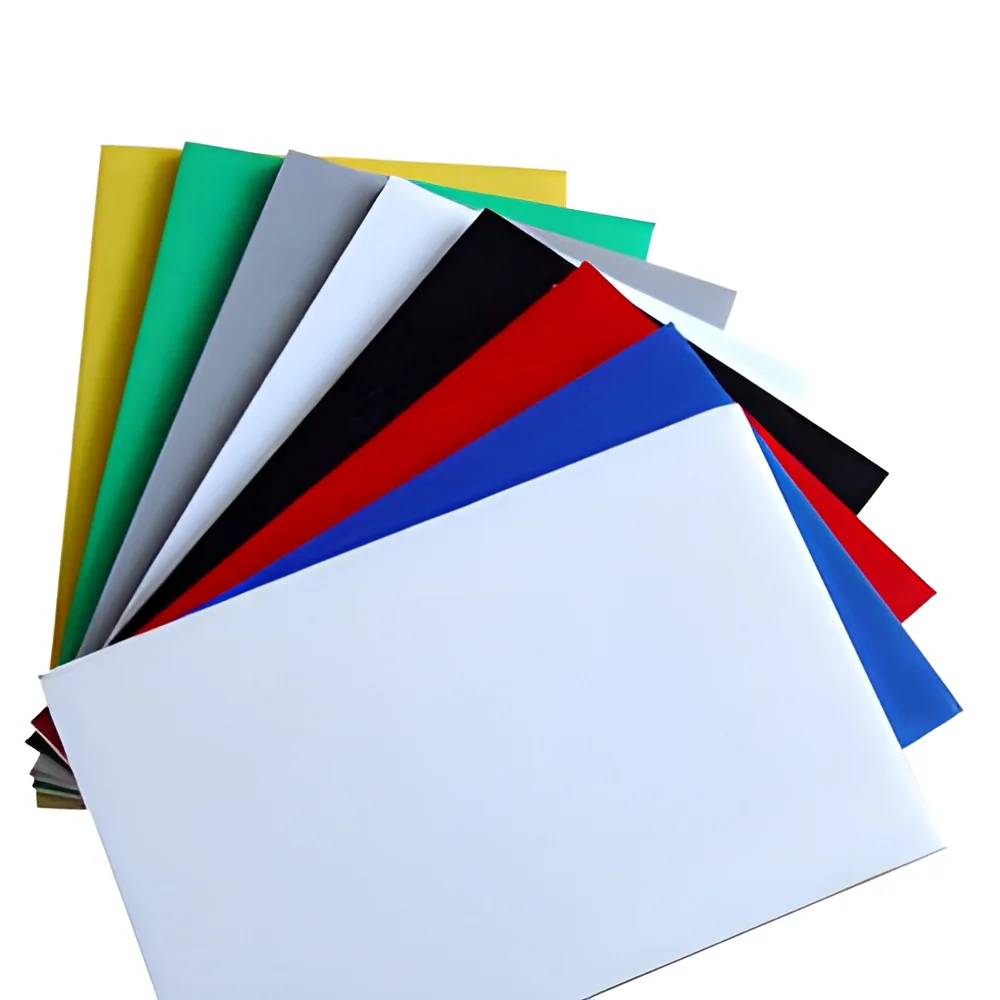
What are Biodegradable Packaging Foam?
Biodegradable packaging foam is an eco-friendly alternative to traditional packaging materials, designed to provide cushioning and protection for products during shipping and storage. Made from natural materials, this type of foam decomposes over time, significantly reducing environmental impact compared to conventional foams that can persist in landfills for decades. The biodegradable properties ensure that the foam breaks down into non-toxic components, making it a sustainable choice for businesses aiming to enhance their ecological footprint.
This packaging solution is widely used across various industries, including e-commerce, electronics, and food service. It is particularly beneficial for companies looking to minimize waste and adhere to increasing consumer demand for sustainable practices. The versatility of biodegradable packaging foam makes it suitable for a range of applications, from packing fragile items to providing thermal insulation for temperature-sensitive goods. With the growing emphasis on sustainability, this product is becoming increasingly relevant in the market, as businesses seek to balance operational efficiency with environmental responsibility.
Key Features and Specifications
Biodegradable packaging foam offers several key features that make it an attractive option for businesses. It is lightweight, providing effective protection without adding excess weight to shipments. Additionally, it can be produced in various densities and forms to meet specific packaging needs. The foam is generally free from harmful chemicals, making it safe for a variety of applications.
Key specifications include:
1. Material Composition
- Made from plant-based materials or other renewable resources
- Fully biodegradable within a defined timeframe (typically within 90-180 days)
2. Density Options
- Available in multiple densities to suit different applications
- Common densities range from 0.5 to 1.5 pounds per cubic foot
3. Thermal Insulation Properties
- Designed to provide thermal protection for temperature-sensitive items
- Effective temperature range varies based on material but typically supports ambient conditions
4. Customization Capabilities
- Can be tailored to specific dimensions or shapes based on customer requirements
- Options for printing logos or branding on foam surfaces
5. Impact Resistance
- Provides cushioning to protect delicate items during transit
- Absorbs shock effectively to minimize damage
6. Compliance with Safety Standards
- Meets various safety and environmental regulations
- Certifications available, such as CE marking for compliance
7. Recyclability
- In addition to biodegradability, many variants are also recyclable
- Can be processed alongside other biodegradable materials
In summary, biodegradable packaging foam presents an innovative solution that combines functionality with eco-friendliness, making it an excellent choice for businesses focused on sustainability.
Common Applications and Use Cases
Biodegradable packaging foam serves a variety of industries, reflecting its versatility and effectiveness in protective packaging.
1. E-commerce: Many online retailers use biodegradable foam to package fragile items such as electronics and glassware, ensuring safe delivery while reducing environmental impact.
2. Food Service: This foam is often employed in the food industry for packaging perishable goods, providing insulation and protection while being safe for direct food contact.
3. Electronics: Manufacturers of electronic devices rely on biodegradable foam to cushion products during shipping, reducing the risk of damage to delicate components.
4. Cosmetics: The cosmetic industry utilizes biodegradable foam for packaging products, enhancing their appeal to eco-conscious consumers and aligning with sustainability initiatives.
5. Pharmaceuticals: Biodegradable foam is used to protect sensitive pharmaceutical products during transport, ensuring they arrive in optimal condition without harming the environment.
6. Home Goods: Retailers of home goods incorporate biodegradable foam in their packaging to provide a protective layer for items like ceramics and furniture.
7. Industrial Applications: Companies in manufacturing may use biodegradable foam to protect machinery parts or components during shipping, contributing to a greener supply chain.
Product Variants and Subcategories
Biodegradable packaging foam is available in various forms, catering to different business needs and preferences.
Variant 1: Cushioning Foam
This variant is designed specifically for cushioning fragile items. It offers excellent shock absorption and is available in varying densities to accommodate different protection levels. Ideal for e-commerce and electronics industries.
Variant 2: Insulation Foam
This type provides thermal protection for temperature-sensitive products. It is particularly useful in the food service and pharmaceutical sectors, ensuring that items maintain their required temperatures during transit.
Variant 3: Custom-Shaped Foam
Custom-shaped foam can be tailored to fit specific products, offering a snug fit that minimizes movement during shipping. This variant is often used in high-end packaging for cosmetics and electronics.
Benefits and Advantages
Choosing biodegradable packaging foam comes with several advantages that can enhance a business's operations and sustainability profile.
1. Environmental Responsibility: This packaging solution reduces landfill waste, helping companies meet their sustainability goals and improve their public image.
2. Cost-Effectiveness: While the initial cost may be higher than traditional materials, the long-term benefits of reduced waste disposal fees and potential tax incentives for sustainable practices can lead to savings.
3. Brand Differentiation: Using eco-friendly packaging can set a company apart from competitors, attracting environmentally conscious consumers and enhancing brand loyalty.
4. Safety Compliance: Biodegradable foam is often free from harmful chemicals, making it a safer choice for products requiring direct contact with consumers.
5. Versatility: This foam can be used across various industries, adapting to different packaging needs and providing a solution for multiple applications.
6. Lightweight Design: The lightweight nature of biodegradable foam ensures that shipping costs are kept to a minimum while still providing adequate protection.
Buying Guide for B2B Buyers
When sourcing biodegradable packaging foam, it’s essential to consider several key factors to ensure you select the right product for your business needs.
1. Quality Assessment: Evaluate the quality of the foam based on its material composition, density, and compliance with relevant safety standards. Request samples to test performance in real-world applications.
2. Supplier Verification: It’s crucial to vet potential suppliers for reliability and reputation. Look for certifications and customer reviews to ensure you are working with a trusted partner.
3. Pricing and MOQ: Understand the pricing structure and minimum order quantities (MOQs) of suppliers. Compare prices but also consider the quality and features of the foam to ensure you make a cost-effective choice.
4. Delivery and Lead Times: Inquire about delivery schedules and lead times. Timely delivery is critical for maintaining supply chain efficiency, so ensure that your chosen supplier can meet your needs.
5. Compliance Requirements: Verify that the biodegradable foam meets necessary regulatory requirements for your industry. This may include certifications such as CE marking or adherence to specific safety standards.
Compliance and Certifications
Biodegradable packaging foam must adhere to various quality standards and certifications to ensure it meets safety and environmental regulations. Key standards include ISO 9001 for quality management systems, which ensures that manufacturers maintain consistent quality in their products.
Additionally, certifications like CE indicate compliance with European health, safety, and environmental protection standards. For industries such as food service and pharmaceuticals, adherence to HACCP (Hazard Analysis Critical Control Point) guidelines is essential to ensure safety in food packaging.
Testing requirements may also be in place to ascertain the foam's biodegradability and safety for consumer use. Regional compliance considerations may vary, so it is essential for businesses to be aware of local regulations regarding biodegradable materials.
Why Source Biodegradable Packaging Foam from Pepagora?
Pepagora offers a reliable platform for sourcing biodegradable packaging foam, providing a range of advantages for businesses looking to adopt sustainable practices.
Verified Supplier Network: Pepagora ensures that all suppliers on its platform undergo a thorough verification process. This provides buyers with peace of mind knowing they are dealing with reputable manufacturers who meet industry standards.
Streamlined RFQ Process: The quotation system on Pepagora simplifies the sourcing process. Buyers can easily request quotes, compare prices, and evaluate options from multiple suppliers, saving time and effort.
Trade Assurance and Support: Pepagora offers trade assurance to protect buyers, ensuring that transactions are secure and that they receive the quality products they ordered. Support is also available for any issues that may arise during the purchasing process.
Regional Coverage: The platform connects buyers with suppliers across India, the GCC, and Southeast Asia, allowing businesses to source biodegradable packaging foam from a broader geographical pool while ensuring local compliance with regulations.

 IN
IN