Key Features and Specifications
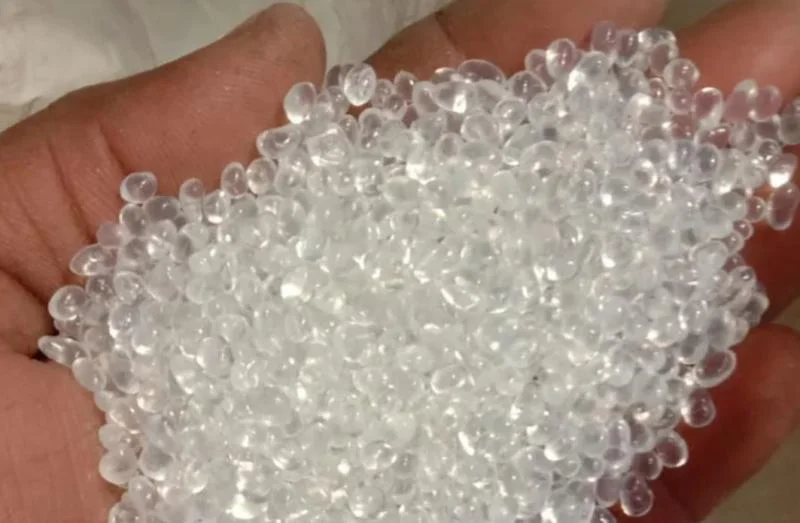
PLA pellets offer a range of features and specifications that make them suitable for diverse applications. They are known for their ease of processing and compatibility with existing plastic manufacturing technologies. PLA has a lower melting temperature than many conventional plastics, which allows for energy-efficient production processes.
Key specifications include:
1. Biodegradability
- Designed to break down in industrial composting conditions
- Complies with ASTM D6400 and EN 13432 standards
2. Melting Temperature
- Typical melting point ranges from 150°C to 160°C
- Lower processing temperatures reduce energy consumption
3. Tensile Strength
- Offers tensile strength between 50 to 70 MPa
- Provides good mechanical properties for various applications
4. Transparency
- Naturally transparent, suitable for applications requiring clarity
- Can be modified for opacity depending on end-use requirements
5. Thermal Stability
- Suitable for applications requiring good thermal resistance
- Maintains properties over a range of temperatures
6. Compatibility
- Compatible with various biopolymers and additives
- Allows for formulation adjustments to enhance properties
7. Shelf Life
- Has a shelf life of up to 12 months when stored in cool, dry conditions
- Requires humidity control for optimal performance
8. Color Customization
- Can be produced in various colors to meet branding needs
- Color additives can be incorporated for specific applications
In summary, PLA pellets offer a combination of sustainability and performance, making them an attractive option for manufacturers across multiple industries.
Common Applications and Use Cases
PLA pellets serve numerous industries due to their versatility and eco-friendliness.
1. Packaging: Widely used in food packaging materials such as containers, cutlery, and films, PLA provides an alternative to traditional plastic packaging that is both biodegradable and compostable.
2. Textiles: In the textile industry, PLA is processed into fibers for clothing and non-woven fabrics. Its biodegradable nature aligns with the growing demand for sustainable fashion.
3. Biomedical: PLA pellets are utilized in medical applications, including biodegradable sutures and drug delivery systems. Their biocompatibility makes them suitable for short-term implantation.
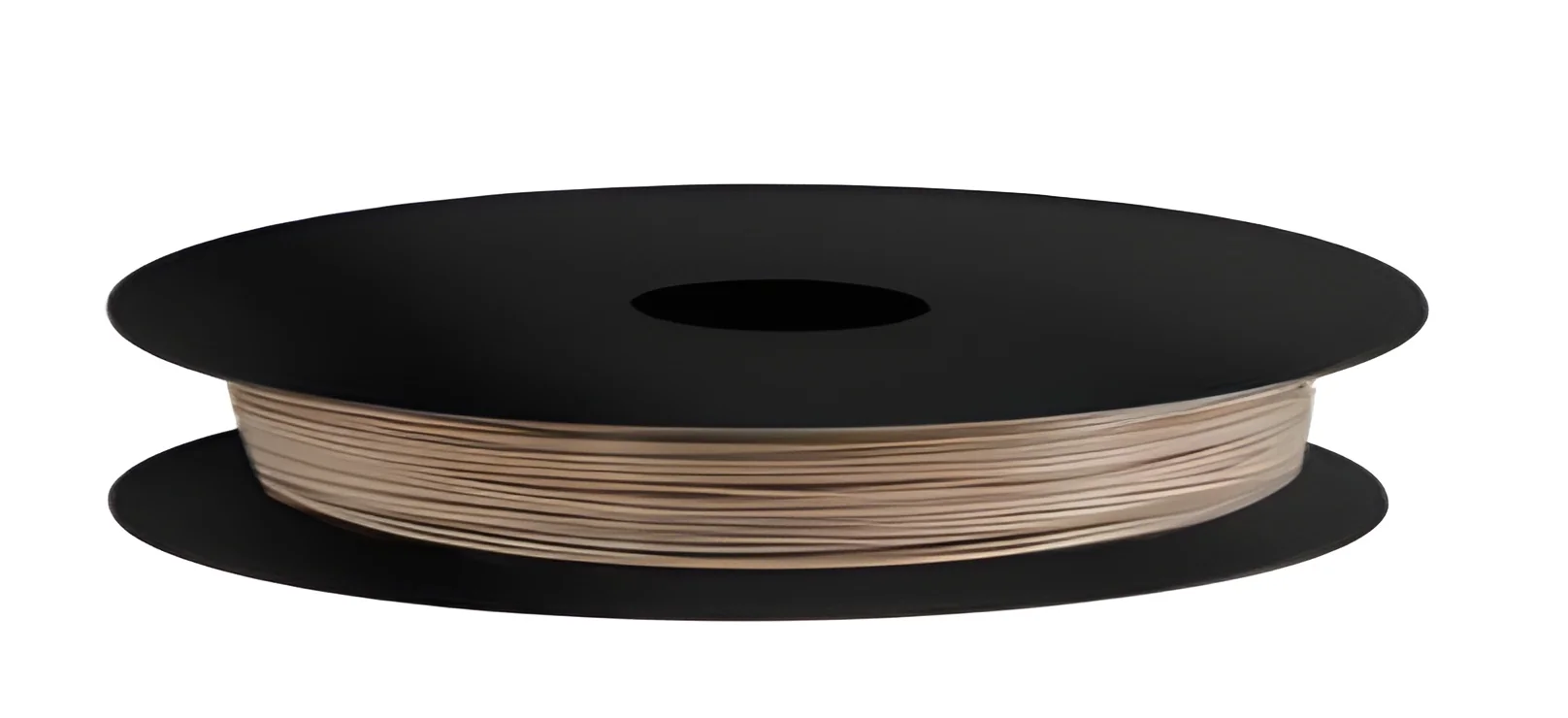
4. 3D Printing: The additive manufacturing sector commonly employs PLA due to its ease of use and favorable print characteristics, allowing for the creation of complex designs.
5. Agriculture: In agriculture, PLA is used in biodegradable films for mulching and seedling pots, reducing plastic waste in farming practices.
6. Consumer Goods: PLA is found in various consumer products, from toys to home goods, appealing to environmentally conscious consumers.
7. Electronics: The electronics industry increasingly uses PLA composites in packaging and insulation, promoting sustainability in product design.
Product Variants and Subcategories
While PLA pellets can come in various formulations, they are generally categorized based on their specific applications and characteristics.
Standard PLA Pellets
These are the most common type of PLA, used in general applications such as packaging and 3D printing. They offer a good balance of performance and biodegradability.
High-Performance PLA Pellets
These pellets are engineered to enhance specific properties, such as increased tensile strength or thermal stability. They are suitable for more demanding applications in industrial settings.
Impact-Modified PLA Pellets
These variants are designed to improve impact resistance while maintaining biodegradability. They are ideal for applications where durability is crucial.
Blended PLA Pellets
These pellets are blended with other biodegradable materials to achieve desired properties. They are often used in specialized applications requiring unique performance characteristics.
Benefits and Advantages
PLA pellets offer several advantages that make them an attractive choice for businesses looking to adopt sustainable materials.
1. Environmental Benefits: PLA is made from renewable resources and is biodegradable, contributing to reduced plastic pollution.
2. Versatility: The material can be used across multiple applications, from packaging to textiles, making it a flexible option for manufacturers.
3. Low Carbon Footprint: The production of PLA results in lower greenhouse gas emissions compared to petroleum-based plastics, supporting a more sustainable manufacturing process.
4. Ease of Processing: PLA can be processed using existing machinery for conventional plastics, minimizing the need for additional investments.
5. Biocompatibility: PLA's safe use in medical applications allows for innovative solutions in healthcare.
6. Customizable Properties: Manufacturers can tailor PLA formulations to meet specific performance needs, such as color and strength.
Buying Guide for B2B Buyers
When sourcing PLA (Polylactic Acid) pellets, it is essential to consider several factors to ensure a successful procurement process.
1. Quality Assessment: Evaluate the quality of PLA pellets by reviewing certifications and conducting tests to ensure compliance with industry standards.
2. Supplier Verification: Vet suppliers by checking their background, customer reviews, and production capabilities to ensure reliability.
3. Pricing and MOQ: Analyze pricing structures and minimum order quantities (MOQ) to align with your budget and inventory requirements.
4. Delivery and Lead Times: Discuss logistics with suppliers to understand delivery times and ensure they meet your production schedules.
5. Compliance Requirements: Ensure that the PLA pellets meet necessary regulatory and safety standards specific to your industry and region.
Compliance and Certifications
PLA pellets must adhere to various quality standards and certifications to ensure they are safe and suitable for use in different applications. Key certifications include CE marking, which indicates compliance with European safety standards.
Manufacturers often comply with ISO 9001 quality management standards to ensure consistent quality in production processes. Additionally, adherence to HACCP (Hazard Analysis Critical Control Points) principles is crucial for applications in the food industry, as it helps identify and mitigate potential hazards.
Safety and testing requirements are also important, especially for biomedical applications, where materials must undergo rigorous testing to ensure biocompatibility and performance.
Regional compliance considerations may vary, and businesses should ensure that their suppliers meet specific local and international regulations regarding biodegradable materials.
Why Source PLA (Polylactic Acid) Pellets from Pepagora?
Pepagora provides a trusted platform for sourcing PLA (Polylactic Acid) pellets, leveraging a verified supplier network to ensure quality and reliability. Each supplier undergoes a thorough verification process, giving buyers confidence in their sourcing decisions.
The streamlined RFQ (Request for Quotation) process simplifies procurement, allowing businesses to quickly receive quotes and compare options from multiple suppliers. This efficiency enables timely decision-making and better price negotiation.
Trade assurance and support are also integral features of Pepagora's platform. Buyers are protected through various mechanisms that ensure product quality and delivery, reducing the risk involved in procurement.
With regional coverage spanning India, the GCC, and Southeast Asia, Pepagora connects buyers with suppliers in key markets, facilitating access to high-quality PLA pellets while supporting sustainable practices across industries.

 IN
IN