
 IN
Recycled PET Materials
18 products available
What are Recycled PET Materials?
Recycled PET materials, or rPET, are derived from post-consumer plastic products, primarily beverage bottles. The recycling process involves collecting, cleaning, and processing these plastics into new materials that can be used in various applications. This sustainable approach reduces the need for virgin plastic production, thus conserving resources and minimizing environmental impact.
The primary uses of recycled PET materials include packaging, textiles, and automotive parts. In the packaging industry, rPET is commonly employed for producing bottles, containers, and films. In textiles, it can be transformed into fibers for clothing and carpets. The automotive sector utilizes rPET for manufacturing components, contributing to a circular economy by repurposing waste materials. As global awareness of sustainability increases, the demand for recycled PET materials continues to grow across diverse industries.
Key Features and Specifications
Recycled PET materials boast several advantageous features that make them appealing for various applications. These materials are lightweight, durable, and versatile, allowing manufacturers to create a broad range of products. Moreover, their eco-friendly nature aligns with the growing demand for sustainable materials in the marketplace.
Key specifications include:
1. Mechanical Properties
- High tensile strength
- Good impact resistance
2. Thermal Properties
- High melting point suitable for various applications
- Thermal stability under moderate temperatures
3. Chemical Resistance
- Resistant to a wide range of chemicals
- Suitable for food and beverage applications
4. Clarity and Transparency
- Clear rPET options are available for visibility
- Ideal for packaging applications requiring transparency
5. Color Variability
- Available in various colors
- Customizable options for branding needs
6. Recyclability
- Fully recyclable, supporting sustainability efforts
- Supports circular economy initiatives
7. Availability
- Widely available through various suppliers
- Scalable production to meet demand
In summary, recycled PET materials offer a combination of strength, versatility, and sustainability, making them an excellent choice for many businesses looking to reduce their environmental footprint.
Common Applications and Use Cases
Recycled PET materials serve various industries with specific applications tailored to their needs.
1. Packaging Industry: rPET is widely used to produce bottles, containers, and films, enhancing the sustainability of product packaging.
2. Textile Industry: The fibers derived from rPET are utilized in clothing and carpets, providing a sustainable alternative to virgin fibers.
3. Automotive Sector: rPET is incorporated into automotive components, contributing to weight reduction and improved fuel efficiency.
4. Electronics Industry: Recycled PET is used in producing casings and components, supporting eco-friendly practices in electronics.
5. Construction Industry: rPET can be used in insulation materials and structural components, promoting sustainable building practices.
Benefits and Advantages
Choosing recycled PET materials offers numerous benefits for businesses looking to enhance their sustainability efforts.
1. Environmental Impact: Reduces reliance on virgin plastics, conserving resources and minimizing waste.
2. Cost-Effectiveness: Often more affordable than virgin materials, helping companies reduce production costs.
3. Brand Image: Using sustainable materials enhances corporate social responsibility and appeals to eco-conscious consumers.
4. Regulatory Compliance: Sourcing recycled materials helps businesses meet environmental regulations and standards.
5. Versatility: Suitable for diverse applications, providing flexibility in product development.
6. Innovation Opportunities: Encourages companies to explore new designs and products using recycled content.
Buying Guide for B2B Buyers
When sourcing recycled PET materials, it is essential to consider several key factors to ensure optimal procurement.
1. Quality Assessment: Evaluate the quality of rPET by reviewing supplier certifications and conducting material testing to meet specific application standards.
2. Supplier Verification: Vet potential suppliers for their reputation, production capabilities, and adherence to environmental practices to ensure reliability.
3. Pricing and MOQ: Understand the cost structure and minimum order quantities to align with budgetary constraints and production needs.
4. Delivery and Lead Times: Inquire about logistics and delivery schedules to ensure timely access to materials for production.
5. Compliance Requirements: Verify that the materials meet relevant industry regulations and standards to avoid compliance issues.
Compliance and Certifications
Recycled PET materials must adhere to various quality standards to ensure safety and performance in applications.
ISO 9001 is a widely recognized quality management standard that ensures consistent quality in production processes. Compliance with this standard reflects a commitment to quality assurance.
CE certification indicates that products meet European safety requirements, essential for companies exporting goods to the EU market. This certification can enhance marketability and consumer trust.
Safety testing is critical for materials intended for food contact applications. Compliance with food safety regulations guarantees that recycled PET materials are safe for consumer use.
Regional compliance considerations may vary based on local regulations. Understanding these requirements helps businesses navigate the complexities of sourcing recycled materials.
Why Source Recycled PET Materials from Pepagora?
Pepagora provides a trusted platform for sourcing recycled PET materials, offering several key advantages for B2B buyers.
Verified Supplier Network: Pepagora connects buyers with a network of verified suppliers. This ensures that the sourced materials meet quality and sustainability standards.
Streamlined RFQ Process: The platform simplifies the request for quotation process, allowing businesses to receive competitive pricing and efficient responses from suppliers.
Trade Assurance and Support: Pepagora offers buyer protection through trade assurance, providing confidence in transactions and supplier reliability.
Regional Coverage: With a reach across India, the GCC, and Southeast Asia, Pepagora enables businesses to access a diverse range of suppliers and materials, facilitating regional sourcing needs.








Frequently Asked Questions
What are Recycled PET Materials?
Recycled PET Materials are products made from post-consumer or post-industrial PET (polyethylene terephthalate) waste. This process involves collecting, cleaning, and processing used PET products, such as bottles and containers, to create new raw materials that can be used in various applications.
What are the different types of Recycled PET Materials?
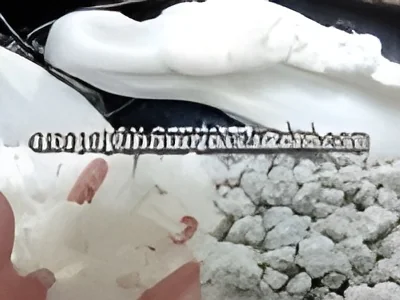
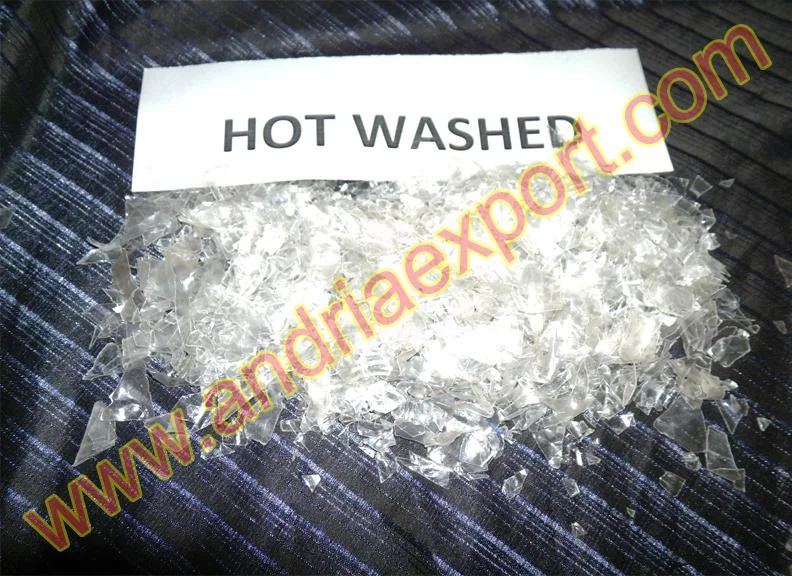
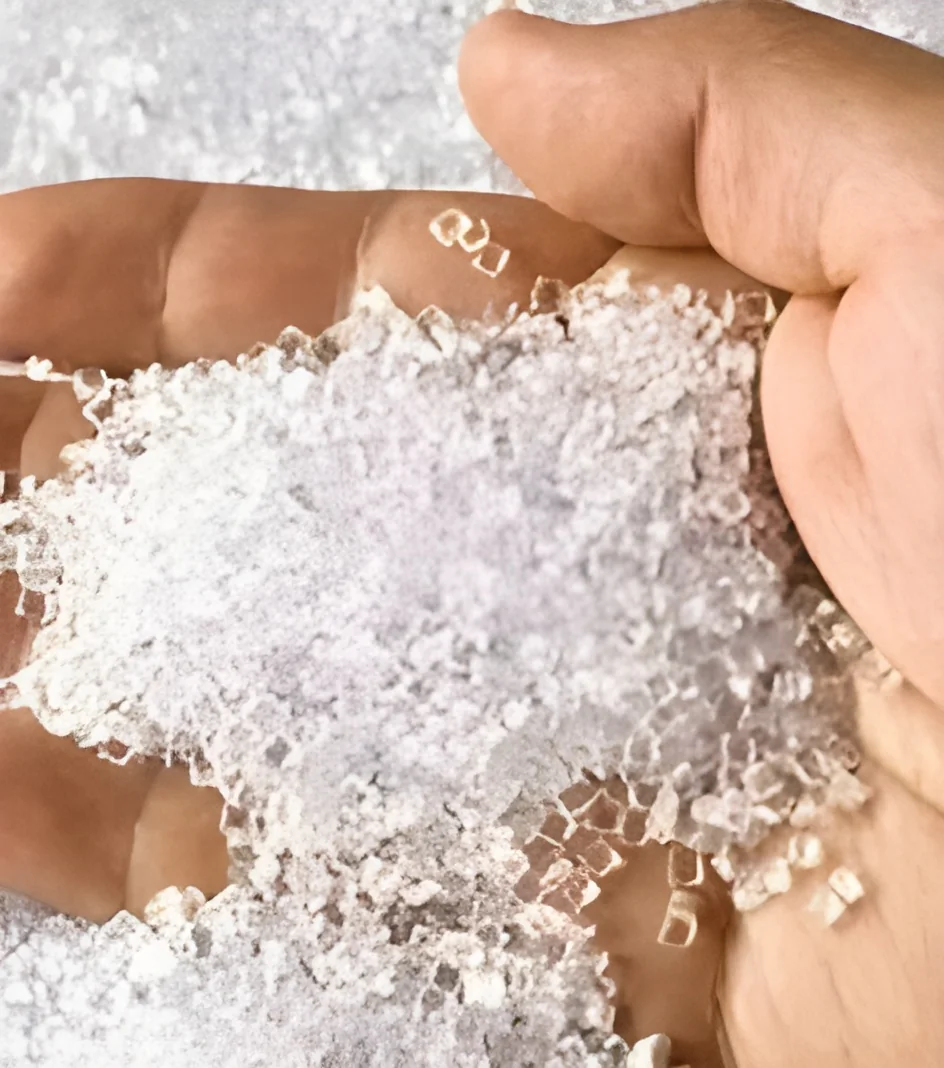
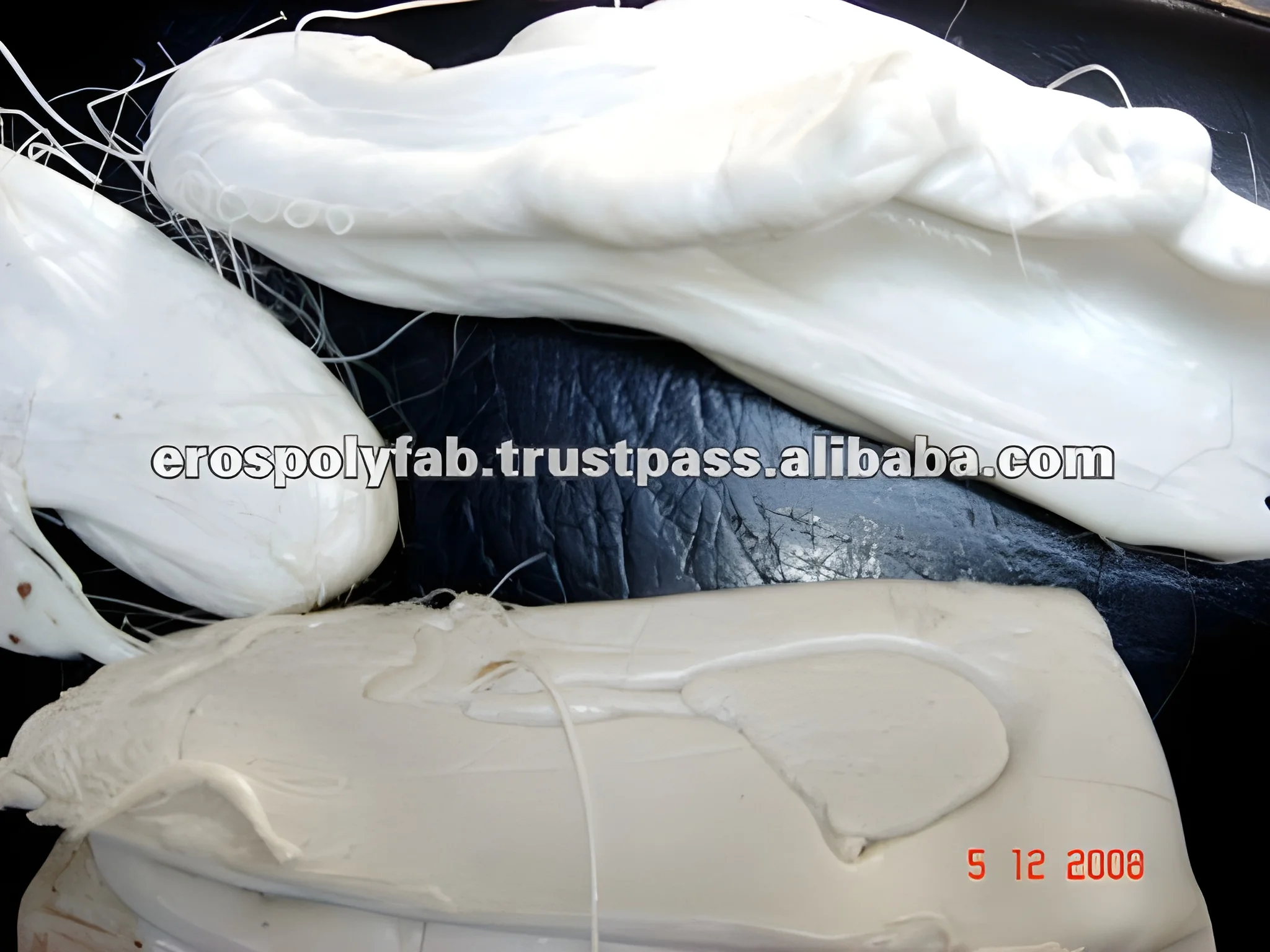
The different types of Recycled PET Materials include flakes, pellets, and sheets. These forms can be further processed into various products, such as fibers for textiles, containers, and packaging materials.
How do I choose the right Recycled PET Materials?
Choosing the right Recycled PET Materials depends on your specific application and requirements. Consider factors such as the intended use, desired quality, and compliance with relevant industry standards when making your selection.
What are the standard specifications for Recycled PET Materials?
Standard specifications for Recycled PET Materials typically include parameters like viscosity, color, and purity levels. Specific requirements may vary by application, so it is essential to consult with suppliers for detailed specifications.
What is the price range for Recycled PET Materials?
The price range for Recycled PET Materials can vary significantly based on factors such as quality, form, and market demand. Typically, prices can range from INR 50 to INR 130 per kilogram, but it is advisable to check current market rates.
What quality standards apply to Recycled PET Materials?
Quality standards for Recycled PET Materials often include certifications such as ISO 9001 and compliance with food safety regulations if the materials are intended for food contact applications. It is important to verify that suppliers meet these standards.
Where can I find Recycled PET Materials suppliers in India?
You can find Recycled PET Materials suppliers in India through online B2B marketplaces like Pepagora.com, trade shows, and industry directories. Networking with industry professionals and consulting local recycling associations can also be helpful.
Can Recycled PET Materials be customized?
Yes, Recycled PET Materials can often be customized to meet specific needs in terms of color, size, and formulation. Discussing your requirements with suppliers will help you determine the available customization options.
What is the typical minimum order quantity for Recycled PET Materials?
The typical minimum order quantity (MOQ) for Recycled PET Materials varies by supplier but usually ranges from 500 kg to 1000 kg. It is advisable to confirm the MOQ with your chosen supplier before placing an order.
What is the typical lead time for Recycled PET Materials?
The typical lead time for Recycled PET Materials can range from 1 to 4 weeks, depending on the supplier and order size. It is best to communicate directly with suppliers to get an accurate estimate based on your specific requirements.
Why Businesses Trust Pepagora
Thousands of companies trust Pepagora to source smarter and sell faster
Expand Your Sales Globally

Source Smarter,Grow Faster
