What are Natural Cotton & Jute Materials?
Natural cotton and jute materials are sustainable fibers derived from plants, widely recognized for their eco-friendliness and versatility. Cotton is harvested from the seed fibers of the cotton plant, known for its softness and breathability. Jute, on the other hand, comes from the jute plant and is valued for its strength and durability. These materials are biodegradable, making them an attractive option for businesses aiming to reduce their environmental footprint.
These natural fibers find applications across various industries. In textiles, cotton is used for clothing, home furnishings, and personal care products. Jute is commonly employed in making bags, ropes, and carpets. The growing demand for sustainable and eco-conscious products has propelled the use of these materials in packaging, agriculture, and interior design, reinforcing their relevance in today’s market.
As eco-friendly materials gain traction, the market for natural cotton and jute continues to expand. Industries are increasingly adopting these fibers to meet consumer preferences for sustainable options. With a focus on reducing plastic waste and promoting environmental stewardship, natural cotton and jute materials are becoming essential components in various product lines.
Key Features and Specifications
Natural cotton and jute materials come with a range of features that make them desirable for various applications.
Key specifications include:
1. Fiber Strength
- Cotton fibers are known for their tensile strength, making them suitable for a variety of textile applications.
- Jute fibers offer high tensile strength and durability, ideal for heavy-duty applications.
2. Biodegradability
- Both cotton and jute are completely biodegradable, making them environmentally friendly choices for consumers and businesses.
3. Moisture Absorption
- Cotton has excellent moisture-wicking properties, which enhance comfort in clothing and textiles.
- Jute can absorb moisture, making it suitable for agricultural applications such as seed packaging.
4. Color Retention
- Cotton can hold dye well, offering vibrant colors for textiles.
- Jute has a natural, earthy tone that appeals to eco-conscious consumers.
5. Weight
- Cotton fibers vary in weight, offering options for lightweight to heavier fabrics.
- Jute is generally heavier, making it ideal for robust products like sacks and ropes.
6. Cost-Effectiveness
- Both materials are generally affordable, making them accessible for large-scale production.
7. Availability
- Cotton and jute are widely available, with established supply chains ensuring consistent access.
8. Versatility
- Both materials can be blended with other fibers to enhance properties like strength and texture.
These specifications highlight the multifaceted nature of natural cotton and jute, making them suitable for diverse applications.
Common Applications and Use Cases
Natural cotton and jute materials serve various industries, providing solutions tailored to specific needs.
1. Textiles: Cotton is extensively used in clothing, bedding, and towels due to its softness and comfort. Jute is often utilized in home décor items and rugs.
2. Packaging: Jute bags are popular as eco-friendly alternatives to plastic, used in retail and grocery sectors. Cotton is also used in reusable bags and packaging solutions.
3. Agriculture: Jute is employed in agricultural products like burlap sacks for transporting seeds and produce, offering a biodegradable option.
4. Craft and DIY: Cotton and jute materials are favored in craft projects, offering versatility for artisans and hobbyists.
5. Interior Design: Jute is often used in wall coverings, while cotton is preferred for upholstery, curtains, and cushions.
6. Personal Care: Cotton fibers are used in personal hygiene products due to their softness and absorbency.
7. Industrial Applications: Jute is utilized in the manufacture of ropes and twines, providing strong and durable options for industrial use.
Product Variants and Subcategories
Natural cotton and jute materials are diverse, catering to various market needs and preferences.
Cotton Fabrics
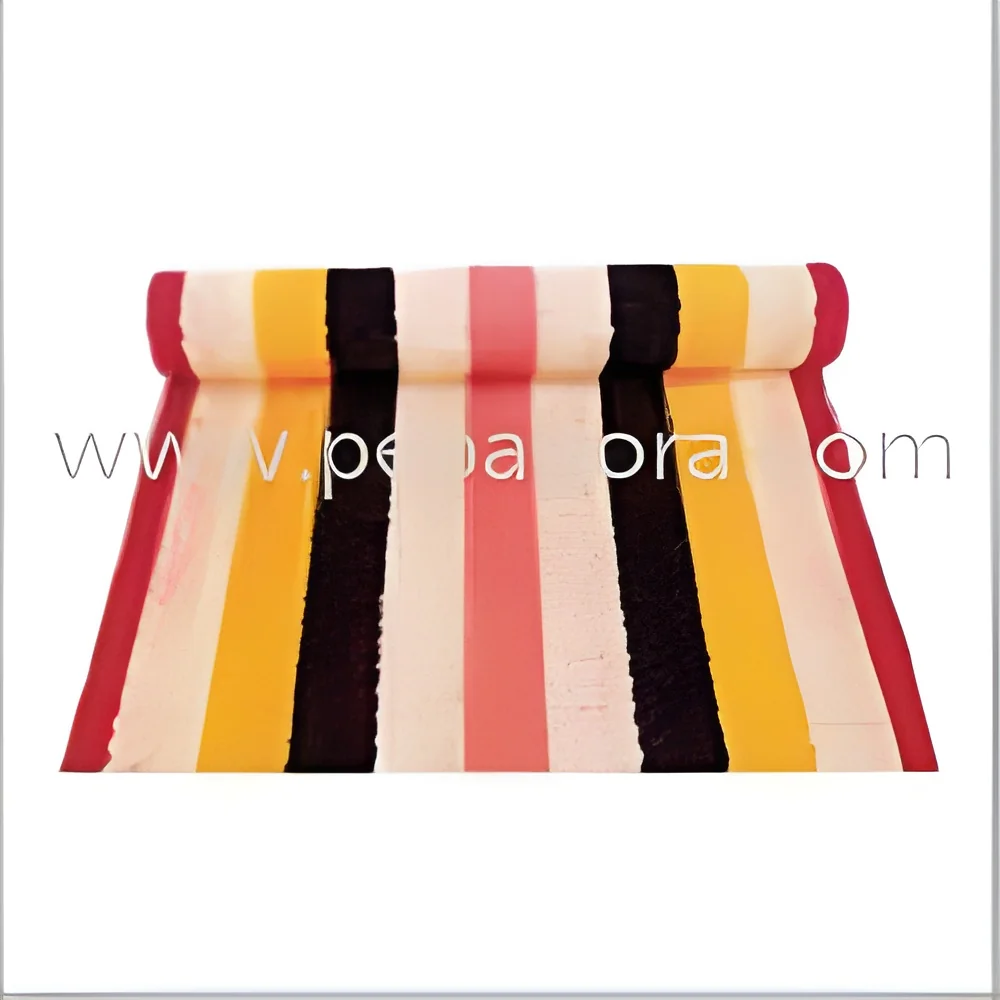
Cotton fabrics are available in different weaves and weights, making them suitable for everything from lightweight summer clothing to heavy-duty textiles. These fabrics are breathable and easy to dye, allowing for a wide range of applications.
Jute Fabrics
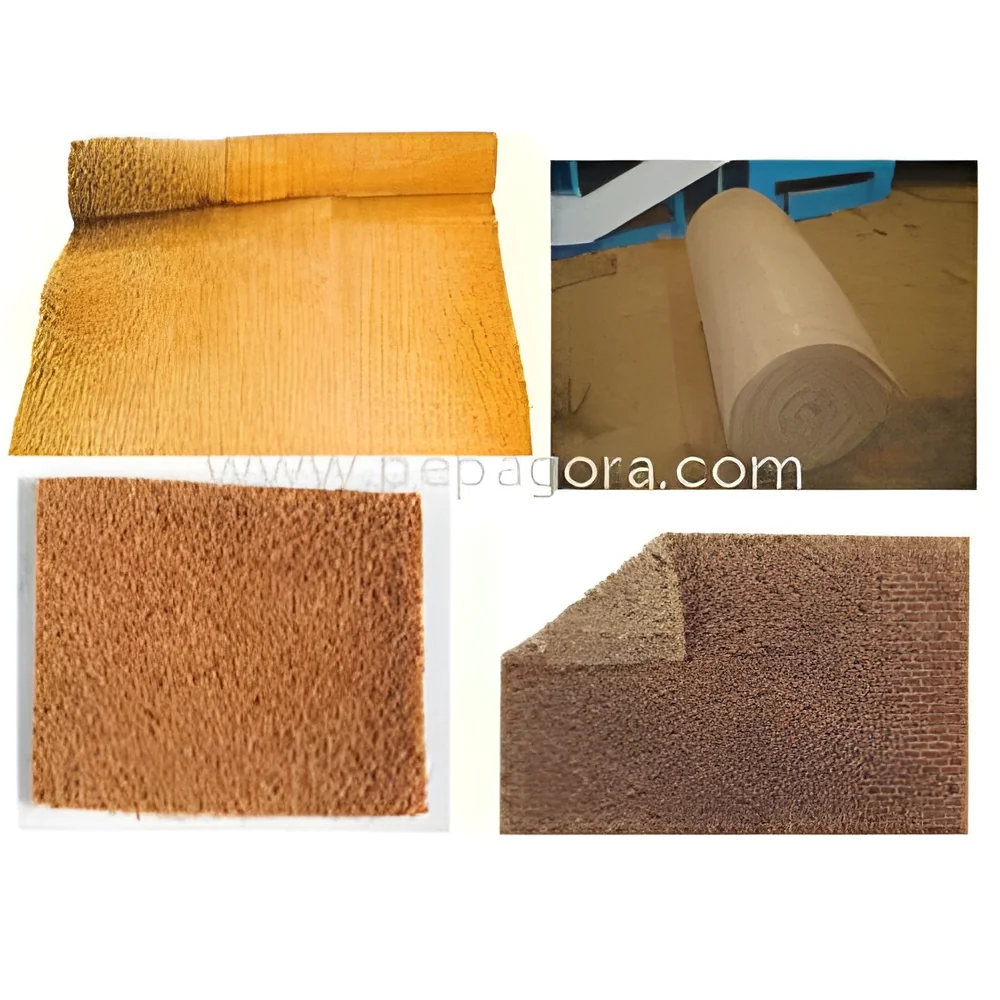
Jute fabrics are primarily used for making eco-friendly bags and packaging. The coarse texture and natural color of jute provide a rustic appeal, making these fabrics popular in sustainable product lines.
Cotton Blends
Cotton can be blended with synthetic fibers to enhance durability and reduce costs. Blended fabrics are often used in apparel and home textiles, offering a balance of comfort and performance.
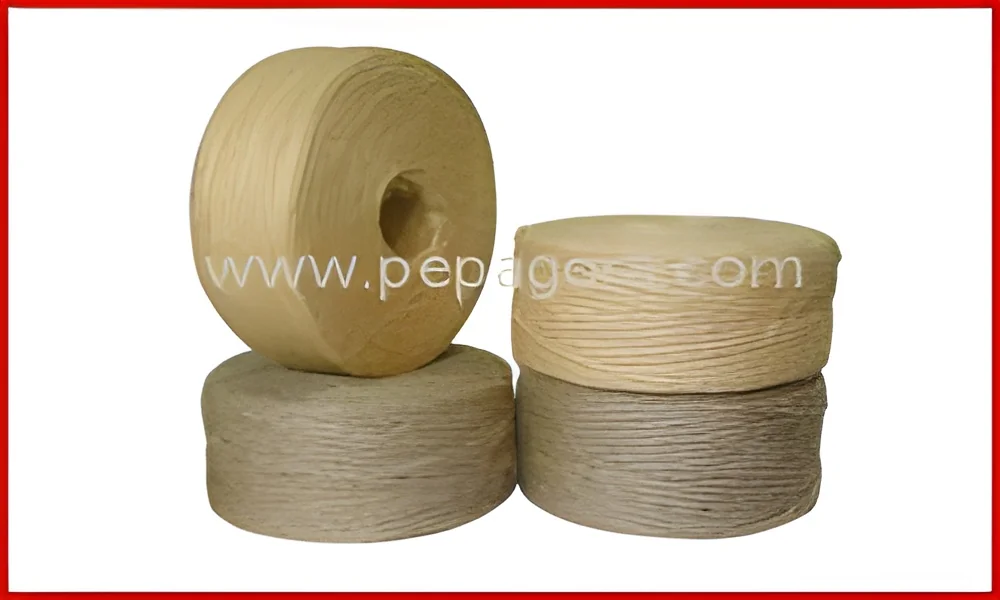
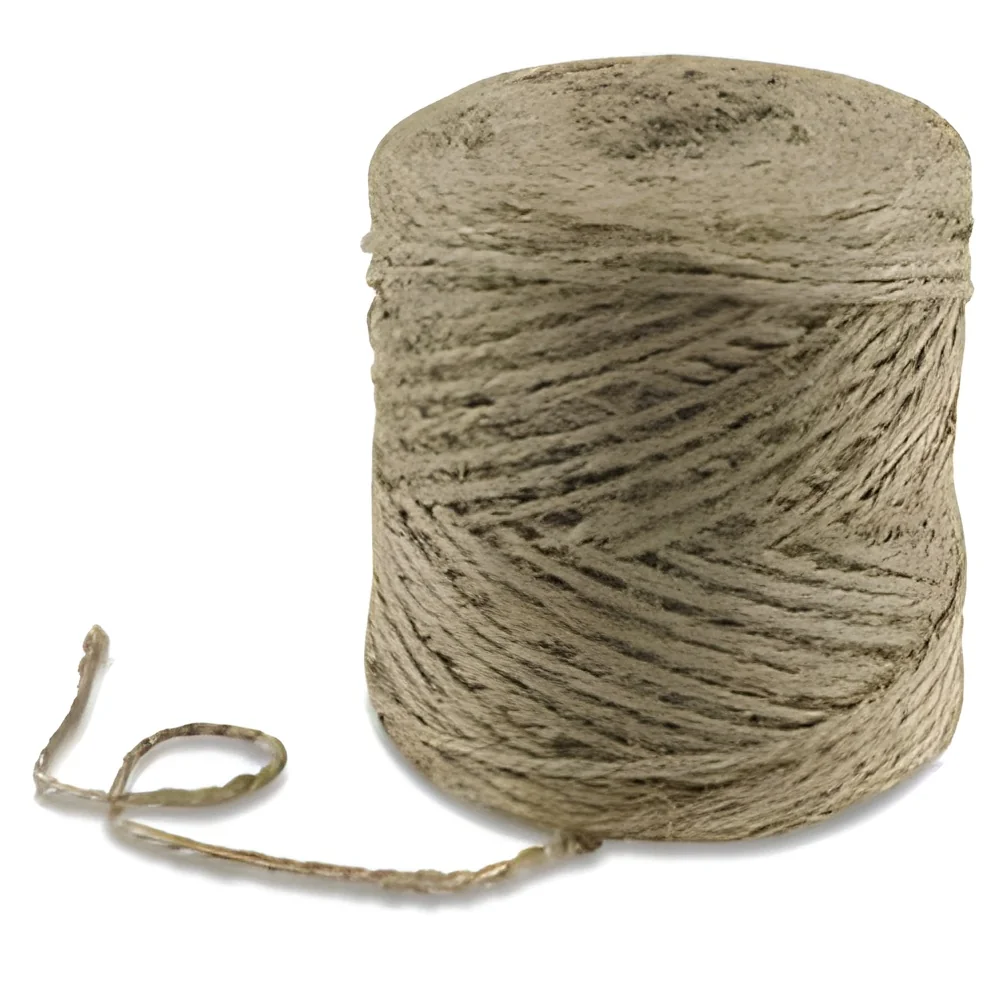
Jute Twine
This strong and durable product is used for gardening, packaging, and crafting. Jute twine is biodegradable, making it a preferred choice for environmentally conscious consumers.
Benefits and Advantages
Natural cotton and jute materials offer numerous benefits to businesses and consumers alike.
Key benefits include:
1. Sustainability: Both materials are sourced from renewable resources and are biodegradable, contributing to environmental conservation.
2. Versatility: The wide range of applications for cotton and jute makes them suitable for many industries, from textiles to packaging.
3. Cost-Effectiveness: Generally affordable, these materials allow businesses to reduce production costs while offering quality products.
4. Comfort: Cotton is known for its softness and breathability, enhancing user comfort in clothing and textiles.
5. Strength: Jute's high tensile strength makes it ideal for heavy-duty applications, ensuring durability and longevity.
6. Consumer Appeal: Increasingly eco-conscious consumers prefer sustainable materials, boosting market demand for cotton and jute products.
Buying Guide for B2B Buyers
When sourcing natural cotton and jute materials, it is essential to consider several factors to ensure quality and reliability.
1. Quality Assessment: Check for certifications and standards that confirm the quality of the materials. Look for samples to evaluate the texture, strength, and overall feel.
2. Supplier Verification: Vet suppliers by reviewing their history, customer feedback, and certifications. Establishing a reliable partnership is crucial for consistent supply.
3. Pricing and MOQ: Understand the pricing structures and minimum order quantities (MOQ) offered by suppliers. This will help in budgeting and planning for large-scale purchases.
4. Delivery and Lead Times: Discuss delivery schedules and lead times with suppliers to ensure timely receipt of materials, aligning with production schedules.
5. Compliance Requirements: Ensure that the materials meet local and international compliance standards, including safety and environmental regulations.
Compliance and Certifications
Natural cotton and jute materials must adhere to several quality standards and certifications to ensure safety and reliability.
ISO 9001 is a widely recognized standard that outlines quality management principles, ensuring consistent product quality. Compliance with HACCP (Hazard Analysis Critical Control Point) is essential in food-related applications, particularly for cotton used in packaging. GDP (Good Distribution Practice) standards also apply to ensure the integrity of products during transport.
Additionally, CE certification signifies that the products meet European safety, health, and environmental protection standards. Manufacturers must also consider safety and testing requirements to ensure that the materials used are free from harmful substances. Regional compliance considerations may vary, so it is essential to understand local regulations affecting the sourcing and use of these natural materials.
Why Source Natural Cotton & Jute Materials from Pepagora?
Pepagora provides a trusted platform for sourcing natural cotton and jute materials, offering several key advantages to B2B buyers.
Verified Supplier Network: Pepagora has established a network of verified suppliers, ensuring that buyers can access reliable and high-quality materials. This network is crucial for maintaining consistent supply chains.
Streamlined RFQ Process: The platform facilitates a streamlined Request for Quotation (RFQ) process, allowing buyers to receive competitive quotes from multiple suppliers. This efficiency helps buyers make informed decisions quickly.
Trade Assurance and Support: Pepagora offers trade assurance that protects buyers from potential risks, ensuring a secure purchasing experience. Comprehensive support is available to assist buyers throughout the sourcing process.
Regional Coverage: With a strong presence in India, the GCC, and Southeast Asia, Pepagora provides extensive geographic coverage, connecting buyers with suppliers across multiple regions. This broad reach enhances sourcing options for businesses looking for natural cotton and jute materials.

 IN
IN