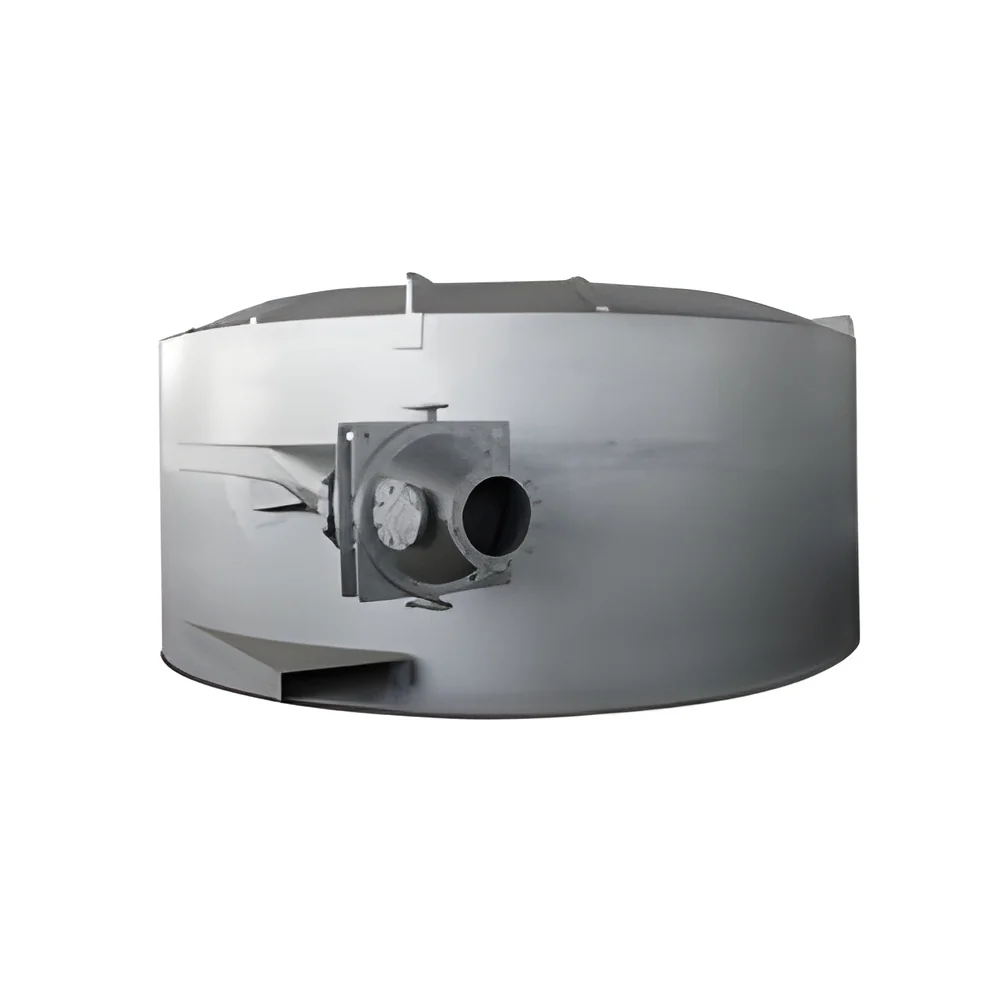
What are Recycled Paper Pulp?
Recycled paper pulp is a versatile material created from post-consumer paper waste. This pulp is processed to remove contaminants and then blended to produce a usable form for various applications. The recycling process not only helps in reducing the amount of waste in landfills but also conserves natural resources and energy, making it an environmentally friendly choice for industries.
Recycled paper pulp finds extensive use in multiple sectors, including packaging, printing, and the manufacturing of paper products. Businesses utilize this pulp to create products such as cardboard, tissue paper, and other paper-based materials. The growing emphasis on sustainability and eco-friendly practices has led to an increase in demand for recycled paper pulp, positioning it as a critical material in the transition toward greener production methods.
In today's market, recycled paper pulp plays a significant role in meeting both corporate social responsibility goals and consumer demand for sustainable products. As industries strive to lower their carbon footprints, the relevance of recycled paper pulp continues to expand, driving innovation and investment in recycling technologies and processes.
Key Features and Specifications
Recycled paper pulp offers several advantages that cater to diverse industrial needs. When evaluating this product, it is essential to consider specific features and specifications that influence its performance and suitability for different applications.
Key specifications include:
1. Fiber Content
- Typically composed of 70% to 90% recycled fibers
- Varies based on the source and processing method
2. Brightness Level
- Brightness ratings can range from 60% to 85%
- Affects the aesthetic quality of the final products
3. pH Level
- Generally maintained between 6.5 and 7.5
- Ensures compatibility with various manufacturing processes
4. Moisture Content
- Usually between 5% and 10%
- Important for storage and processing conditions
5. Bulk Density
- Density ranges from 0.4 to 0.7 g/cm³
- Influences product weight and packaging efficiency
6. Contaminant Levels
- Must meet industry standards for contaminants
- Affects the quality and usability of the pulp
7. Fiber Length
- Average fiber length varies between 0.5 mm to 2.5 mm
- Impacts the strength and durability of end products
8. Color Consistency
- Can vary based on the source of recycled paper
- Important for applications requiring uniformity in appearance
In summary, understanding these specifications is essential for selecting the right recycled paper pulp for specific industrial applications.
Common Applications and Use Cases
Recycled paper pulp is utilized across numerous industries due to its sustainability and versatility.
1. Packaging Industry: Recycled pulp is widely used to produce cardboard boxes and packaging materials, offering a sustainable alternative to virgin materials.
2. Printing Industry: It serves as a base material for various printing papers, ensuring that printed products have a lower environmental impact.
3. Tissue Manufacturing: This pulp is a primary component in producing tissue products, including toilet paper and paper towels, which are essential in everyday use.
4. Construction Materials: Some manufacturers use recycled paper pulp in insulation and soundproofing materials, capitalizing on its lightweight and sound-absorbing properties.
5. Stationery Products: Recycled paper pulp is also found in notebooks, envelopes, and other stationery items, supporting sustainable office practices.
6. Automotive Industry: Certain components and interior materials are made using recycled paper pulp, contributing to the automotive sector's sustainability efforts.
7. Food Packaging: This material is increasingly being used in food-safe packaging solutions, adhering to safety standards while reducing waste.
Product Variants and Subcategories
Recycled paper pulp comes in several variants to meet different industrial needs and specifications.
Standard Recycled Paper Pulp
This variant is commonly used in various applications, characterized by its balanced properties and environmental benefits. It serves as the foundation for many paper products.
High-Quality Recycled Paper Pulp
Designed for premium applications, this variant offers enhanced brightness and lower contaminant levels. It is ideal for high-end printing and premium packaging solutions.
Low-Grade Recycled Paper Pulp
This variant is suited for applications where appearance is less critical, such as construction materials and insulation products. It offers cost-effective solutions while still promoting sustainability.
Benefits and Advantages
Using recycled paper pulp presents numerous benefits that can enhance business operations and contribute to sustainability goals.
1. Environmental Sustainability: Utilizing recycled materials reduces landfill waste and conserves natural resources, making it an eco-friendly choice.
2. Cost-Effectiveness: Recycled paper pulp can often be sourced at a lower cost than virgin materials, providing businesses with savings.
3. Regulatory Compliance: Many industries are now mandated to use sustainable practices. Sourcing recycled pulp can assist companies in meeting these regulations.
4. Product Versatility: This material can be adapted for various applications, making it useful across multiple sectors.
5. Consumer Demand: Increasing consumer preference for sustainable products drives demand for recycled paper pulp, helping businesses align with market trends.
6. Brand Image Enhancement: Companies that prioritize sustainability can improve their brand image, attracting environmentally conscious customers.
Buying Guide for B2B Buyers
When sourcing recycled paper pulp, several factors should be considered to ensure the right choice for your business needs.
1. Quality Assessment: Verify the quality of the pulp based on fiber content and contaminant levels. Request samples for testing to ensure it meets your standards.
2. Supplier Verification: Conduct background checks on potential suppliers to ensure they have a track record of reliability and compliance with industry standards.
3. Pricing and MOQ: Compare pricing among suppliers and understand minimum order quantities. Look for competitive pricing without compromising quality.
4. Delivery and Lead Times: Assess the supplier's ability to meet your delivery schedules and consider their logistics capabilities to avoid delays.
5. Compliance Requirements: Ensure the supplier adheres to relevant regulations and certifications, such as CE and UL, to guarantee product safety and quality.
Compliance and Certifications
Recycled paper pulp must adhere to various quality standards and certifications, which ensure its safety and usability across industries.
Relevant quality standards include ISO 9001, which focuses on quality management systems, and HACCP, which outlines food safety management practices. Compliance with these standards is crucial for manufacturers, especially those in food packaging and hygiene products.
Industry certifications such as CE and UL provide assurance that the recycled paper pulp meets international safety and performance criteria. These certifications are important for buyers looking to ensure product reliability and consumer safety.
Additionally, compliance with regional regulations is essential, as different markets may have specific requirements for recycled materials. Understanding these regulations helps businesses avoid legal issues and ensures a smoother supply chain.
Why Source Recycled Paper Pulp from Pepagora?
Pepagora offers a trusted platform for sourcing recycled paper pulp, providing numerous advantages for businesses.
Verified Supplier Network: Pepagora has a robust network of verified suppliers, ensuring quality and reliability in sourcing recycled paper pulp. This network helps buyers find reputable sources quickly.
Streamlined RFQ Process: The platform features an efficient Request for Quotation process, allowing buyers to submit their specifications and receive tailored quotes from multiple suppliers, enhancing decision-making.
Trade Assurance and Support: Pepagora provides trade assurance to protect buyers, ensuring that transactions are secure and that suppliers meet the agreed-upon standards.
Regional Coverage: With a strong presence in India, GCC, and Southeast Asia, Pepagora connects buyers with local suppliers, facilitating easier logistics and faster delivery times. This regional focus enhances accessibility for businesses looking to source recycled paper pulp effectively.

 IN
IN