IN
IN₹
Apparel & Fashion
Loading subcategories...
View More
Description
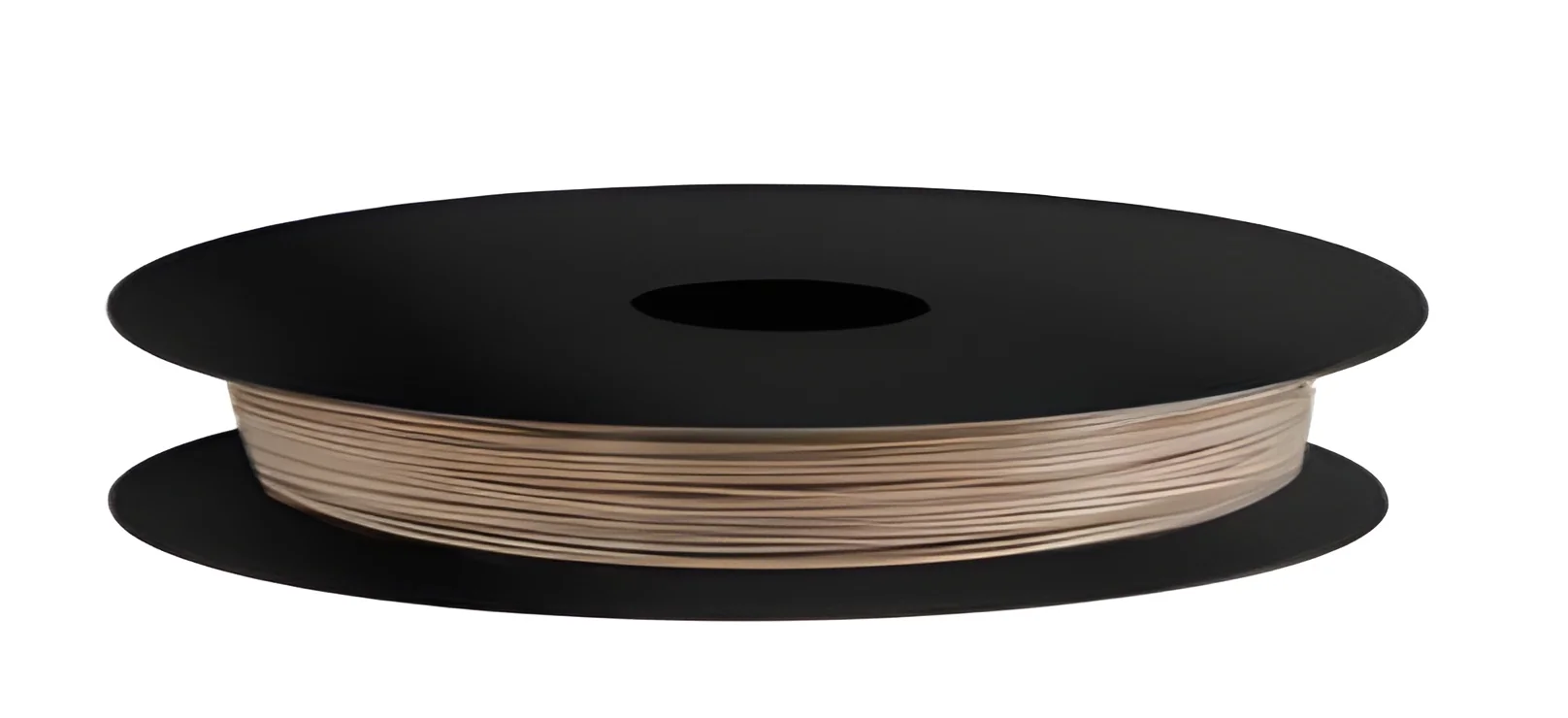
Wood 3D printing filaments represent a breakthrough in additive manufacturing, blending biodegradable PLA with genuine wood fibers to create prints that look, feel, and even smell like real wood. This innovative composite material maintains excellent printability while delivering authentic wooden characteristics that were previously impossible with standard filaments. The material prints smoothly on most FDM 3D printers and can be post-processed using traditional woodworking techniques including sanding, staining, and varnishing. This versatility makes it accessible for businesses of all sizes while providing professional-grade results that meet commercial quality standards. The filament's consistent diameter and reliable extrusion properties ensure successful prints every time, reducing material waste and production delays.

The applications for wood 3D printing filaments span numerous industries where wooden aesthetics matter. In architecture and interior design, professionals use th...
Wood 3D printing filaments represent a breakthrough in additive manufacturing, blending biodegradable PLA with genuine wood fibers to create prints that look, feel, and even smell like real wood. This innovative composite material maintains excellent printability while delivering authentic wooden characteristics that were previously impossible with standard filaments. The material prints smoothly on most FDM 3D printers and can be post-processed using traditional woodworking techniques including sanding, staining, and varnishing. This versatility makes it accessible for businesses of all sizes while providing professional-grade results that meet commercial quality standards. The filament's consistent diameter and reliable extrusion properties ensure successful prints every time, reducing material waste and production delays.

The applications for wood 3D printing filaments span numerous industries where wooden aesthetics matter. In architecture and interior design, professionals use these filaments to create detailed scale models and custom decorative elements. Furniture manufacturers produce prototypes and limited-edition components with intricate designs that would be cost-prohibitive using traditional woodworking. Fashion and jewelry designers craft wooden accessories and wearable art with precise geometries. Educational institutions and museums utilize wood filaments for creating accurate historical replicas and teaching aids. Even the giftware and souvenir industry benefits from personalized wooden items manufactured efficiently while maintaining artisanal quality.

Businesses choosing wood 3D printing filaments gain significant competitive advantages through material reliability and production flexibility. The consistent quality ensures every print maintains the wooden appearance customers expect, while the compatibility with standard equipment minimizes additional investment. Unlike traditional woodworking, this material produces minimal waste and allows for rapid design iterations without costly tooling changes. The eco-friendly composition appeals to environmentally conscious clients, and the ability to create custom, small-batch products opens new revenue streams. Manufacturers can offer unique wooden items with complex geometries that are impossible through conventional methods, positioning their businesses as innovative leaders in their markets.

Key Features:
- PLA base blended with genuine wood fiber particles
- Authentic wood texture, appearance, and natural scent
- Compatible with most standard FDM 3D printers
- Excellent layer adhesion with minimal warping
- Can be sanded, stained, and finished like real wood

Benefits:
- Reduces material waste compared to traditional woodworking
- Enables complex designs impossible with conventional methods
- Faster production times for prototypes and custom items
- Eco-friendly biodegradable material composition
- Cost-effective for small batches and limited editions
Specifications
| Additional Information | |
|---|---|
| Country of Origin | India |
| Customisable | No |
Application
Wood 3D printing filaments open new possibilities for creating realistic wooden items without traditional woodworking. These specialized materials are perfect for designers, architects, and manufacturers who need the authentic look and feel of wood combined with modern manufacturing efficiency. The material works seamlessly with standard FDM printers while delivering exceptional surface quality and finishing options.
Businesses across multiple sectors benefit from wood filament's versatility and aesthetic appeal. From custom furniture accents to architectural models, this material provides the warmth of natural wood with digital precision. Manufacturers appreciate the reduced waste and production time compared to conventional woodworking, making it ideal for limited runs and customized products that demand wooden authenticity with modern efficiency. Real-world applications:
Real-world applications:
- Custom furniture components and decorative home accents
- Architectural scale models and building prototypes
- Artistic sculptures and exhibition displays
- Wooden jewelry collections and fashion accessories
- Educational models and museum replicas
Trade Details
| Available Stock | In Stock |
| Sample Availability | No |
Payment Terms
| Payment Terms |
|
Company Profile

Augment 3Di, Tamil Nadu
 Tamil Nadu, India
Tamil Nadu, IndiaManufacturer•Distributor•Wholesaler•Retailer
Factory Details
Factory SizeBelow 1000 sqm
Wood 3D Printing Filament PLA Wood Fibers Authentic Texture Scent
Wood 3D printing filaments combine PLA with real wood fibers for authentic wooden texture, appearance, and scent. Perfect for decorative items, prototypes, and eco-friendly manufacturing across creative industries.
Min. Order Quantity: 1
Shipping
Shipping fee and delivery date to be negotiated. Contact supplier now for more details.
Augment 3Di
 Tamil Nadu, India
Tamil Nadu, IndiaManufacturer