
 IN
Anchors & Fixings
386 products available
𝗪𝗵𝗮𝘁 𝗮𝗿𝗲 𝗔𝗻𝗰𝗵𝗼𝗿𝘀 & 𝗙𝗶𝘅𝗶𝗻𝗴𝘀?
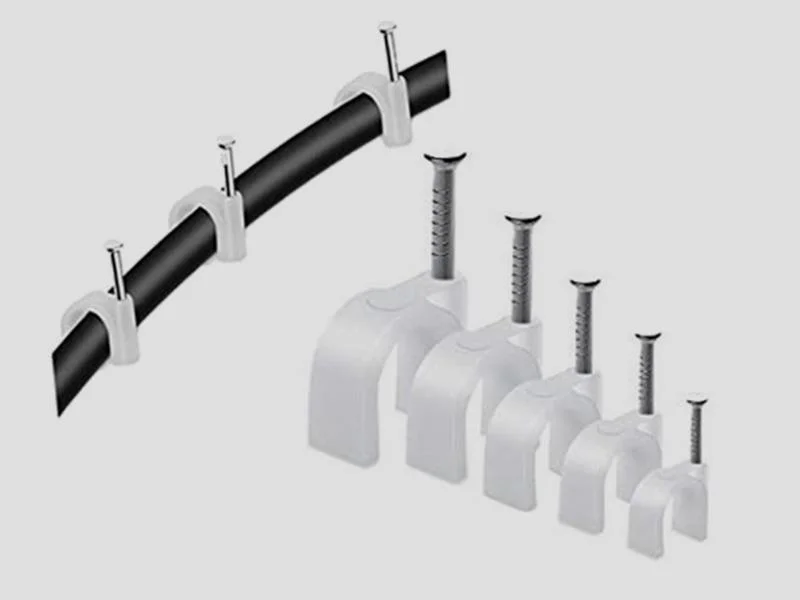
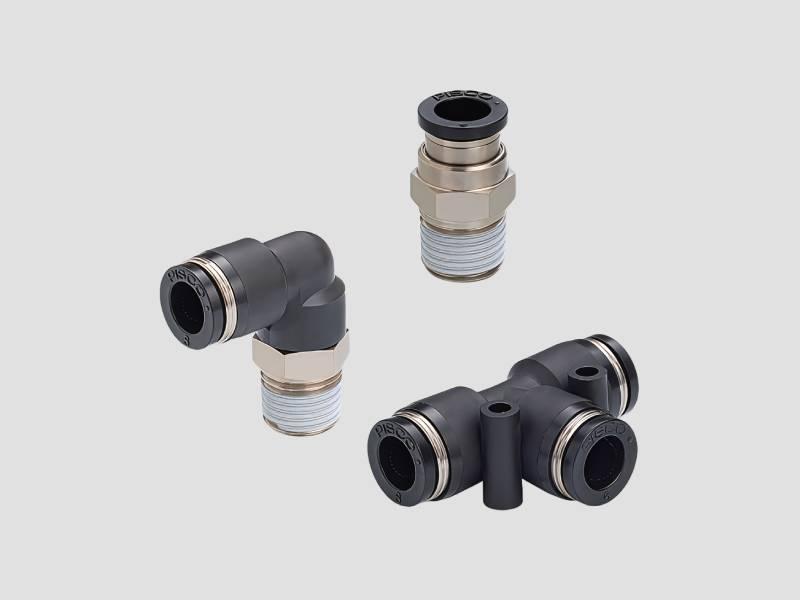
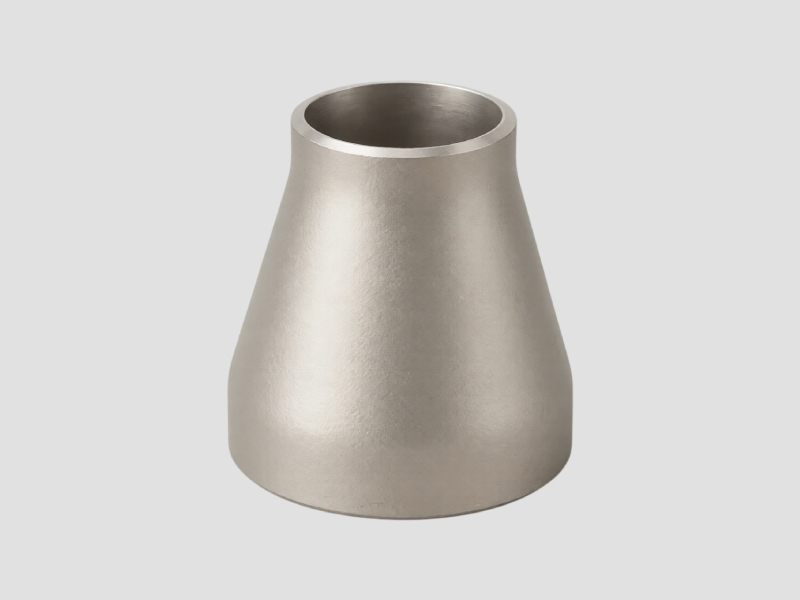
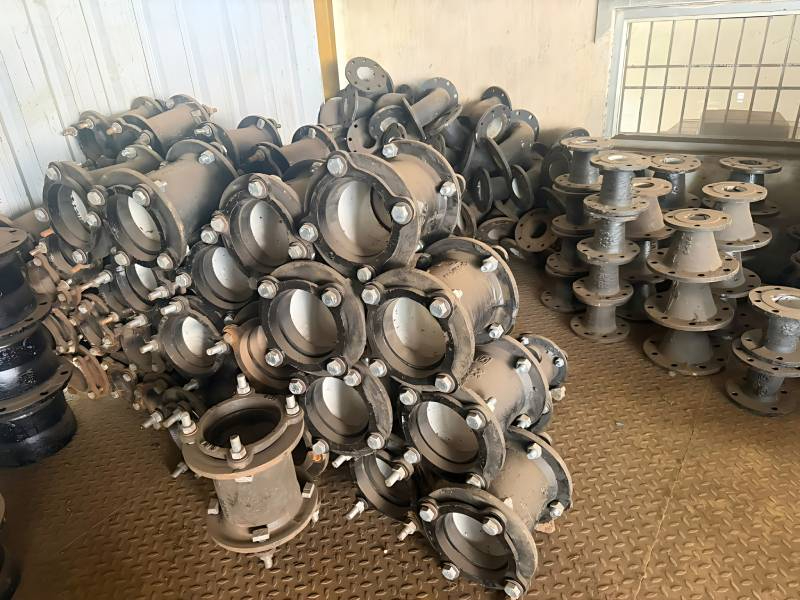
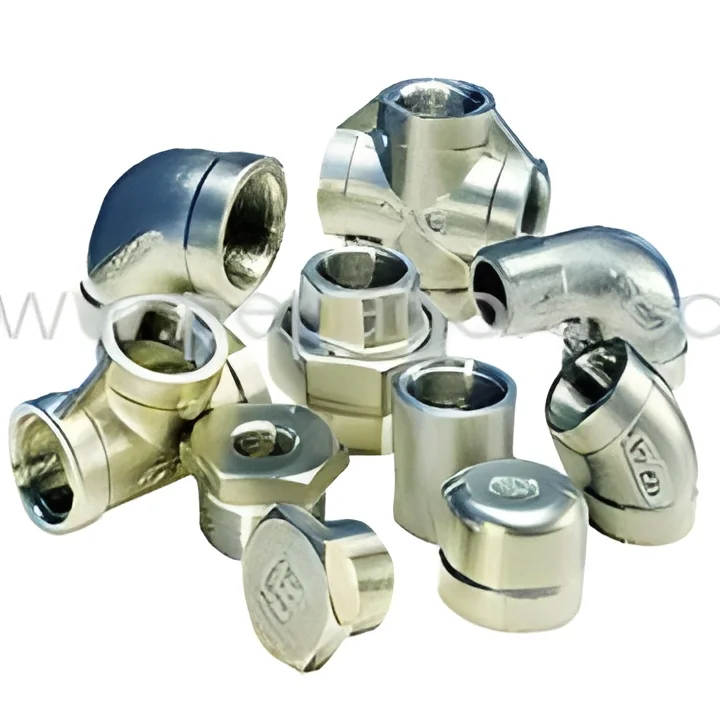
Anchors and fixings are essential components used to secure objects to various surfaces, such as walls, floors, and ceilings. They provide stability and support for structures and equipment in a wide array of applications. These products are designed to distribute loads evenly, ensuring that the anchored items remain securely in place. Anchors can be made from various materials, including metal, plastic, and composite materials, while fixings generally refer to the hardware used to fasten these anchors, such as screws, bolts, and plugs.
The primary uses of anchors and fixings span numerous industries, including construction, manufacturing, and maintenance. In construction, they are commonly used to attach frameworks, install fixtures, and secure equipment. In manufacturing, anchors are crucial for equipment stability, while fixings ensure that parts are assembled correctly. The relevance of anchors and fixings in the market is underscored by their role in enhancing safety and efficiency in operations. As industrial standards evolve, the demand for high-quality anchors and fixings continues to grow, making them a vital component in various sectors.
𝗞𝗲𝘆 𝗙𝗲𝗮𝘁𝘂𝗿𝗲𝘀 𝗮𝗻𝗱 𝗦𝗽𝗲𝗰𝗶𝗳𝗶𝗰𝗮𝘁𝗶𝗼𝗻𝘀
Anchors and fixings come with several features and specifications that cater to different industry needs. Understanding these specifications is essential for selecting the right products for specific applications.
Key specifications include:
1. Material Composition
- Common materials include stainless steel, carbon steel, and plastic.
- Each material offers different levels of corrosion resistance and load-bearing capacity.
2. Load Capacity
- Load capacities can vary widely, typically ranging from a few kilograms to several tons.
- This specification determines how much weight an anchor or fixing can safely support.
3. Size and Dimensions
- Available in various sizes to accommodate different types of installations.
- Dimensions may include length, diameter, and thread type.
4. Type of Anchor
- Types include expansion anchors, wedge anchors, and chemical anchors.
- Each type is designed for specific applications and surface materials.
5. Installation Method
- Some anchors require pre-drilled holes, while others can be installed directly into the substrate.
- Installation methods affect the ease of use and effectiveness.
6. Compliance Standards
- Many anchors and fixings are manufactured to meet industry standards like CE certification.
- Compliance ensures that products meet safety and performance criteria.
7. Environmental Resistance
- Resistance to factors like moisture, temperature fluctuations, and chemical exposure.
- Important for applications in challenging environments.
8. Packaging Options
- Available in bulk packaging or individual units, depending on user needs.
- Packaging can influence cost-effectiveness for large projects.
In summary, selecting the right anchors and fixings involves understanding these specifications to ensure compatibility with intended applications.
𝗖𝗼𝗺𝗺𝗼𝗻 𝗔𝗽𝗽𝗹𝗶𝗰𝗮𝘁𝗶𝗼𝗻𝘀 𝗮𝗻𝗱 𝗨𝘀𝗲 𝗖𝗮𝘀𝗲𝘀
Anchors and fixings serve a wide range of industries and applications.
1. Construction: In the construction industry, anchors are used for securing structural elements, such as beams and walls. They are crucial for ensuring the stability and safety of buildings.
2. Manufacturing: In manufacturing settings, anchors are employed to stabilize machinery and equipment. This helps prevent accidents and ensures operational efficiency.
3. Automotive: In the automotive sector, fixings are critical for assembling components such as engines and body panels. They ensure that parts remain securely attached during operation.
4. Electrical: Anchors are used to secure electrical fixtures and conduit systems, preventing hazards related to loose wiring and ensuring compliance with safety standards.
5. HVAC: In heating, ventilation, and air conditioning systems, anchors are essential for securing ductwork and equipment, contributing to system efficiency and longevity.
6. Marine: Anchors are vital in marine applications for securing boats and structures to docks or seabeds, ensuring safety and stability against environmental forces.
7. Aerospace: In aerospace, fixings are crucial for assembling and securing components in aircraft, where safety and reliability are paramount.
𝗣𝗿𝗼𝗱𝘂𝗰𝘁 𝗩𝗮𝗿𝗶𝗮𝗻𝘁𝘀 𝗮𝗻𝗱 𝗦𝘂𝗯𝗰𝗮𝘁𝗲𝗴𝗼𝗿𝗶𝗲𝘀
There is significant diversity among anchors and fixings, catering to various needs across different sectors.
Expansion Anchors
Designed to expand when a screw is tightened, these anchors provide a secure hold in hollow or solid materials. They are commonly used in drywall and masonry applications.
Wedge Anchors
These anchors are ideal for heavy-duty applications and are inserted into pre-drilled holes. They are typically used in concrete and provide exceptional load-bearing capabilities.
Screw Anchors
These are versatile and can be used in various materials, including wood and concrete. They are easy to install and are commonly used for attaching fixtures and fittings.
Chemical Anchors
Utilizing a bonding agent, chemical anchors provide strong adhesion in a variety of substrates. They are particularly useful for applications requiring high load capacities.
𝗕𝗲𝗻𝗲𝗳𝗶𝘁𝘀 𝗮𝗻𝗱 𝗔𝗱𝘃𝗮𝗻𝘁𝗮𝗴𝗲𝘀
Investing in high-quality anchors and fixings offers numerous advantages for businesses.
1. Enhanced Safety: Reliable anchors and fixings reduce the risk of accidents by ensuring that structures and equipment are securely attached.
2. Improved Stability: Properly installed anchors can significantly enhance the stability of constructions and installations, contributing to long-term performance.
3. Versatile Applications: A wide range of anchor types allows for use in various materials and environments, making them suitable for diverse projects.
4. Cost-Effectiveness: Quality anchors and fixings can reduce maintenance costs by minimizing the need for frequent replacements or repairs.
5. Easy Installation: Many modern anchors are designed for straightforward installation, saving time and labor costs on projects.
6. Compliance Assurance: Using certified products ensures adherence to industry standards, enhancing safety and reliability.
𝗕𝘂𝘆𝗶𝗻𝗴 𝗚𝘂𝗶𝗱𝗲 𝗳𝗼𝗿 𝗕𝟮𝗕 𝗕𝘂𝘆𝗲𝗿𝘀
When sourcing anchors and fixings, B2B buyers should consider several critical factors to ensure they make informed decisions.
1. Quality Assessment: Evaluate the quality of materials and manufacturing processes. Look for certifications that indicate compliance with industry standards.
2. Supplier Verification: Vet suppliers to ensure they have a reliable track record and can provide consistent quality. Check for reviews and references from other businesses.
3. Pricing and MOQ: Compare prices across different suppliers while considering the minimum order quantity. Look for deals that offer bulk purchasing advantages.
4. Delivery and Lead Times: Assess suppliers' logistics capabilities and lead times to ensure timely delivery for your projects.
5. Compliance Requirements: Be aware of any regulatory compliance needs for your industry, ensuring that the products you source meet these standards.
𝗖𝗼𝗺𝗽𝗹𝗶𝗮𝗻𝗰𝗲 𝗮𝗻𝗱 𝗖𝗲𝗿𝘁𝗶𝗳𝗶𝗰𝗮𝘁𝗶𝗼𝗻𝘀
Anchors and fixings must comply with several relevant quality standards to ensure safety and performance.
ISO 9001 is a widely recognized standard that ensures manufacturers maintain quality management systems. Compliance with this standard indicates that the products are produced under controlled conditions.
CE certification is essential for products sold in the European market. This certification demonstrates that the products meet health, safety, and environmental protection standards.
Additionally, safety and testing requirements are critical for anchors and fixings. Products should be tested for load capacity and environmental resistance to ensure safe use in various applications.
Regional compliance considerations may also apply, depending on local regulations governing construction and manufacturing practices. Buyers should be aware of these requirements when sourcing products.
𝗪𝗵𝘆 𝗦𝗼𝘂𝗿𝗰𝗲 𝗔𝗻𝗰𝗵𝗼𝗿𝘀 & 𝗙𝗶𝘅𝗶𝗻𝗴𝘀 𝗳𝗿𝗼𝗺 𝗣𝗲𝗽𝗮𝗴𝗼𝗿𝗮?
Pepagora provides a trusted platform for sourcing anchors and fixings, bringing several key advantages to B2B buyers.
Verified Supplier Network: Pepagora connects buyers with a network of verified suppliers, ensuring quality and reliability in the products sourced. This reduces the risk of procurement issues and enhances overall satisfaction.
Streamlined RFQ Process: The quotation system on Pepagora simplifies the process of obtaining quotes from multiple suppliers. This efficiency allows buyers to compare options quickly and select the best fit for their needs.
Trade Assurance and Support: Pepagora offers buyer protection through trade assurance, ensuring that transactions are secure. This support provides peace of mind for businesses when sourcing products.
Regional Coverage: With a wide geographic reach across India, the GCC, and Southeast Asia, Pepagora facilitates access to a diverse range of suppliers. This regional coverage ensures that buyers can find the right anchors and fixings for their specific applications, no matter where they are located.


Frequently Asked Questions
What are Anchors & Fixings?
Anchors & Fixings are essential components used in construction and engineering to secure objects to various surfaces, such as walls, ceilings, and floors. They provide stability and strength to structures by anchoring items like shelves, cabinets, and heavy equipment.
What are the different types of Anchors & Fixings?
There are several types of Anchors & Fixings, including wedge anchors, sleeve anchors, expansion anchors, concrete screws, and toggle bolts. Each type is designed for specific applications and materials, such as concrete, brick, or drywall.
How do I choose the right Anchors & Fixings?
Choosing the right Anchors & Fixings depends on the material of the surface you are working with, the weight of the object to be secured, and environmental factors such as moisture exposure. It's important to consider load ratings and installation requirements for optimal performance.
What are the standard specifications for Anchors & Fixings?
Standard specifications for Anchors & Fixings typically include dimensions, material properties, load capacities, and installation guidelines. Common materials used include steel, zinc, and plastic, which are chosen based on durability and application requirements.
What is the price range for Anchors & Fixings?
The price range for Anchors & Fixings varies based on type, material, and quantity purchased. Generally, prices can range from a few rupees for basic plastic anchors to several hundred rupees for heavy-duty metal anchors.
What quality standards apply to Anchors & Fixings?
Quality standards for Anchors & Fixings include compliance with industry regulations such as IS (Indian Standards) and ASTM (American Society for Testing and Materials). These standards ensure that anchors and fixings meet safety and performance criteria.
Where can I find Anchors & Fixings suppliers in India?
You can find Anchors & Fixings suppliers in India through various online B2B marketplaces, trade shows, and local hardware stores. Websites like Pepagora.com provide a platform to connect with reputable manufacturers and suppliers.
Can Anchors & Fixings be customized?
Yes, many manufacturers offer customization options for Anchors & Fixings to meet specific project requirements. Customizations can include variations in size, material, and load capacity.
What is the typical minimum order quantity for Anchors & Fixings?
The typical minimum order quantity (MOQ) for Anchors & Fixings varies by supplier and product type. Generally, MOQs can range from 100 to 1000 pieces, depending on the manufacturer's policies.
What is the typical lead time for Anchors & Fixings?
The typical lead time for Anchors & Fixings can range from a few days to several weeks, depending on the supplier's stock availability and customization requirements. It's advisable to confirm lead times with the supplier before placing an order.
Why Businesses Trust Pepagora
Thousands of companies trust Pepagora to source smarter and sell faster
Expand Your Sales Globally

Source Smarter,Grow Faster
