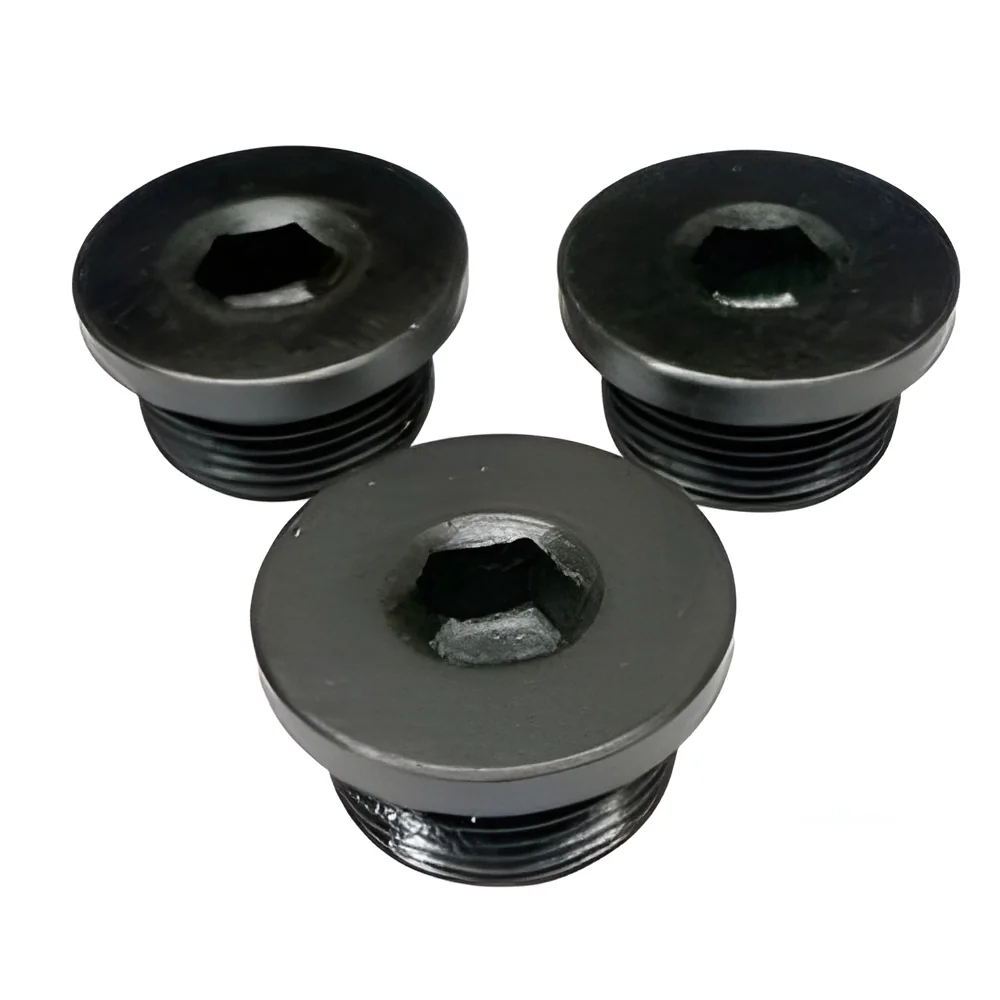
What are Metal Fixing Plugs?
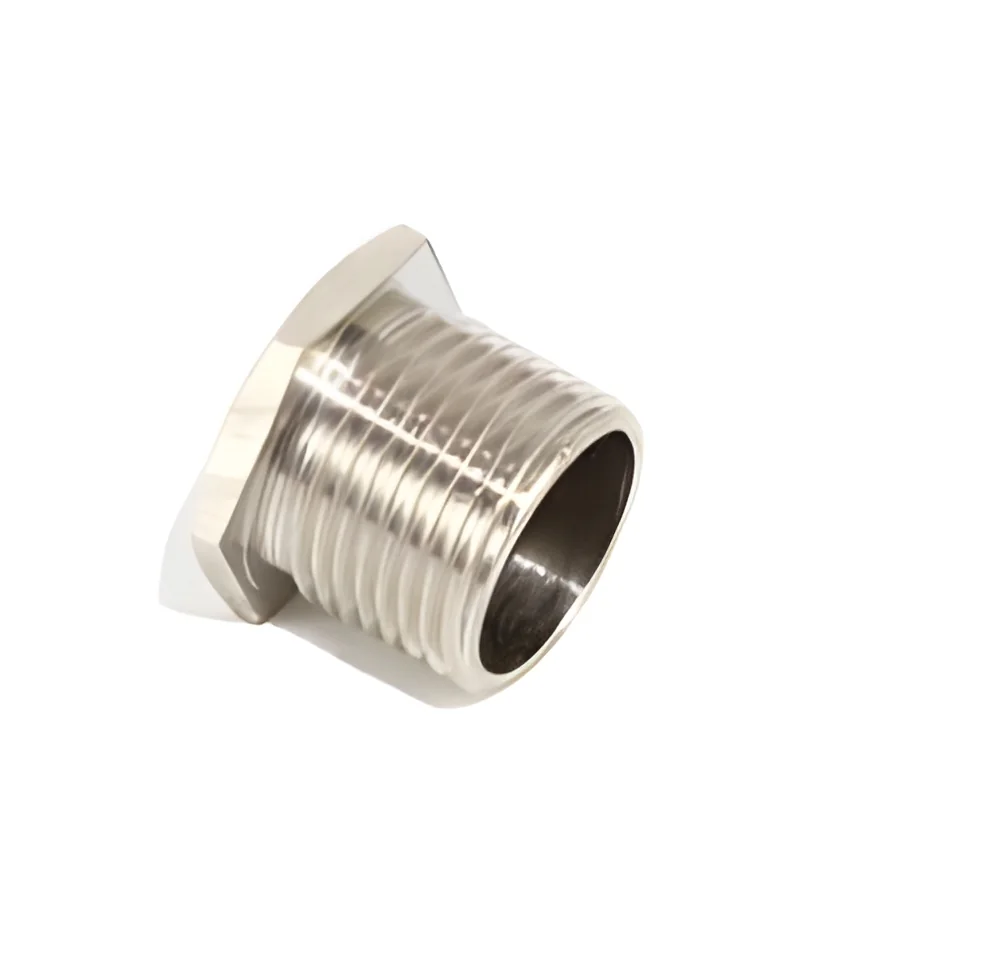
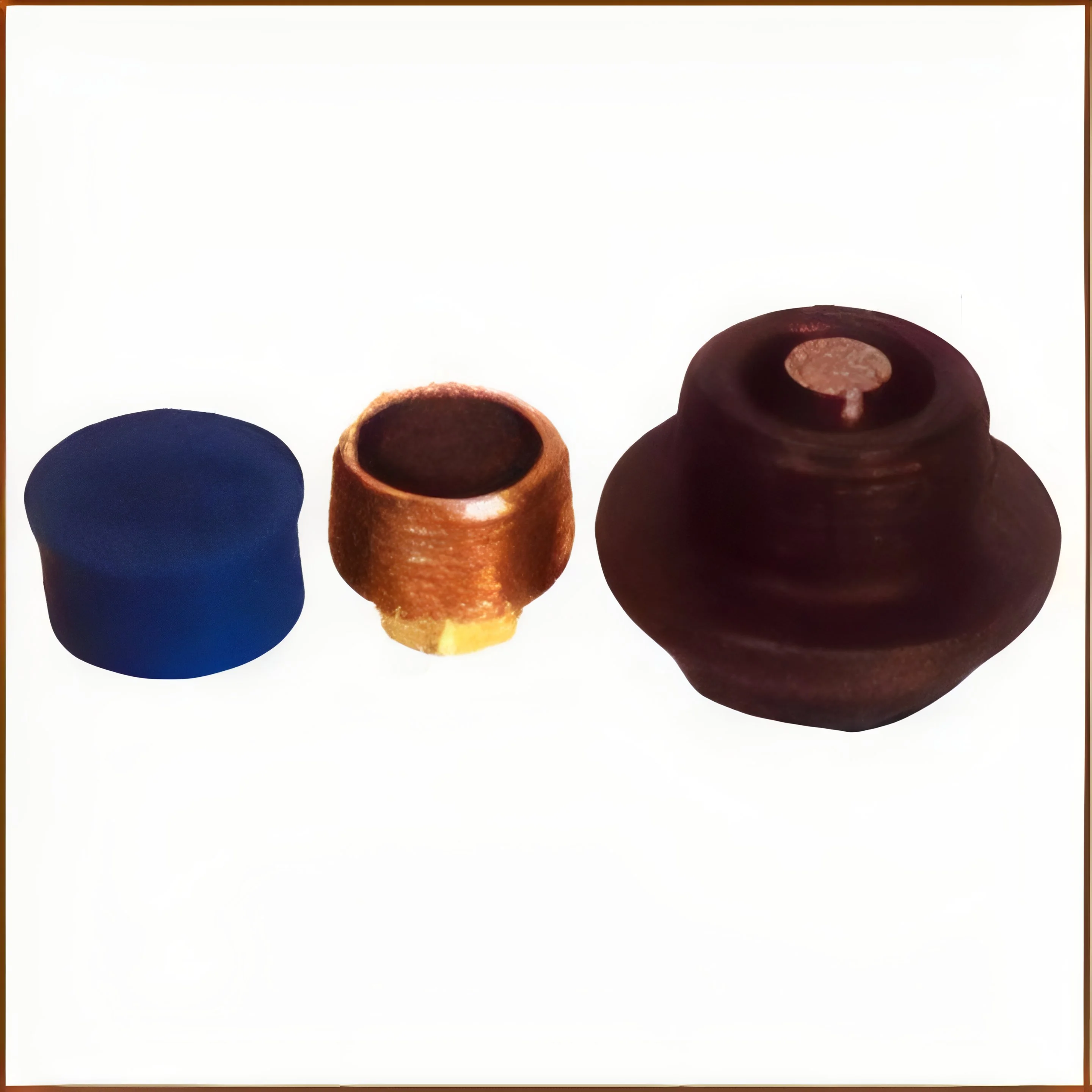
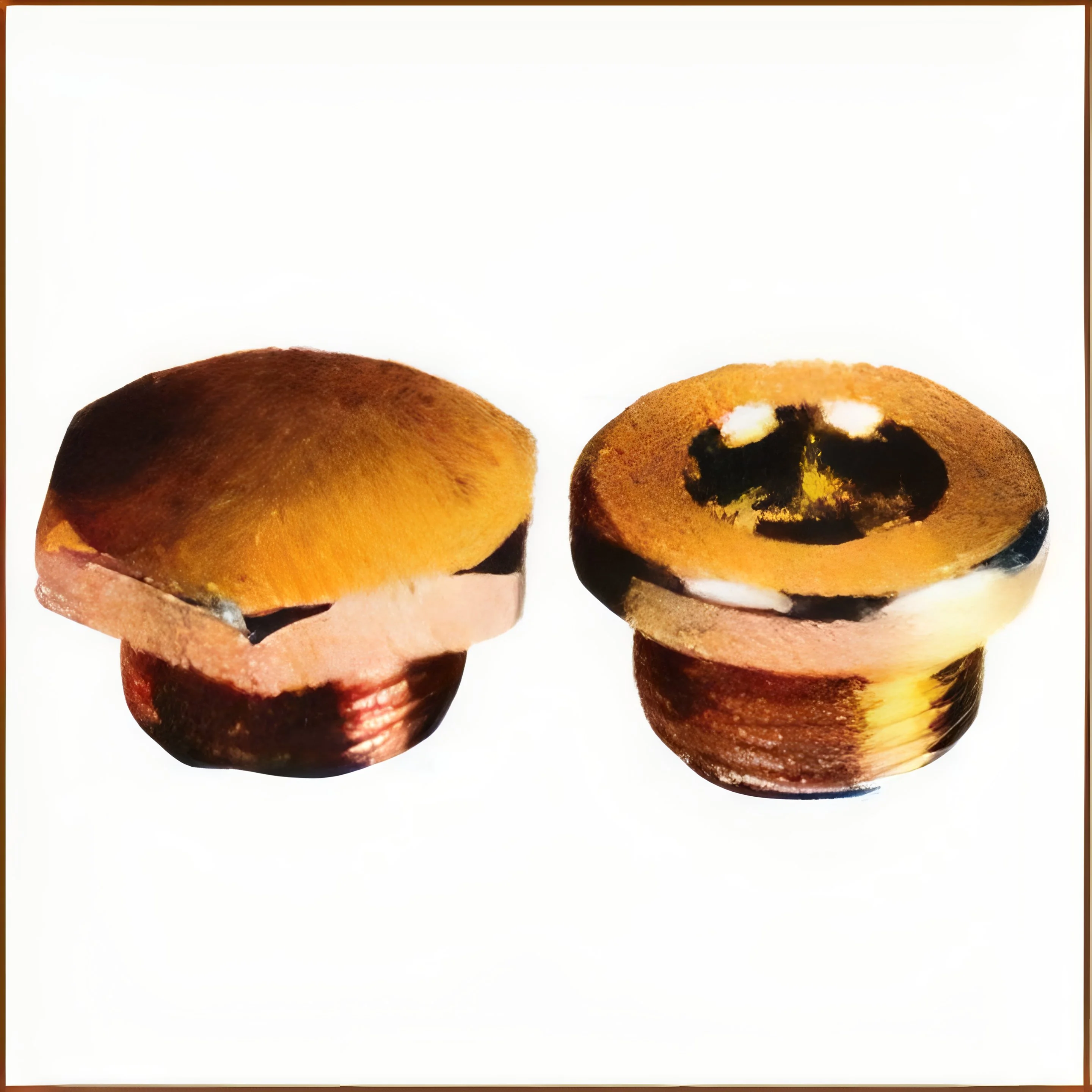
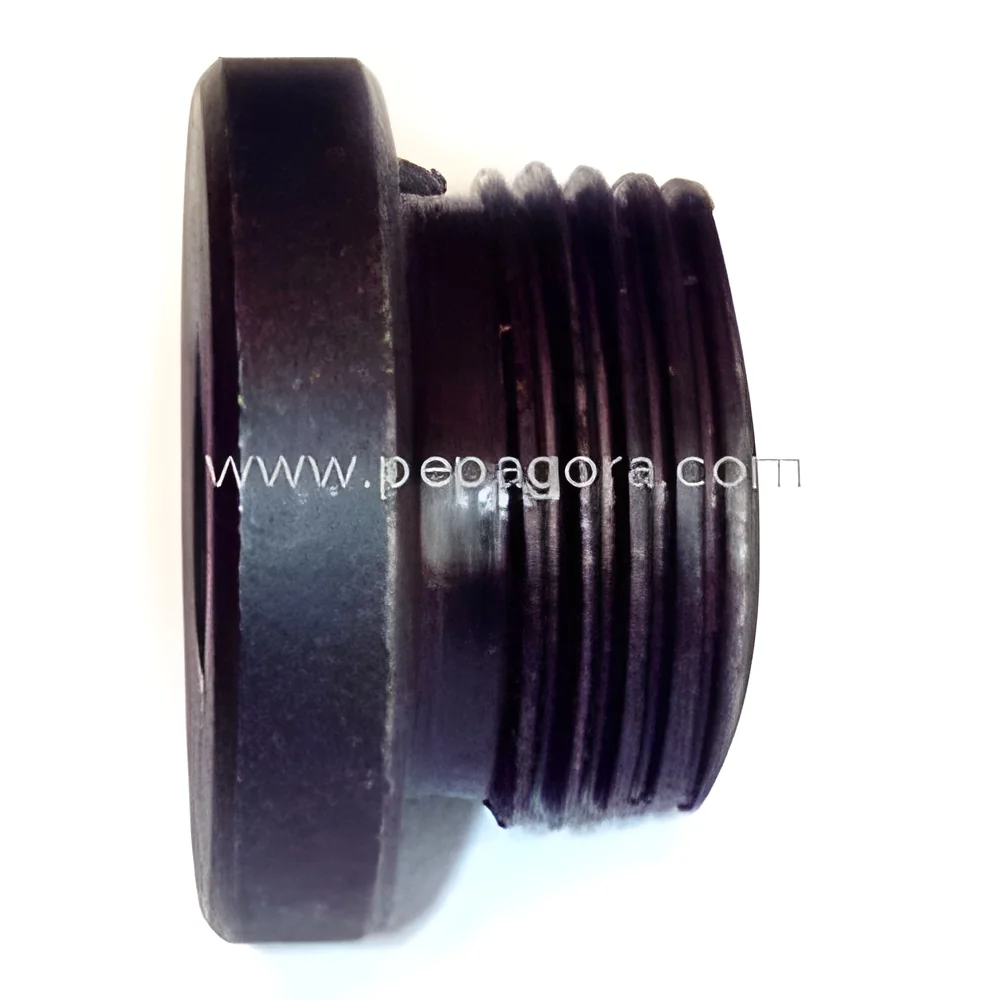
Metal fixing plugs are specialized fasteners used to secure and stabilize various fixtures in construction and industrial applications. These plugs are designed to be inserted into pre-drilled holes, providing a reliable anchoring point for screws and bolts. Typically made from durable metals such as steel or aluminum, metal fixing plugs offer superior strength and resistance to environmental factors compared to their plastic counterparts.
The primary uses of metal fixing plugs include mounting heavy items like shelves, cabinets, and machinery, as well as providing support for electrical and plumbing installations. They are widely utilized in sectors such as construction, manufacturing, and maintenance. The growing demand for robust fastening solutions in these industries has led to an increased focus on metal fixing plugs, making them a critical component in various applications.
In the current market landscape, metal fixing plugs are essential for ensuring structural integrity in both residential and commercial projects. Their reliability and strength make them a preferred choice among contractors and engineers. As the construction industry continues to evolve, metal fixing plugs remain relevant due to advancements in material technology and manufacturing processes.
Key Features and Specifications
Metal fixing plugs come with a range of features and specifications that enhance their performance and applicability. These specifications help buyers understand the product's capabilities and suitability for their specific needs.
Key specifications include:
1. Material Composition
- Typically made from high-strength steel or aluminum
- Offers resistance to corrosion and wear
2. Load Capacity
- Designed to support significant weight depending on the size and type
- Can accommodate loads ranging from 20 kg to over 100 kg
3. Diameter Options
- Available in various diameters to fit different screw sizes
- Common diameters range from 6 mm to 12 mm
4. Length Variations
- Offered in multiple lengths to suit various installation depths
- Standard lengths range from 25 mm to 50 mm
5. Surface Treatment
- Often coated or treated to enhance durability
- Common treatments include zinc plating and powder coating
6. Installation Method
- Designed for easy installation with minimal tools required
- Can be installed using standard drills and screwdrivers
7. Environmental Resistance
- Suitable for both indoor and outdoor use
- Resistant to moisture and extreme temperatures
In summary, the features and specifications of metal fixing plugs play a vital role in determining their effectiveness in various applications. Understanding these specifications allows businesses to make informed decisions when selecting the right plugs for their needs.
Common Applications and Use Cases
Metal fixing plugs serve a multitude of industries, providing essential anchoring solutions for various applications.
1. Construction: Metal fixing plugs are extensively used in construction projects to secure fixtures like heavy machinery, cabinetry, and structural components to walls and ceilings.
2. Manufacturing: In manufacturing settings, these plugs are vital for assembling equipment and machines, ensuring stability and safety during operation.
3. Electrical: Metal fixing plugs are often employed to mount electrical panels and conduits, providing a secure base for wiring and connections.
4. Plumbing: In plumbing applications, metal fixing plugs help anchor pipes and fittings, ensuring they remain securely positioned under pressure.
5. Automotive: The automotive industry utilizes metal fixing plugs for securing components within vehicles, contributing to overall safety and performance.
6. HVAC: In heating, ventilation, and air conditioning systems, these plugs are used to mount ducts and units, ensuring proper installation and operation.
7. Retail: Retail environments use metal fixing plugs to display heavy merchandise, ensuring that shelves and racks can support the weight of products effectively.
Product Variants and Subcategories
Metal fixing plugs come in various forms, catering to different installation needs and preferences.
Expansion Plugs
Expansion plugs are designed to expand within the drilled hole upon installation, providing a strong hold capable of supporting heavy loads. They are ideal for use in concrete and masonry applications.
Threaded Plugs
Threaded plugs feature a screw thread that allows for easy insertion and removal. These are commonly used in situations where frequent adjustments or disassembly are necessary.
Self-Drilling Plugs
Self-drilling plugs integrate a drill bit into their design, allowing for quick and easy installation without the need for pre-drilling. These are particularly useful in softer materials like drywall.
Benefits and Advantages
Choosing metal fixing plugs provides several key benefits for businesses.
1. Enhanced Strength: Metal fixing plugs offer superior tensile strength compared to plastic options, ensuring reliable support for heavy items.
2. Longevity: Due to their durable construction, metal fixing plugs are less prone to wear and tear, resulting in a longer lifespan.
3. Versatility: These plugs can be used across various materials, including wood, concrete, and metal, making them a versatile choice for different applications.
4. Easy Installation: The design of metal fixing plugs allows for straightforward installation, reducing labor time and costs.
5. Resistance to Environmental Factors: Metal fixing plugs are less susceptible to degradation from moisture, heat, and chemicals, ensuring consistent performance.
6. High Load Capacity: With the ability to support significant weights, metal fixing plugs are ideal for heavy-duty applications.
Buying Guide for B2B Buyers
When sourcing metal fixing plugs, it is essential to consider several critical factors to ensure you select the right products for your needs.
1. Quality Assessment: Evaluate the quality of the metal fixing plugs by reviewing materials and manufacturing processes. Look for products that comply with industry standards to ensure reliability.
2. Supplier Verification: Vet potential suppliers by checking their credentials and customer reviews. A verified supplier can provide assurance of product quality and reliability.
3. Pricing and MOQ: Consider the pricing structure and minimum order quantity (MOQ) when making a purchase. Ensure that costs align with your budget while meeting your project requirements.
4. Delivery and Lead Times: Understand the logistics involved in the procurement process. Confirm lead times for delivery to ensure that you receive your order in a timely manner.
5. Compliance Requirements: Check for any regulatory compliance requirements relevant to your industry. This may include certifications such as CE and adherence to safety standards.
Compliance and Certifications
Metal fixing plugs must adhere to various compliance and certification standards to ensure quality and safety in their applications. Relevant quality standards include ISO 9001, which outlines requirements for a quality management system. This standard helps manufacturers ensure consistent quality in their products.
Additionally, many metal fixing plugs are certified with the CE mark, indicating compliance with European safety, health, and environmental protection standards. This certification is crucial for products used in construction and manufacturing.
Safety and testing requirements are also paramount for metal fixing plugs. Manufacturers must conduct thorough testing to ensure that their products can withstand the loads and conditions for which they are designed.
Regional compliance considerations may vary, so it is essential to be aware of local regulations regarding material safety and performance standards. Ensuring compliance not only enhances product reliability but also fosters trust between manufacturers and end-users.
Why Source Metal Fixing Plugs from Pepagora?
Pepagora provides a trusted platform for sourcing metal fixing plugs, offering several key advantages that cater to B2B buyers.
Verified Supplier Network: Pepagora connects buyers with a network of verified suppliers, ensuring that only reputable manufacturers are featured on the platform. This reduces the risk of receiving substandard products.
Streamlined RFQ Process: The Request for Quotation (RFQ) process is designed to simplify sourcing. Buyers can easily submit their requirements and receive competitive quotes from multiple suppliers, making it easier to compare options.
Trade Assurance and Support: Pepagora offers trade assurance, providing buyers with protection throughout the purchasing process. This includes support for resolving any disputes that may arise.
Regional Coverage: With a strong presence in India, the GCC, and Southeast Asia, Pepagora's geographic reach allows for effective sourcing and distribution of metal fixing plugs across diverse markets. This ensures that businesses can find the right products tailored to their regional needs.

 IN
IN