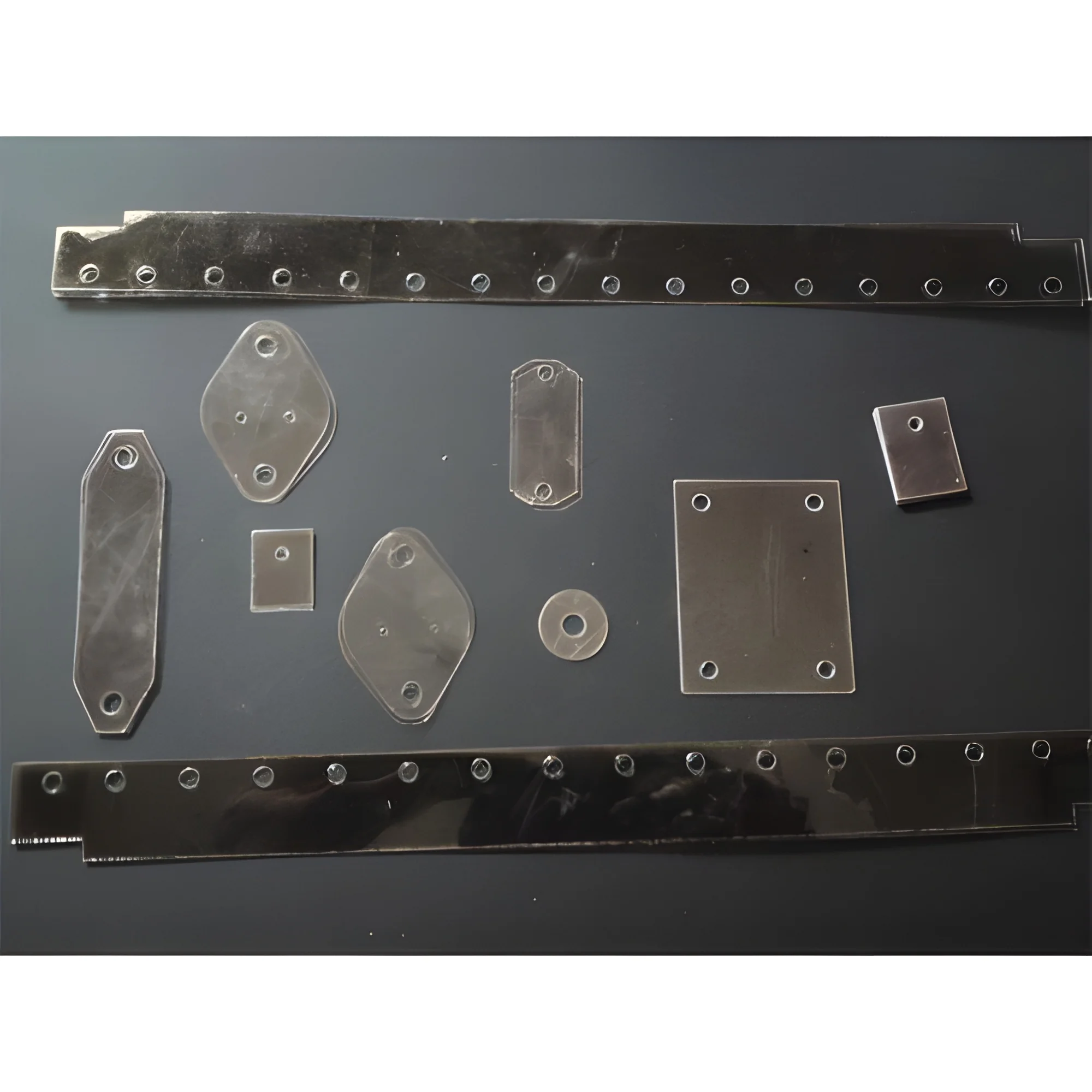
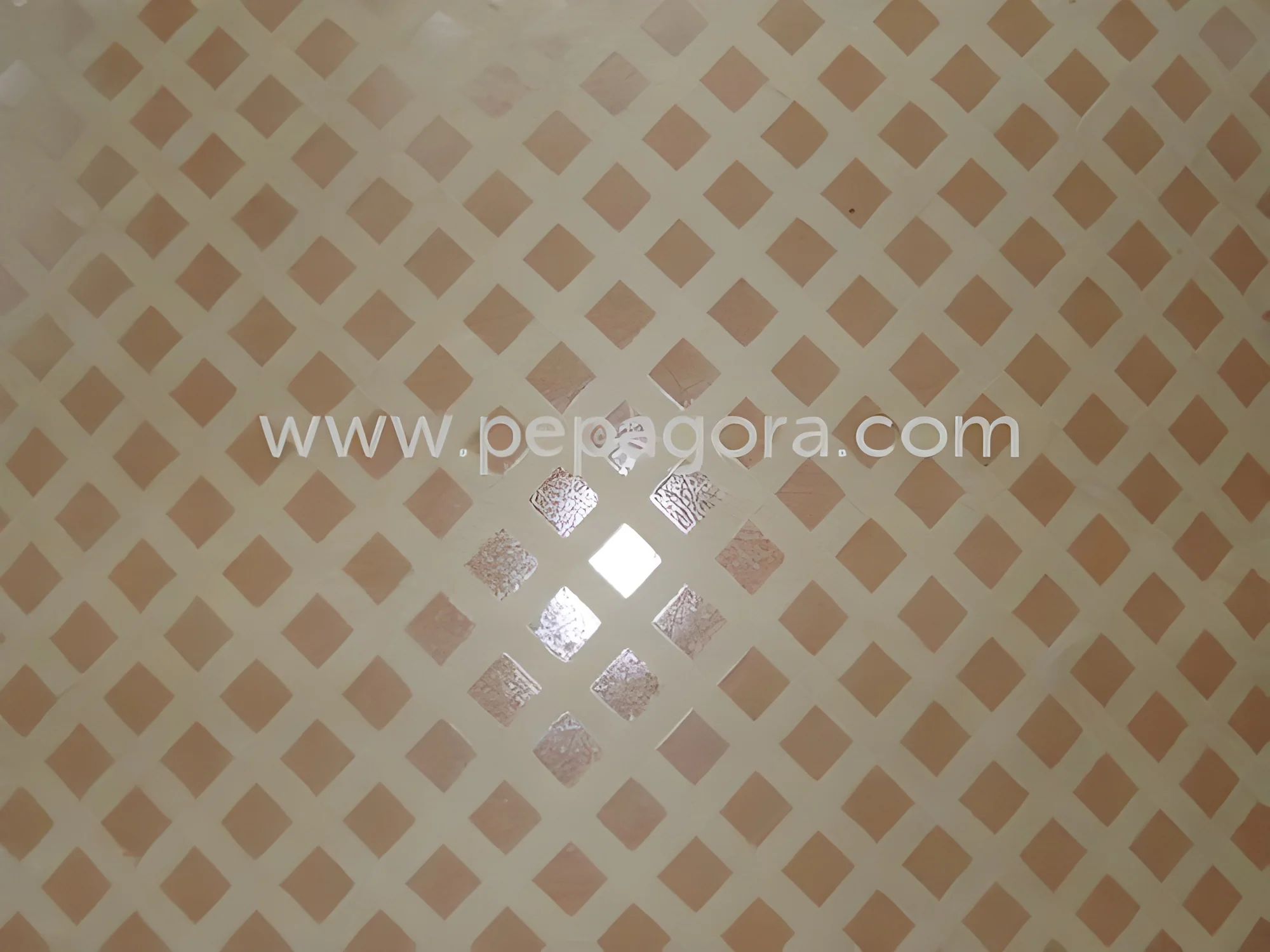
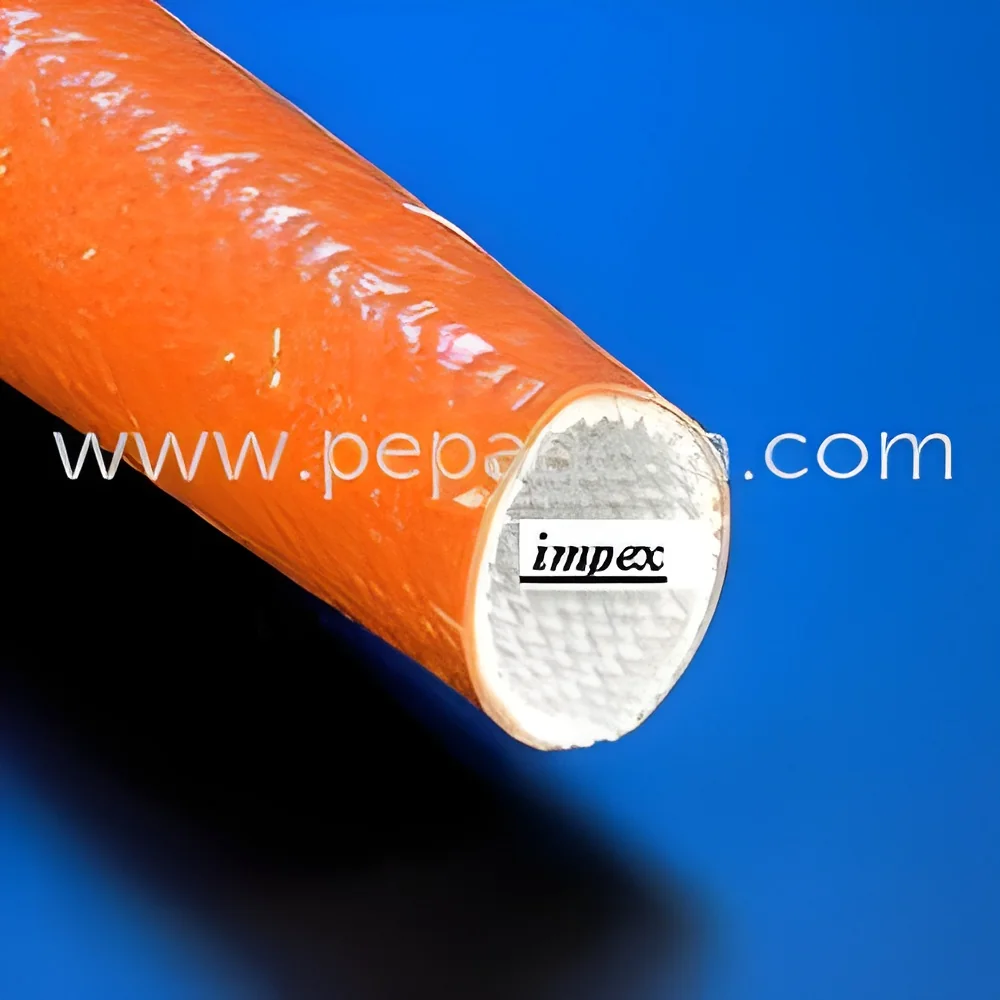
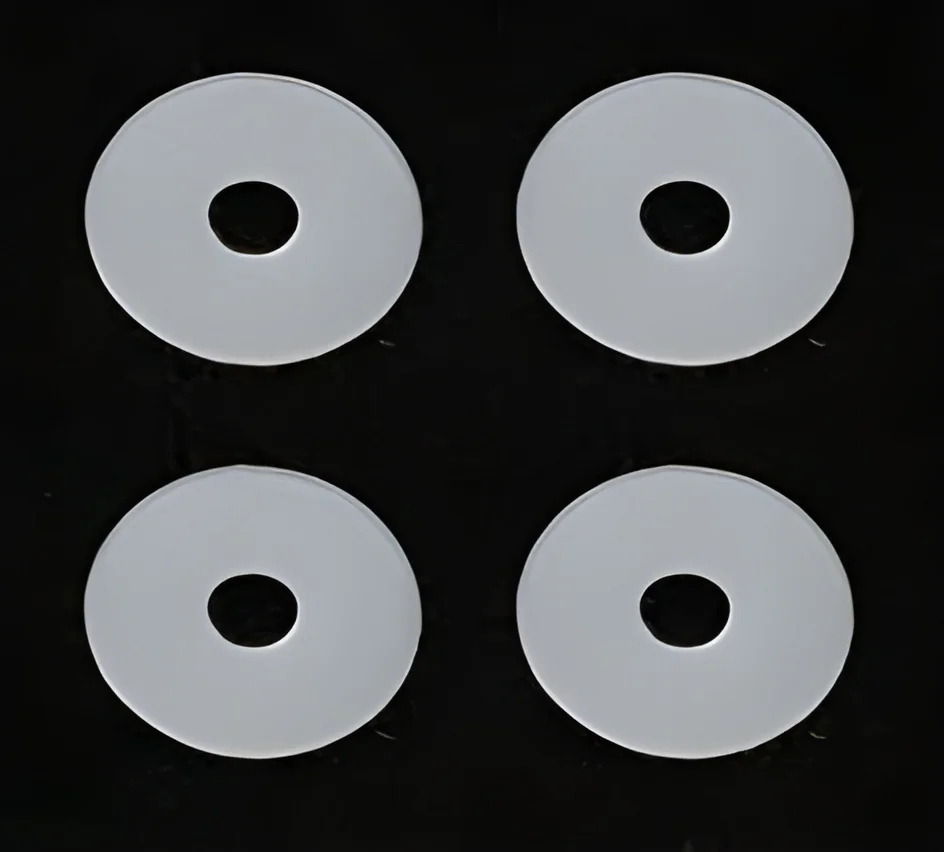
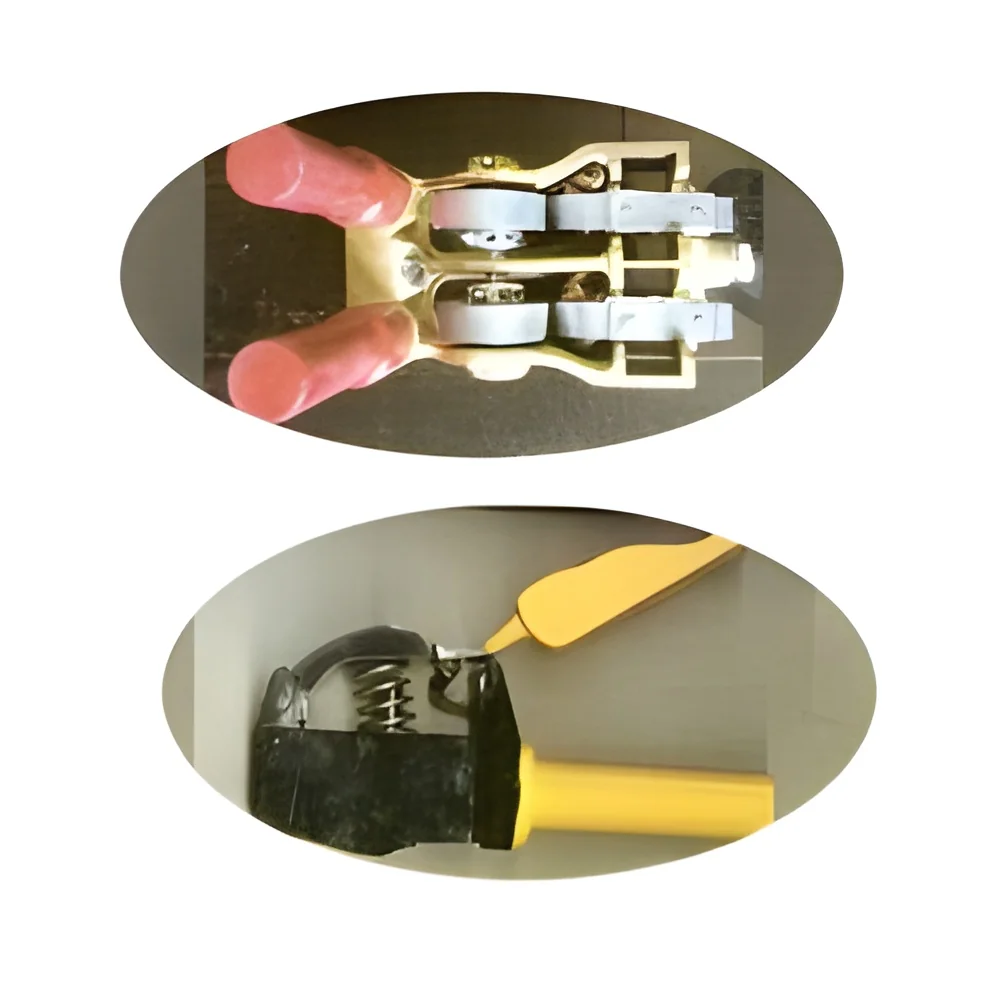
What are Insulation Fixings?
Insulation fixings are specialized fasteners designed to securely attach insulation materials to a variety of substrates. These products are essential in ensuring that insulation remains in place, optimizing thermal performance and energy efficiency in buildings and industrial applications. They come in various designs, such as anchors and screws, tailored to suit different insulation types and installation environments.
Primarily, insulation fixings are used in construction and HVAC applications to maintain the integrity of insulation systems. They can be found in residential, commercial, and industrial settings, providing necessary support for materials like foam boards, mineral wool, and fiberglass. These fixings are crucial for achieving desired energy efficiency, reducing heat loss, and improving overall building performance.
In today's market, insulation fixings are increasingly relevant due to the growing emphasis on energy conservation and sustainability. Industries are adopting stricter regulations regarding thermal performance in buildings, driving demand for effective insulation solutions. The right insulation fixings can significantly contribute to meeting these regulatory requirements while enhancing the longevity of insulation systems.
Key Features and Specifications
Insulation fixings are characterized by several key features that cater to various applications and environments. Understanding these specifications is crucial for selecting the right product for specific needs.
Key specifications include:
1. Material Composition
- Typically made from high-quality plastic or metal
- Offers durability and resistance to environmental factors
2. Load-Bearing Capacity
- Designed to support varying weights of insulation materials
- Load capacities range depending on the type and installation method
3. Installation Method
- Available in various forms, including self-drilling, hammer-in, or adhesive
- Each method has specific applications based on the substrate and insulation type
4. Insulation Compatibility
- Suitable for different insulation materials, including rigid foam, fiberglass, and mineral wool
- Ensures effective performance across diverse systems
5. Temperature Resistance
- Many fixings designed to withstand extreme temperatures
- Important for applications in industrial and outdoor environments
6. Fire Resistance Ratings
- Some fixings come with enhanced fire ratings
- Critical for compliance with safety regulations in building construction
7. Corrosion Resistance
- Products are often treated to resist corrosion
- Essential for maintaining performance in humid or harsh environments
8. Compliance Standards
- Must meet relevant industry standards such as UL and CE
- Ensures products fulfill safety and performance requirements
In summary, insulation fixings are essential components in insulation systems that require careful consideration of their specifications to ensure optimal performance and compliance with industry standards.
Common Applications and Use Cases
Insulation fixings are versatile products used across multiple industries. Their ability to support insulation effectively makes them invaluable in various applications.
1. Construction: In both residential and commercial buildings, insulation fixings are critical for securing insulation to walls, roofs, and floors, contributing to energy efficiency and comfort.
2. HVAC: Insulation fixings are used to secure insulation around ductwork and piping, minimizing heat loss and ensuring optimal system performance.
3. Industrial: In manufacturing facilities, insulation fixings support thermal insulation on equipment and tanks, helping maintain temperature control and energy savings.
4. Refrigeration: These fixings are essential in securing insulation in refrigeration systems, preventing condensation and energy loss.
5. Renewable Energy: Insulation fixings are used in solar panels and other renewable energy systems to maintain insulation integrity, promoting efficiency and longevity.
6. Infrastructure: In infrastructure projects, insulation fixings secure insulation in tunnels and bridges, ensuring compliance with thermal performance regulations.
7. Marine: Insulation fixings are utilized in ships and offshore facilities to manage temperature control and enhance energy efficiency.
Product Variants and Subcategories
Insulation fixings come in various types, each designed for specific applications and environments. This diversity allows businesses to choose the right variant for their needs.
Concrete Anchors
These fixings are designed for use in concrete substrates. They provide strong holding power and are suitable for heavy insulation materials, making them ideal for commercial and industrial applications.
Self-Drilling Screws
These screws are designed for quick installation without the need for pre-drilling. They are often used in metal and wooden substrates, making them a versatile choice for various insulation projects.
Hammer-In Fixings
These fixings are installed by hammering them into place. They are typically used in softer substrates and provide a secure hold for lightweight insulation materials.
Adhesive Fixings
Designed for use with specific insulation types, these fixings utilize strong adhesives to bond insulation materials directly to surfaces. They are commonly used in applications where mechanical fixings are impractical.
Benefits and Advantages
Insulation fixings offer a range of benefits that contribute to overall efficiency and performance in insulation systems.
Key benefits include:
1. Enhanced Energy Efficiency: Properly installed insulation fixings help maintain thermal performance, reducing energy consumption and costs.
2. Improved Longevity: Quality fixings ensure insulation remains securely in place, extending the lifespan of insulation materials.
3. Versatility: Available in various designs, insulation fixings can be used across multiple applications, making them suitable for diverse projects.
4. Compliance Assurance: Many insulation fixings meet industry standards and certifications, ensuring projects adhere to safety and performance requirements.
5. Easy Installation: Many variants are designed for quick and straightforward installation, saving time and labor costs during projects.
Buying Guide for B2B Buyers
When sourcing insulation fixings, several factors should be considered to ensure the right choice for your specific needs.
1. Quality Assessment: Evaluate the quality of materials used in the fixings. Look for products that meet industry standards and have certifications such as UL or CE.
2. Supplier Verification: Vet potential suppliers to ensure they have a reputable standing in the market. Review their track record, customer feedback, and service offerings.
3. Pricing and MOQ: Consider the cost of insulation fixings and the minimum order quantity (MOQ) required. Assess whether the pricing aligns with your budget and project needs.
4. Delivery and Lead Times: Inquire about the supplier's delivery capabilities and typical lead times for orders. Timely deliveries are crucial for maintaining project schedules.
5. Compliance Requirements: Ensure that the insulation fixings meet any relevant compliance and regulatory requirements specific to your industry or region.
Compliance and Certifications
Compliance and certifications are critical factors in the insulation fixing industry. Products must adhere to various quality standards to ensure safety and performance.
Many insulation fixings meet ISO 9001 standards, which focus on quality management systems. This certification demonstrates a commitment to providing quality products and services.
Additionally, insulation fixings may carry certifications such as UL and CE. These certifications indicate that the products have undergone rigorous testing to meet safety and performance benchmarks.
Safety and testing requirements are also essential, particularly for insulation fixings used in commercial and industrial settings. These requirements ensure that products perform effectively under expected conditions.
Regional compliance considerations may vary, so it is important for buyers to be aware of local regulations and standards that may impact their sourcing decisions.
Why Source Insulation Fixings from Pepagora?
Pepagora provides a trusted platform for sourcing insulation fixings, offering several key advantages that facilitate the purchasing process.
Verified Supplier Network: Pepagora features a network of verified suppliers, ensuring that buyers can access high-quality products from reputable manufacturers. This network helps mitigate risks associated with sourcing.
Streamlined RFQ Process: The platform simplifies the request for quotation (RFQ) process, allowing buyers to efficiently gather and compare offers from different suppliers. This transparency helps in making informed purchasing decisions.
Trade Assurance and Support: Pepagora offers trade assurance to protect buyers throughout the procurement process. This support provides peace of mind when making purchases.
Regional Coverage: With a strong presence in India, the GCC, and Southeast Asia, Pepagora ensures that businesses can find insulation fixings that meet their regional needs and compliance requirements. This geographic reach enhances accessibility for buyers across various markets.

 IN
IN