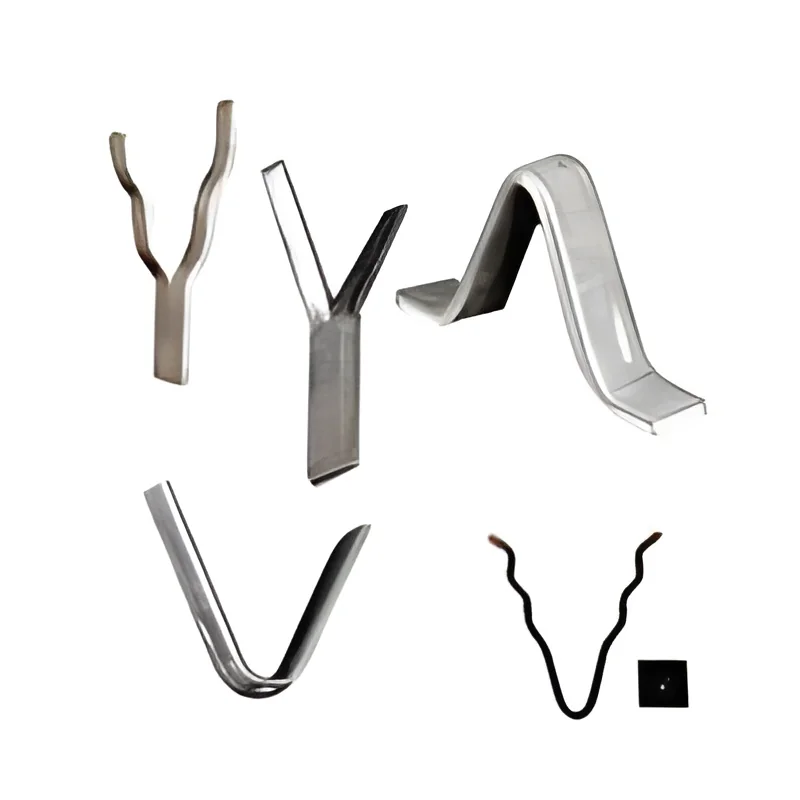
What are Anchoring Tools & Accessories?
Anchoring tools and accessories are specialized devices used to secure structures or equipment in place. They play a critical role in various applications, providing stability and support in environments where safety and reliability are paramount. These tools can include anchors, bolts, screws, and other fastening devices that ensure objects remain firmly attached to surfaces. They are designed to withstand various forces, including tension, shear, and environmental factors.
These tools are primarily used in construction, marine, and industrial applications, where anchoring is essential for safety and functionality. In construction, they secure building materials and equipment, while in marine settings, they stabilize vessels and structures against water currents. In industrial settings, they are used to anchor machinery and equipment, ensuring operational stability. With the growing emphasis on safety regulations and standards, the demand for high-quality anchoring solutions continues to rise across various industries.
The relevance of anchoring tools and accessories in the market cannot be overstated. As industries evolve and safety protocols become stricter, the need for reliable anchoring solutions has led to advancements in technology and materials. This has resulted in the development of high-performance products that meet diverse operational requirements. The anchoring tools market is poised for growth, driven by increasing construction activities and infrastructure development worldwide.
Key Features and Specifications
Anchoring tools and accessories come with a range of features designed to meet the demands of various applications. Understanding these specifications is vital for making informed purchasing decisions.
Key specifications include:
1. Material Composition
- Typically made of high-strength steel, stainless steel, or composite materials
- Ensures durability and resistance to corrosion
2. Load Capacity
- Varies based on type of anchor or tool
- Can support loads ranging from a few hundred pounds to several tons
3. Size and Dimensions
- Available in multiple sizes to suit different applications
- Length and diameter specifications are crucial for compatibility
4. Coating and Finish
- Various coatings such as zinc plating or galvanization
- Enhances resistance to environmental factors and wear
5. Installation Type
- Options include mechanical, adhesive, or expansion anchors
- Each type has specific installation requirements and applications
6. Safety Ratings
- Compliance with safety standards ensures reliability
- Ratings may include factors such as pull-out strength and shear strength
7. Compatibility
- Designed to work with a wide range of substrates
- Important for ensuring effective anchoring in various environments
8. Certifications
- Many products are CE certified
- Indicates compliance with European safety and performance standards
In summary, understanding the key features and specifications of anchoring tools and accessories helps buyers select the right products for their specific needs while ensuring safety and reliability in their applications.
Common Applications and Use Cases
Anchoring tools and accessories find their applications across various industries, reflecting their versatility and importance.
1. Construction: Anchoring tools are essential for securing structural elements such as beams, walls, and foundations, ensuring the integrity of buildings and infrastructure.
2. Marine: In marine applications, anchors are used to secure boats and ships to the seabed, providing stability against wind and waves.
3. Oil and Gas: Anchoring solutions are critical in offshore drilling and extraction operations, where equipment must be secured against harsh environmental conditions.
4. Transportation: In the transportation sector, anchoring tools are used in securing cargo and equipment in vehicles and shipping containers.
5. Telecommunications: Anchoring solutions are applied in the installation of communication towers and antennas, ensuring they remain stable and functional.
6. Manufacturing: In manufacturing facilities, anchoring tools secure machinery and equipment to the floor, preventing movement during operation.
7. Landscaping: Anchoring accessories are used in landscaping projects to secure features such as retaining walls and fences.
Product Variants and Subcategories
Anchoring tools and accessories come in various forms to cater to different applications and environments. This diversity allows buyers to choose the most suitable options for their needs.
Expansion Anchors: These anchors are designed to expand when installed in a hole, providing a strong hold in concrete or masonry. They are ideal for securing heavy objects like shelves and machinery.
Adhesive Anchors: These anchors use a strong adhesive to bond with the substrate, offering a reliable solution for installations where traditional anchors may not suffice. Common in applications involving brick or stone.
Mechanical Anchors: These anchors rely on a mechanical mechanism to provide a secure hold. They are versatile and often used in heavy-duty applications, including construction and industrial settings.
Concrete Screws: These specialized screws are designed for direct installation into concrete, offering a quick and effective anchoring solution. They are commonly used in both residential and commercial projects.
Benefits and Advantages
Investing in high-quality anchoring tools and accessories offers multiple advantages that can enhance operational efficiency and safety.
1. Enhanced Safety: Reliable anchoring solutions reduce the risk of structural failures, providing peace of mind in various applications.
2. Increased Efficiency: Quality anchors and tools streamline the installation process, saving time and labor costs.
3. Versatility: A wide range of product options allows for use in diverse applications, from construction to marine settings.
4. Longevity: Durable materials and coatings ensure that anchoring tools withstand environmental challenges, leading to lower replacement costs over time.
5. Compliance: Many anchoring products meet stringent industry standards, ensuring that businesses adhere to safety regulations.
6. Customization: Some suppliers may offer custom solutions tailored to specific project requirements, enhancing performance and effectiveness.
Buying Guide for B2B Buyers
When sourcing anchoring tools and accessories, B2B buyers should consider several critical factors to ensure they obtain the best products for their needs.
1. Quality Assessment: Buyers should evaluate the quality of materials and manufacturing processes to ensure reliability. Look for products that meet industry standards and have certifications.
2. Supplier Verification: It is essential to vet suppliers for their reputation and reliability. Seek suppliers with a proven track record in providing high-quality anchoring solutions.
3. Pricing and MOQ: Understand the pricing structure and minimum order quantities. Compare quotes from different suppliers to find the best value while ensuring quality is not compromised.
4. Delivery and Lead Times: Consider the logistics involved, including delivery schedules and lead times, to ensure timely availability of products.
5. Compliance Requirements: Be aware of any regulatory requirements that apply to anchoring tools and accessories in your region. Compliance with safety and performance standards is crucial for operational success.
Compliance and Certifications
Compliance and certifications are vital aspects of anchoring tools and accessories, ensuring they meet industry standards for safety and performance.
Relevant quality standards, such as ISO 9001, ensure that manufacturing processes adhere to consistent quality management principles. This is essential for maintaining product reliability and customer satisfaction.
Many anchoring products also hold CE certification, indicating compliance with European safety standards. This certification assures buyers of the product's quality and safety in various applications.
Safety and testing requirements vary by application, but all anchoring tools should undergo rigorous testing to ensure they can withstand the stresses they will encounter in real-world conditions.
Regional compliance considerations may also be necessary, as different regions may have specific regulations regarding construction and safety. Buyers should familiarize themselves with these requirements to ensure compliance.
Why Source Anchoring Tools & Accessories from Pepagora?
Pepagora provides a trusted platform for sourcing anchoring tools and accessories, ensuring that buyers have access to quality products and reliable suppliers.
Verified Supplier Network: Pepagora boasts a network of verified suppliers, ensuring that buyers can source anchoring tools from reputable manufacturers. This reduces the risk of purchasing subpar products.
Streamlined RFQ Process: The request for quotation (RFQ) process at Pepagora is designed to be efficient, allowing buyers to quickly obtain quotes from multiple suppliers. This saves time and helps buyers make informed decisions.
Trade Assurance and Support: Pepagora offers trade assurance, providing buyers with protection against potential issues during transactions. Their customer support team is available to assist buyers throughout the sourcing process.
Regional Coverage: With a focus on markets in India, the GCC, and Southeast Asia, Pepagora ensures that buyers can find suitable anchoring solutions tailored to their regional needs. This broad coverage facilitates access to a diverse range of products and suppliers.

 IN
IN