
 IN
Cable Fixings & Clips
2 products available
What are Cable Fixings & Clips?
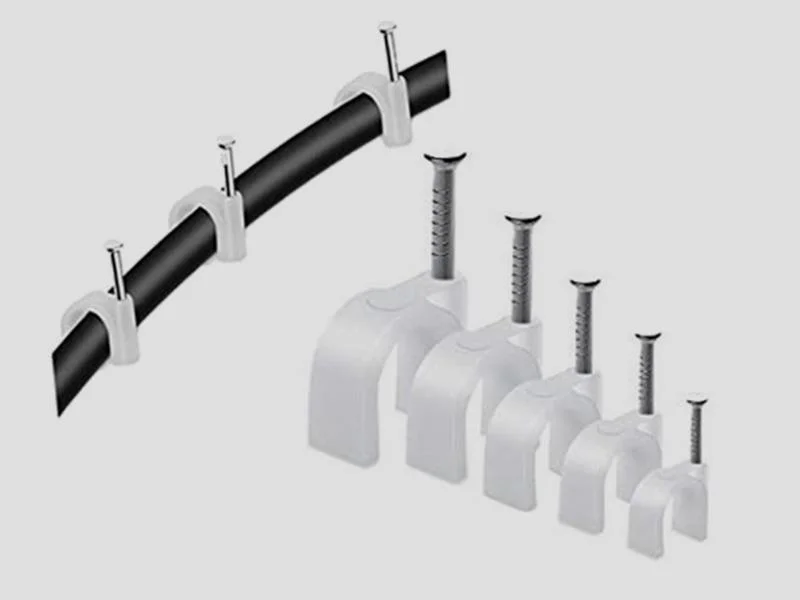
Cable fixings and clips are essential components used to secure and organize electrical cables and wires in various applications. They are designed to hold cables in place, preventing movement and damage while ensuring a neat and tidy installation. These fixings come in various shapes, sizes, and materials, catering to specific needs and environments.
The primary uses of cable fixings and clips span a wide range of industries, from electrical and telecommunications to construction and manufacturing. They are commonly employed in both commercial and residential settings to manage wiring for lighting, HVAC systems, data cabling, and more. By ensuring cables are safely secured, these products help maintain safety and efficiency in electrical installations.
In today's market, the relevance of cable fixings and clips is underscored by the ongoing growth in electrical infrastructure and communication networks. As industries increasingly rely on reliable wiring and connectivity, the demand for quality fixings has surged. This trend is particularly noticeable in sectors such as renewable energy, where proper cable management is crucial for system performance and safety.
Key Features and Specifications
Cable fixings and clips offer a wide array of features that enhance their functionality and effectiveness. Understanding these specifications is crucial for selecting the right products for your needs.
Key specifications include:
1. Material Type
- Common materials include nylon, metal, and plastic.
- Selected based on durability and environmental conditions.
2. Size and Compatibility
- Available in various sizes to accommodate different cable diameters.
- Ensure compatibility with specific cable types for effective use.
3. Load Capacity
- Each fixing has a specified weight limit, affecting its suitability for different applications.
- Critical for ensuring safety and functionality.
4. Installation Method
- Options include screw-mounted, adhesive-backed, and snap-in designs.
- Choose based on installation preferences and surface types.
5. Environmental Resistance
- Products may offer resistance to moisture, UV light, and extreme temperatures.
- Important for outdoor or harsh environment applications.
6. Color and Finish
- Available in various colors and finishes to match aesthetic needs and improve visibility.
- Helpful in organizing cables in complex installations.
7. Compliance Certifications
- Products may be certified for specific standards, ensuring quality and safety.
- Check for relevant certifications to meet industry requirements.
In summary, understanding the features and specifications of cable fixings and clips is vital for making informed purchasing decisions. Selecting the right specifications ensures optimal performance and safety in your cable management solutions.
Common Applications and Use Cases
Cable fixings and clips are versatile components utilized across various industries. Their ability to provide secure cable management makes them indispensable in many applications.
1. Telecommunications: In telecommunications, these fixings support data and telecommunication cables, ensuring stable connections and reducing signal interference.
2. Construction: In construction projects, they are used to organize electrical wiring for lighting and power systems, contributing to safety and efficiency.
3. Automotive: In the automotive industry, cable clips secure wiring harnesses, preventing damage from vibrations and ensuring reliable vehicle operation.
4. Renewable Energy: In solar and wind energy installations, cable fixings are crucial for managing wiring, optimizing performance, and ensuring safety.
5. Industrial Manufacturing: In manufacturing settings, they organize equipment wiring, facilitating easy maintenance and reducing downtime.
6. HVAC Systems: In heating, ventilation, and air conditioning systems, they secure control and power cables, enhancing operational efficiency.
7. Home Automation: For smart home installations, cable clips organize wiring for devices, ensuring a clean and organized setup.
Product Variants and Subcategories
Cable fixings and clips come in a variety of forms to cater to different installation needs and environments. This diversity allows for specific applications across various sectors.
Nylon Cable Clips
These clips are lightweight and resistant to corrosion, making them ideal for indoor and outdoor use. They provide a secure hold for various cable sizes and are easy to install.
Metal Cable Clips
Metal options offer enhanced durability and strength, making them suitable for heavy-duty applications. They are commonly used in industrial settings where robust cable management is necessary.
Plastic Cable Clips
These clips are versatile and affordable, suitable for a range of applications. They are often used in residential and commercial installations where aesthetics and functionality are important.
Self-Adhesive Cable Clips
These clips feature a sticky backing that allows for easy installation without drilling. They are perfect for quick setups and temporary applications, providing versatility in cable management.
Benefits and Advantages
Choosing high-quality cable fixings and clips offers several key advantages that enhance safety and efficiency in cable management.
1. Increased Safety: Properly secured cables reduce the risk of electrical hazards, such as short circuits or fires, ensuring a safer environment.
2. Enhanced Organization: These fixings help maintain a tidy workspace, making it easier to identify and manage cables, which can improve maintenance efficiency.
3. Improved Durability: Quality materials ensure that cable fixings withstand environmental factors, extending the lifespan of both cables and fixings.
4. Time Efficiency: Easy installation methods save time during setup, allowing for quicker project completion and reduced labor costs.
5. Flexibility: Availability in various designs and materials allows for customization based on specific project requirements.
6. Regulatory Compliance: Using certified products can help ensure compliance with industry standards and regulations, reducing liability and improving safety.
Buying Guide for B2B Buyers
When sourcing cable fixings and clips, it is essential to consider various factors to ensure you make the right purchase.
1. Quality Assessment: Examine the materials and construction of the clips to ensure reliability. Look for products that comply with industry standards for quality assurance.
2. Supplier Verification: Vet potential suppliers by checking their reputation, certifications, and customer reviews. A reliable supplier will provide consistent quality and support.
3. Pricing and MOQ: Understand the price range for the specific clips you need and inquire about minimum order quantities. This information will help you budget effectively.
4. Delivery and Lead Times: Confirm delivery schedules and lead times to ensure that your project timelines are met. Delays in receiving fixings can impact overall project completion.
5. Compliance Requirements: Be aware of any regulatory requirements specific to your industry that may affect the types of fixings you can use. This ensures that your installations are both safe and legal.
Compliance and Certifications
Compliance and certifications are crucial aspects of cable fixings and clips. These products must adhere to relevant quality standards to ensure safety and reliability.
ISO 9001 is a widely recognized standard that signifies a commitment to quality management systems. Products that meet this standard are typically manufactured under strict quality control measures, ensuring consistent performance.
CE certification indicates that a product meets European safety and environmental requirements. This certification is particularly important for businesses operating in or exporting to Europe, as it demonstrates compliance with essential health and safety regulations.
Safety and testing requirements are critical in the manufacturing of cable fixings and clips. Products must undergo rigorous testing to verify their performance under various conditions, ensuring they can withstand the demands of their intended applications.
Regional compliance considerations may vary based on local regulations. It is essential to understand these requirements, especially if you are sourcing products for use in multiple locations.
Why Source Cable Fixings & Clips from Pepagora?
Pepagora provides a trusted platform for sourcing cable fixings and clips, offering several key advantages to B2B buyers.
Verified Supplier Network: Pepagora connects buyers with a network of verified suppliers, ensuring that products meet quality standards and industry requirements. This verification process helps buyers make informed decisions.
Streamlined RFQ Process: The request for quotation (RFQ) system allows buyers to easily compare prices and specifications from multiple suppliers. This efficiency can significantly reduce the time spent sourcing products.
Trade Assurance and Support: Pepagora offers trade assurance, providing buyers with protection and support throughout the purchasing process. This assurance helps mitigate risks associated with online transactions.
Regional Coverage: With a focus on regions such as India, the Gulf Cooperation Council (GCC), and Southeast Asia, Pepagora caters to a diverse market. This regional reach ensures that buyers can access a wide range of products tailored to their specific needs.


Frequently Asked Questions
What are Cable Fixings & Clips?
Cable Fixings & Clips are essential components used to secure electrical cables and wires in place. They help organize and manage cables, preventing damage and ensuring safety in various applications, from residential to industrial settings.
What are the different types of Cable Fixings & Clips?
There are several types of Cable Fixings & Clips, including plastic clips, metal clamps, and adhesive mounts. Each type is designed for specific applications and environments, ensuring optimal cable management and protection.
How do I choose the right Cable Fixings & Clips?
To choose the right Cable Fixings & Clips, consider factors such as cable size, material compatibility, and installation environment. It's also important to evaluate the load capacity and any specific requirements of your project to ensure a secure fit.
What are the standard specifications for Cable Fixings & Clips?
Standard specifications for Cable Fixings & Clips typically include dimensions, load ratings, and material types. Common materials include plastic, steel, and aluminum, each offering different levels of durability and resistance to environmental factors.
What is the price range for Cable Fixings & Clips?
The price range for Cable Fixings & Clips can vary widely based on material, type, and quantity. Generally, prices can start from a few rupees per piece for standard options and increase for custom or specialized products.
What quality standards apply to Cable Fixings & Clips?
Quality standards for Cable Fixings & Clips often include adherence to national and international safety regulations, such as the ISI mark in India. Manufacturers may also comply with ISO standards to ensure product reliability and performance.
Where can I find Cable Fixings & Clips suppliers in India?
You can find Cable Fixings & Clips suppliers in India through online B2B marketplaces like Pepagora, industry trade shows, and local hardware suppliers. It's advisable to compare multiple suppliers to find the best options for your needs.
Can Cable Fixings & Clips be customized?
Yes, Cable Fixings & Clips can often be customized based on specific requirements, such as size, color, and load capacity. Many manufacturers offer customization options to meet the unique needs of their clients.
What is the typical minimum order quantity for Cable Fixings & Clips?
The typical minimum order quantity (MOQ) for Cable Fixings & Clips varies by supplier and product type. Generally, MOQs can range from a small batch of 100 pieces to larger quantities depending on the manufacturer's policies.
What is the typical lead time for Cable Fixings & Clips?
The typical lead time for Cable Fixings & Clips can range from a few days to several weeks, depending on the supplier and whether the items are in stock or need to be manufactured. It's advisable to confirm lead times with the supplier before placing an order.
Why Businesses Trust Pepagora
Thousands of companies trust Pepagora to source smarter and sell faster
Expand Your Sales Globally

Source Smarter,Grow Faster
