IN
IN₹
Apparel & Fashion
Description
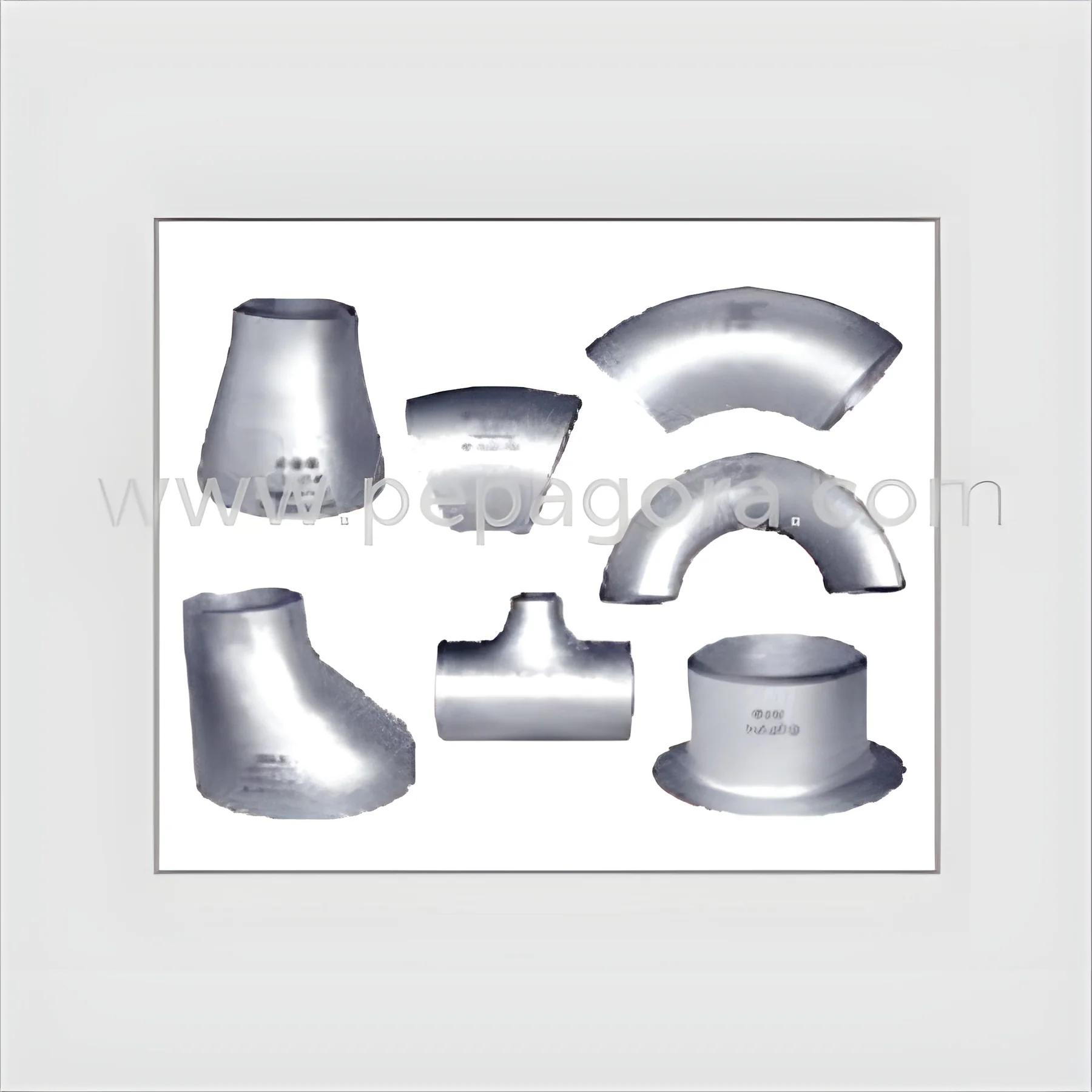
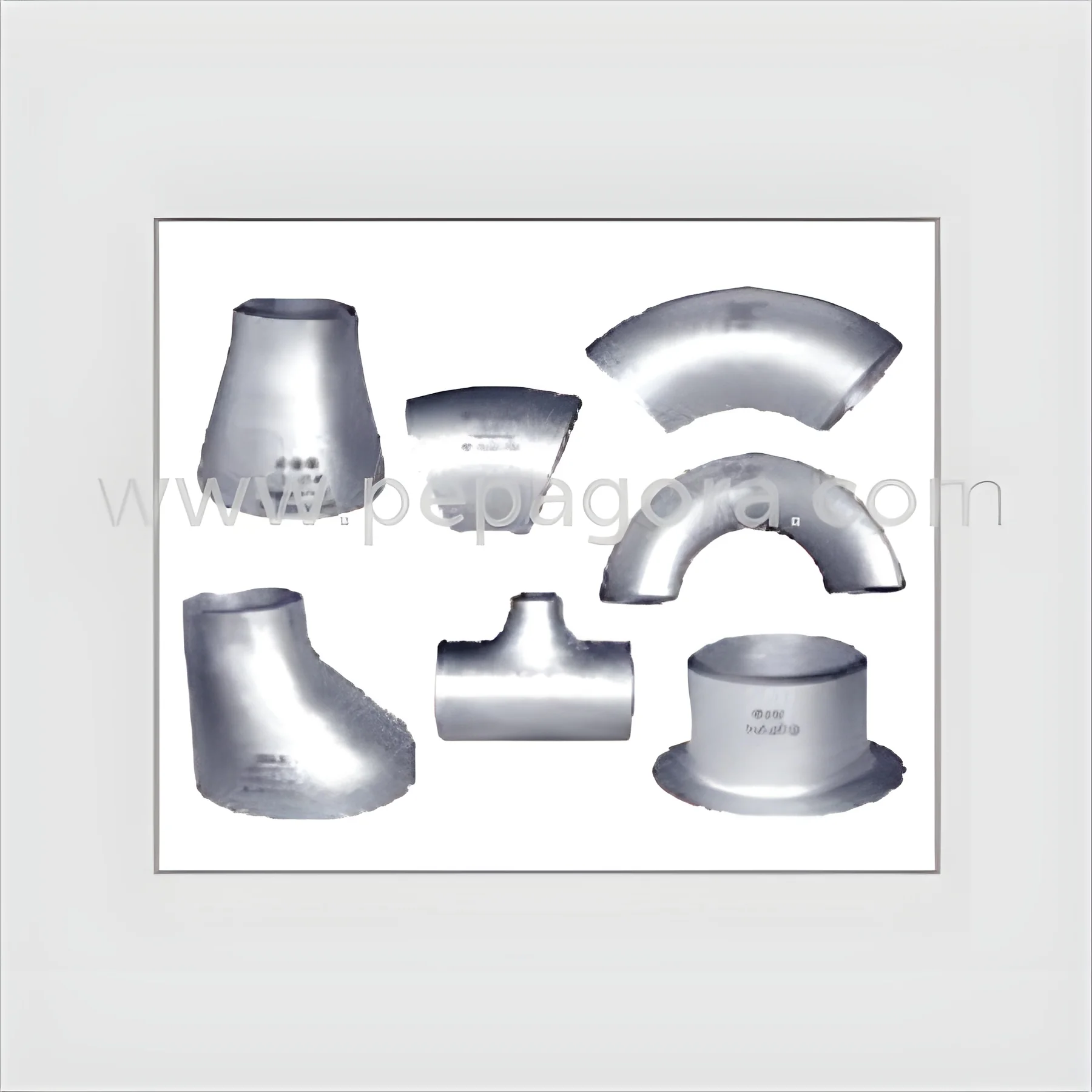
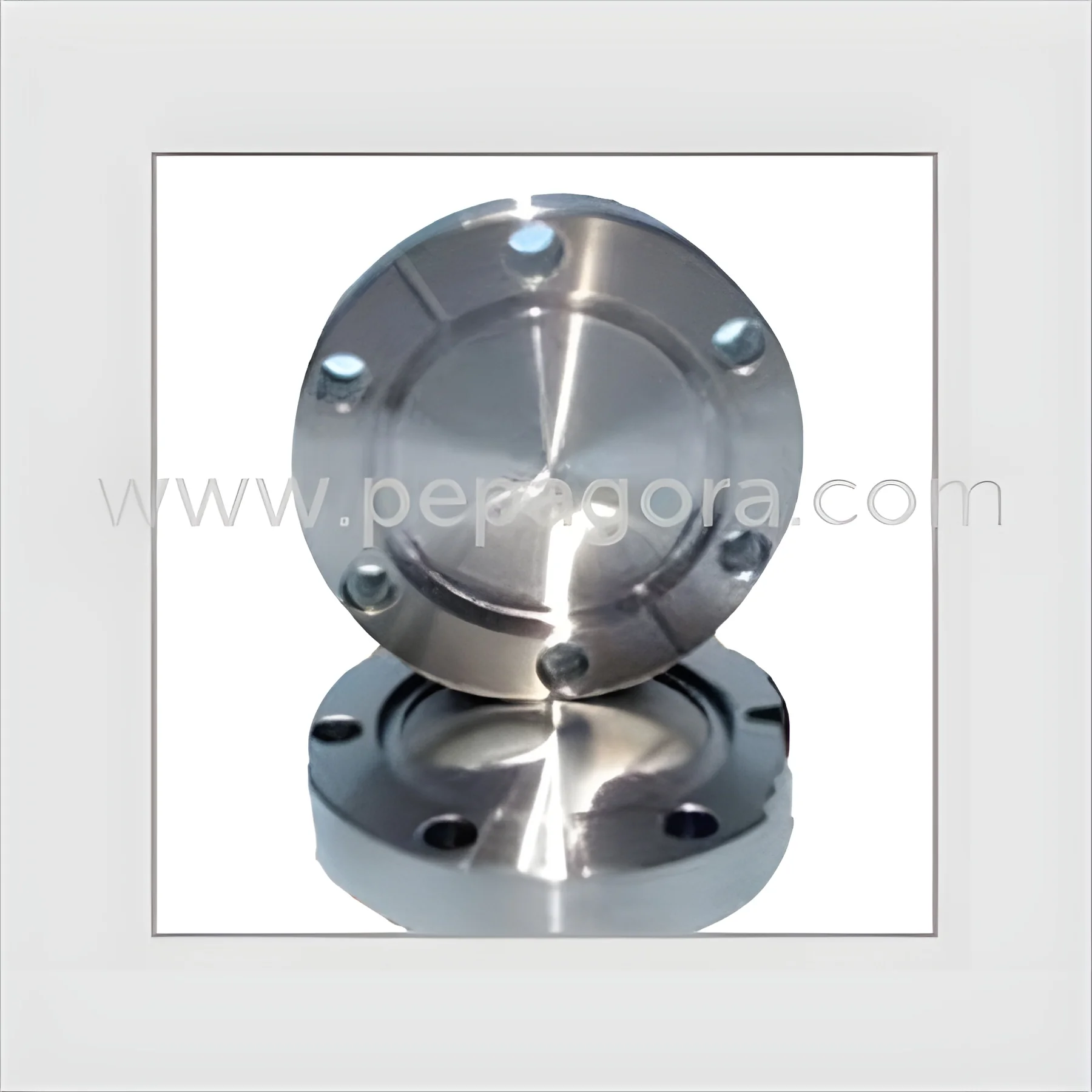
Industrial steel flanges are precision-engineered components designed to form robust, sealed junctions in piping systems that transport liquids, gases, and slurries. Manufactured from high-grade materials such as alloy steel, mild steel, and stainless steel, each flange type is selected for its specific mechanical properties, including tensile strength, corrosion resistance, and temperature tolerance. These flanges are produced to meet stringent international standards, ensuring dimensional accuracy, reliable pressure ratings, and compatibility with global piping specifications. Their design facilitates easy assembly, disassembly for maintenance, and inspection, making them an indispensable part of any industrial fluid handling system that demands both performance and safety.

These components are utilized across a broad spectrum of heavy industries where piping system integrity is non-negotiable. In the oil and gas sector, they are critical for upstream, midstream, and downstream oper...
Industrial steel flanges are precision-engineered components designed to form robust, sealed junctions in piping systems that transport liquids, gases, and slurries. Manufactured from high-grade materials such as alloy steel, mild steel, and stainless steel, each flange type is selected for its specific mechanical properties, including tensile strength, corrosion resistance, and temperature tolerance. These flanges are produced to meet stringent international standards, ensuring dimensional accuracy, reliable pressure ratings, and compatibility with global piping specifications. Their design facilitates easy assembly, disassembly for maintenance, and inspection, making them an indispensable part of any industrial fluid handling system that demands both performance and safety.

These components are utilized across a broad spectrum of heavy industries where piping system integrity is non-negotiable. In the oil and gas sector, they are critical for upstream, midstream, and downstream operations, connecting pipelines that carry crude oil, natural gas, and refined products. Chemical processing plants rely heavily on stainless steel and alloy flanges to safely contain aggressive acids, solvents, and volatile compounds. The power generation industry, encompassing fossil fuel, nuclear, and renewable energy plants, uses them in boiler feed systems, steam condensate lines, and cooling water circuits. Furthermore, they are essential in water and wastewater treatment facilities for constructing durable supply networks and in marine applications for building resilient systems that withstand saltwater corrosion and dynamic loads.

The business value of sourcing high-quality industrial flanges lies in their direct contribution to operational uptime, safety compliance, and total cost of ownership. Reliable flanges minimize the risk of costly leaks, unscheduled shutdowns, and environmental incidents, protecting both assets and personnel. Their durability translates into longer service life and reduced frequency of replacement, lowering long-term maintenance expenditures. By providing components that adhere to precise specifications and quality benchmarks, suppliers enable smoother project execution, faster installation times, and enhanced system reliability for their clients, which include engineering firms, construction contractors, and maintenance teams.

Key Features:
- Manufactured from premium-grade materials including A105 mild steel, 304/316 stainless steel, and ASTM A182 alloy steel for specific performance needs.
- Engineered to withstand high-pressure and high-temperature operating conditions common in industrial settings.
- Designed to provide a secure, leak-proof connection between pipe sections, valves, pumps, and other system equipment.
- Available in a comprehensive range of standard types such as weld neck, slip-on, blind, socket weld, and threaded flanges.
- Produced to conform with recognized standards including ASME B16.5, ANSI, DIN, and JIS for guaranteed compatibility and performance.

Benefits:
- Ensures system integrity and safety by preventing leaks in critical fluid and gas transport pipelines.
- Reduces long-term operational costs through durable construction that minimizes maintenance needs and replacement frequency.
- Enhances project efficiency with reliable components that are easy to install and integrate into existing systems.
- Provides versatility for various applications through availability in multiple material grades and pressure classes.
- Offers peace of mind through adherence to international manufacturing and quality standards, ensuring consistent performance.
Specifications
| Additional Information | |
|---|---|
| Country of Origin | India |
Application
Industrial steel flanges are engineered to create secure, permanent connections between pipes, valves, and other equipment within complex piping networks. Their primary function is to ensure a leak-proof seal capable of withstanding high internal pressures, temperature fluctuations, and mechanical stress, which is critical for maintaining system integrity and operational safety across various demanding environments. Available in multiple material grades including mild steel for general use, stainless steel for corrosion resistance, and alloy steel for enhanced strength, these flanges can be specified to match the exact requirements of the fluid or gas being transported, as well as the specific environmental conditions of the installation site. This versatility makes them a fundamental component for engineers and project managers who need reliable joining solutions that contribute to long-term system reliability and reduced maintenance intervals.
Real-world applications:
- Securing pipeline segments in oil and gas extraction and transmission infrastructure to prevent leaks under extreme pressure.
- Connecting process equipment and reactors in chemical and petrochemical plants where handling corrosive or hazardous materials is routine.
- Assembling water distribution and treatment systems for municipal services and industrial cooling circuits, ensuring consistent flow.
- Integrating high-temperature steam lines and coolant systems within thermal power generation and nuclear facilities.
- Fabricating seawater cooling lines, ballast systems, and fuel lines in shipbuilding, offshore platforms, and marine engineering projects.
Trade Details
| Available Stock | In Stock |
| Sample Availability | No |
Payment Terms
| Payment Terms |
|
Company Profile
Metal Tech Engineers, Maharashtra
 Maharashtra, India
Maharashtra, IndiaConstruction•Manufacturer•Distributor / Wholesaler•Importer / Exporter
Factory Details
Factory SizeBelow 1000 sqm
Annual Production Capacity0
Industrial Steel Flanges For Piping Systems Alloy Mild Stainless
Industrial steel flanges for piping systems in alloy, mild, and stainless steel types. These high-quality components provide reliable, leak-proof connections for demanding industrial applications, ensuring durability and performance.
Min. Order Quantity: 1 unit
Shipping
Shipping fee and delivery date to be negotiated. Contact supplier now for more details.
Metal Tech Engineers
 Maharashtra, India
Maharashtra, IndiaConstructionManufacturer