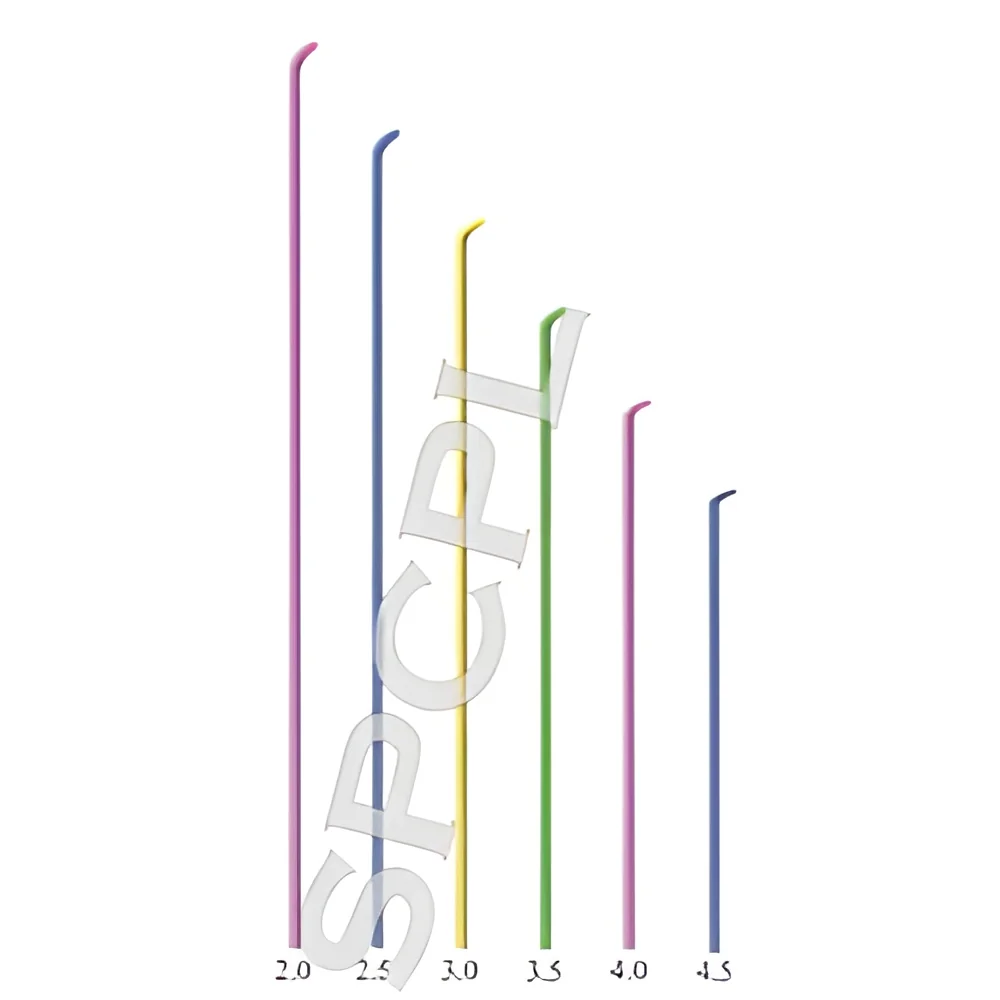
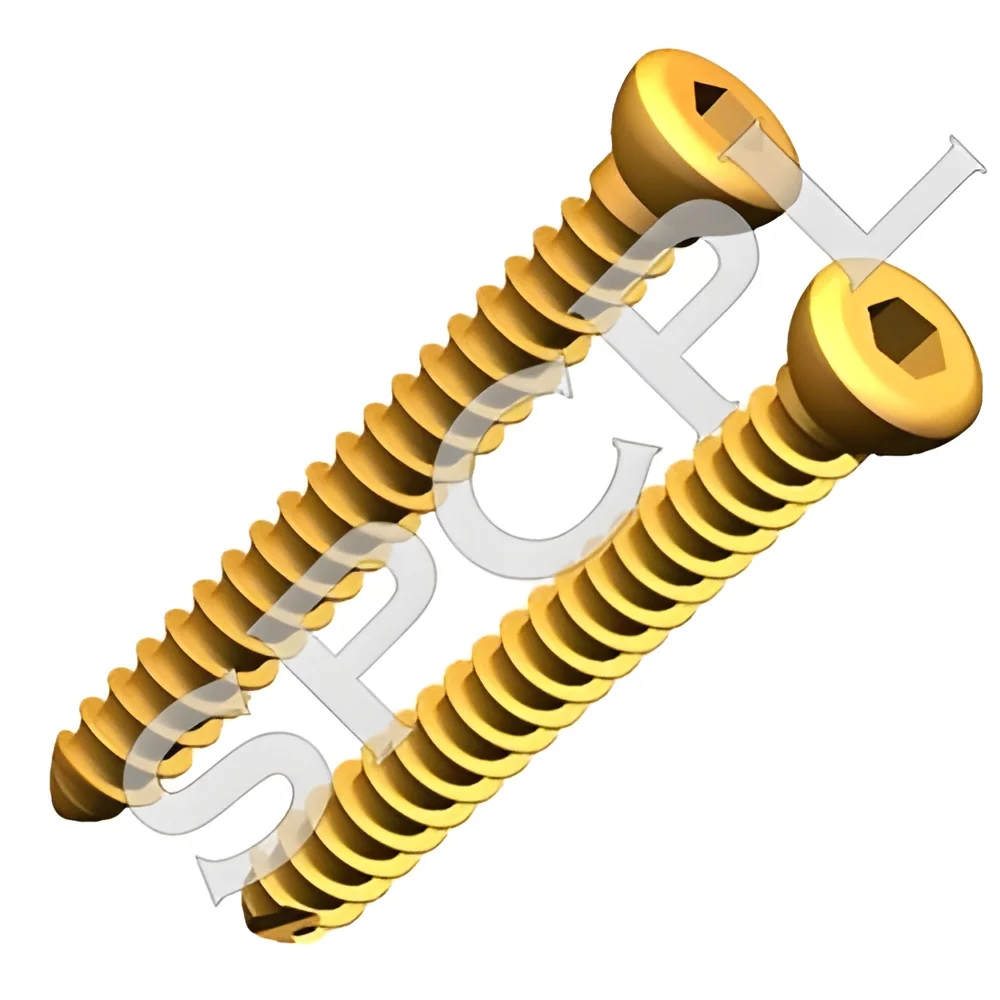
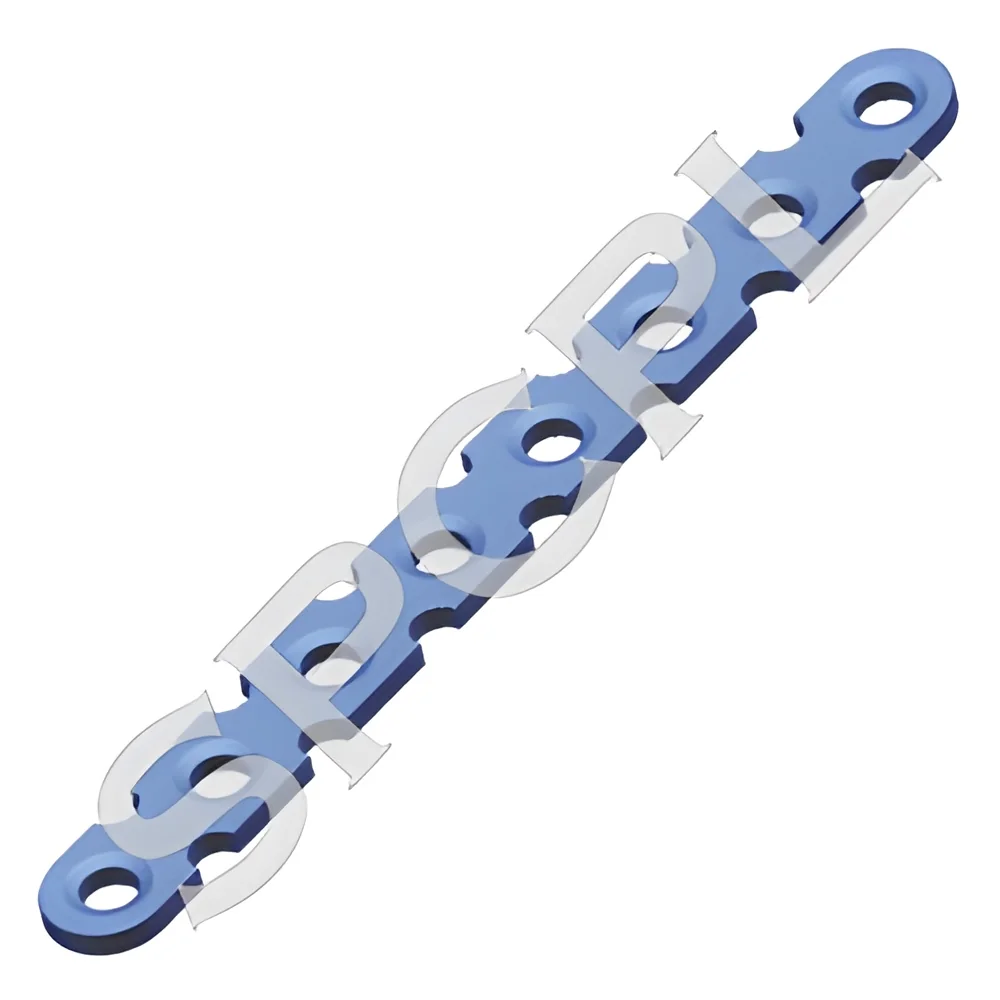
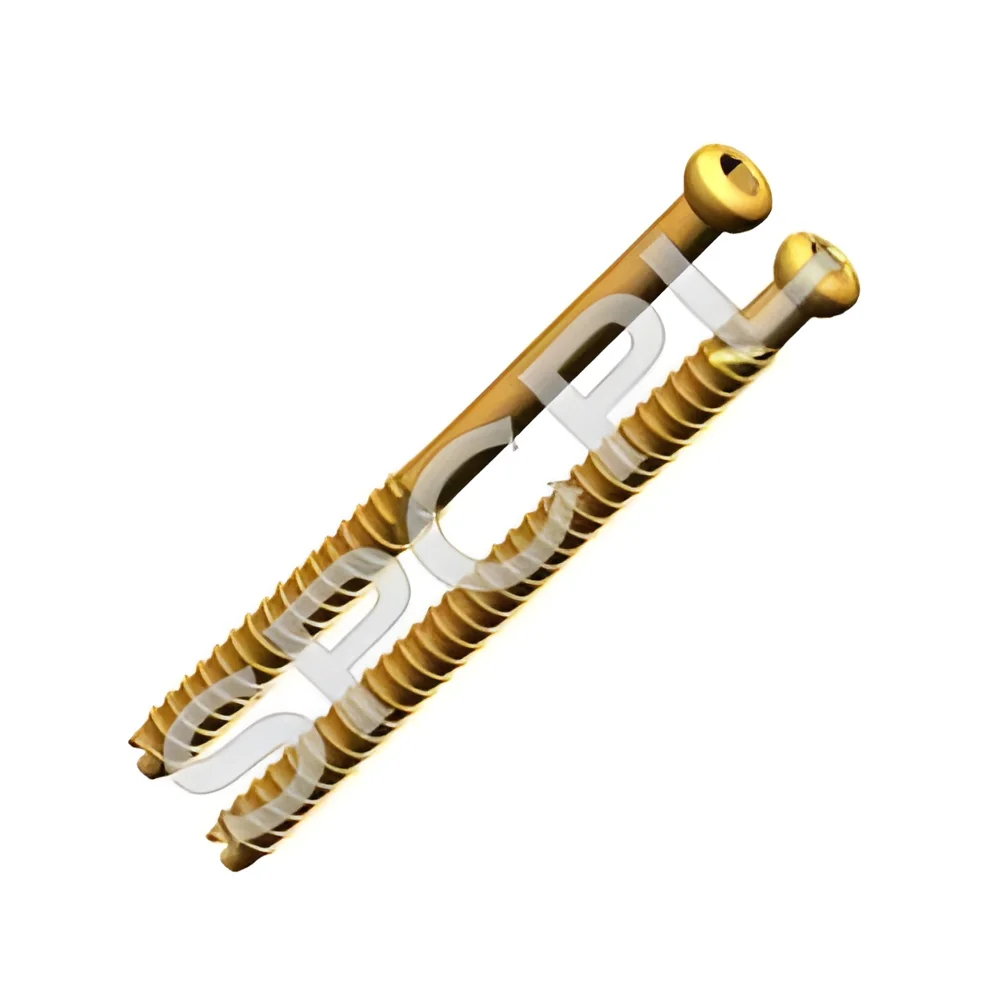
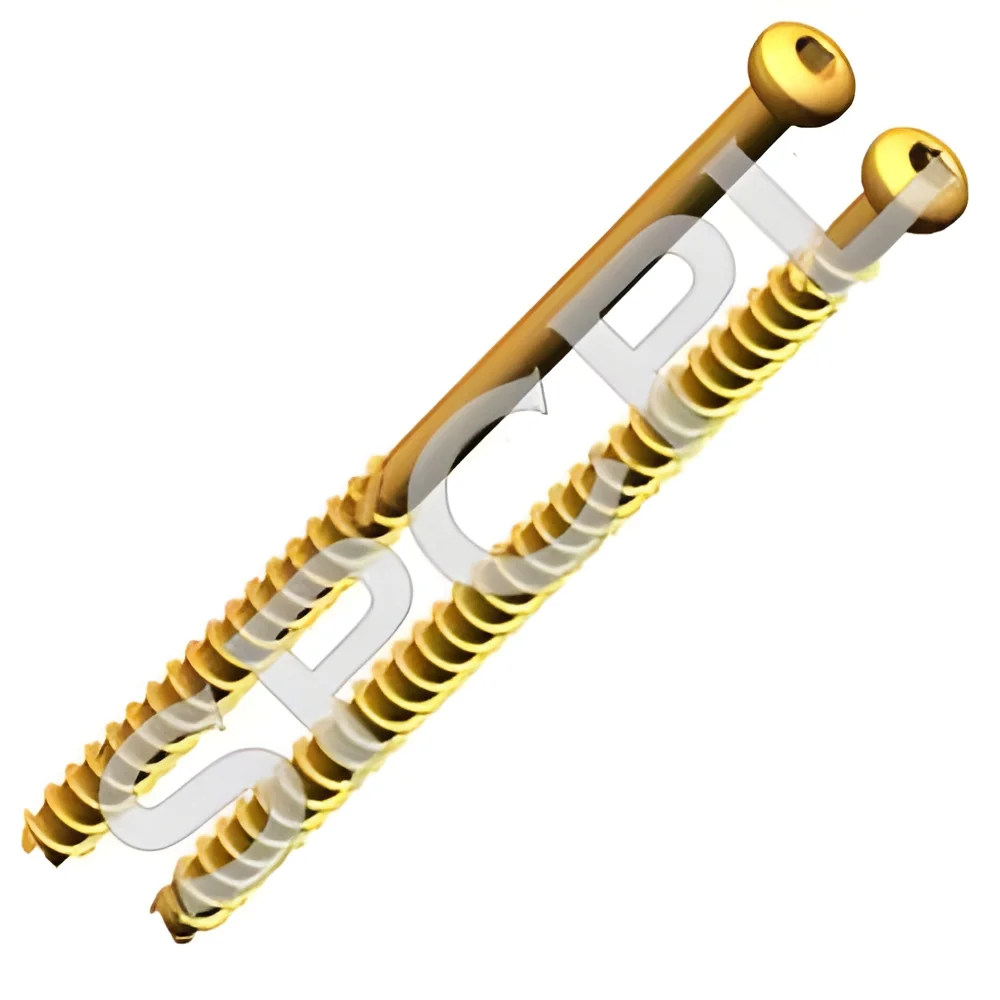
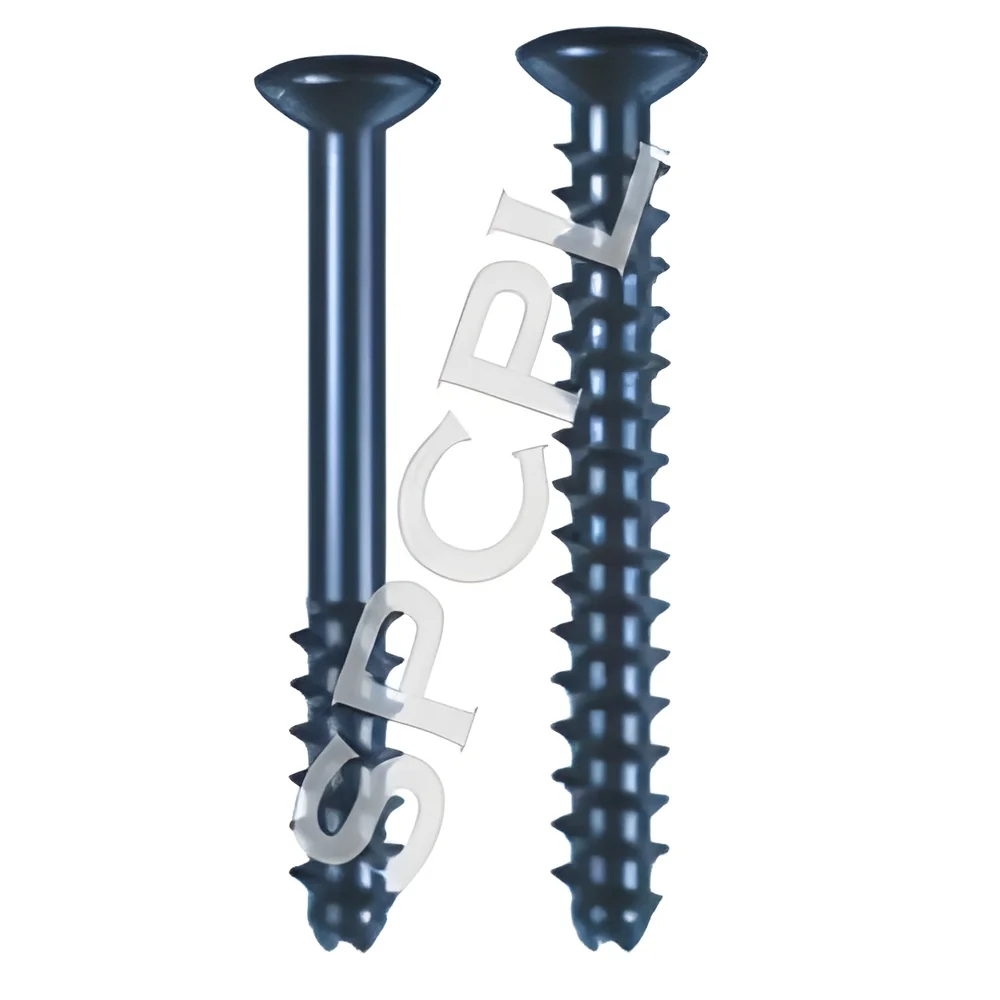
What are Mechanical Fixings?
Mechanical fixings are essential components used to join or secure two or more items together. They are typically made from durable materials such as metal or plastic and are designed to withstand various stresses and environmental conditions. These fixings can include items such as screws, bolts, nuts, washers, and anchors, each serving a specific purpose in assembly and construction processes.
In business applications, mechanical fixings play a crucial role across multiple industries. They are predominantly used in construction, automotive, manufacturing, and aerospace sectors, where reliability and strength are paramount. Mechanical fixings help ensure the structural integrity of products and infrastructure, making them indispensable in both temporary and permanent applications. As the demand for high-quality assembly solutions continues to rise, the market for mechanical fixings remains robust and competitive.
With advancements in technology and manufacturing processes, mechanical fixings have evolved to meet the growing needs of industries. This growth is driven by factors such as increased construction activities, advancements in engineered materials, and a shift towards automation in manufacturing processes.
Key Features and Specifications
Mechanical fixings are characterized by various features and specifications that enhance their performance and suitability for different applications. Understanding these specifications is crucial for selecting the right fixings for a project.
Key specifications include:
1. Material Composition
- Mechanical fixings can be made from steel, stainless steel, aluminum, or plastic.
- Each material has specific properties that affect strength, corrosion resistance, and weight.
2. Size and Dimensions
- Fixings come in a range of sizes, often defined by diameter and length.
- These dimensions are critical for ensuring compatibility with the components being joined.
3. Load Capacity
- Different fixings are rated for various load capacities.
- This rating indicates the maximum weight or force the fixing can withstand without failure.
4. Thread Type
- Mechanical fixings may feature different thread types, such as coarse or fine threads.
- The choice of thread affects the fixing's grip and resistance to loosening.
5. Finish and Coatings
- Fixings can be coated with materials like zinc or epoxy for enhanced corrosion resistance.
- Surface finishes can also influence appearance and friction properties.
6. Compliance Standards
- Many mechanical fixings adhere to specific industry standards, such as ISO or ANSI.
- Compliance ensures quality and reliability in performance.
7. Temperature Tolerance
- Mechanical fixings are designed to operate within specific temperature ranges.
- Understanding these limits is essential for applications in extreme environments.
8. Customization Options
- Some manufacturers offer customized mechanical fixings to meet specific requirements.
- Customization may include variations in size, material, and design.
In summary, the features and specifications of mechanical fixings are critical to their selection and use in various applications. Buyers should carefully consider these factors to ensure optimal performance and reliability.
Common Applications and Use Cases
Mechanical fixings are utilized across various industries, contributing to the structural integrity and functionality of numerous applications.
1. Construction: In the construction industry, mechanical fixings are used to secure structural components like beams, walls, and roofs. They ensure the stability and safety of buildings and other infrastructures.
2. Automotive: Mechanical fixings play a vital role in automotive assembly, holding together various parts of vehicles, including engines, chassis, and interiors. Their reliability is crucial for vehicle safety and performance.
3. Manufacturing: In manufacturing, mechanical fixings are used in machinery and equipment assembly. They facilitate the construction of complex systems that require precise and secure connections.
4. Aerospace: The aerospace industry relies on high-strength mechanical fixings to join components in aircraft and spacecraft. Their ability to withstand extreme conditions is essential for safety and performance.
5. Furniture: Mechanical fixings are commonly found in furniture assembly, providing the necessary strength for joints in tables, chairs, and cabinets. They ensure durability and longevity in consumer products.
6. Electrical: In electrical applications, mechanical fixings secure components like circuit boards and enclosures. Proper fixing is essential for maintaining electrical safety and performance.
7. HVAC: Mechanical fixings are used in heating, ventilation, and air conditioning systems to secure ductwork and equipment. Their reliability contributes to efficient system operation.
Product Variants and Subcategories
Mechanical fixings come in various forms, catering to different needs and applications in the industry.
Screws: Screws are one of the most versatile mechanical fixings. They are available in numerous types, such as wood screws, machine screws, and self-tapping screws. Each type serves specific purposes, from securing wood to metal components.
Bolts: Bolts are heavy-duty fixings designed for high-strength applications. They typically require a nut to secure them in place and are commonly used in construction and machinery.
Nuts: Nuts are designed to fit onto bolts, providing a secure connection. Available in various shapes and sizes, they are essential for fastening applications across many industries.
Washers: Washers are used in conjunction with screws and bolts to distribute load and reduce friction. They help prevent loosening and damage to surfaces, making them vital in many applications.
Anchors: Anchors are specialized fixings used to secure items to walls or ceilings. They are commonly used in construction and renovation projects to support fixtures and fittings.
Benefits and Advantages
Mechanical fixings offer numerous benefits that make them indispensable in various applications.
Key benefits include:
1. Strength and Durability: Mechanical fixings provide robust connections that can withstand significant loads and stresses, ensuring long-lasting performance.
2. Ease of Installation: Many mechanical fixings are designed for quick and simple installation, reducing labor time and costs during assembly.
3. Versatility: With a wide range of options available, mechanical fixings can be used in diverse applications across multiple industries.
4. Cost-Effectiveness: Mechanical fixings are generally affordable, making them a cost-effective solution for joining components in various projects.
5. Reusability: Many mechanical fixings can be reused, especially in temporary applications, providing added value and sustainability.
6. Customization: The availability of customized mechanical fixings allows businesses to tailor solutions to specific requirements, enhancing operational efficiency.
Buying Guide for B2B Buyers
When sourcing mechanical fixings, it is essential for B2B buyers to consider several factors to ensure they select the right products for their needs.
1. Quality Assessment: Buyers should evaluate the quality of mechanical fixings based on material composition, manufacturing processes, and compliance with industry standards. High-quality fixings will ensure reliability and performance.
2. Supplier Verification: It is crucial to vet suppliers to ensure they have a solid reputation and experience in providing mechanical fixings. Checking references and certifications can help confirm their credibility.
3. Pricing and MOQ: Understanding the pricing structure and minimum order quantities (MOQ) is essential for budget management. Buyers should compare prices across suppliers to ensure competitive rates without compromising quality.
4. Delivery and Lead Times: Timely delivery is critical in B2B transactions. Buyers should clarify lead times and logistics to ensure that they receive mechanical fixings when needed.
5. Compliance Requirements: Buyers must be aware of any regulatory compliance requirements specific to their industry. Ensuring that mechanical fixings meet these standards is vital for safety and quality assurance.
Compliance and Certifications
Compliance and certifications play a significant role in the reliability and safety of mechanical fixings. Various quality standards govern the manufacturing and performance of these products.
ISO 9001 is a widely recognized quality management standard that ensures manufacturers maintain consistent quality in their products. Compliance with this standard indicates that the mechanical fixings have been produced under strict quality control measures.
CE certification is essential for products sold within the European market. It signifies compliance with health, safety, and environmental protection standards, assuring buyers of the fixings' reliability.
Safety and testing requirements also play a crucial role in the production of mechanical fixings. Manufacturers often conduct extensive testing to ensure that their products can withstand specified loads and environmental conditions.
Regional compliance considerations may vary, and buyers should be informed about local regulations that may affect the use of mechanical fixings in their projects.
Why Source Mechanical Fixings from Pepagora?
Pepagora provides a trusted platform for sourcing mechanical fixings, offering several key advantages that cater to the needs of B2B buyers.
Verified Supplier Network: Pepagora has established a network of verified suppliers, ensuring that buyers have access to high-quality mechanical fixings. Each supplier undergoes a thorough vetting process, providing peace of mind for buyers.
Streamlined RFQ Process: The platform offers a streamlined request for quotation (RFQ) process, allowing buyers to easily obtain quotes from multiple suppliers. This system helps buyers compare options and make informed purchasing decisions.
Trade Assurance and Support: Pepagora provides trade assurance, protecting buyers from potential issues during transactions. The platform also offers support to assist buyers throughout the sourcing process, enhancing the overall experience.
Regional Coverage: With a geographic reach that includes India, the GCC, and Southeast Asia, Pepagora connects buyers with suppliers in key markets. This regional coverage facilitates access to a diverse range of mechanical fixings tailored to various industry needs.

 IN
IN