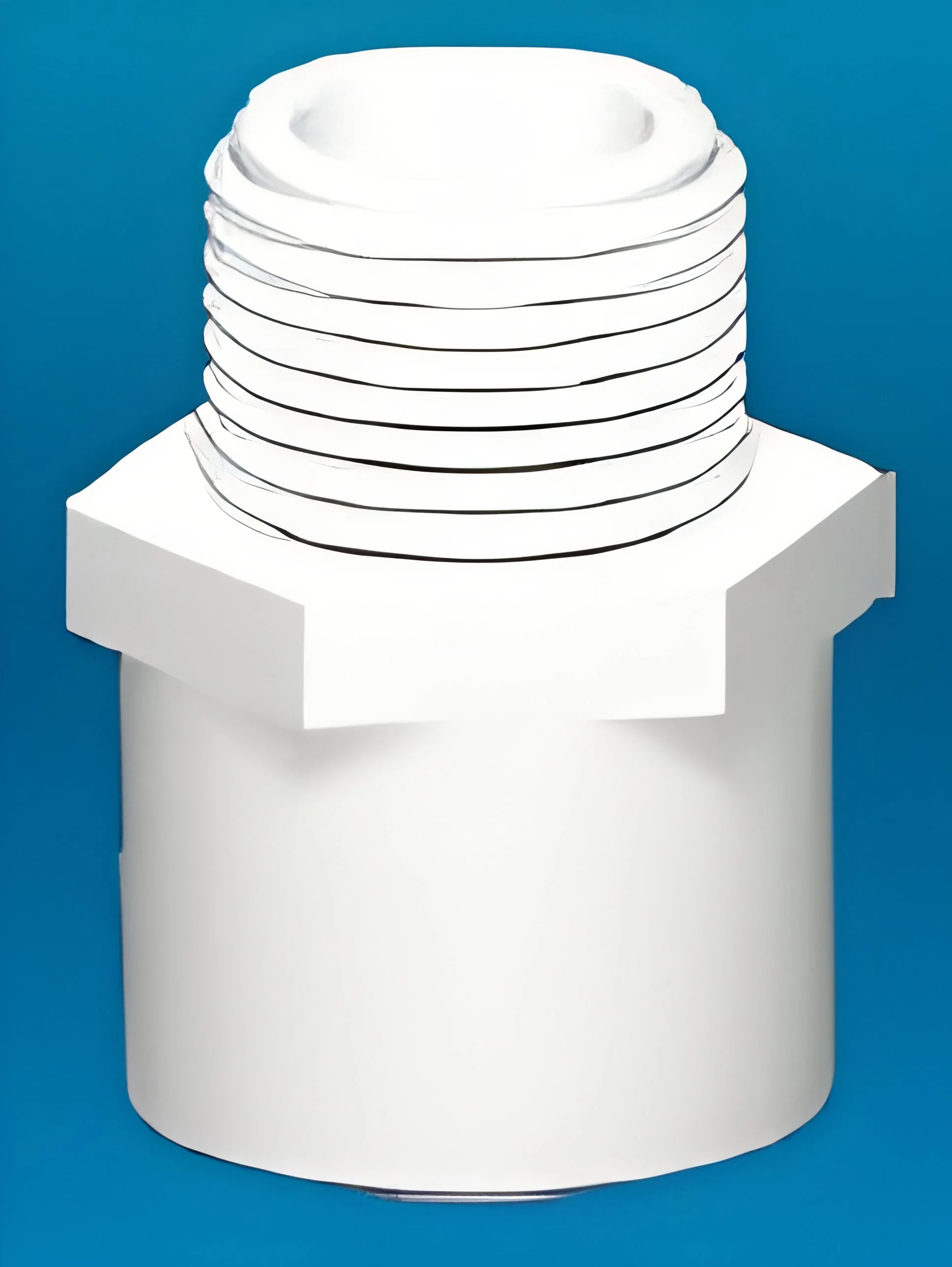
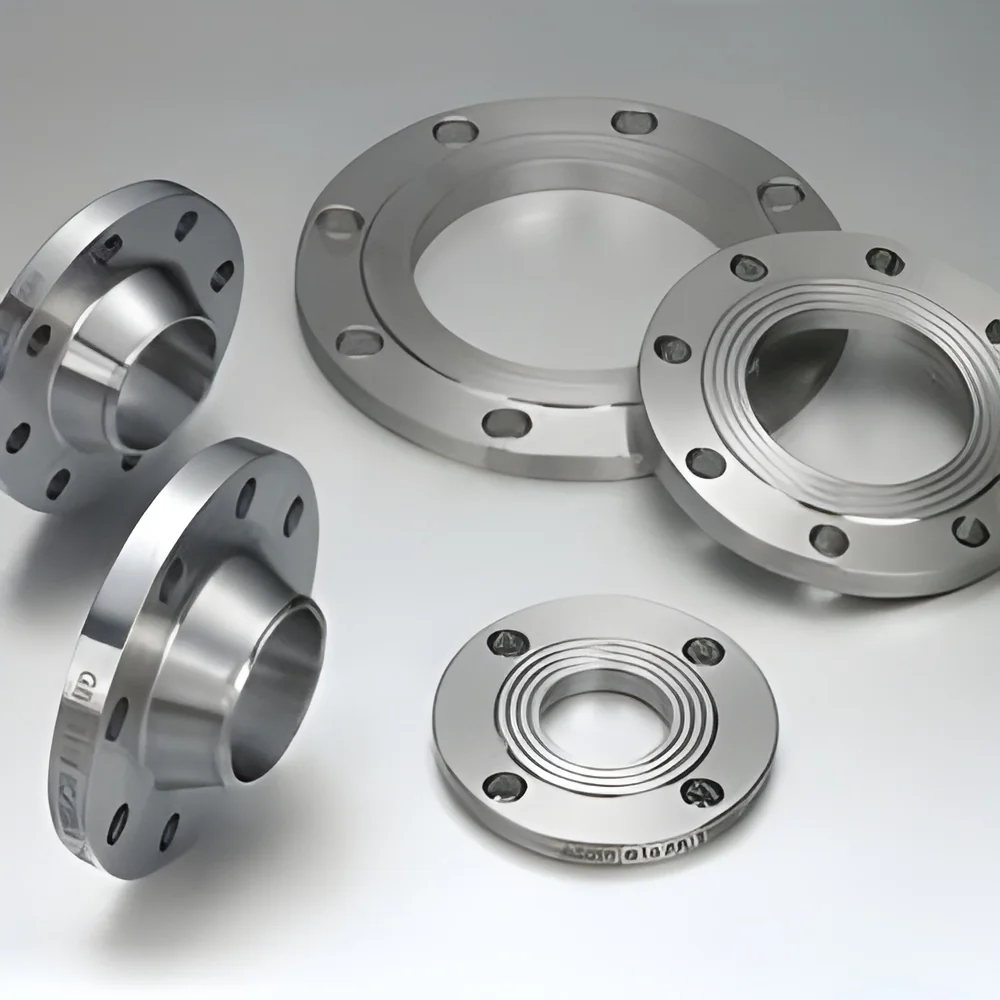
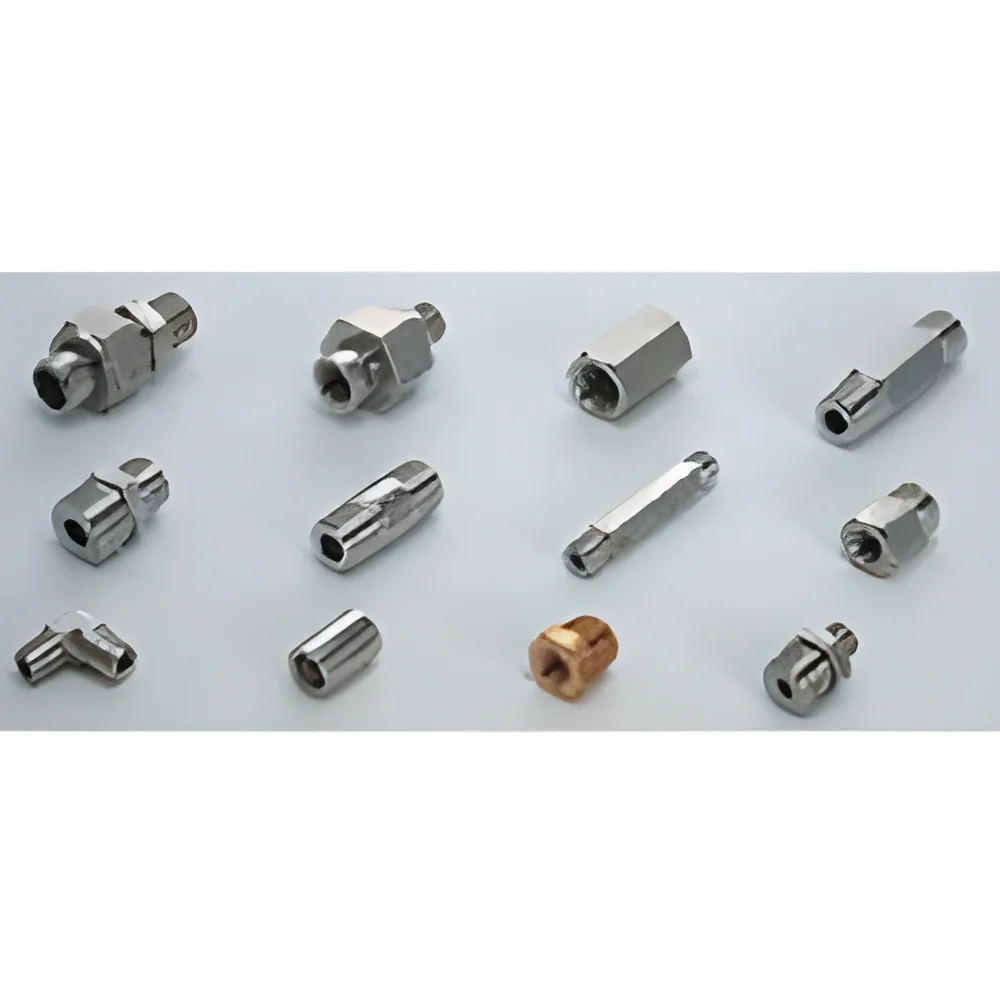
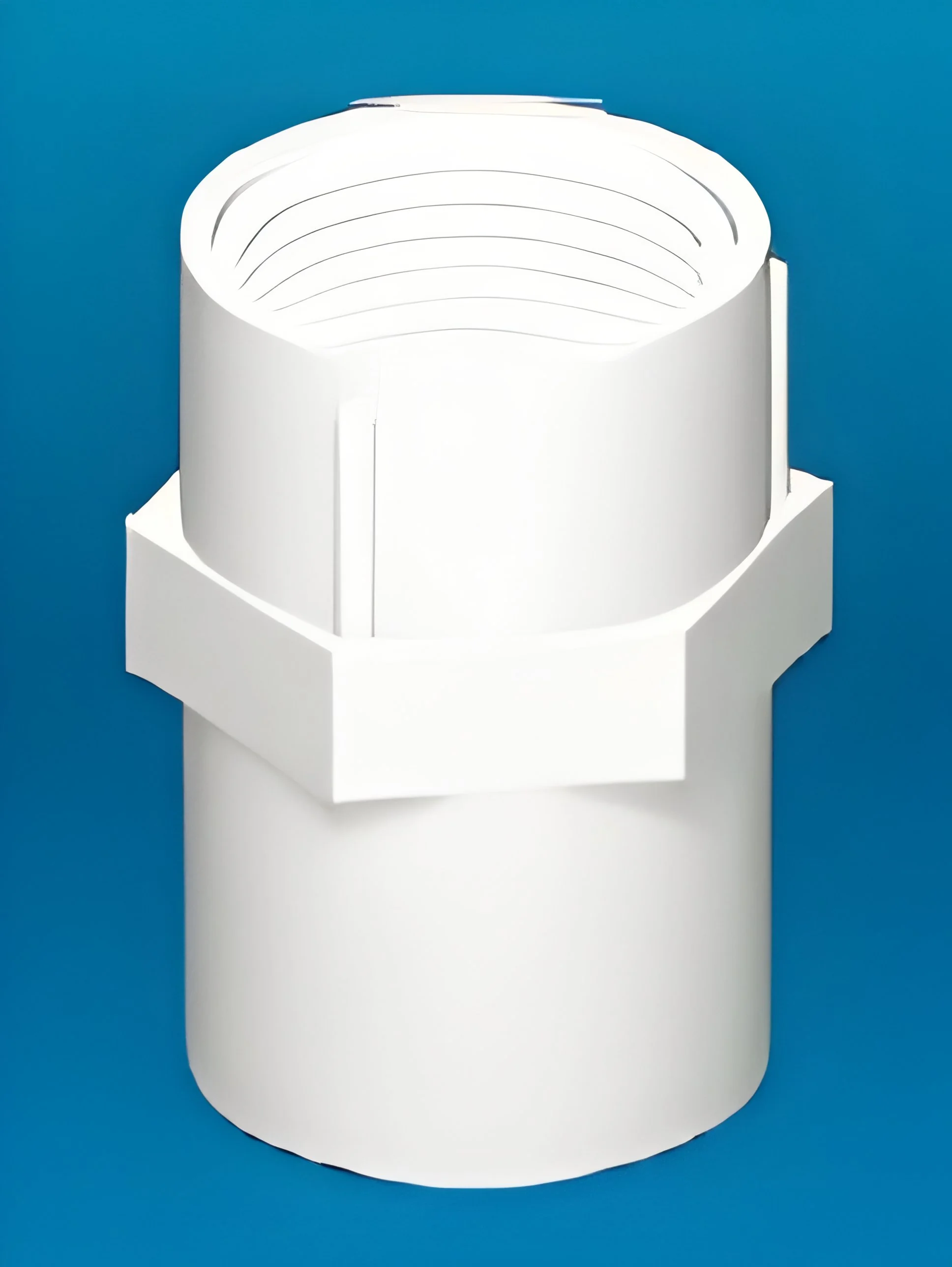
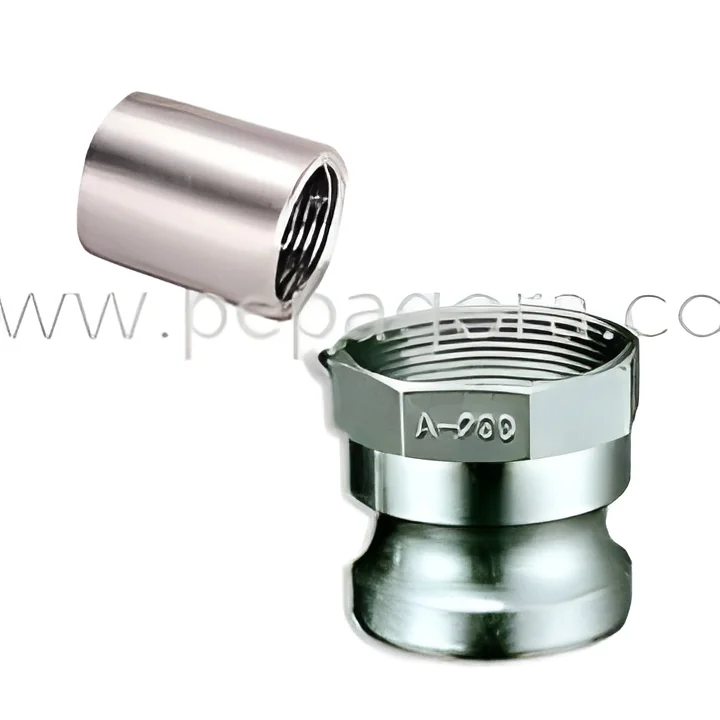
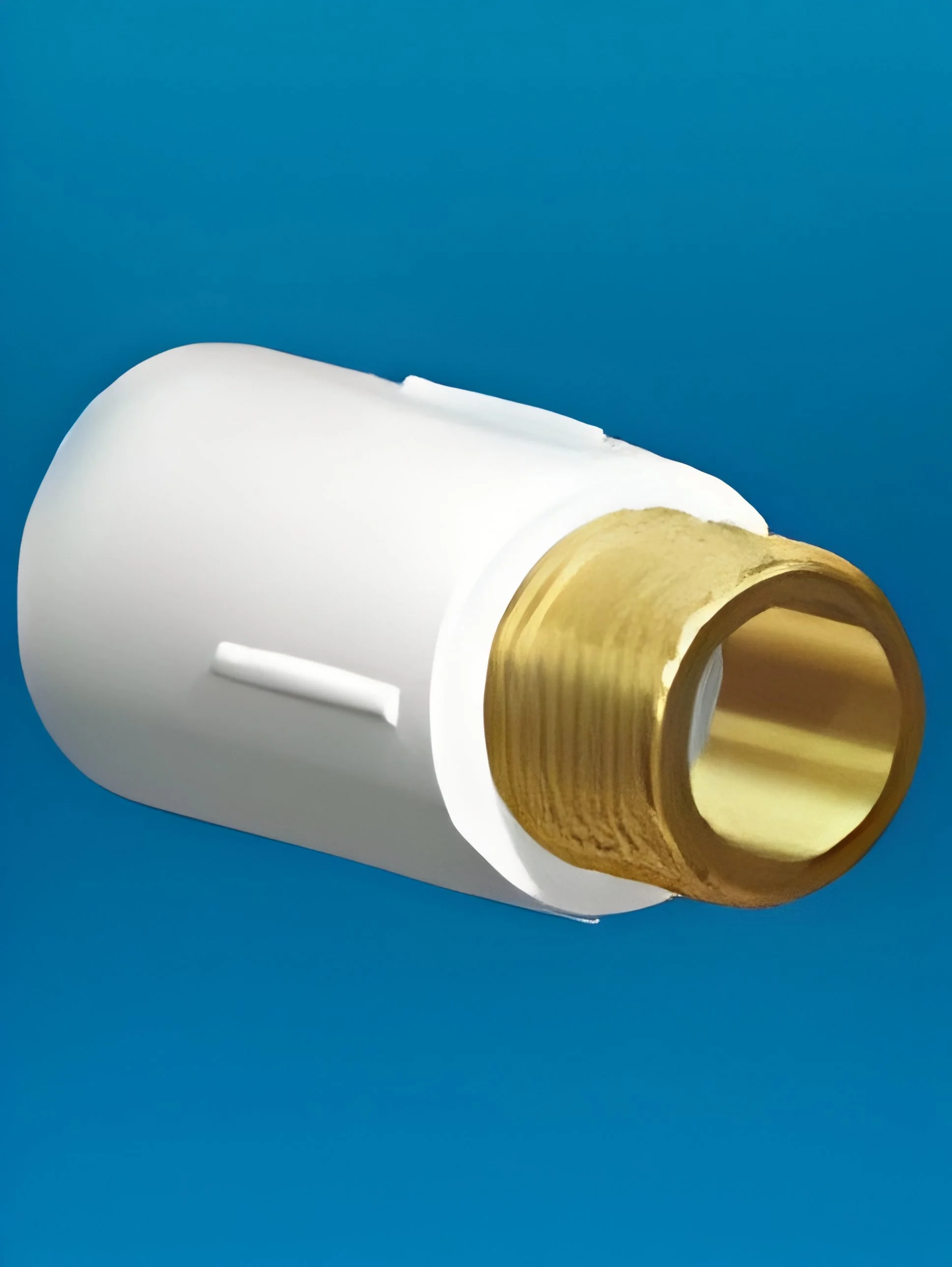
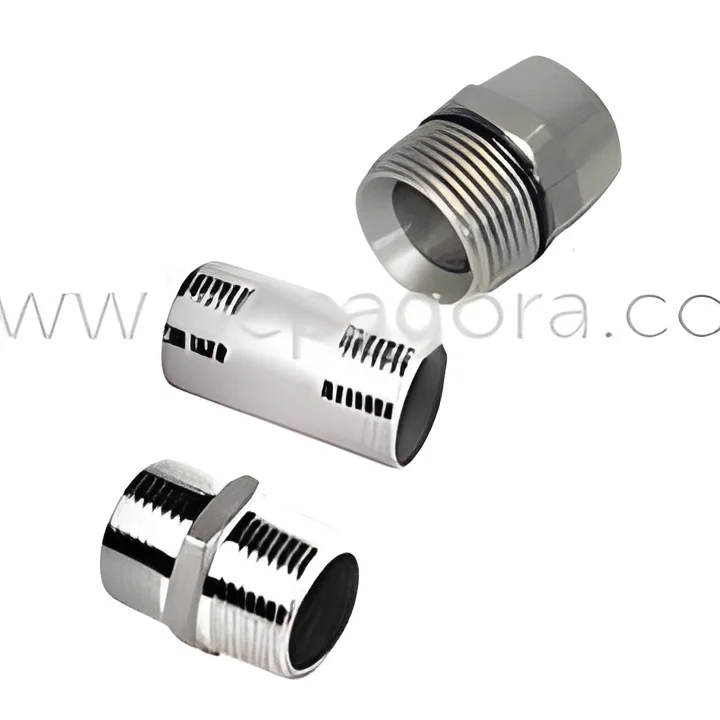
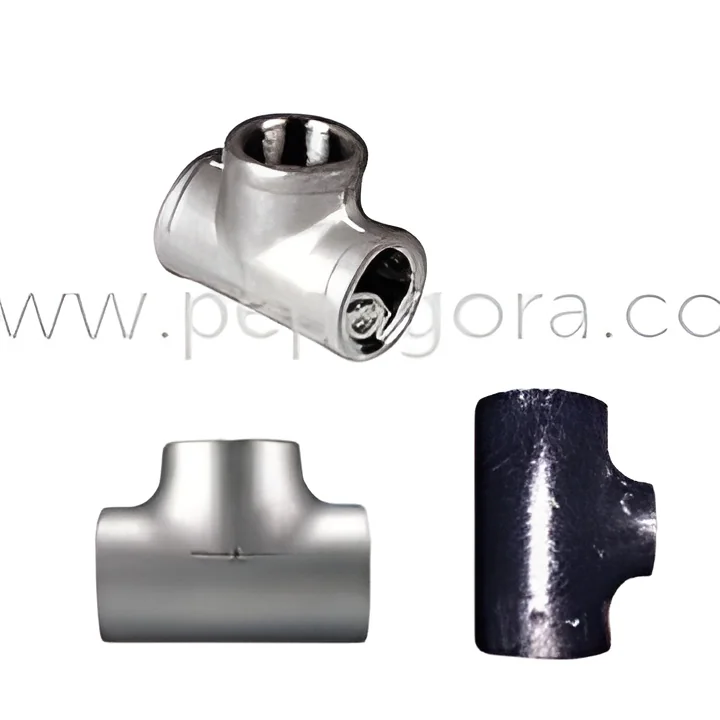
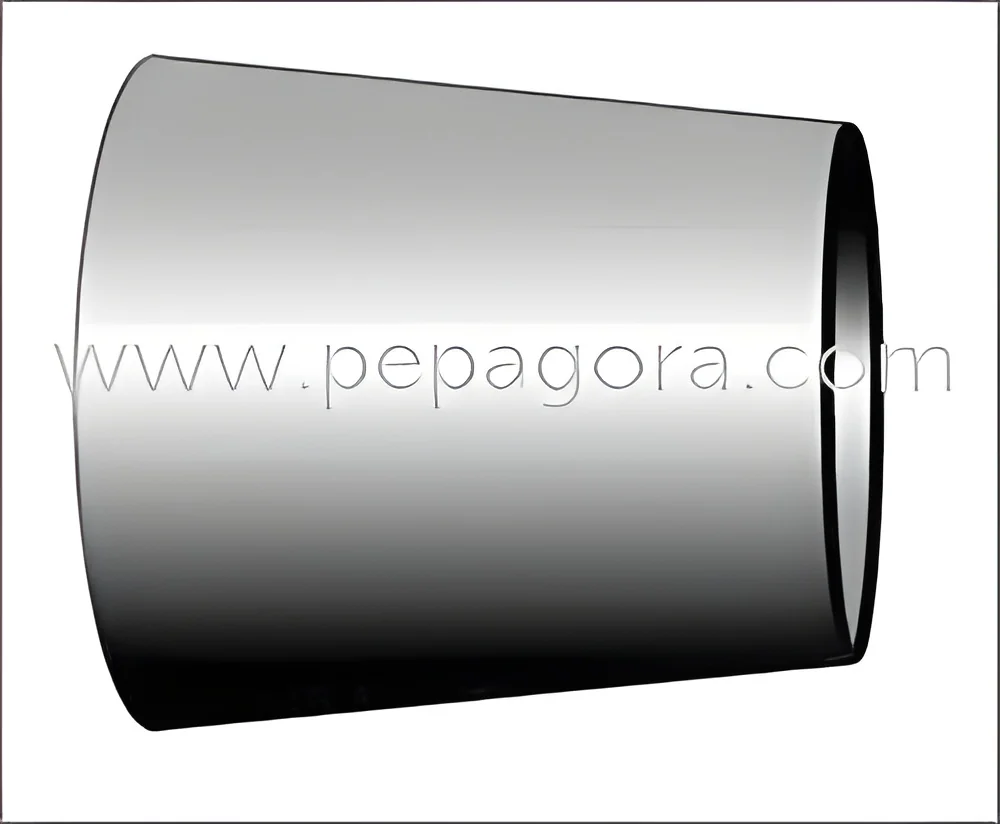
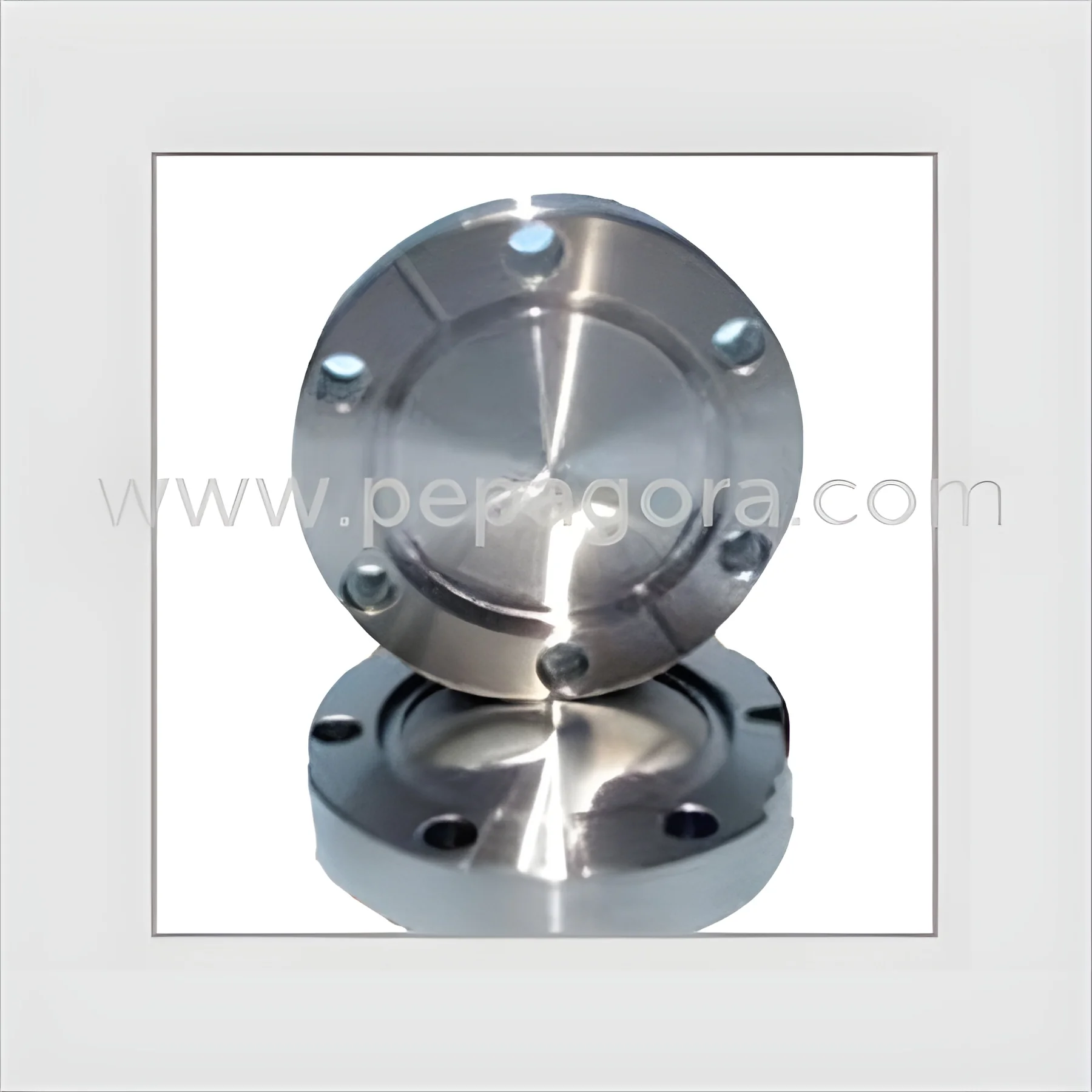
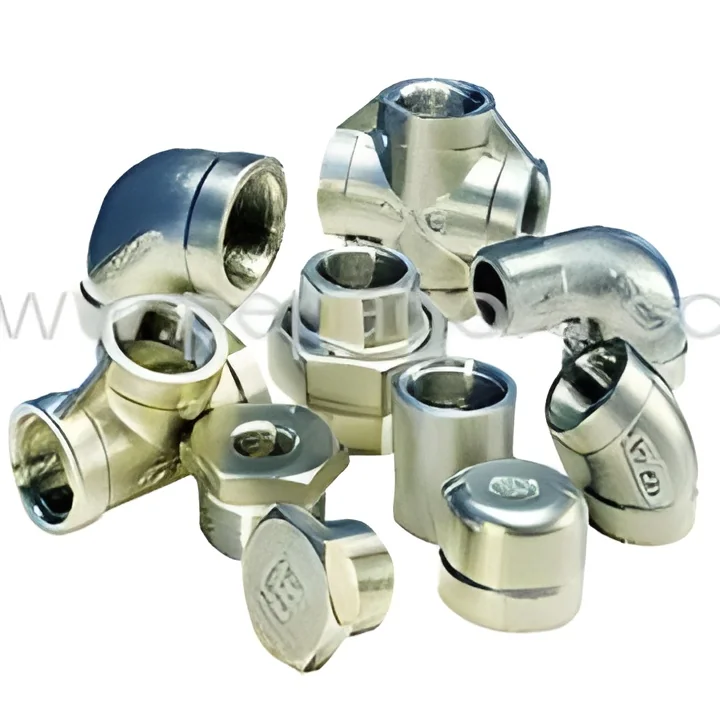
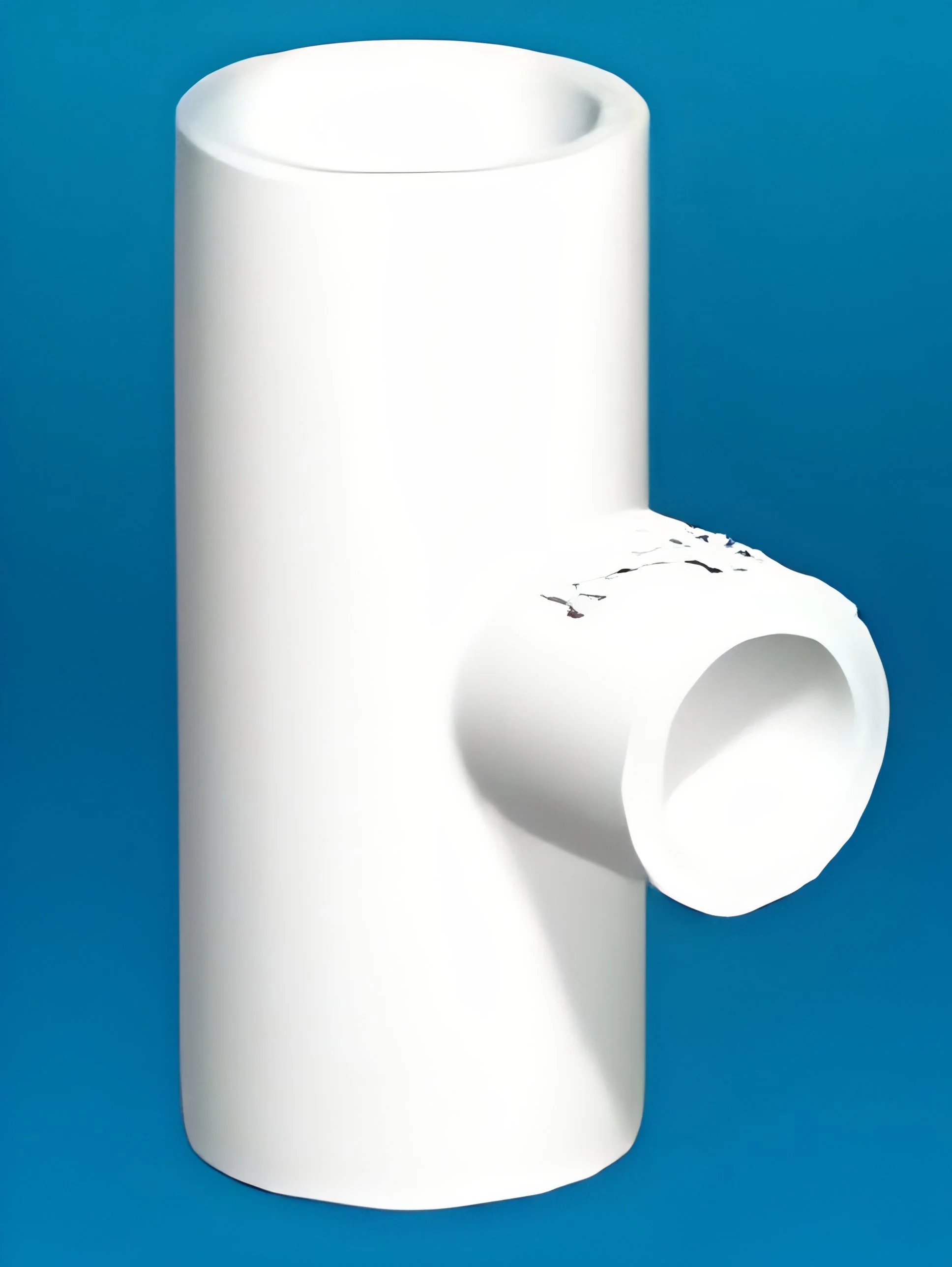
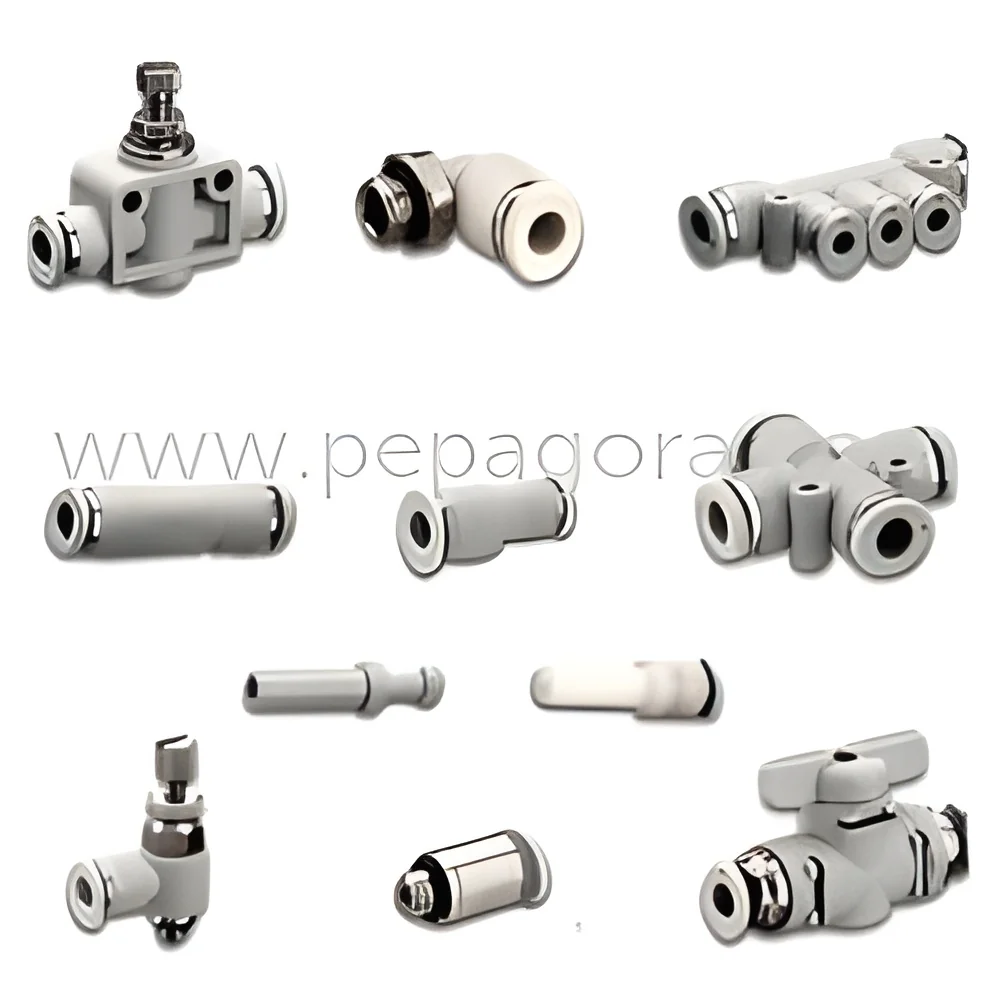
What are Pipe Fixings & Hangers?
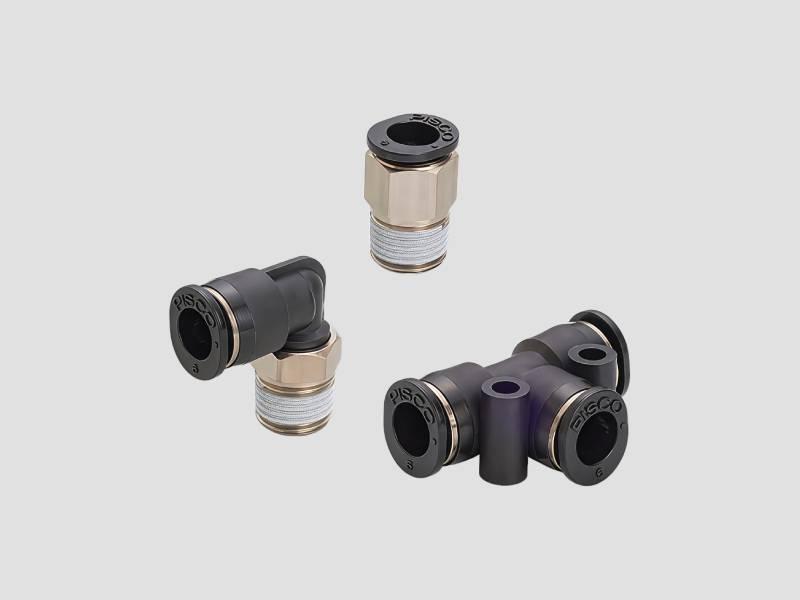
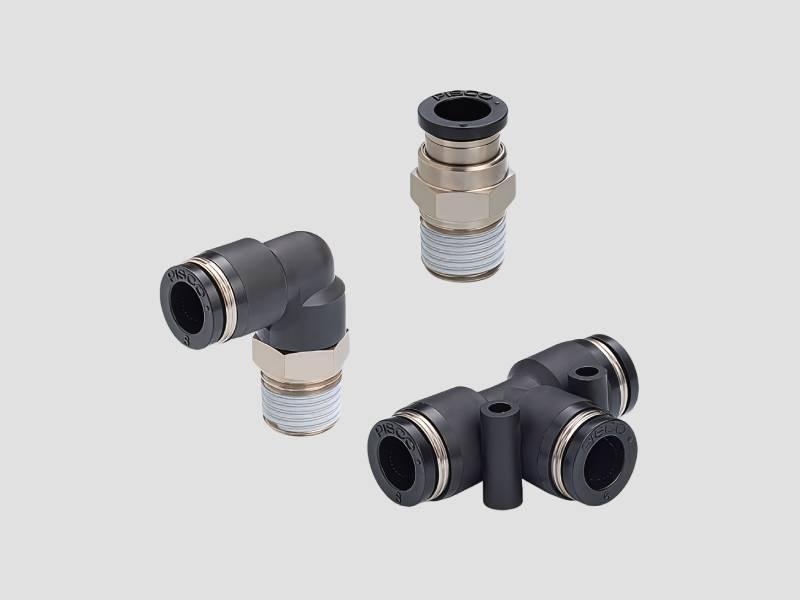
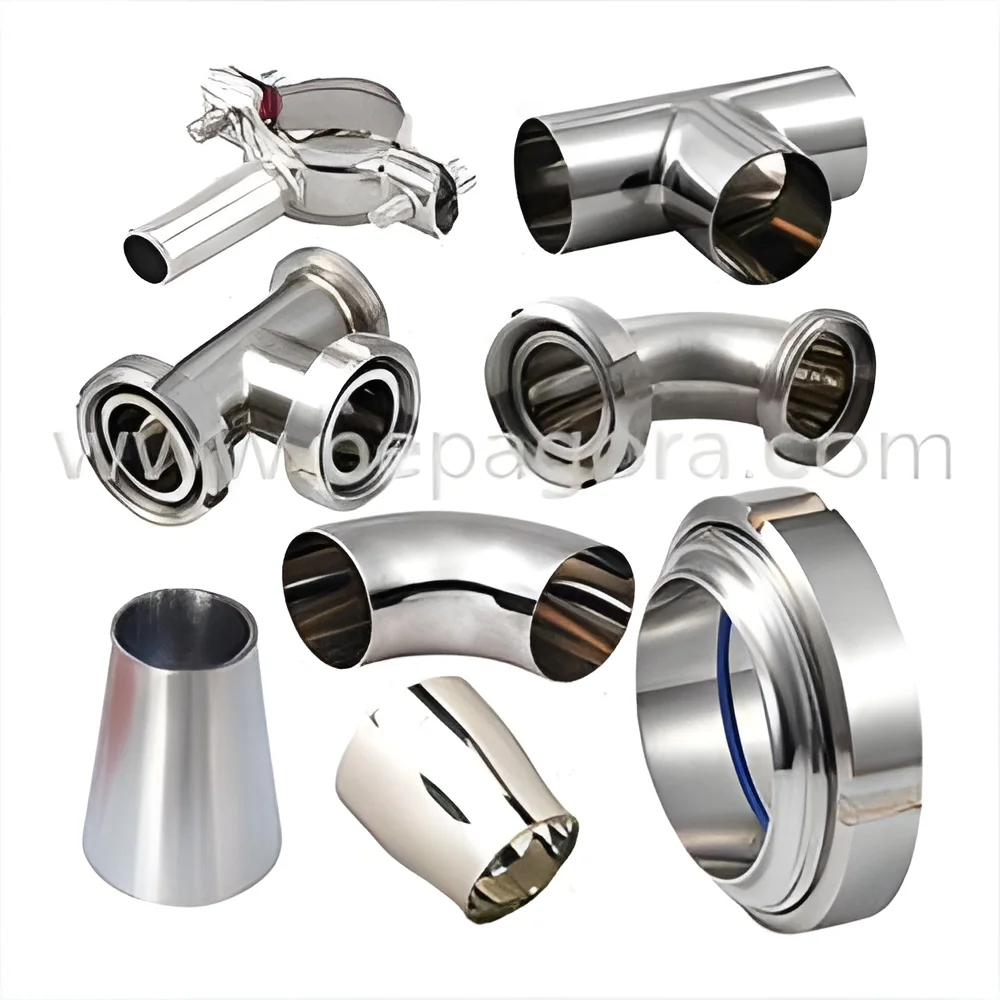
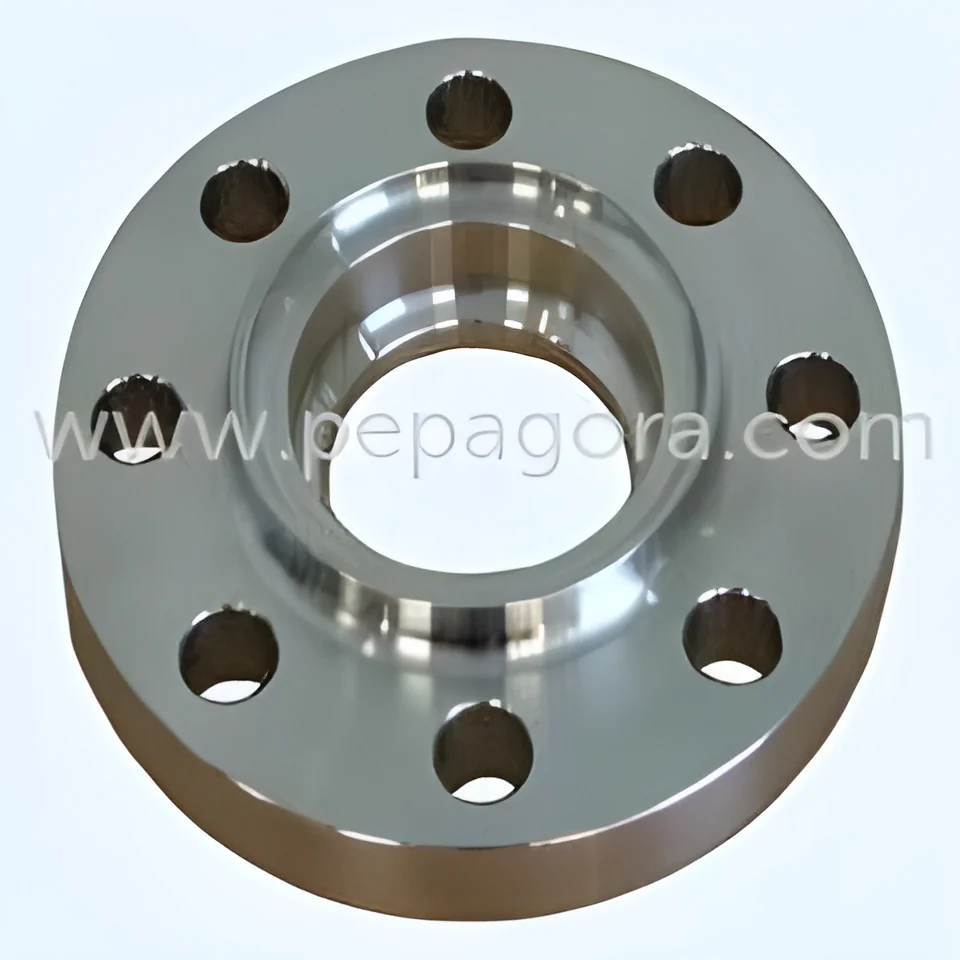
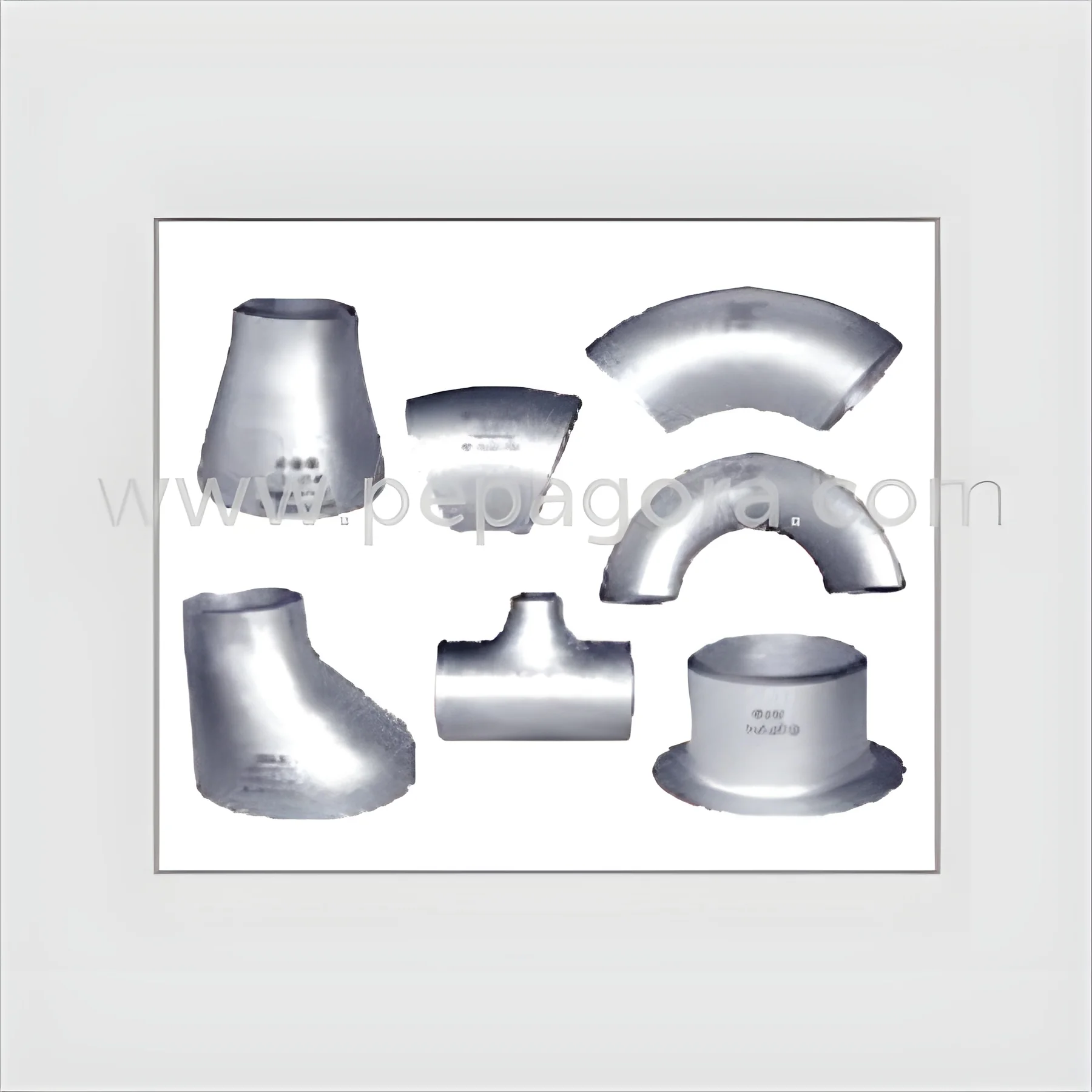
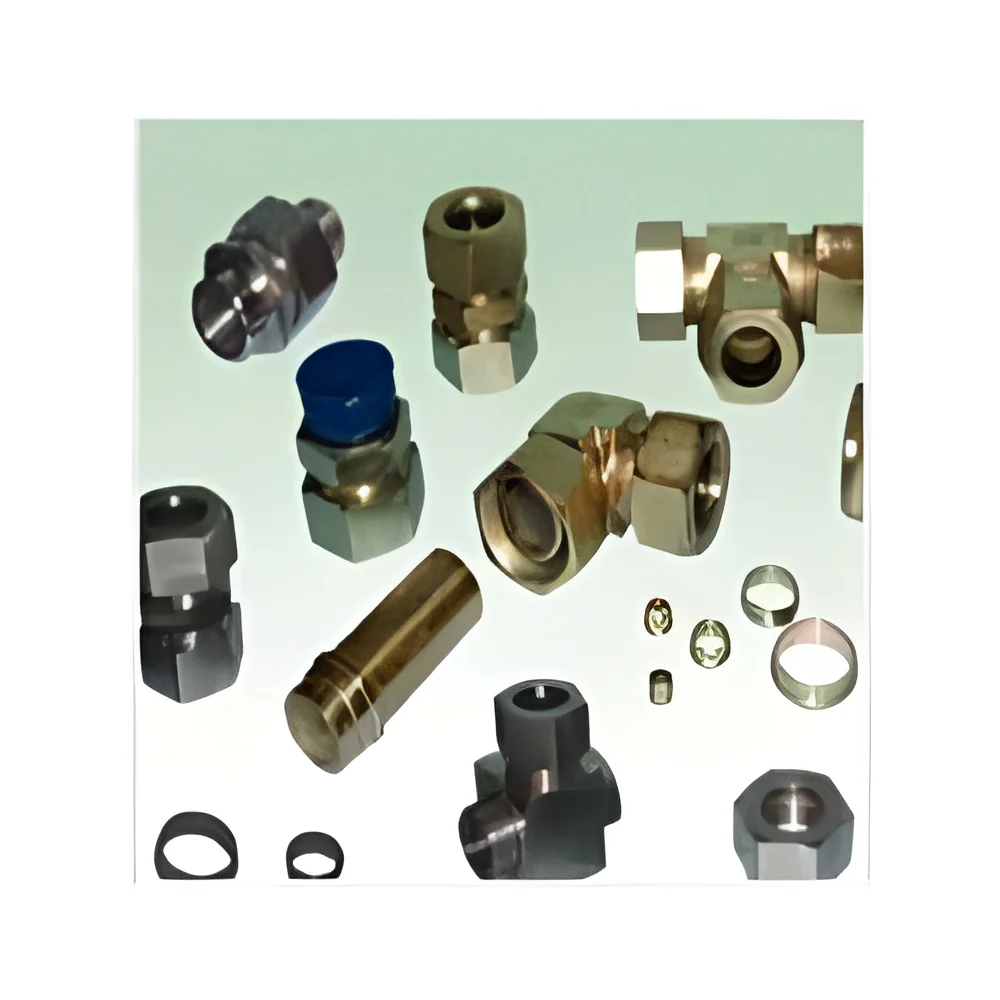
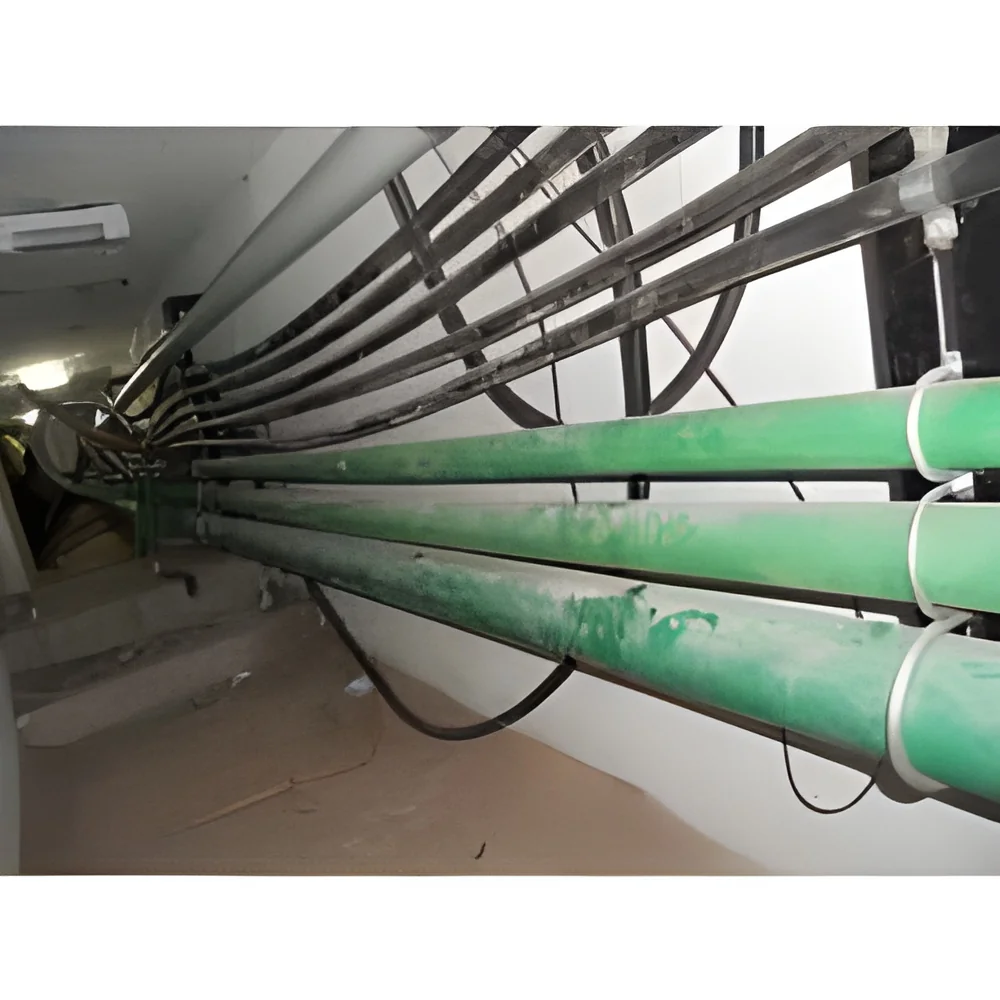
Pipe fixings and hangers are essential components used to support, secure, and manage piping systems in various industrial applications. These products ensure that pipes are held in place, preventing movement that could lead to damage or failure. They come in various designs and materials, tailored to accommodate different pipe sizes and weights. The selection of appropriate fixings and hangers is crucial for maintaining the integrity of piping systems.
These components are widely used across industries such as construction, oil and gas, water treatment, and HVAC systems. In construction, they provide the necessary support for plumbing and drainage systems. In oil and gas, they ensure safe transport of materials through pipelines. HVAC systems also rely on these fixings to maintain proper airflow and temperature control. The demand for reliable pipe fixings and hangers continues to grow, driven by ongoing infrastructure development and industrial applications.
The relevance of pipe fixings and hangers in today's market cannot be overstated. With increasing emphasis on safety and efficiency, industries require dependable solutions that meet their specific needs. Manufacturers are continually innovating to produce high-quality products that comply with industry standards, ensuring that businesses can operate safely and effectively.
Key Features and Specifications
Pipe fixings and hangers come with various features and specifications that are crucial for their performance. These specifications inform buyers about the product's capabilities and help in making informed purchasing decisions.
Key specifications include:
1. Material Composition
- Common materials include stainless steel, carbon steel, and plastic.
- Each material offers different benefits such as corrosion resistance and durability.
2. Load Capacity
- The load capacity varies based on design and material.
- Typically ranges from light-duty for smaller pipes to heavy-duty for larger, industrial applications.
3. Size Range
- Available in various sizes to accommodate different pipe diameters.
- Standard sizes include options for both small and large pipe systems.
4. Installation Type
- Can be designed for direct mounting, wall mounting, or ceiling suspension.
- Each type serves specific installation scenarios.
5. Corrosion Resistance
- Many products are treated or coated for enhanced resistance.
- Important for applications in harsh environments.
6. Compliance Standards
- Must adhere to industry regulations such as CE certification.
- Ensures safety and reliability in use.
7. Temperature Tolerance
- Designed to withstand specific temperature ranges.
- Important for applications involving hot or cold fluids.
8. Customization Options
- Available for specialized applications where standard solutions may not suffice.
- Can include unique sizes, materials, or features based on customer specifications.
In summary, understanding these key specifications helps businesses select the right pipe fixings and hangers for their applications, ensuring safety and efficiency.
Common Applications and Use Cases
Pipe fixings and hangers are versatile products used across various industries, each with unique requirements.
1. Construction: In construction projects, pipe fixings and hangers support plumbing and HVAC systems, ensuring proper installation and function.
2. Oil and Gas: These components securely hold pipelines in place, essential for transporting oil, gas, and other materials safely.
3. Water Treatment: Used to support piping systems in water treatment facilities, ensuring the efficient movement of water through various stages.
4. Manufacturing: In manufacturing, pipe fixings and hangers are crucial for managing process piping and ensuring safety in production environments.
5. Mining: These products support pipes that transport minerals and other materials, often in harsh conditions.
6. Chemical Processing: Used to secure pipes carrying hazardous materials, ensuring compliance with safety regulations.
7. Shipbuilding: In ship construction, they play a vital role in supporting pipes that handle fuel and water systems.
In each of these industries, the proper selection and implementation of pipe fixings and hangers contribute to operational efficiency and safety.
Product Variants and Subcategories
Pipe fixings and hangers come in various forms to meet the diverse needs of industries. This diversity allows businesses to find solutions tailored to their specific applications.
U-Bolts: U-bolts are commonly used to secure pipes to structures, providing stability and support. They are available in different sizes and materials to fit various pipe diameters.
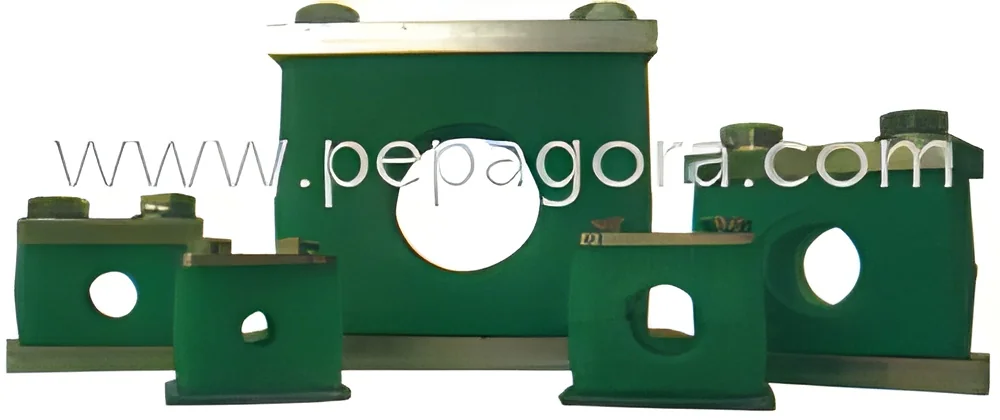
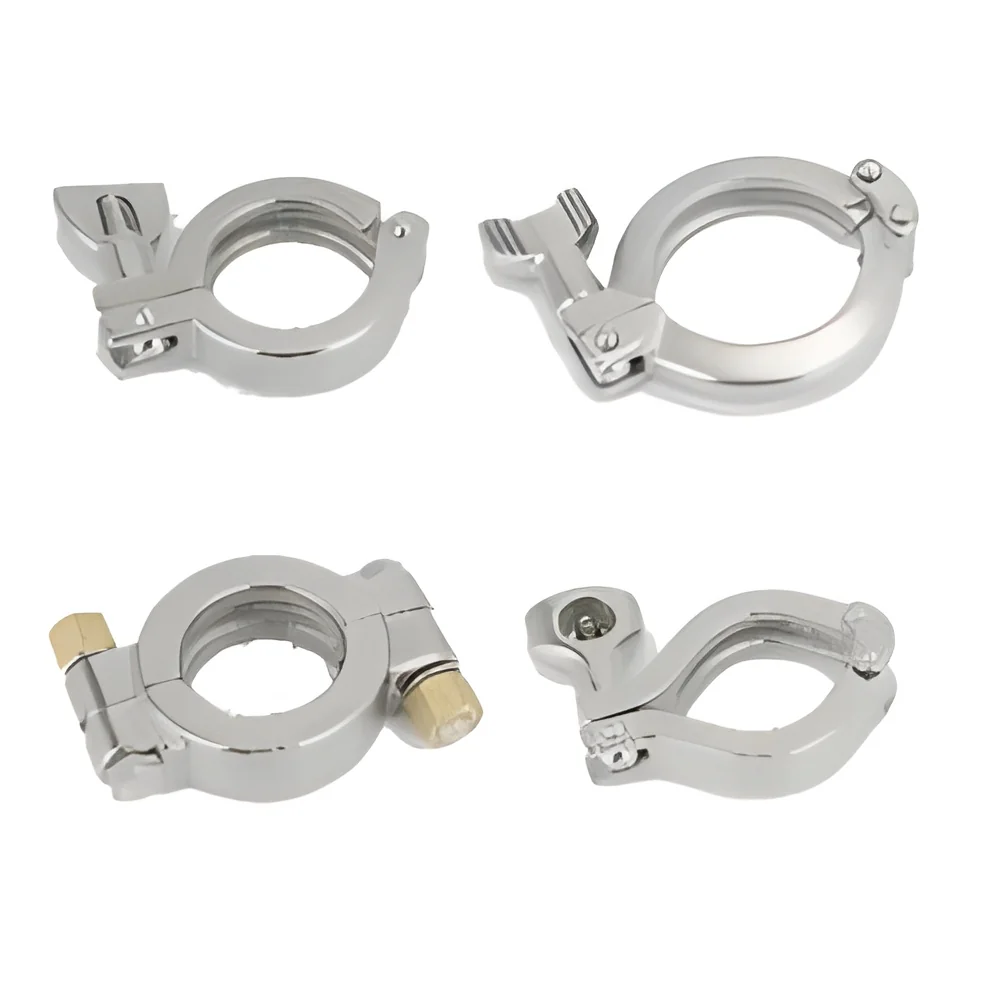
Pipe Clamps: These clamps are designed to hold pipes securely in place, preventing movement and vibration. They are often used in HVAC and plumbing systems.
Spring Hangers: Spring hangers are used to support pipes while allowing for movement due to temperature variations. They are ideal for applications where thermal expansion is a concern.
Adjustable Hangers: These hangers offer flexibility in installation, allowing for height adjustments. They are useful in projects where precise alignment is critical.
In summary, the variety of pipe fixings and hangers available ensures that businesses can find the right product to meet their specific needs.
Benefits and Advantages
Choosing the right pipe fixings and hangers provides several advantages for businesses.
1. Enhanced Safety: Properly secured pipes reduce the risk of leaks and failures, contributing to a safer work environment.
2. Improved Efficiency: Reliable fixings and hangers ensure that piping systems function optimally, minimizing downtime and maintenance costs.
3. Versatility: Available in various designs and materials, these products can be tailored to fit different applications across industries.
4. Compliance Assurance: Many pipe fixings and hangers meet industry standards, ensuring that businesses adhere to safety regulations.
5. Cost-Effectiveness: Investing in high-quality products can lead to long-term savings by reducing the need for frequent replacements and repairs.
6. Ease of Installation: Many products are designed for straightforward installation, saving time and labor costs during setup.
In conclusion, the benefits of using appropriate pipe fixings and hangers extend beyond mere functionality, impacting both safety and operational efficiency.
Buying Guide for B2B Buyers
When sourcing pipe fixings and hangers, B2B buyers should consider several important factors to ensure they choose high-quality products.
1. Quality Assessment: Evaluate the quality of materials and construction. Look for products that meet industry standards and are designed for durability in specific applications.
2. Supplier Verification: Vet suppliers to ensure they are reputable and have a track record of providing reliable products. Request references and check reviews.
3. Pricing and MOQ: Understand the pricing structure and minimum order quantities (MOQ) to ensure they meet budgetary needs while allowing for sufficient stock.
4. Delivery and Lead Times: Consider logistics and delivery times. Efficient supply chains can significantly impact project timelines.
5. Compliance Requirements: Ensure that the products comply with relevant regulations and certifications, such as CE marking, to meet safety and quality standards.
By keeping these factors in mind, buyers can make informed decisions when purchasing pipe fixings and hangers.
Compliance and Certifications
Compliance and certification are vital aspects of pipe fixings and hangers, ensuring that products meet established quality and safety standards. Many manufacturers adhere to ISO 9001, a quality management standard that ensures consistent product quality and continual improvement.
Additionally, CE certification is a significant requirement in Europe, indicating that products meet EU safety, health, and environmental protection standards. This certification is essential for businesses looking to operate within European markets.
Safety testing requirements also play a crucial role in the manufacturing process. Products must undergo rigorous testing to ensure they can withstand the pressures and conditions encountered in various applications. This includes assessments for load capacity, corrosion resistance, and thermal tolerance.
Regional compliance considerations may vary based on local regulations. It is essential for businesses to stay informed about the specific standards applicable in their operating regions to ensure full compliance and avoid potential legal issues.
Why Source Pipe Fixings & Hangers from Pepagora?
Pepagora provides a trusted platform for sourcing pipe fixings and hangers, offering several key advantages for B2B buyers.
Verified Supplier Network: Pepagora connects buyers with a network of verified suppliers. Each supplier undergoes stringent vetting to ensure they provide high-quality products and reliable service.
Streamlined RFQ Process: The platform features an efficient request for quotation (RFQ) process, allowing buyers to easily compare prices and specifications from multiple suppliers. This transparency helps in making informed purchasing decisions.
Trade Assurance and Support: Pepagora offers trade assurance, providing buyers with protection and support throughout the sourcing process. This assurance fosters confidence in transactions and helps mitigate risks.
Regional Coverage: Pepagora's reach extends across India, the GCC, and Southeast Asia, allowing businesses to source products locally while benefiting from a broader market perspective. This geographic coverage helps buyers find the right solutions tailored to their specific needs.
In conclusion, choosing Pepagora as a sourcing partner for pipe fixings and hangers enhances the procurement process, ensuring quality, reliability, and support for businesses across various industries.

 IN
IN