
 IN
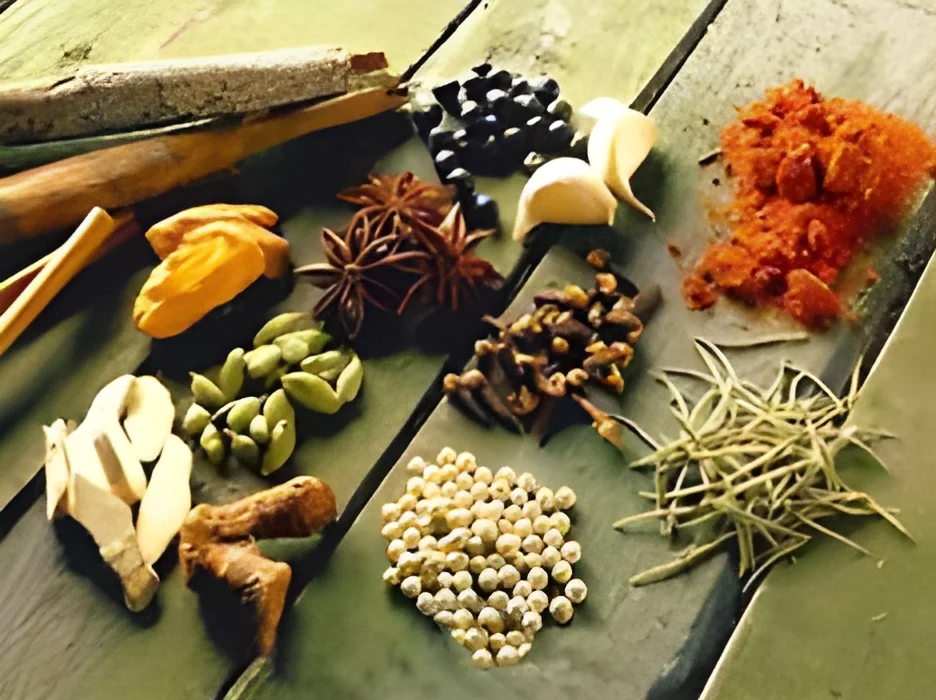
Whole Spices (Cumin, Clove, Cardamom) Traders
2 products available
Key Features and Specifications
Whole spices possess distinct characteristics that contribute to their quality and usability. Understanding these specifications is crucial for buyers when sourcing products from traders.
Key specifications include:
1. Aroma and Flavor Profile
- Each spice has a unique aroma and flavor that can significantly impact the final product.
- Cumin has a warm, earthy flavor, clove has a strong, sweet aroma, and cardamom is aromatic with citrus notes.
2. Purity and Quality
- Traders should provide assurance of purity, free from contaminants and adulterants.
- Quality can be assessed through sensory evaluation and laboratory testing.
3. Packaging Standards
- Whole spices should be packaged in moisture-proof and airtight containers to maintain freshness.
- Bulk and retail packaging options are typically available.
4. Shelf Life
- Whole spices generally have a longer shelf life compared to ground spices.
- Proper storage conditions can extend their usability beyond 1-2 years.
5. Geographic Origin
- The origin of spices can affect flavor and quality, with certain regions known for specific varieties.
- Traders should provide information on sourcing practices and geographic authenticity.
6. Compliance with Food Safety Standards
- Whole spices must meet food safety regulations and certifications to ensure they are safe for consumption.
- Certifications such as CE may be applicable.
7. Minimum Order Quantity (MOQ)
- Traders often have set MOQs that vary based on the type of spice and packaging.
- Buyers should inquire about MOQs before placing orders.
In summary, understanding the key features and specifications of whole spices is essential for B2B buyers to make informed purchasing decisions.
Common Applications and Use Cases
Whole spices serve a broad range of industries, each utilizing these products for specific applications.
1. Food Manufacturing: Whole spices are widely used in the production of sauces, marinades, and packaged foods to enhance flavor and aroma.
2. Restaurant and Catering: Chefs use whole spices to create signature dishes, providing distinct flavors that elevate the dining experience.
3. Health and Wellness: Natural health products often incorporate whole spices for their antioxidant and medicinal properties, appealing to health-conscious consumers.
4. Retail: Grocery stores and specialty markets sell whole spices to consumers, allowing them to explore diverse culinary traditions.
5. Beverage Industry: Whole spices are used in crafting unique beverages, including teas and spiced drinks, catering to consumer tastes for exotic flavors.
6. Ethnic Cuisine: Restaurants specializing in ethnic cuisines rely on whole spices to maintain authenticity in their dishes, drawing in customers seeking traditional flavors.
7. Food Export: Traders facilitate the export of whole spices to international markets, meeting global demand and supporting local producers.
Product Variants and Subcategories
The market offers a variety of whole spices, each with unique characteristics and applications.
Cumin Seeds
Cumin seeds are small, elongated seeds known for their warm flavor and aroma. They are commonly used in Indian and Middle Eastern dishes, enhancing the taste of curries, stews, and spice blends.
Clove Buds
Clove buds are aromatic flower buds that provide a strong, sweet flavor. They are often used in baking, pickling, and in spice blends for savory dishes. Cloves are also used for their potential health benefits.
Cardamom Pods
Cardamom pods contain small seeds that have a complex flavor profile. They are used in both savory and sweet dishes, and their unique aroma makes them popular in desserts and aromatic teas.
Benefits and Advantages
Sourcing whole spices from reliable traders offers numerous advantages for businesses.
1. Quality Assurance: Traders ensure that the spices are sourced from reputable suppliers, maintaining high quality and safety standards.
2. Cost-Effectiveness: By purchasing whole spices in bulk, businesses can reduce costs while ensuring a steady supply for production.
3. Flavor Retention: Whole spices retain their flavor and aroma longer than ground spices, providing better value and quality in culinary applications.
4. Versatility: Whole spices can be used in various applications, from cooking to health products, making them a valuable addition to any inventory.
5. Sustainability: Many traders focus on sustainable sourcing practices, supporting local farmers and promoting environmentally friendly production methods.
6. Customization Options: Traders may offer tailored solutions to meet specific business needs, including unique blends and packaging.
Buying Guide for B2B Buyers
When sourcing whole spices from traders, several factors should be considered to ensure optimal quality and service.
1. Quality Assessment: It is essential to evaluate the quality of whole spices through sensory evaluations and supplier certifications. Buyers should request samples to assess aroma and flavor.
2. Supplier Verification: Vetting suppliers is crucial to ensure they follow industry standards and ethical practices. Researching their background and customer reviews can provide insights into their reliability.
3. Pricing and MOQ: Understanding pricing structures and minimum order quantities is important for budgeting. Traders may offer different pricing tiers based on order volume.
4. Delivery and Lead Times: Inquire about delivery schedules and lead times to ensure timely replenishment of inventory. Efficient logistics are vital for maintaining supply chains.
5. Compliance Requirements: Ensure that suppliers meet relevant regulatory requirements for food safety and quality. This includes certifications that verify adherence to industry standards.
Compliance and Certifications
Compliance with industry standards is critical for whole spices to ensure their safety and quality.
Relevant quality standards, such as ISO 9001, focus on quality management systems and operational efficiency. Traders should be compliant with such standards to guarantee consistent product quality.
HACCP (Hazard Analysis and Critical Control Points) is another essential framework for ensuring food safety. Compliance with HACCP principles helps identify and mitigate food safety risks throughout the supply chain.
Certifications like CE indicate that products meet European health, safety, and environmental protection standards. Traders should provide documentation of such certifications to buyers.
Safety and testing requirements for whole spices often include microbiological testing, pesticide residue analysis, and sensory evaluation. These tests ensure that the spices are safe for consumption and meet regulatory guidelines.
Regional compliance considerations may vary depending on the market. Traders should have a thorough understanding of local regulations to ensure their products comply with the specific requirements of each market.
Why Source Whole Spices (Cumin, Clove, Cardamom) Traders from Pepagora?
Pepagora provides a trusted platform for sourcing whole spices traders with several key advantages.
Verified Supplier Network: Pepagora connects buyers with a network of verified suppliers who have undergone rigorous vetting processes. This ensures that businesses source from reputable traders committed to quality.
Streamlined RFQ Process: The platform offers a streamlined Request for Quotation (RFQ) process, allowing buyers to easily request pricing and information from multiple suppliers. This efficiency saves time and simplifies the sourcing process.
Trade Assurance and Support: Pepagora emphasizes buyer protection through trade assurance programs, ensuring that transactions are secure and that buyers receive the products as described.
Regional Coverage: With a focus on regions like India, the GCC, and Southeast Asia, Pepagora enables buyers to access a wide range of whole spices, catering to diverse market needs and preferences.
By choosing Pepagora, businesses can confidently source whole spices while benefiting from a reliable network and robust support system.

 India
 India
Frequently Asked Questions
What are Whole Spices (Cumin, Clove, Cardamom) Traders?
Whole Spices (Cumin, Clove, Cardamom) Traders are businesses or individuals that specialize in the buying and selling of whole spices, specifically cumin, clove, and cardamom. These traders source spices directly from growers or producers and supply them to retailers, wholesalers, and manufacturers.
What are the different types of Whole Spices (Cumin, Clove, Cardamom) Traders?
Whole Spices Traders can be categorized into various types based on their sourcing methods and market reach. Some traders operate locally, while others may export spices internationally. Additionally, there are organic traders who focus on providing naturally grown spices.
How do I choose the right Whole Spices (Cumin, Clove, Cardamom) Traders?
To choose the right Whole Spices Traders, consider factors such as their reputation, quality of spices, and customer reviews. It is also beneficial to check their sourcing practices and whether they comply with food safety regulations. Establishing a good communication channel for inquiries and support is equally important.
What are the standard specifications for Whole Spices (Cumin, Clove, Cardamom) Traders?
Standard specifications for Whole Spices include their purity, moisture content, and absence of contaminants. For cumin, clove, and cardamom, specific grades are determined by factors like size, aroma, and flavor profile. Compliance with food safety standards is crucial in ensuring product quality.
What is the price range for Whole Spices (Cumin, Clove, Cardamom) Traders?
The price range for Whole Spices can vary significantly based on quality, sourcing, and market demand. Typically, prices may range from a few hundred to several thousand rupees per kilogram. Seasonal fluctuations and global market trends can also influence pricing.
What quality standards apply to Whole Spices (Cumin, Clove, Cardamom) Traders?
Quality standards for Whole Spices are governed by regulations such as the Food Safety and Standards Authority of India (FSSAI). These standards ensure that spices are free from adulteration, contaminants, and meet specified quality parameters. Regular testing and certification are essential for maintaining these standards.
Where can I find Whole Spices (Cumin, Clove, Cardamom) Traders suppliers in India?
Whole Spices Traders suppliers in India can be found through various channels including online B2B marketplaces, trade shows, and local spice markets. Websites like Pepagora.com offer a platform to connect with reputable traders and manufacturers. Networking within the spice industry can also yield valuable supplier contacts.
Can Whole Spices (Cumin, Clove, Cardamom) Traders be customized?
Yes, many Whole Spices Traders offer customization options depending on the buyer's requirements. Customization may include specific packaging, labeling, or blending spices to meet unique flavor profiles. Discussing your needs with the trader can help in obtaining tailored solutions.
What is the typical minimum order quantity for Whole Spices (Cumin, Clove, Cardamom) Traders?
The typical minimum order quantity (MOQ) for Whole Spices varies by supplier, but it generally ranges between 5 to 50 kilograms. Larger orders may be necessary for wholesale purchases, while smaller quantities might be available for retail buyers. It's advisable to confirm MOQs with the specific trader.
What is the typical lead time for Whole Spices (Cumin, Clove, Cardamom) Traders?
The typical lead time for Whole Spices can vary based on order size and the supplier's processing capabilities. Generally, lead times can range from a few days to several weeks. It is important to inquire about specific timelines when placing an order.
Why Businesses Trust Pepagora
Thousands of companies trust Pepagora to source smarter and sell faster
Expand Your Sales Globally

Source Smarter,Grow Faster
