
 IN
Wet Grinders
21 products available
What are Wet Grinders?
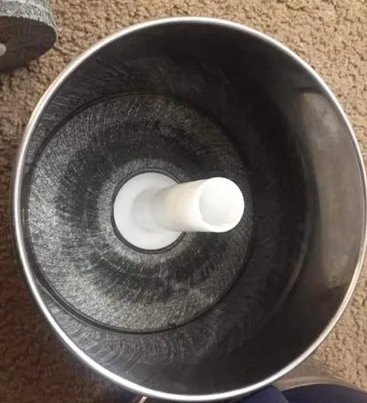
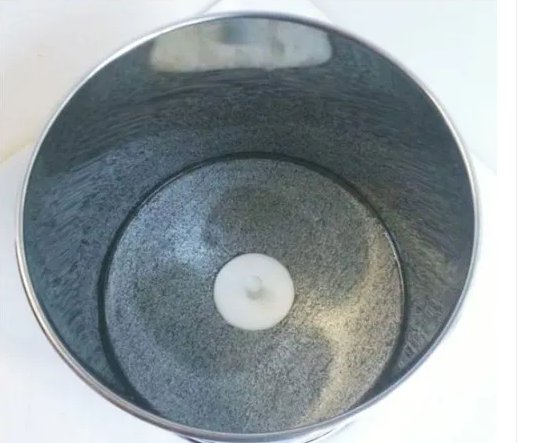
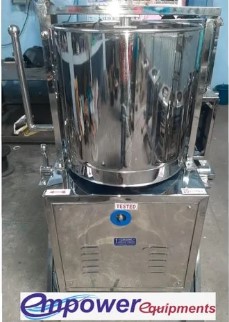
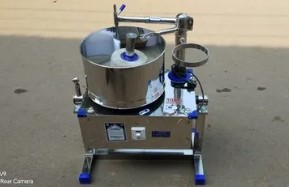
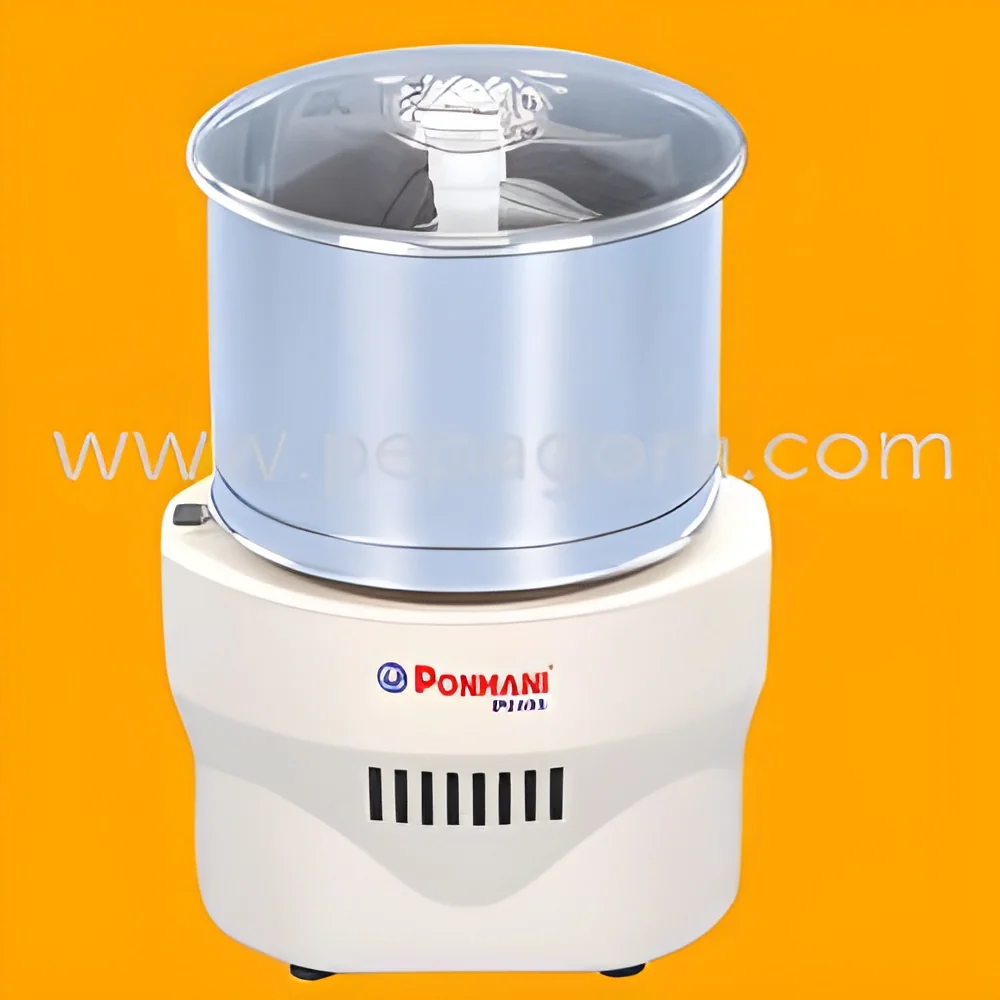
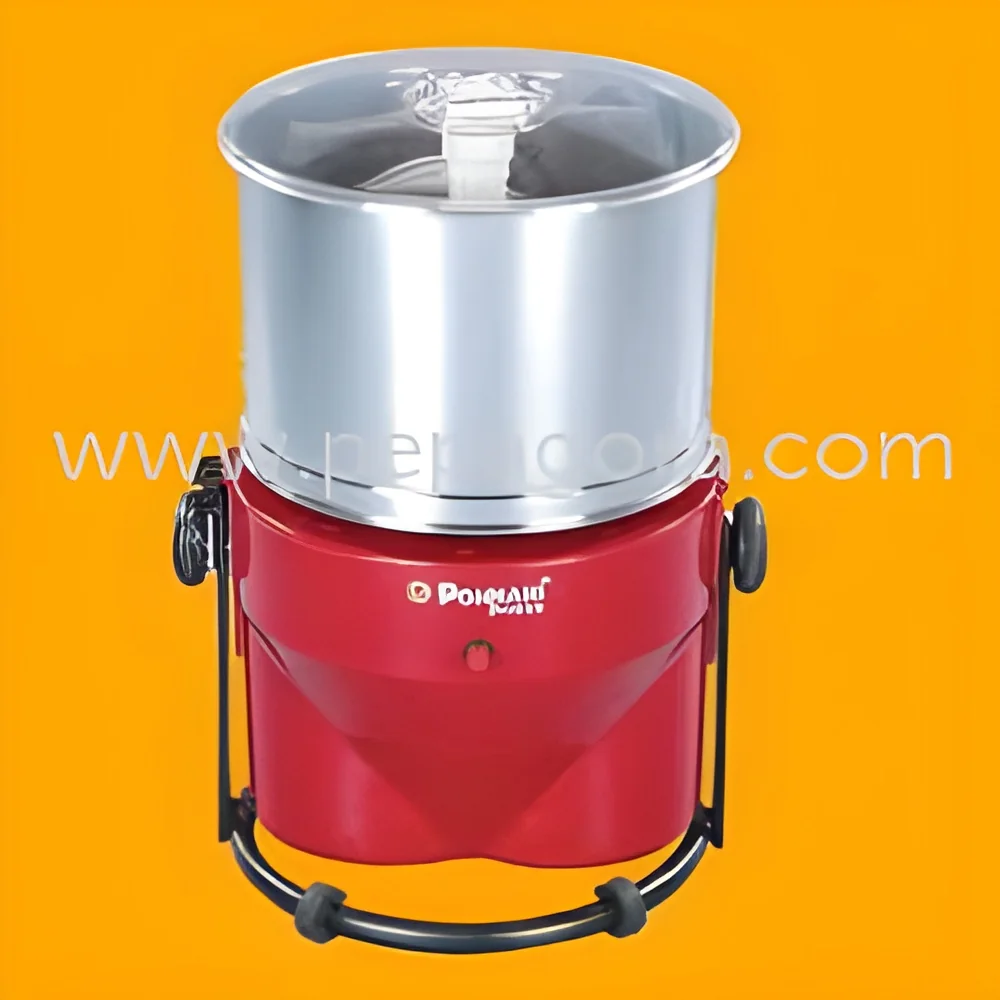
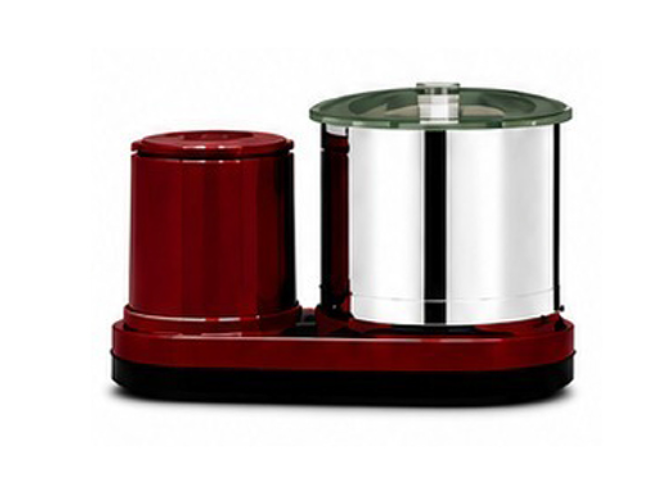
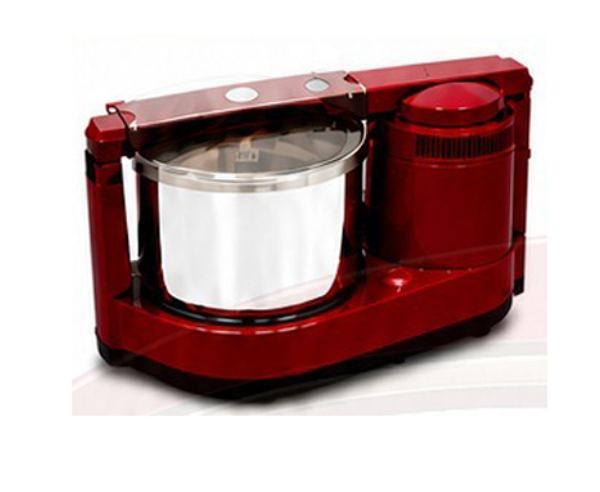
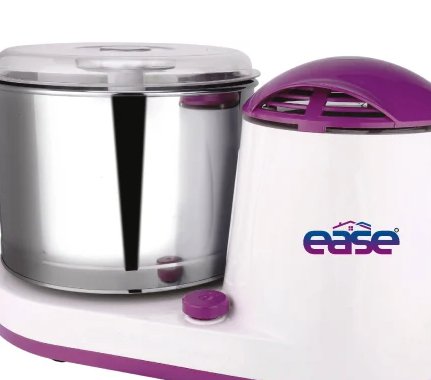
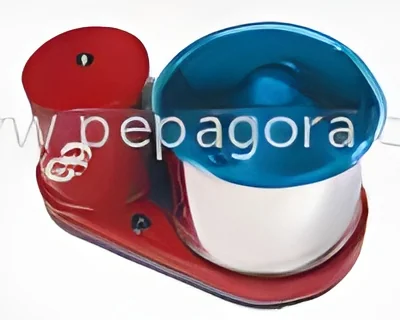
Wet grinders are specialized machines designed for grinding food ingredients into a fine paste or batter, primarily using water. They consist of a drum containing two to three granite stones that rotate against a flat stone base. This unique design allows for efficient grinding while minimizing heat generation, which is essential for preserving the flavor and nutritional value of the ingredients. Wet grinders are typically used in various culinary processes, particularly in South Asian cuisine, where they play a crucial role in preparing items like dosas, idlis, and vadas.
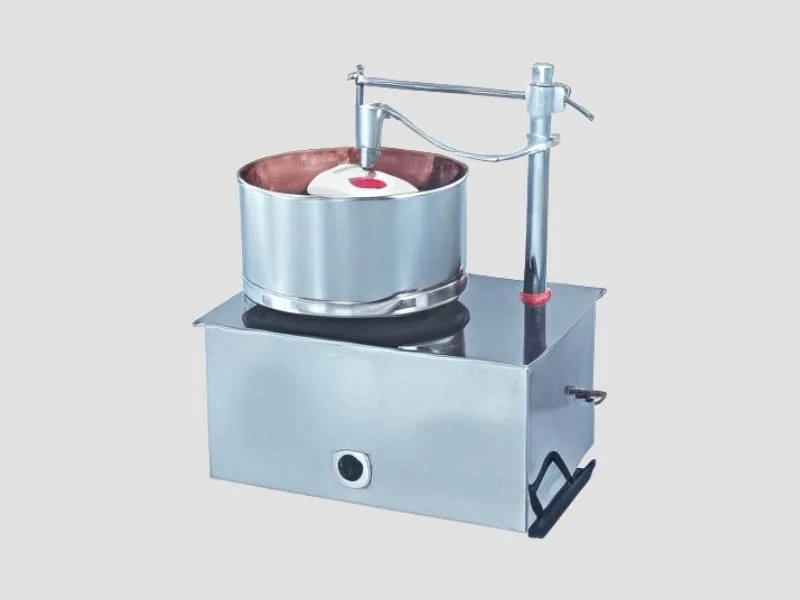
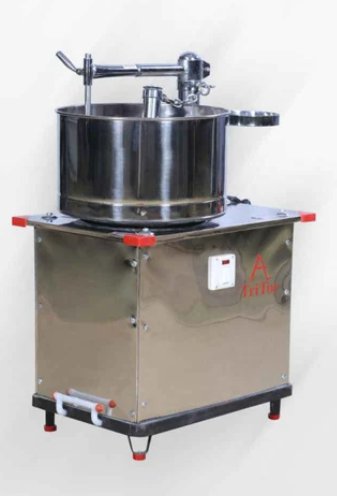
The primary applications of wet grinders extend beyond home kitchens to commercial settings, including restaurants, catering services, and food processing units. In these environments, they are essential for large-scale production of batters and pastes, ensuring consistency and texture in the final product. As the demand for traditional food items continues to rise globally, the relevance of wet grinders in the food industry has only increased, leading to innovation and improvements in design and functionality.
Key Features and Specifications
Wet grinders come equipped with several features that enhance their functionality and usability. They are designed to ensure efficient grinding while maintaining the quality of the ingredients. Understanding the specifications of wet grinders is crucial for businesses in selecting the right model for their needs.
Key specifications include:
1. Grinding Capacity
- Typically ranges from 1 liter to 10 liters
- Suitable for both domestic and commercial use
2. Power Rating
- Varies between 150 watts to 1000 watts
- Higher wattage provides faster grinding
3. Drum Material
- Usually made of stainless steel or food-grade plastic
- Stainless steel ensures durability and hygiene
4. Stone Type
- Commonly features natural granite stones
- Provides a traditional grinding experience and retains flavor
5. Speed Control
- Some models offer variable speed settings
- Allows for customized grinding based on ingredient type
6. Safety Features
- Equipped with overload protection and thermal cut-off
- Ensures safe operation during prolonged use
7. Weight
- Typically weighs between 10 kg to 25 kg
- Heavier models tend to offer stability during operation
8. Noise Level
- Generally operates at a noise level of 70 dB or lower
- Ensures a quieter kitchen environment
In summary, the features and specifications of wet grinders highlight their versatility and importance in both domestic and industrial applications.
Common Applications and Use Cases
Wet grinders serve various industries, making them essential tools in many culinary applications.
1. Restaurants: Wet grinders are used to prepare large batches of batter for dosas and idlis, ensuring a smooth consistency essential for high-quality dishes.
2. Catering Services: Catering businesses utilize wet grinders for efficient bulk processing of ingredients, streamlining their food preparation process for events.
3. Food Processing Units: These machines are vital in food processing operations that require grinding spices, grains, and legumes into pastes or powders.
4. Bakeries: In bakeries, wet grinders can be used for making doughs and batters that require finely ground ingredients.
5. Health Food Industry: Businesses focusing on healthy foods use wet grinders to create nutritious pastes from nuts and seeds, catering to health-conscious consumers.
Benefits and Advantages
Wet grinders offer several advantages that make them a valuable addition to any kitchen or food production facility.
1. Efficient Grinding: Wet grinders quickly grind ingredients to the desired texture, saving time compared to traditional grinding methods.
2. Flavor Preservation: The grinding process minimizes heat, preserving the flavor and nutritional value of food ingredients.
3. Versatility: These machines can handle a variety of ingredients, from grains to lentils, making them suitable for diverse applications.
4. Consistency: Wet grinders provide uniform grinding, ensuring that the texture of the batter or paste is consistent, which is crucial for quality recipes.
5. Ease of Use: Most wet grinders are user-friendly, with simple controls that make operation straightforward for staff members.
6. Durability: Built with high-quality materials, wet grinders are designed to withstand heavy use in commercial settings.
Buying Guide for B2B Buyers
When sourcing wet grinders, several factors should be considered to ensure the right purchase.
1. Quality Assessment: Evaluating the quality of materials and craftsmanship is vital. Look for reputable brands that meet industry standards to ensure long-lasting performance.
2. Supplier Verification: It's essential to vet suppliers thoroughly. Check for certifications, customer reviews, and their track record in the market to ensure reliability.
3. Pricing and MOQ: Understand the pricing structures and minimum order quantities (MOQ) to align with your budget and operational needs.
4. Delivery and Lead Times: Consider the logistics involved in sourcing wet grinders. Ensure that suppliers can meet your delivery timelines to avoid disruptions.
5. Compliance Requirements: Familiarize yourself with any regulatory compliance needed for food-grade machinery, ensuring that the products meet safety and quality standards.
Compliance and Certifications
Wet grinders must adhere to relevant quality and safety standards to ensure they are safe and effective for food processing. Key quality standards include ISO 9001, which focuses on quality management systems, and HACCP, which emphasizes food safety management. Additionally, many wet grinders are certified with CE marking, indicating compliance with European health, safety, and environmental requirements.
Safety and testing requirements are critical, especially in food-related applications. Wet grinders must undergo rigorous testing to verify their performance and safety features. Furthermore, businesses need to consider regional compliance requirements, as different countries may have specific regulations governing food processing equipment. Ensuring compliance not only safeguards the end-user but also enhances the credibility of the products in the market.
Why Source Wet Grinders from Pepagora?
Pepagora provides a trusted platform for sourcing wet grinders, offering several key advantages to B2B buyers.
Verified Supplier Network: Pepagora connects buyers with a network of verified suppliers, ensuring that only quality products are offered. Each supplier undergoes a rigorous verification process to establish credibility and reliability.
Streamlined RFQ Process: The platform features a streamlined Request for Quotation (RFQ) process, allowing buyers to easily request quotes from multiple suppliers. This simplifies the procurement process and facilitates better pricing negotiations.
Trade Assurance and Support: Pepagora offers trade assurance and support to protect buyers during transactions. This includes safeguards against payment issues and assurance of product quality.
Regional Coverage: With a strong presence in regions like India, the GCC, and Southeast Asia, Pepagora ensures that buyers can access a diverse range of wet grinders tailored to their specific market needs. This regional coverage enhances the platform's appeal for businesses looking to source equipment efficiently.

 India


 India
 India
 India

Frequently Asked Questions
What are Wet Grinders?
Wet Grinders are kitchen appliances used for grinding grains and lentils into a fine paste or batter. They are commonly used in Indian cuisine for making dishes such as dosa, idli, and vada.
What are the different types of Wet Grinders?
There are primarily three types of Wet Grinders: tabletop, tilting, and commercial. Tabletop Wet Grinders are compact and suitable for home use, tilting Wet Grinders allow easy removal of batter, and commercial Wet Grinders are designed for larger quantities and frequent use.
How do I choose the right Wet Grinders?
Choosing the right Wet Grinder depends on your needs, such as the quantity of batter required and the space available in your kitchen. Consider factors like motor power, capacity, and additional features like a tiltable drum or stone quality.
What are the standard specifications for Wet Grinders?
Standard specifications for Wet Grinders include motor power typically ranging from 150 to 300 watts, drum capacity between 1 to 2 liters, and the type of stones used for grinding. Some models may also feature variable speed control.
What is the price range for Wet Grinders?
The price range for Wet Grinders varies based on the brand, type, and features. Generally, you can expect to pay anywhere from INR 3,000 to INR 15,000 for a quality Wet Grinder.
What quality standards apply to Wet Grinders?
Wet Grinders must comply with safety and performance standards set by regulatory bodies. Key quality aspects include the durability of materials, motor efficiency, and adherence to electrical safety standards.
Where can I find Wet Grinders suppliers in India?
You can find Wet Grinders suppliers in India through B2B marketplaces like Pepagora, trade fairs, or industry directories. Additionally, manufacturers often have their own websites where you can request quotes.
Can Wet Grinders be customized?
Yes, many manufacturers offer customization options for Wet Grinders to meet specific requirements such as size, color, and additional features. It's advisable to discuss your needs with the supplier before placing an order.
What is the typical minimum order quantity for Wet Grinders?
The minimum order quantity (MOQ) for Wet Grinders can vary by supplier, but it typically ranges from 10 to 50 units. Always check with the manufacturer or supplier for their specific MOQ policies.
What is the typical lead time for Wet Grinders?
The typical lead time for Wet Grinders can range from 2 to 4 weeks, depending on the supplier's inventory and production capacity. It's best to confirm the lead time during the ordering process.
Why Businesses Trust Pepagora
Thousands of companies trust Pepagora to source smarter and sell faster
Expand Your Sales Globally

Source Smarter,Grow Faster
