
 IN
Watering Cans
4 products available
What are Watering Cans?
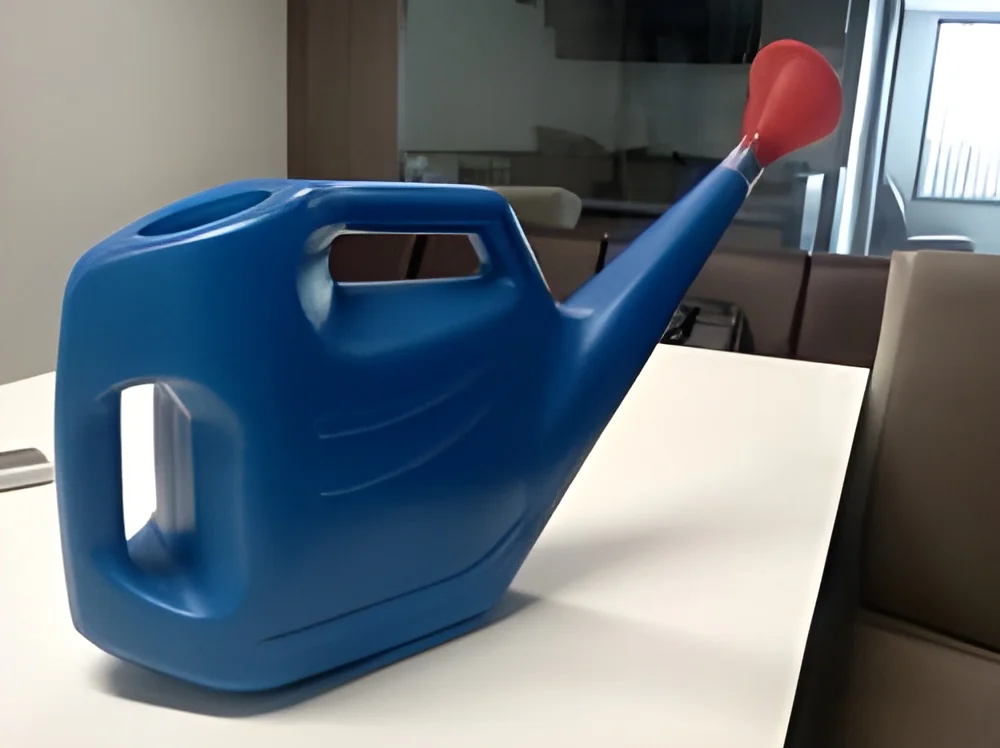
Watering cans are essential tools designed for the effective and controlled irrigation of plants. Typically made from metal, plastic, or ceramic, these containers feature a handle for easy carrying and a spout that allows for precise watering. Their capacity can vary, making them suitable for both small houseplants and larger garden settings.
In business applications, watering cans are commonly used in nurseries, greenhouses, and landscaping services. They are ideal for watering delicate seedlings where precision is vital. Additionally, they serve as practical tools in educational settings, allowing students to learn about plant care and horticulture.
The relevance of watering cans spans various industries, particularly in agriculture, horticulture, and landscaping. As sustainable practices gain traction, the demand for efficient watering solutions continues to grow, positioning watering cans as vital tools in both commercial and residential gardening.
Key Features and Specifications
Watering cans come with several key features that enhance their usability and effectiveness. Understanding these specifications is crucial for selecting the right product for specific applications.
Key specifications include:
1. Material Type
- Common materials include plastic, metal, and ceramic.
- Each material offers different levels of durability and weight.
2. Capacity
- Available in various sizes, typically ranging from 1 to 10 liters.
- Larger capacities are ideal for extensive garden areas.
3. Spout Design
- Spouts can vary in length and diameter, affecting the flow rate.
- Some designs include removable or interchangeable spouts for versatility.
4. Handle Type
- Ergonomic handles are designed for comfortable grip.
- Some cans feature a double handle for easier pouring.
5. Weight
- The weight of the can can impact its portability and ease of use.
- Lighter models are easier to handle for extended periods.
6. Color Options
- Available in a range of colors for aesthetic appeal.
- Color coding can also be used for different watering tasks.
7. Durability
- Resistance to UV rays and rust is essential for longevity.
- Heavy-duty models are suitable for commercial use.
8. Certifications
- Some watering cans meet safety and quality standards such as CE.
- Compliance with environmental regulations may apply.
In summary, when selecting watering cans, consider the material, capacity, spout design, handle type, and durability to ensure they meet your specific needs.
Common Applications and Use Cases
Watering cans find utility across various sectors, each with unique applications.
1. Horticulture: In nurseries, watering cans are used to carefully water seedlings and young plants, ensuring they receive adequate moisture without being overwatered.
2. Landscaping: Professional landscapers utilize watering cans for targeted irrigation in garden beds, promoting healthy plant growth in both residential and commercial properties.
3. Education: Schools and educational institutions use watering cans in gardening programs to teach students about plant care and environmental stewardship.
4. Indoor Gardening: Homeowners with indoor plants rely on watering cans to maintain optimal moisture levels for their greenery, enhancing home aesthetics.
5. Public Parks: Parks and recreation departments use watering cans for maintaining flower beds and gardens, allowing for precise watering in various weather conditions.
6. Greenhouses: In controlled environments, watering cans help manage the water supply for delicate plants requiring specific care.
7. Community Gardens: Volunteers and gardeners utilize watering cans for collaborative gardening efforts, ensuring all plants receive equal attention.
Product Variants and Subcategories
Watering cans come in a variety of designs and styles, catering to different needs and preferences.
Plastic Watering Cans: Lightweight and versatile, plastic watering cans are popular for home gardening. They come in various colors and sizes, making them easy to handle and maneuver.
Metal Watering Cans: Known for their durability, metal watering cans often have a classic aesthetic. They are suitable for both indoor and outdoor use and can withstand various weather conditions.
Ceramic Watering Cans: These decorative cans are often used indoors for potted plants. They provide a stylish option for those looking to combine functionality with design.
Benefits and Advantages
Watering cans offer numerous benefits that make them a preferred choice for many gardening tasks.
1. Precision Watering: The design of watering cans allows for targeted watering, reducing waste and ensuring that plants receive the right amount of moisture.
2. Versatility: Suitable for various applications, watering cans can be used in gardens, homes, and educational environments.
3. Portability: Lightweight models make it easy to carry and use these tools in different locations without the need for hoses or complex systems.
4. Cost-Effective: Watering cans are generally affordable compared to other irrigation methods, making them accessible for businesses and individuals alike.
5. Easy to Maintain: With simple designs, watering cans require minimal maintenance, ensuring longevity and reliability.
6. Environmentally Friendly: By using a watering can, users can conserve water through controlled application, contributing to sustainable gardening practices.
Buying Guide for B2B Buyers
When sourcing watering cans for business purposes, several key factors should be considered.
1. Quality Assessment: Evaluate the materials and construction of the watering cans to ensure durability and performance. Look for reputable brands known for their quality.
2. Supplier Verification: It is essential to vet suppliers through reviews and references to ensure reliability and product integrity. Established suppliers often provide better support and service.
3. Pricing and MOQ: Understand the cost structure and minimum order quantities for bulk purchases. Compare prices among different suppliers to find the best deal.
4. Delivery and Lead Times: Assess logistics capabilities and lead times to ensure timely delivery to meet business demands.
5. Compliance Requirements: Verify that the products meet relevant industry standards and certifications, such as CE, to ensure safety and reliability.
Compliance and Certifications
Compliance and certifications are critical in ensuring the quality and safety of watering cans. Products should meet relevant quality standards such as ISO 9001, which ensures consistent quality management systems.
Additionally, certifications like CE indicate that the product meets European safety, health, and environmental protection standards.
It is also essential for suppliers to adhere to safety requirements and testing protocols that guarantee the safe use of their products. Regional compliance considerations may vary, so it’s important to consult local regulations to ensure all products are compliant.
Why Source Watering Cans from Pepagora?
Pepagora provides an efficient platform for sourcing watering cans with several key advantages for buyers.
Verified Supplier Network: Pepagora has established a network of verified suppliers, ensuring that buyers receive high-quality products from trusted sources. This network reduces the risk of procurement errors.
Streamlined RFQ Process: The Request for Quotation (RFQ) process is designed to simplify the purchasing experience. Buyers can easily compare quotes from multiple suppliers, enabling informed decisions.
Trade Assurance and Support: Pepagora offers trade assurance, protecting buyers from potential risks associated with transactions. This support fosters confidence in purchasing decisions.
Regional Coverage: With a strong presence in India, the GCC, and Southeast Asia, Pepagora facilitates access to a diverse range of suppliers, enhancing options for buyers across various markets.





 India
Frequently Asked Questions
What are Watering Cans?
Watering cans are portable containers designed for watering plants. They typically feature a spout for directing water flow and a handle for ease of use. They are commonly made from materials such as plastic, metal, or ceramic.
What are the different types of Watering Cans?
There are various types of watering cans, including traditional watering cans, spray watering cans, and automatic watering cans. Traditional cans often have a long spout for precision, while spray cans provide a fine mist. Automatic options can water plants on a schedule.
How do I choose the right Watering Cans?
Choosing the right watering can depends on the type of plants you are watering and the volume of water needed. Consider factors like size, material, and spout design. For indoor plants, a smaller can may suffice, while larger outdoor gardens may require a bigger capacity.
What are the standard specifications for Watering Cans?
Standard specifications for watering cans include capacity, typically ranging from 1 to 10 liters, and material type. They should also have a comfortable handle and a well-designed spout for effective watering. Some cans may include a removable rose for different watering patterns.
What is the price range for Watering Cans?
The price range for watering cans can vary widely based on material, design, and brand. Generally, prices can start as low as INR 100 for basic plastic models and go up to INR 2,000 or more for premium or designer options.
What quality standards apply to Watering Cans?
Quality standards for watering cans typically include durability, safety of materials, and functionality. Products should be made from non-toxic materials, especially for use in gardens where food is grown. Testing for leak-proof functionality is also important.
Where can I find Watering Cans suppliers in India?
You can find watering can suppliers in India through various online B2B marketplaces, such as Pepagora.com. Additionally, local garden supply stores and wholesale markets may offer a range of options from different manufacturers.
Can Watering Cans be customized?
Yes, many manufacturers offer customization options for watering cans. This can include branding, color choices, and modifications to size or spout design. Customization is often available for bulk orders.
What is the typical minimum order quantity for Watering Cans?
The typical minimum order quantity (MOQ) for watering cans can vary by supplier but often ranges from 50 to 100 units. However, some suppliers may accommodate lower quantities, especially for customized items.
What is the typical lead time for Watering Cans?
The typical lead time for watering cans can range from 2 to 4 weeks, depending on the supplier and the complexity of the order. Custom orders may require additional time for production and shipping.
Why Businesses Trust Pepagora
Thousands of companies trust Pepagora to source smarter and sell faster
Expand Your Sales Globally

Source Smarter,Grow Faster
