
 IN
Water Soluble Fertilizers
7 products available
What are Water Soluble Fertilizers?
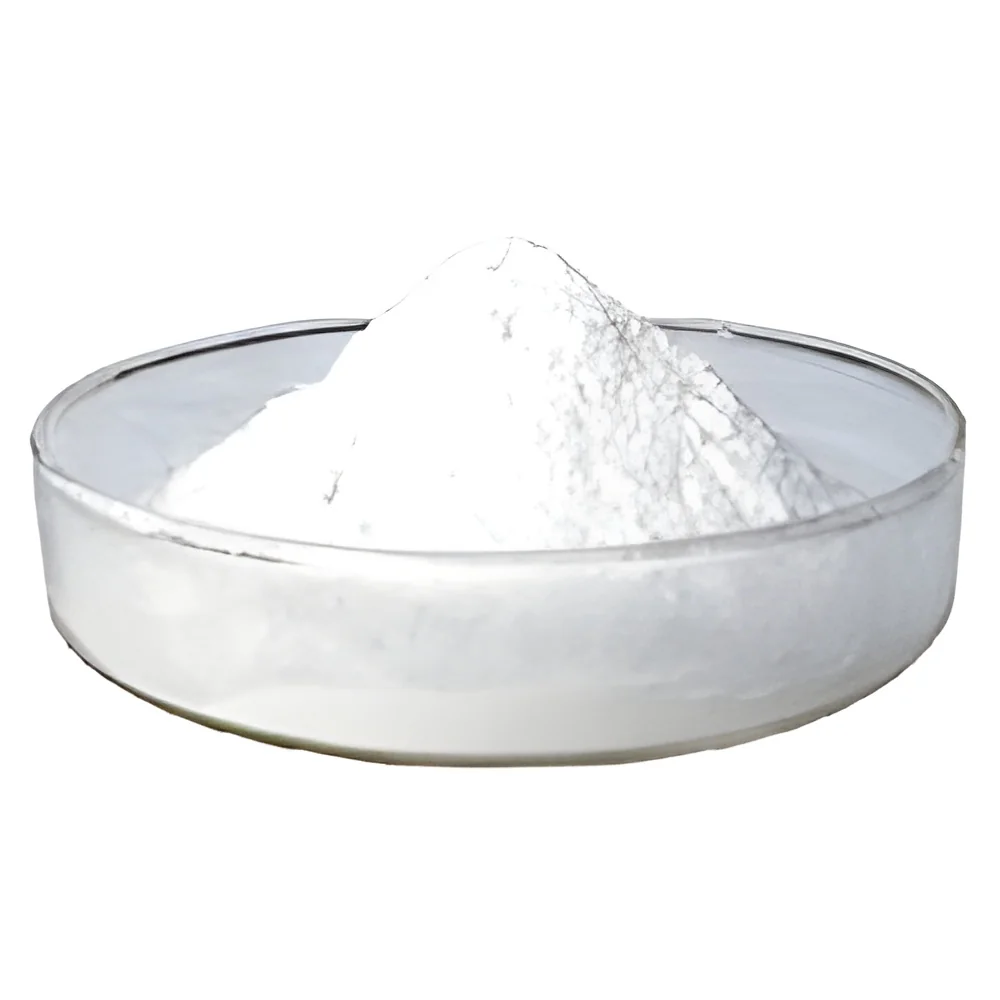
Water soluble fertilizers are nutrient-rich formulations designed to dissolve in water, allowing for easy application and absorption by plants. These fertilizers typically contain essential macronutrients, such as nitrogen, phosphorus, and potassium, along with micronutrients that promote healthy plant growth. Their solubility ensures that plants receive nutrients quickly, making them ideal for various agricultural and horticultural applications.
The primary uses of water soluble fertilizers span across farming, gardening, and landscaping. They are particularly beneficial in situations where rapid nutrient uptake is critical, such as in hydroponic systems or during the early growth stages of plants. Businesses involved in crop production, floriculture, and turf management often rely on these fertilizers to enhance yield and optimize plant health. As the agricultural sector increasingly shifts toward precision farming and sustainable practices, water soluble fertilizers have gained significant market relevance.
In today's market, the demand for water soluble fertilizers is on the rise due to the growing need for efficient nutrient delivery systems. With an increasing emphasis on sustainable agriculture and environmental responsibility, these fertilizers play a crucial role in maximizing crop productivity while minimizing nutrient runoff. This trend highlights the importance of water soluble fertilizers in maintaining soil health and supporting the global food supply chain.
Key Features and Specifications
Water soluble fertilizers come with several key features that make them suitable for diverse agricultural applications. Understanding these specifications can help businesses select the right product for their needs.
Key specifications include:
1. Nutrient Composition
- Typically includes macronutrients like nitrogen, phosphorus, and potassium in varying ratios.
- May also contain micronutrients such as magnesium, calcium, and iron, essential for plant growth.
2. Solubility Rate
- Designed to dissolve quickly in water for immediate nutrient availability.
- Products may vary in solubility rates depending on formulation.
3. pH Level
- Formulated to maintain a specific pH range to support optimal nutrient uptake.
- Generally falls within a neutral to slightly acidic range, conducive for most plants.
4. Application Methods
- Suitable for foliar spraying, fertigation, and soil application.
- Versatile for use in various agricultural systems, including hydroponics.
5. Shelf Life
- Features a stable shelf life, allowing for long-term storage without loss of efficacy.
- Usually stored in cool, dry conditions to retain quality.
6. Compatibility
- Can be mixed with other fertilizers and chemicals for customized nutrient solutions.
- Must be compatible with specific crop needs and growth stages.
7. Environmental Impact
- Formulated to minimize nutrient leaching and environmental impact.
- Often designed to be eco-friendly and safe for use.
In summary, these features and specifications ensure that water soluble fertilizers meet the specific demands of agricultural and horticultural applications, contributing to enhanced crop performance.
Common Applications and Use Cases
Water soluble fertilizers are utilized across various industries and applications, offering tailored solutions to meet unique needs.
1. Agriculture: Water soluble fertilizers are widely used in conventional and organic farming to enhance crop yields. They provide essential nutrients at critical growth stages, ensuring healthy plant development.
2. Horticulture: In the horticultural sector, these fertilizers support the cultivation of flowers and ornamental plants. They are essential for achieving vibrant blooms and robust plant health.
3. Hydroponics: Water soluble fertilizers are indispensable in hydroponic systems, where traditional soil is absent. They provide a direct nutrient source for plants grown in nutrient solutions.
4. Turf Management: Sports fields and golf courses benefit from water soluble fertilizers to maintain lush, green turf. These fertilizers help manage nutrient levels and promote healthy grass growth.
5. Greenhouses: Inside greenhouses, water soluble fertilizers are used to optimize conditions for plant growth. They ensure that plants receive balanced nutrition in controlled environments.
6. Landscaping: Professionals in the landscaping industry use water soluble fertilizers to enhance the aesthetics and health of lawns and gardens. They enable quick nutrient delivery for immediate results.
7. Research and Development: Agricultural research institutions utilize water soluble fertilizers in experiments to study plant responses under controlled conditions, contributing to advancements in crop science.
Product Variants and Subcategories
Water soluble fertilizers come in various formulations to address specific agricultural needs. This diversity allows businesses to choose the most suitable option for their applications.
NPK Formulations
These formulations contain varying ratios of nitrogen (N), phosphorus (P), and potassium (K) to cater to different plant requirements. Adjusting the ratio allows for targeted nutrient delivery during growth phases.
Micronutrient Enriched Formulas
Designed to provide essential trace elements like iron, manganese, and zinc, these fertilizers are ideal for crops that require additional micronutrients for optimal growth and development.
Specialty Fertilizers
These may include formulations specifically designed for certain crops, such as fruits, vegetables, or flowers. They are tailored to meet the unique nutritional needs of different plant species.
Liquid vs. Granular
Water soluble fertilizers can be available in liquid or granular forms. Liquid options dissolve rapidly in water, while granular forms offer longer-lasting nutrient release.
Benefits and Advantages
Water soluble fertilizers provide numerous benefits that make them a preferred choice for many agricultural applications.
Key benefits include:
1. Rapid Nutrient Uptake: These fertilizers dissolve quickly in water, allowing plants to absorb nutrients efficiently. This leads to faster growth and improved yield.
2. Increased Crop Yields: By providing essential nutrients at critical growth stages, water soluble fertilizers help maximize crop productivity and quality.
3. Versatility: Suitable for various application methods, including foliar feeding and fertigation, they can be adapted to different farming practices.
4. Customizable Nutrient Ratios: Businesses can select specific formulations to meet the unique nutrient requirements of different crops, enhancing overall efficacy.
5. Reduced Environmental Impact: Formulated to minimize nutrient leaching, they help protect water quality and reduce the environmental footprint of agricultural practices.
6. Enhanced Soil Health: Regular use of water soluble fertilizers can improve soil nutrient profiles and support sustainable farming practices.
Buying Guide for B2B Buyers
When sourcing water soluble fertilizers, it is essential for businesses to consider several important factors to ensure they make informed purchasing decisions.
1. Quality Assessment: Evaluate the nutrient composition and solubility of the fertilizer. Ensure that it meets the specific needs of the crops you are cultivating.
2. Supplier Verification: Vet suppliers by checking their reputation, certifications, and customer reviews. Reliable suppliers will have a proven track record in delivering quality products.
3. Pricing and MOQ: Compare prices across different suppliers and understand the minimum order quantities. Look for options that provide the best value without compromising quality.
4. Delivery and Lead Times: Consider logistics and delivery schedules. Ensure that suppliers can meet your timeliness requirements for consistent production cycles.
5. Compliance Requirements: Check for compliance with relevant agricultural regulations and quality standards. Ensure that the fertilizers meet safety and environmental guidelines.
Compliance and Certifications
Water soluble fertilizers must adhere to various quality standards and certifications to ensure safety and efficacy in agricultural applications.
Key quality standards include ISO 9001, which ensures that products are consistently produced and controlled according to quality management principles. Additionally, certifications like HACCP and GDP may apply, focusing on food safety and good distribution practices.
Industry certifications such as CE indicate that the products meet European safety and environmental requirements. It is crucial for suppliers to provide documentation for these certifications to ensure compliance.
Safety and testing requirements are also essential, as these fertilizers must undergo rigorous testing to confirm their effectiveness and minimize any potential risks to users and the environment.
Furthermore, regional compliance considerations may vary, requiring businesses to stay informed about local regulations governing fertilizer use and distribution.
Why Source Water Soluble Fertilizers from Pepagora?
Pepagora offers a trusted platform for sourcing water soluble fertilizers, providing several key advantages for B2B buyers.
Verified Supplier Network: Pepagora boasts a network of verified suppliers who meet strict quality and compliance standards. This ensures that buyers have access to reliable products that meet their agricultural needs.
Streamlined RFQ Process: The platform features an efficient Request for Quotation (RFQ) system, allowing businesses to obtain competitive pricing from multiple suppliers quickly. This simplifies the purchasing process and enhances decision-making.
Trade Assurance and Support: Pepagora provides trade assurance to protect buyers, ensuring that transactions are secure and that products meet quality expectations. The support team is available to assist with any inquiries during the sourcing process.
Regional Coverage: With a presence in India, the GCC, and Southeast Asia, Pepagora offers extensive regional coverage. This geographic reach allows businesses to source water soluble fertilizers tailored to local market conditions, enhancing their operational efficiency.
In conclusion, sourcing water soluble fertilizers through Pepagora provides a comprehensive solution for businesses seeking high-quality products supported by a robust supplier network and customer-focused services.

 India
 India
 India
Frequently Asked Questions
What are Water Soluble Fertilizers?
Water Soluble Fertilizers are nutrient-rich fertilizers that dissolve in water, making them easy to apply through irrigation systems or foliar sprays. They provide essential nutrients to plants in a readily available form, promoting healthy growth and development.
What are the different types of Water Soluble Fertilizers?
There are several types of Water Soluble Fertilizers, including NPK fertilizers (which contain nitrogen, phosphorus, and potassium), micronutrient fertilizers, and specialty fertilizers designed for specific crops. Each type is formulated to meet the unique nutritional needs of plants at various growth stages.
How do I choose the right Water Soluble Fertilizers?
Choosing the right Water Soluble Fertilizers involves considering the specific nutrient requirements of your plants, the soil type, and the growth stage of the crops. It is also important to review the nutrient ratios and select products that align with your cultivation goals.
What are the standard specifications for Water Soluble Fertilizers?
Standard specifications for Water Soluble Fertilizers include solubility in water, nutrient content (N-P-K ratio), pH levels, and the presence of micronutrients. These specifications ensure that the fertilizers are effective and safe for plant use.
What is the price range for Water Soluble Fertilizers?
The price range for Water Soluble Fertilizers varies widely based on the formulation, brand, and packaging size. Generally, prices can range from a few hundred to several thousand rupees per kilogram, depending on the complexity of the formulation and the supplier.
What quality standards apply to Water Soluble Fertilizers?
Quality standards for Water Soluble Fertilizers are typically governed by agricultural regulatory bodies, which may include specifications for nutrient content, purity, and safety. Compliance with these standards ensures that the fertilizers are effective and do not harm the environment.
Where can I find Water Soluble Fertilizers suppliers in India?
You can find Water Soluble Fertilizers suppliers in India through online B2B marketplaces like Pepagora, agricultural trade shows, and industry directories. It is advisable to research suppliers for their reputation, product range, and customer reviews.
Can Water Soluble Fertilizers be customized?
Yes, many manufacturers offer customization options for Water Soluble Fertilizers to meet specific agricultural needs. This may include adjusting nutrient formulations or packaging sizes based on the requirements of different crops or farming practices.
What is the typical minimum order quantity for Water Soluble Fertilizers?
The typical minimum order quantity (MOQ) for Water Soluble Fertilizers can vary by supplier but often ranges from 25 kg to 1 ton. It's best to check with individual suppliers for their specific MOQ policies.
What is the typical lead time for Water Soluble Fertilizers?
The typical lead time for Water Soluble Fertilizers can range from a few days to several weeks, depending on the supplier's inventory and production capabilities. It is advisable to confirm lead times during the ordering process to ensure timely delivery.
Why Businesses Trust Pepagora
Thousands of companies trust Pepagora to source smarter and sell faster
Expand Your Sales Globally

Source Smarter,Grow Faster
