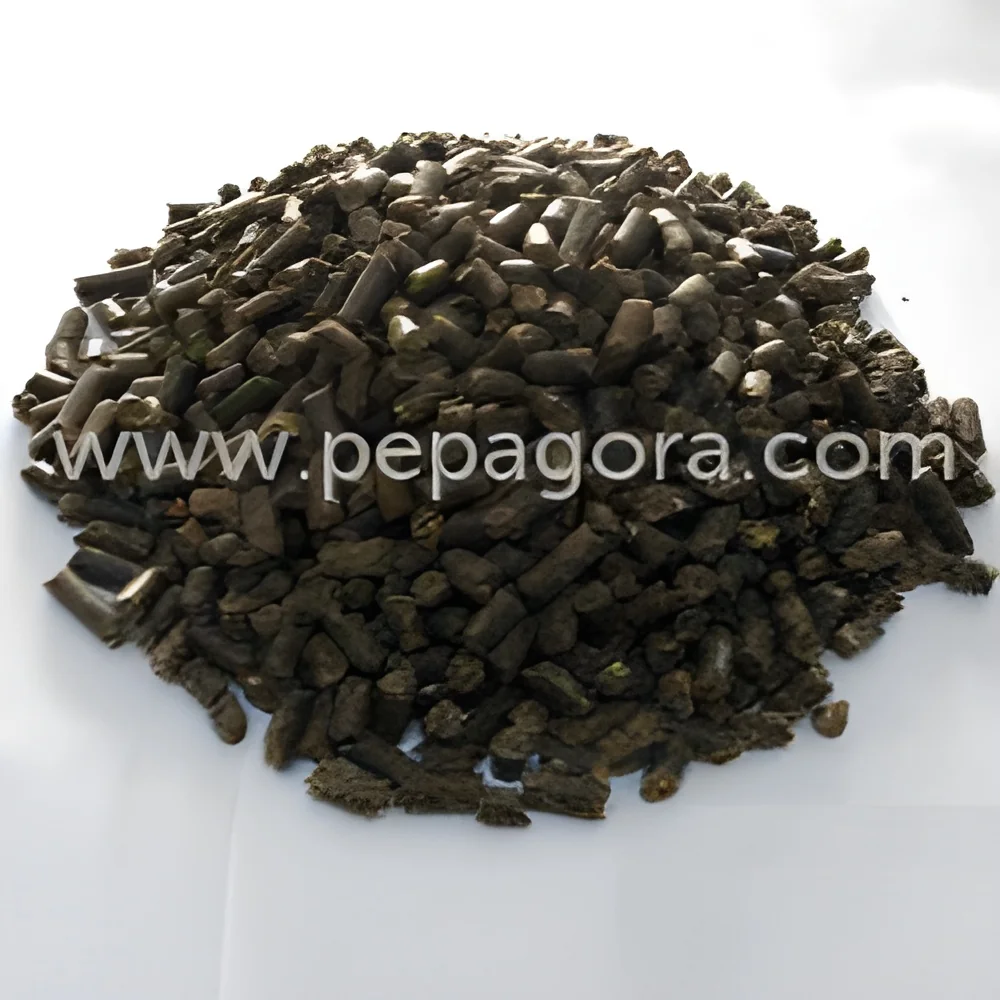
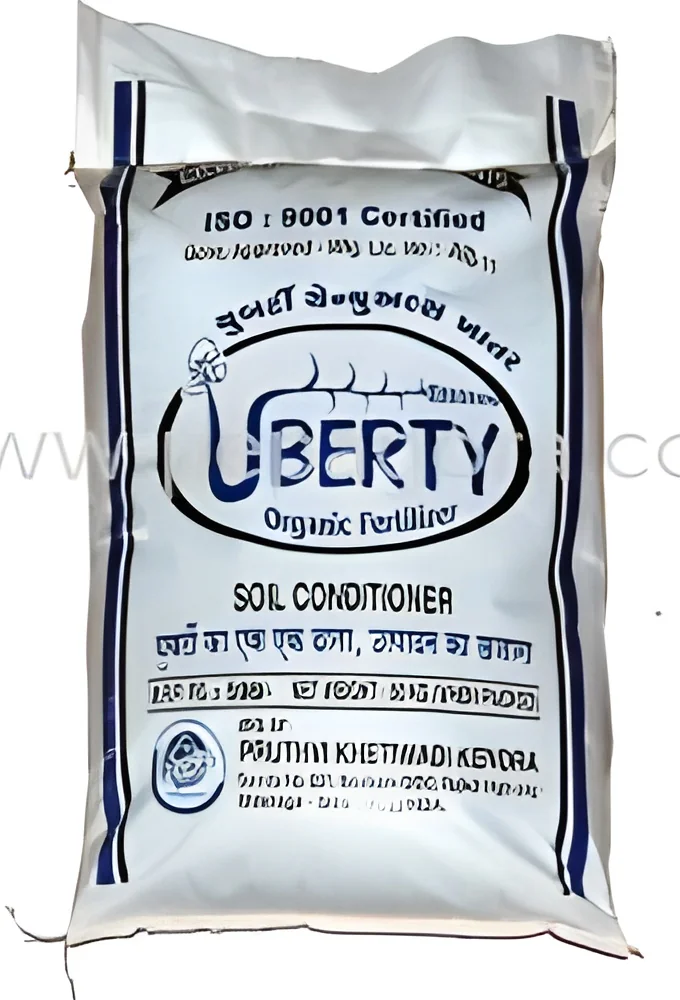
What are Organic Carbon Enhancers?
Organic Carbon Enhancers are specialized products designed to improve soil fertility and enhance plant growth by increasing the organic carbon content in the soil. These enhancers consist of natural materials that provide essential nutrients, improve soil structure, and promote the activity of beneficial microorganisms. By enriching the soil with organic matter, these products help create a more sustainable agricultural environment.
The primary uses of Organic Carbon Enhancers include agricultural applications, horticulture, and landscape management. They are particularly valuable for farmers and gardening professionals seeking to boost crop yield and quality while minimizing chemical inputs. Businesses in the agricultural sector leverage these enhancers to achieve better soil health and optimize resource use. The growing awareness of sustainable farming practices has led to an increase in the adoption of Organic Carbon Enhancers in various regions around the world.
In the context of the current market, Organic Carbon Enhancers are becoming increasingly relevant as more industries focus on sustainable practices and environmental responsibility. The global demand for organic products continues to rise, driving the need for solutions that support healthier ecosystems. This trend positions Organic Carbon Enhancers as a critical component for businesses looking to enhance their agricultural practices while adhering to environmental regulations.
Key Features and Specifications
Organic Carbon Enhancers are characterized by several key features that make them effective for improving soil quality and plant health. These specifications can vary depending on the product formulation, but they generally focus on the composition and performance of the enhancers.
Key specifications include:
1. Composition
- Organic Carbon Content: Typically ranges from 20% to 60%
- Nutrient Content: Includes a balance of essential macro and micronutrients
2. Physical Form
- Available in granular, liquid, or powdered forms
- Each form has specific applications based on user preference and method of application
3. pH Level
- Generally ranges from 6.0 to 8.0
- Optimal pH levels enhance nutrient availability to plants
4. Moisture Content
- Moisture levels vary, typically between 10% to 30%
- Affects the storage and application methods of the product
5. Microbial Activity
- Contains beneficial microorganisms that promote soil health
- Microbial counts can vary, often exceeding millions per gram
6. Solubility
- Soluble products are easier to apply through irrigation systems
- Granular forms may require tillage for effective integration
7. Application Rate
- Recommended application rates are usually specified on product labels
- Typically ranges from 100 to 500 kg per hectare depending on soil conditions
8. Shelf Life
- Generally has a shelf life of 12 to 24 months
- Proper storage conditions can extend the usability of the enhancer
In summary, the specifications of Organic Carbon Enhancers are designed to meet the diverse needs of agricultural practices. Understanding these features helps businesses choose the right product for their specific applications.
Common Applications and Use Cases
Organic Carbon Enhancers are utilized across various industries, making them versatile tools for improving soil health and crop productivity.
1. Agriculture: Farmers use Organic Carbon Enhancers to enrich soil fertility, promote sustainable farming practices, and enhance crop yields.
2. Horticulture: Gardeners and landscapers apply these enhancers to improve the health of ornamental plants and enhance the aesthetic appeal of landscapes.
3. Organic Farming: Organic growers rely on these products to meet organic certification standards while maintaining soil health and productivity.
4. Turf Management: Sports fields and golf courses benefit from Organic Carbon Enhancers to maintain lush, green, and resilient turf.
5. Nursery Production: Plant nurseries use these enhancers to support the growth of young plants and ensure robust root development.
6. Restoration Projects: Environmental restoration efforts often incorporate Organic Carbon Enhancers to improve degraded soil and promote vegetation recovery.
7. Greenhouses: Greenhouse operators utilize these products to optimize soil conditions for various crops, enhancing growth and yield.
Product Variants and Subcategories
Organic Carbon Enhancers come in a variety of formulations to meet specific agricultural needs. This diversity allows businesses to select the best option for their applications.
Liquid Organic Carbon Enhancer
This variant is easy to apply and integrates well with irrigation systems. It is ideal for rapid nutrient availability and is often used in fertigation practices.
Granular Organic Carbon Enhancer
The granular form is suitable for soil incorporation. This variant releases nutrients slowly and is effective for long-term soil health improvements.
Powdered Organic Carbon Enhancer
This variant is highly concentrated and can be mixed with other soil amendments. It is particularly useful for small-scale applications where precision is required.
Benefits and Advantages
Organic Carbon Enhancers offer numerous benefits that contribute to improved agricultural practices.
1. Enhanced Soil Fertility: These products increase organic matter, leading to improved nutrient retention and availability.
2. Improved Soil Structure: Organic Carbon Enhancers help to aerate the soil, promoting better root growth and water infiltration.
3. Increased Microbial Activity: By introducing beneficial microorganisms, these enhancers support a healthy soil ecosystem.
4. Sustainable Practices: Using Organic Carbon Enhancers aligns with environmentally friendly farming practices, reducing the reliance on synthetic fertilizers.
5. Higher Crop Yields: Enhanced soil conditions lead to improved plant growth and ultimately higher agricultural productivity.
6. Cost-Effectiveness: Over time, the use of Organic Carbon Enhancers can reduce overall input costs by improving soil health and reducing the need for chemical fertilizers.
Buying Guide for B2B Buyers
When sourcing Organic Carbon Enhancers, various factors should be taken into consideration to ensure the best product selection.
1. Quality Assessment: Evaluate products based on their organic carbon content, nutrient composition, and microbial activity. Look for third-party testing and certifications to validate quality.
2. Supplier Verification: Conduct thorough research on suppliers to ensure they have a reliable reputation. Check for customer reviews and industry references.
3. Pricing and MOQ: Compare prices from different suppliers and assess the minimum order quantities. Consider bulk purchasing options for cost savings.
4. Delivery and Lead Times: Inquire about shipping options and estimated delivery times to ensure timely product availability for your operations.
5. Compliance Requirements: Verify that the products meet relevant regulatory standards and certifications in your region, such as CE certification.
Compliance and Certifications
Organic Carbon Enhancers must adhere to various quality standards and certifications to ensure safety and efficacy.
ISO 9001 is a key quality management standard that highlights the importance of consistent quality in manufacturing processes. This certification indicates that the supplier has established a quality management system that meets international standards.
HACCP (Hazard Analysis and Critical Control Points) is essential in the agricultural sector, ensuring that products are safe for use in food production. Compliance with HACCP guidelines helps mitigate risks associated with the use of organic enhancers.
CE certification is a requirement for many products sold in the European market, ensuring compliance with health, safety, and environmental protection standards.
Safety and testing requirements may include assessments for harmful substances and an evaluation of microbial activity. This is crucial for ensuring that the enhancers do not introduce pathogens into the agricultural ecosystem.
Regional compliance considerations may vary. It is important for businesses to be aware of local regulations governing organic products and to ensure that their chosen enhancers meet these standards.
Why Source Organic Carbon Enhancers from Pepagora?
Pepagora provides a trusted platform for sourcing Organic Carbon Enhancers, offering several key advantages for businesses seeking quality products.
Verified Supplier Network: Pepagora has established a robust network of verified suppliers, ensuring that buyers have access to high-quality Organic Carbon Enhancers. Each supplier undergoes a thorough vetting process to guarantee reliability.
Streamlined RFQ Process: The platform features an easy-to-use Request for Quotation (RFQ) system, allowing buyers to receive competitive pricing and tailored quotes from multiple suppliers quickly.
Trade Assurance and Support: Pepagora offers trade assurance to protect buyers throughout the procurement process. This support includes assistance with disputes and guarantees timely delivery.
Regional Coverage: With a presence in India, the GCC, and Southeast Asia, Pepagora provides extensive geographic reach. This enables businesses to source Organic Carbon Enhancers tailored to their regional agricultural practices and compliance needs.

 IN
IN