Key Features and Specifications
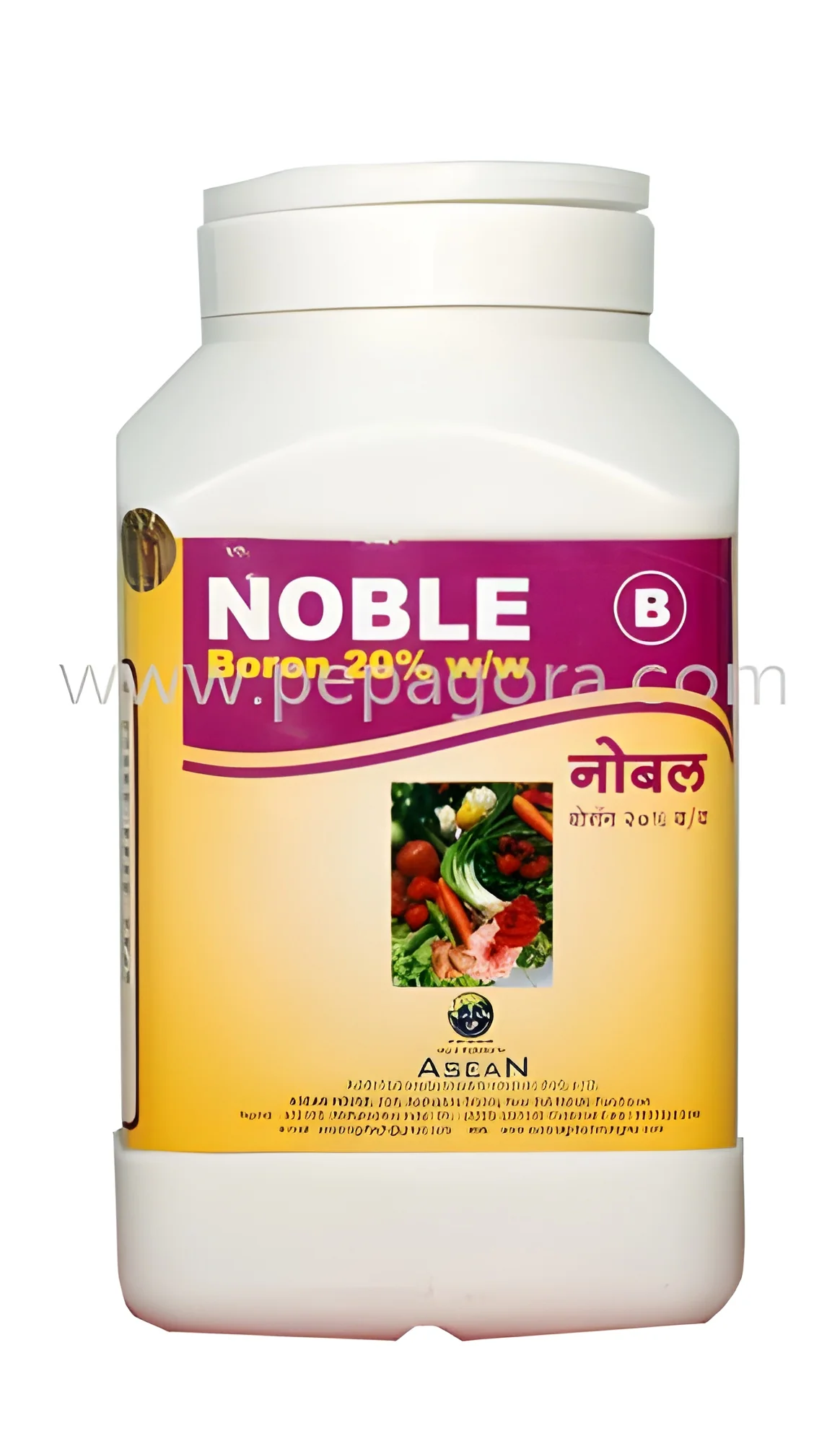
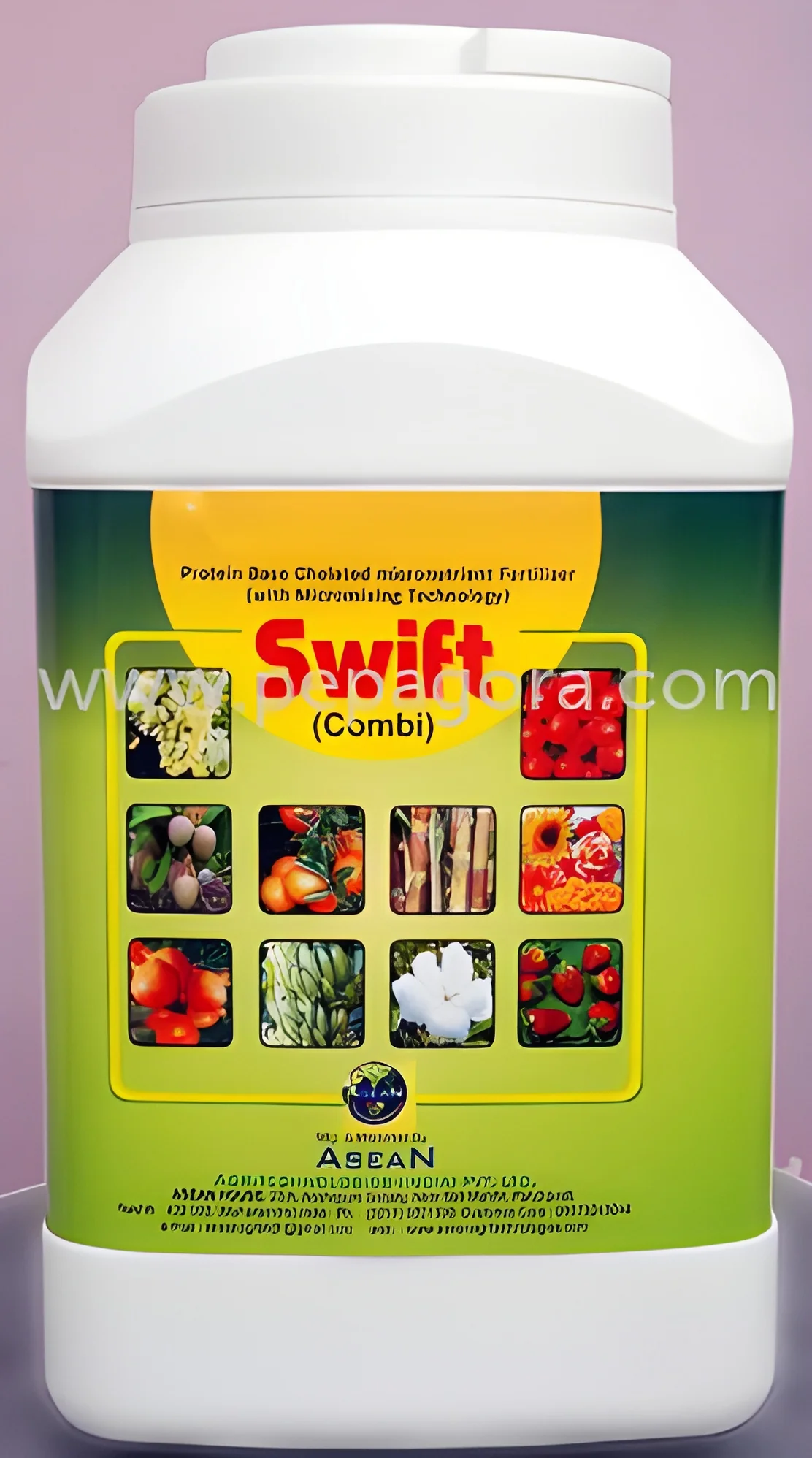
Micronutrient mixes (Zn, B, Fe) offer several distinctive features that make them valuable for agricultural applications. These mixes are designed to deliver micronutrients in easily absorbable forms, ensuring that plants receive the necessary nutrients efficiently.
Key specifications include:
1. Composition
- Contains a balanced ratio of Zinc, Boron, and Iron.
- Specific formulations can be tailored based on crop requirements.
2. Solubility
- High solubility in water for quick absorption by plants.
- Enhances nutrient uptake efficiency.
3. Application Methods
- Suitable for foliar application, soil application, or fertigation.
- Versatile for various farming techniques.
4. pH Range
- Optimal pH for nutrient availability typically ranges from 6.0 to 7.5.
- Ensures compatibility with most soil types.
5. Shelf Life
- Generally stable for up to 24 months when stored properly.
- Requires cool and dry storage conditions.
6. Package Sizes
- Available in various packaging options from small bags to bulk containers.
- Flexibility to meet different scale requirements.
7. Nutrient Release Rate
- Controlled release options are available for prolonged nutrient availability.
- Reduces leaching and enhances soil health.
8. Compliance
- Meets industry standards and certifications for agricultural products.
- Ensures safety and efficacy in application.
Overall, micronutrient mixes offer tailored solutions to meet diverse agricultural needs, promoting healthy plant growth and optimal crop yields.
Common Applications and Use Cases
Micronutrient mixes (Zn, B, Fe) find applications across multiple industries, particularly in agriculture where they are crucial for enhancing soil health and crop production.
1. Agriculture: Used in the cultivation of various crops including cereals, vegetables, and fruits to prevent nutrient deficiencies and improve yield quality.
2. Horticulture: Beneficial for ornamental plants and landscaping, these mixes support vibrant growth and flowering.
3. Greenhouse Farming: Important for controlled environments, micronutrient mixes help optimize plant health under specific growing conditions.
4. Organic Farming: These mixes can be integrated into organic farming practices to ensure plants receive essential nutrients without synthetic chemicals.
5. Turf Management: Used in maintaining healthy turf for sports fields and golf courses, ensuring optimal green conditions.
6. Hydroponics: Essential in hydroponic systems where soil is absent, providing necessary nutrients directly to the plant roots.
7. Fertilizer Production: Micronutrient mixes are often blended with other fertilizers to create comprehensive nutrient solutions for various crops.
Product Variants and Subcategories
Micronutrient mixes (Zn, B, Fe) are available in various formulations to cater to specific agricultural needs. Each variant is designed to address different nutrient deficiencies or application methods.
Standard Variant
This variant typically contains the essential micronutrients in a balanced ratio, suitable for a wide range of crops. It is commonly used for general applications and soil enrichment.
Specialized Variant
Designed for specific crops or conditions, this variant may offer higher concentrations of one or more micronutrients. It is ideal for addressing particular nutrient deficiencies observed in certain soils or plant types.
Custom Formulation
Some suppliers offer the option for customized formulations based on soil tests and crop requirements. This variant allows for tailored nutrient management strategies.
Benefits and Advantages
Micronutrient mixes (Zn, B, Fe) provide several key benefits that enhance agricultural productivity and sustainability.
1. Improved Crop Yields: These mixes ensure that plants receive essential nutrients, leading to increased growth and higher yields.
2. Enhanced Nutrient Uptake: The balanced formulation promotes efficient absorption of micronutrients, minimizing waste and optimizing plant health.
3. Disease Resistance: Adequate micronutrient levels contribute to plant resilience against diseases and pests, reducing the need for chemical treatments.
4. Soil Health Improvement: Regular use of these mixes can enhance soil fertility and microbial activity, promoting long-term soil health.
5. Versatility: Suitable for various crops and application methods, micronutrient mixes can be integrated into different farming practices.
6. Cost-Effective Solution: Investing in micronutrient mixes can reduce the overall need for more expensive fertilizers, providing a cost-effective nutrient management option.
Buying Guide for B2B Buyers
When sourcing micronutrient mixes (Zn, B, Fe), businesses should consider several important factors to ensure they receive high-quality products.
1. Quality Assessment: Ensure that the micronutrient mixes meet industry standards for purity and efficacy. Look for certifications that validate quality.
2. Supplier Verification: Vet suppliers to confirm their reliability and reputation in the market. Check for customer reviews and testimonials.
3. Pricing and MOQ: Understand the pricing structure and minimum order quantities (MOQ). Compare prices across suppliers to find the best deal.
4. Delivery and Lead Times: Clarify the expected delivery times and logistics involved. Timely delivery is crucial for agricultural schedules.
5. Compliance Requirements: Ensure that the products comply with local regulations and safety standards. This may include certifications related to agricultural products.
Compliance and Certifications
Micronutrient mixes (Zn, B, Fe) must adhere to various compliance and certification standards to ensure safety and efficacy in agricultural applications.
Relevant quality standards such as ISO 9001 ensure that manufacturers maintain consistent quality management systems. This certification helps buyers trust the reliability of the product.
Industry certifications, such as CE, indicate that the product meets European safety and performance standards. These certifications provide assurance to buyers regarding product safety.
Safety and testing requirements are critical, as they ensure that the micronutrient mixes do not contain harmful levels of contaminants. Regular testing and quality checks are essential to maintain compliance.
Regional compliance considerations may vary, so it is important for buyers to be aware of local regulations that govern agricultural inputs in their specific markets.
Why Source Micronutrient Mixes (Zn, B, Fe) from Pepagora?
Pepagora offers a trusted platform for sourcing micronutrient mixes (Zn, B, Fe) with several key advantages.
Verified Supplier Network: Pepagora partners with a network of verified suppliers who meet stringent quality standards. This network ensures that buyers receive reliable products from reputable sources.
Streamlined RFQ Process: The Request for Quotation (RFQ) system allows buyers to easily compare offers from multiple suppliers. This simplifies the procurement process and helps buyers make informed decisions.
Trade Assurance and Support: Pepagora provides buyer protection through trade assurance programs, ensuring that transactions are secure and that buyers receive their products as expected.
Regional Coverage: With a presence in various regions including India, the GCC, and Southeast Asia, Pepagora offers a wide reach for sourcing micronutrient mixes. This geographical diversity allows buyers to find suitable suppliers that meet their local needs.

 IN
IN