What are Humic Acid & Fulvic Acid Fertilizers?
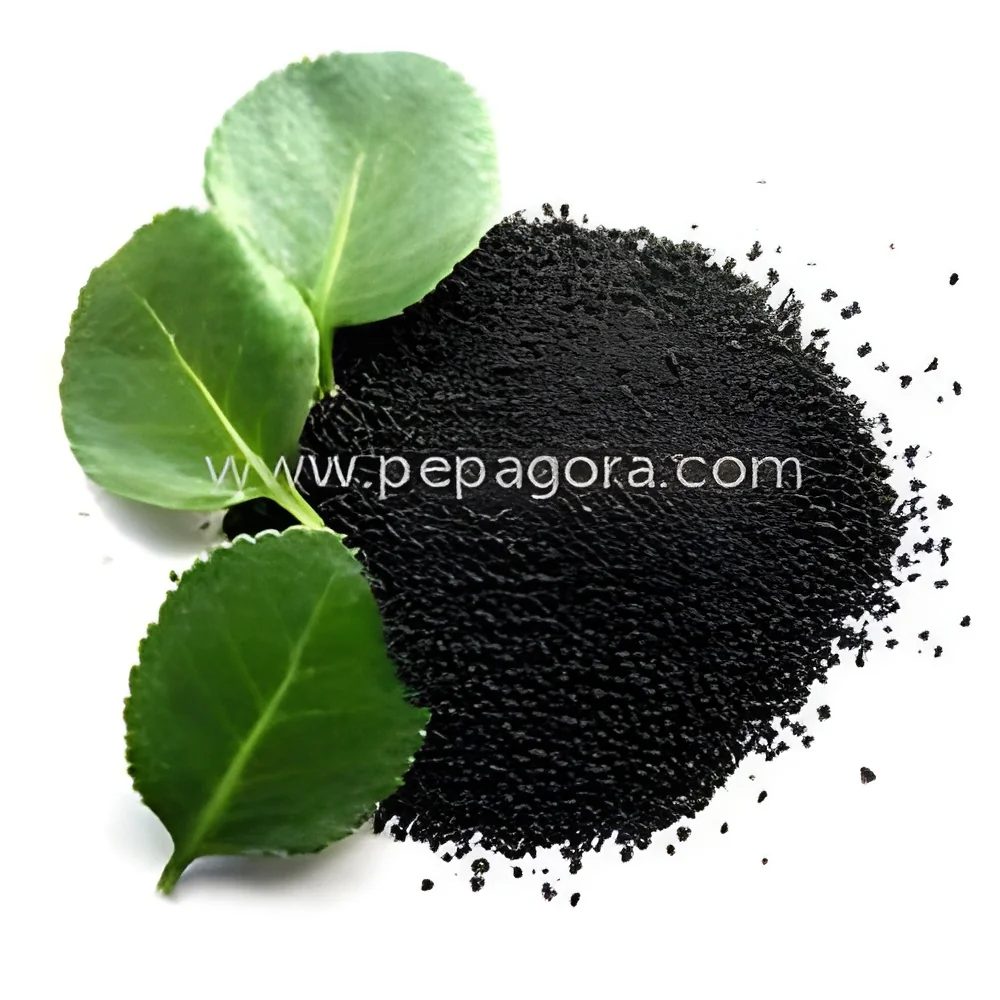
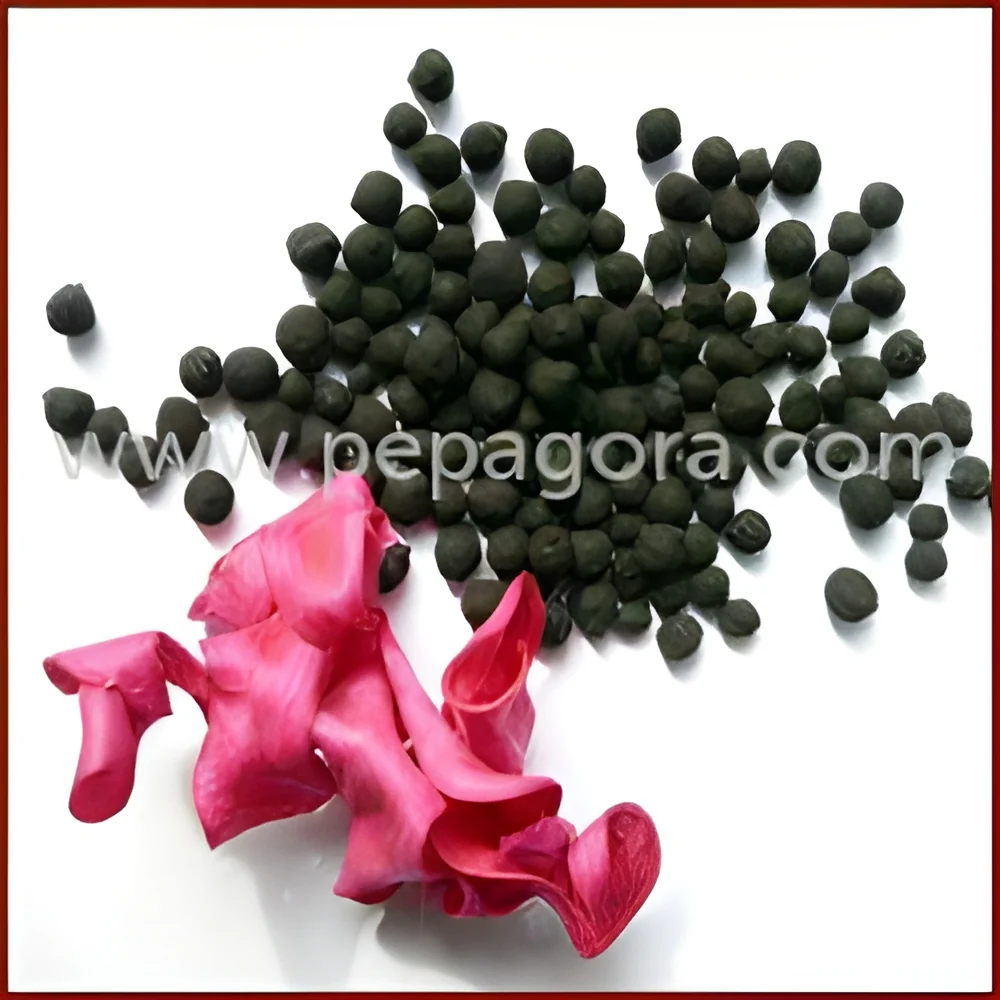
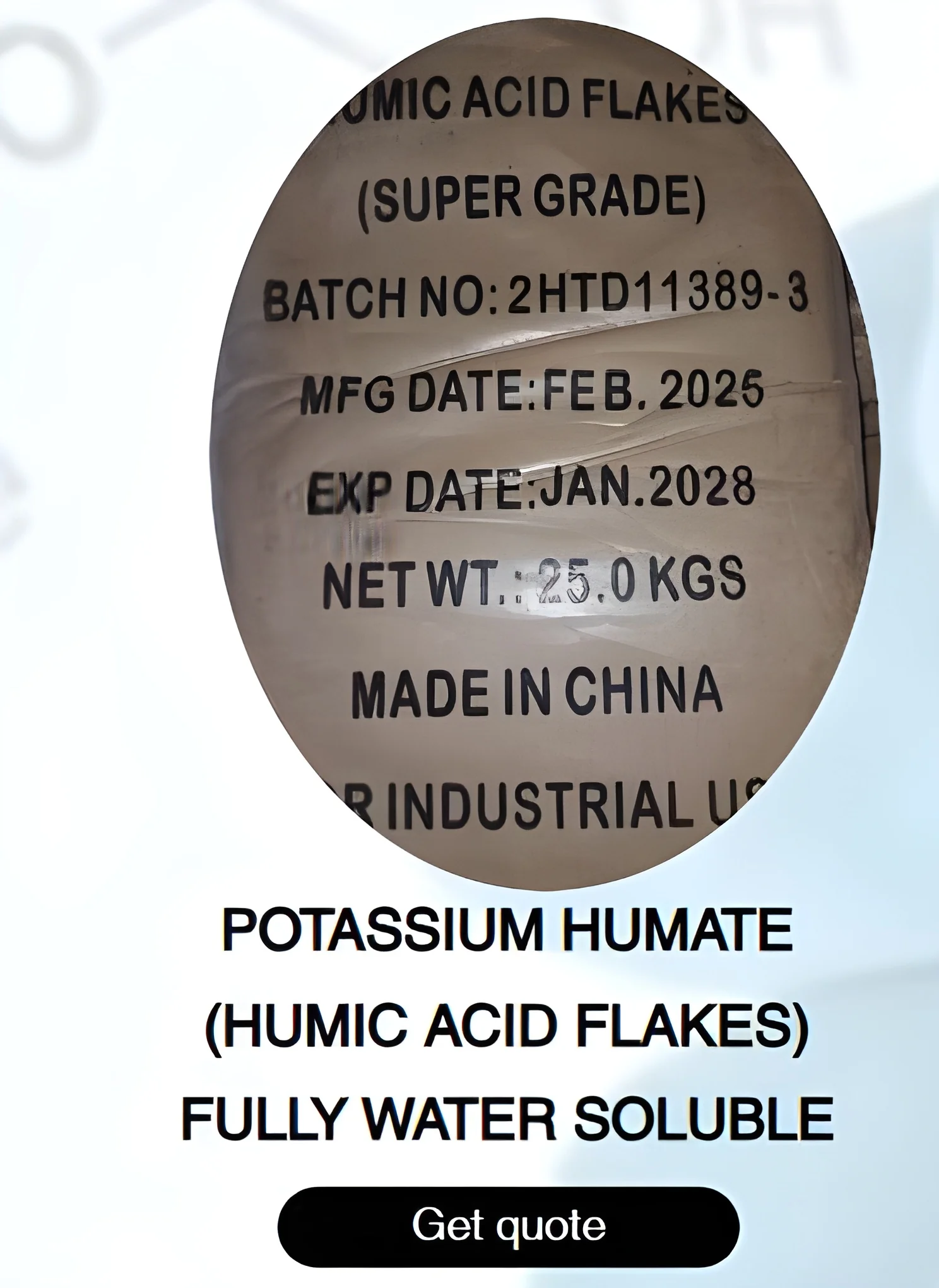
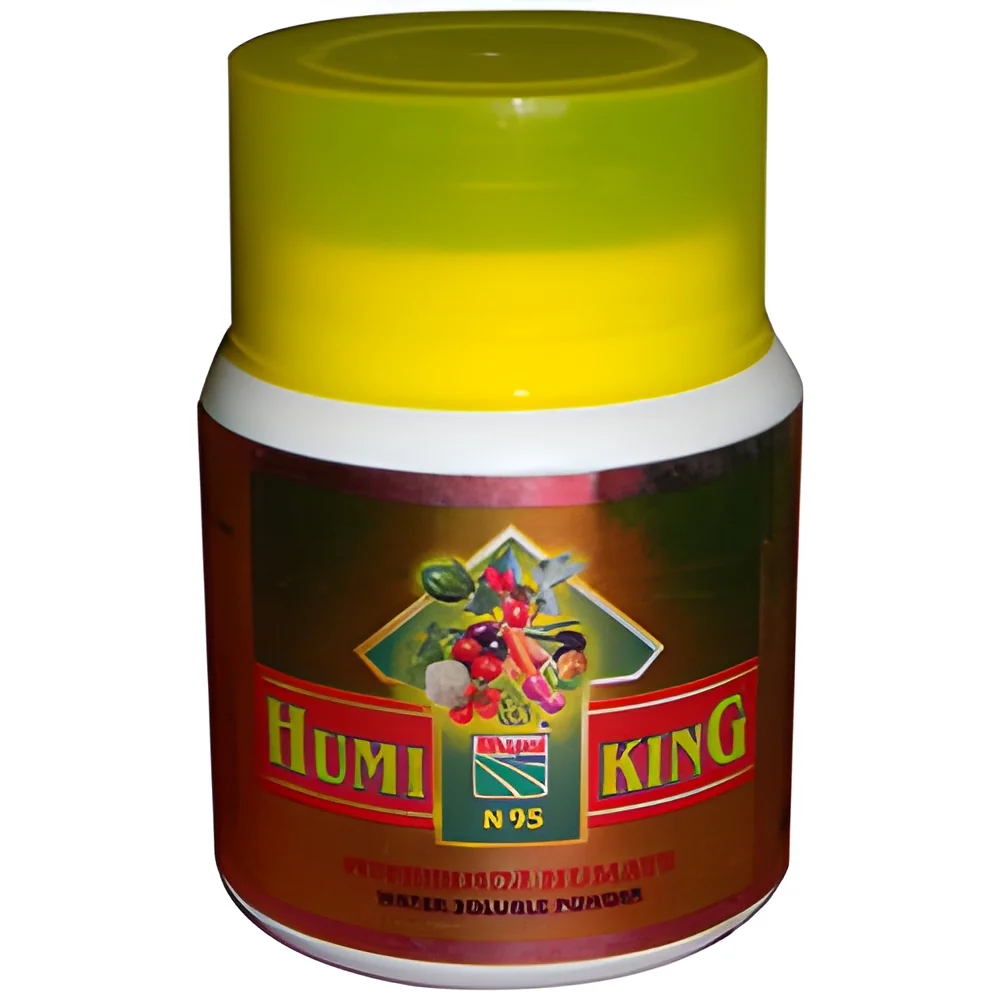
Humic Acid and Fulvic Acid Fertilizers are natural organic compounds derived from the decomposition of plant and animal matter. These substances play a crucial role in soil health by enhancing nutrient availability and improving soil structure. Humic acid is larger in molecular size compared to fulvic acid, which allows it to bind with soil particles and retain moisture, while fulvic acid is smaller and more soluble, facilitating nutrient absorption by plants.
The primary uses of these fertilizers include promoting plant growth, increasing crop yields, and improving soil fertility. They are widely used in agriculture, horticulture, and landscaping. Businesses in these sectors utilize humic and fulvic acids to enhance soil quality, optimize fertilizer efficiency, and reduce chemical inputs. The relevance of these fertilizers in the agricultural industry has grown as sustainable farming practices gain traction, making them essential for environmentally conscious growers.
Key Features and Specifications
Humic Acid and Fulvic Acid Fertilizers are characterized by several key features that contribute to their effectiveness in agricultural applications. These fertilizers are typically derived from natural sources and offer a range of beneficial properties.
Key specifications include:
1. Organic Content
- Contains high levels of organic matter that improve soil health
- Typically ranges from 60% to 90% organic content
2. Solubility
- Fulvic acid is highly soluble in water, enhancing nutrient absorption
- Solubility can vary depending on formulation, often exceeding 99%
3. pH Level
- Generally ranges from 5.0 to 8.0, suitable for a variety of crops
- Balanced pH helps maintain soil health
4. Nutrient Content
- Rich in essential nutrients like nitrogen, phosphorus, and potassium
- Nutrient levels can vary by formulation, with specific ratios available
5. Cation Exchange Capacity (CEC)
- High CEC values enable better nutrient retention in soil
- Values typically range from 30 to 100 meq/100g
6. Microbial Activity
- Enhances beneficial microbial populations in the soil
- Increases microbial biomass, promoting soil health
7. Humic vs. Fulvic Ratio
- Products may vary in the ratio of humic to fulvic acid
- Typical formulations may have a 1:1 to 4:1 ratio
8. Application Methods
- Available in liquid or granular forms for convenient application
- Can be applied through soil drenching or foliar sprays
These specifications highlight the versatility and importance of humic and fulvic acid fertilizers in modern agriculture.
Common Applications and Use Cases
Humic Acid and Fulvic Acid Fertilizers serve various industries, providing essential benefits across multiple applications.
1. Agriculture: These fertilizers are used to enhance soil fertility, improve crop yields, and promote sustainable farming practices. They help crops absorb nutrients more efficiently and improve overall plant health.
2. Horticulture: In horticultural settings, humic and fulvic acids are applied to ornamental plants and flowers to boost growth and flowering. They improve soil structure and enhance water retention.
3. Landscaping: For landscaping projects, these fertilizers are utilized to improve soil quality, promote healthy grass growth, and establish robust plant life in various soil conditions.
4. Greenhouses: In greenhouse operations, these fertilizers support controlled environments by enhancing nutrient uptake and improving plant resilience to stress.
5. Turf Management: In sports fields and golf courses, humic and fulvic acids are used to promote lush, green grass and enhance soil conditions for optimal turf health.
6. Organic Farming: These fertilizers align with organic farming principles, providing a natural solution for soil enhancement without synthetic chemicals.
7. Hydroponics: In hydroponic systems, fulvic acid is often used to improve nutrient solubility and availability, supporting plant growth in soil-less environments.
Product Variants and Subcategories
Humic Acid and Fulvic Acid Fertilizers come in various formulations to meet different agricultural needs.
Liquid Humic Acid Fertilizer
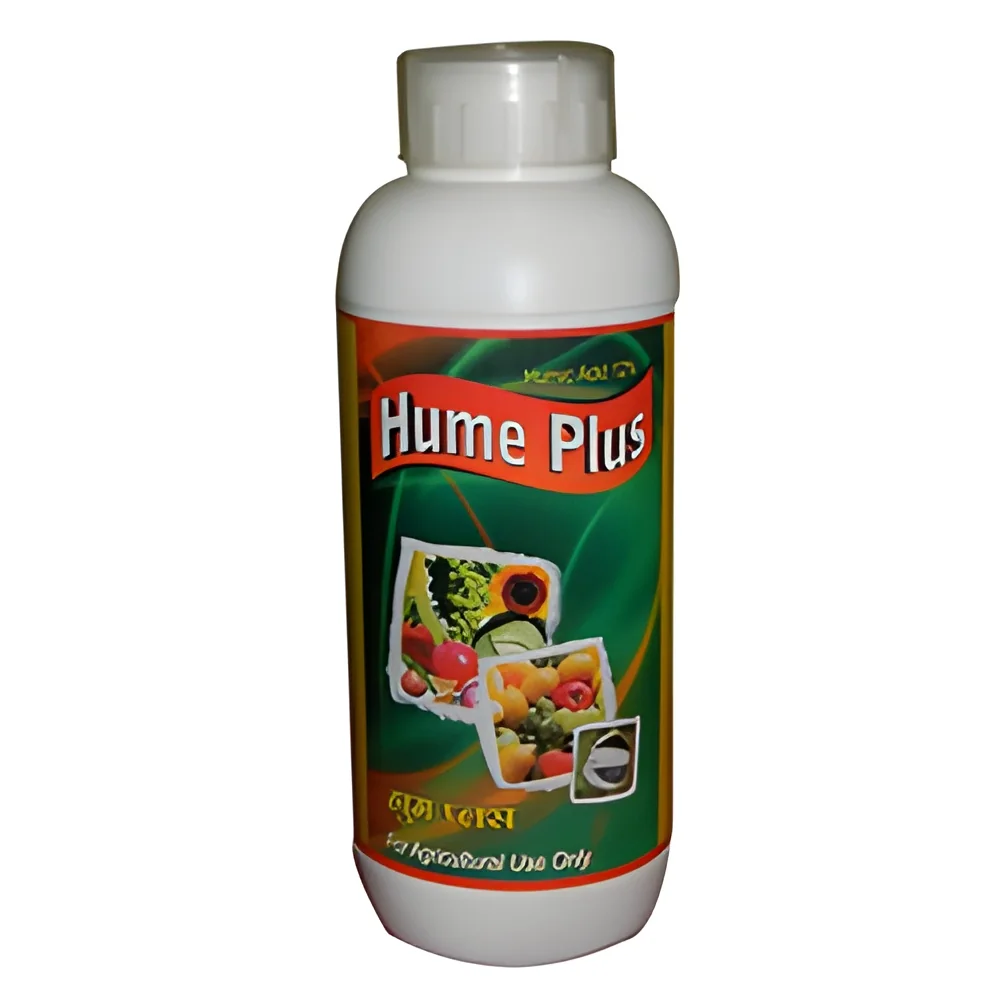
This variant is easy to apply and quickly absorbed by plants. It enhances nutrient uptake and improves soil structure, making it ideal for both conventional and organic farming practices.
Granular Fulvic Acid Fertilizer
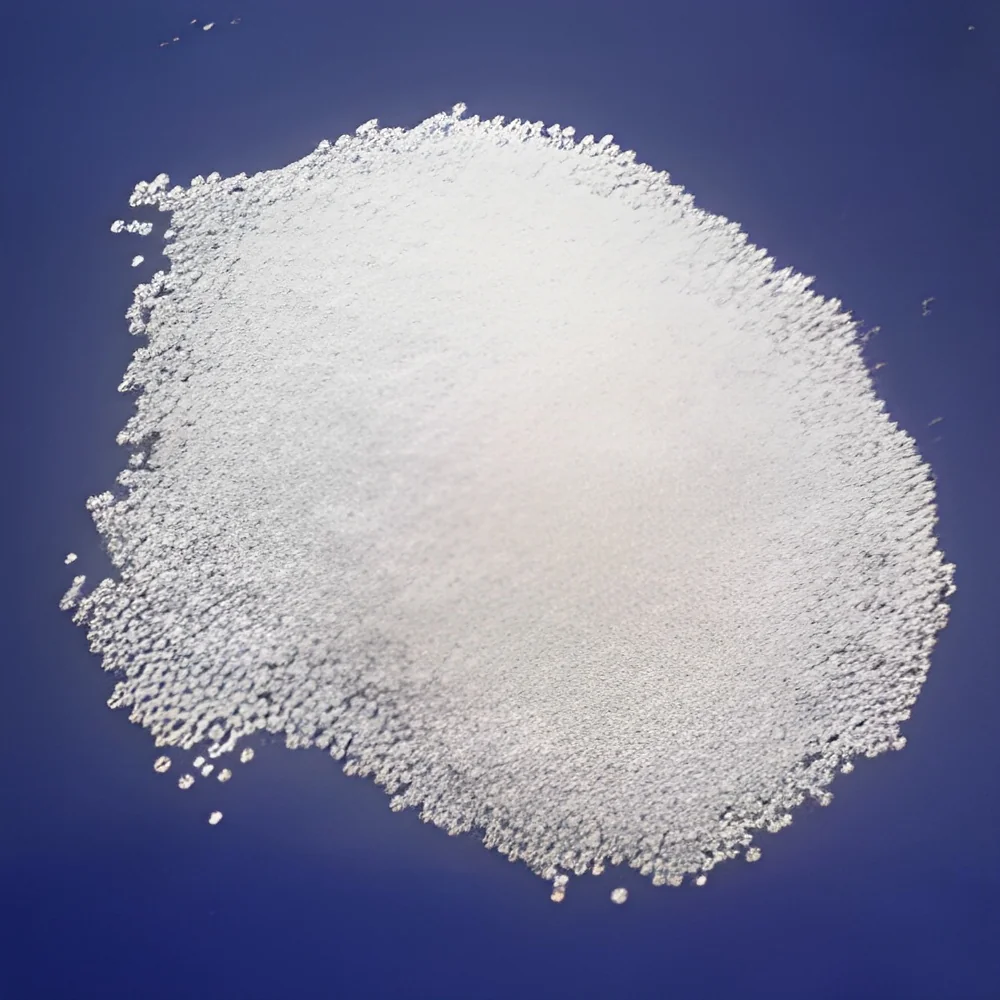
Granular forms are designed for slow-release applications and can improve soil moisture retention over time. They are suitable for long-term soil health strategies and can be used in a variety of crops.
Concentrated Humic and Fulvic Blend
This product combines both humic and fulvic acids in a concentrated form, providing a balanced approach to soil enhancement. It is effective for a wide range of agricultural applications.
Benefits and Advantages
Humic Acid and Fulvic Acid Fertilizers provide significant advantages for agricultural and horticultural applications.
1. Enhanced Nutrient Uptake: These fertilizers improve plant access to essential nutrients, leading to better growth and yields.
2. Improved Soil Structure: They enhance soil aeration and drainage, promoting a healthy root environment.
3. Increased Microbial Activity: These products support beneficial soil microorganisms, which are essential for nutrient cycling.
4. Moisture Retention: They help retain moisture in the soil, reducing irrigation needs and enhancing drought resistance.
5. Sustainable Agriculture: Using these fertilizers aligns with sustainable farming practices, reducing reliance on synthetic chemicals.
6. Versatility: Humic and fulvic acids can be used in various agricultural settings, from conventional farming to organic practices.
Buying Guide for B2B Buyers
When sourcing Humic Acid and Fulvic Acid Fertilizers, consider several critical factors to ensure you make informed purchasing decisions.
1. Quality Assessment: Evaluate the organic content and purity of the fertilizers. Look for products with high levels of humic and fulvic acids to ensure effectiveness.
2. Supplier Verification: Vet suppliers by checking their certifications and industry reputation. Reliable suppliers should provide transparent information about their sourcing and production processes.
3. Pricing and MOQ: Understand the pricing structures and minimum order quantities. This can vary significantly between suppliers, so it is essential to compare costs.
4. Delivery and Lead Times: Consider the logistics of delivery, including lead times and shipping options. Timely delivery is crucial for agricultural operations.
5. Compliance Requirements: Ensure that the products meet relevant regulatory standards and certifications. Check for compliance with local agricultural regulations to avoid potential issues.
Compliance and Certifications
Humic Acid and Fulvic Acid Fertilizers are subject to various compliance and certification standards, ensuring their quality and safety for agricultural use.
Relevant quality standards include ISO 9001, which focuses on quality management systems. Such standards ensure that products meet customer and regulatory requirements consistently.
Industry certifications like CE and UL indicate that the products meet specific safety and performance criteria. These certifications are vital for building trust with customers and ensuring product reliability.
Safety and testing requirements are also crucial. Fertilizers must undergo rigorous testing for contaminants and efficacy to ensure they are safe for use in agricultural applications.
Regional compliance considerations may vary based on local regulations. It is essential for buyers to be aware of these regulations to ensure compliance and avoid any legal issues.
Why Source Humic Acid & Fulvic Acid Fertilizers from Pepagora?
Pepagora offers a trusted platform for sourcing Humic Acid and Fulvic Acid Fertilizers, providing several key advantages for B2B buyers.
Verified Supplier Network: Pepagora ensures that suppliers are thoroughly vetted, offering buyers peace of mind regarding product quality and reliability. This network allows buyers to connect with reputable manufacturers and distributors.
Streamlined RFQ Process: The request for quotation process is designed to be efficient, enabling buyers to receive competitive pricing and options from multiple suppliers quickly. This streamlined approach saves time and enhances decision-making.
Trade Assurance and Support: Pepagora provides trade assurance, protecting buyers against potential risks during transactions. This support helps buyers feel secure in their purchasing decisions.
Regional Coverage: With extensive coverage in regions like India, the GCC, and Southeast Asia, Pepagora connects buyers with local suppliers, facilitating easier access to products and services tailored to specific regional needs.

 IN
IN