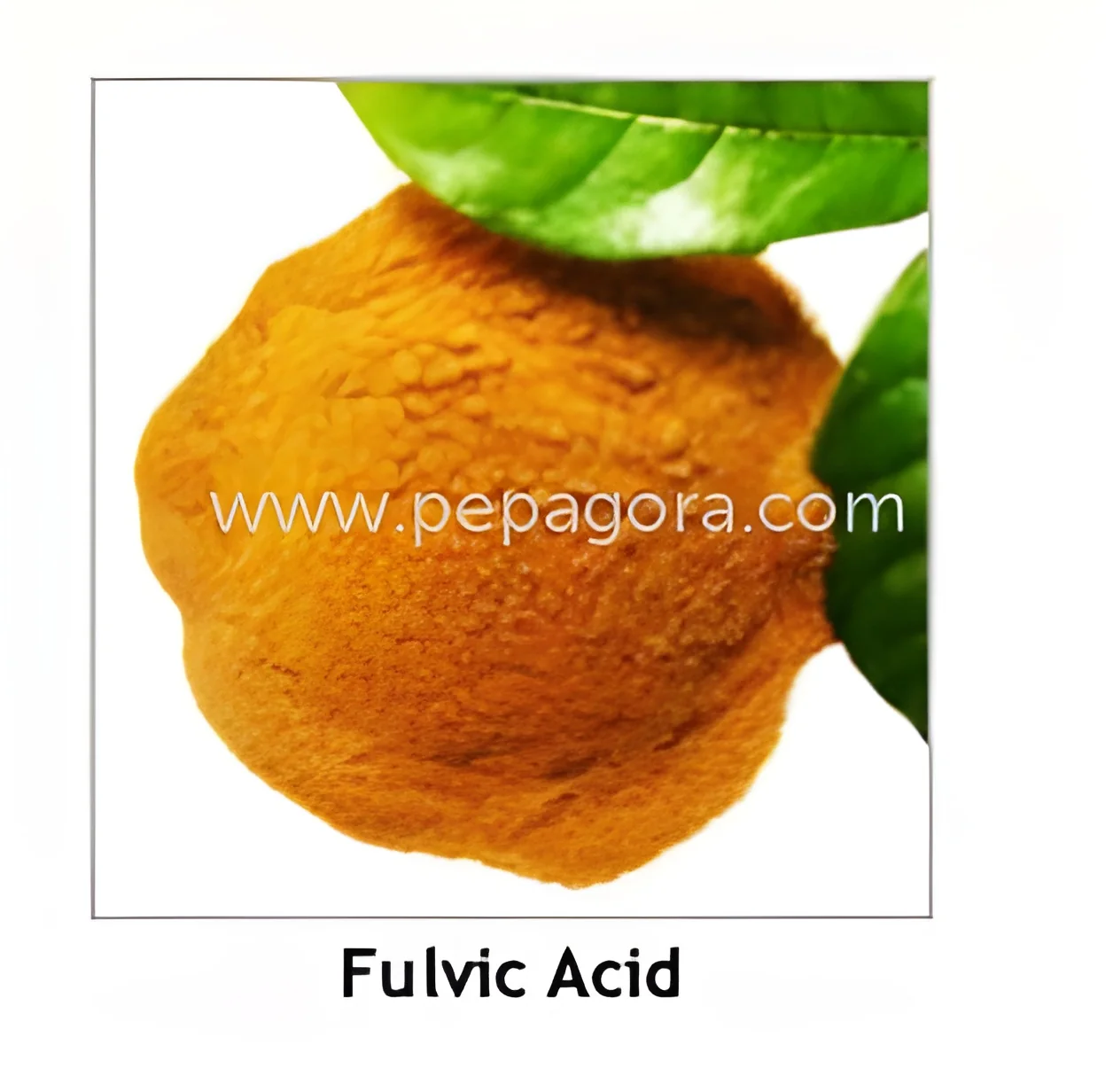
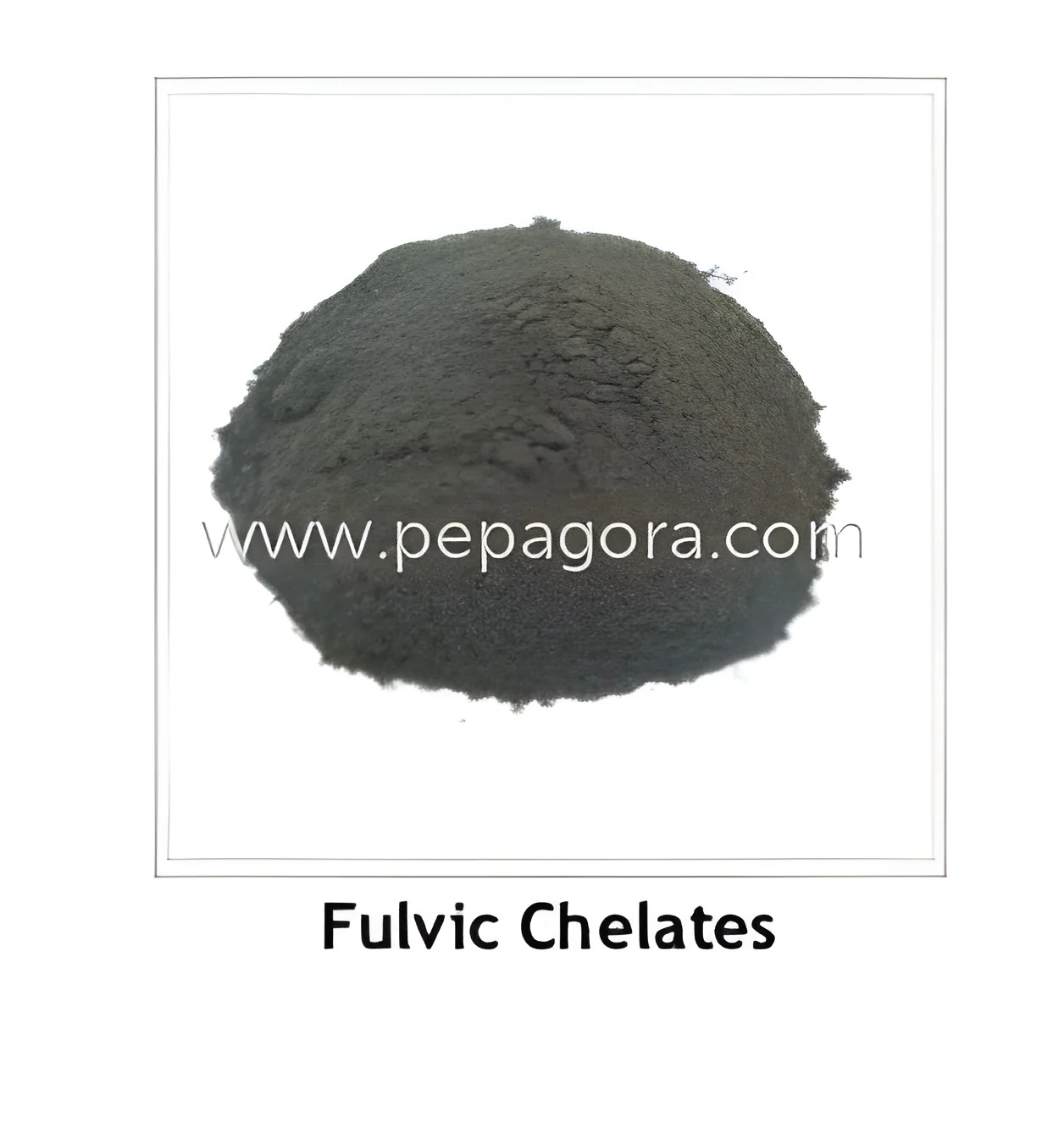
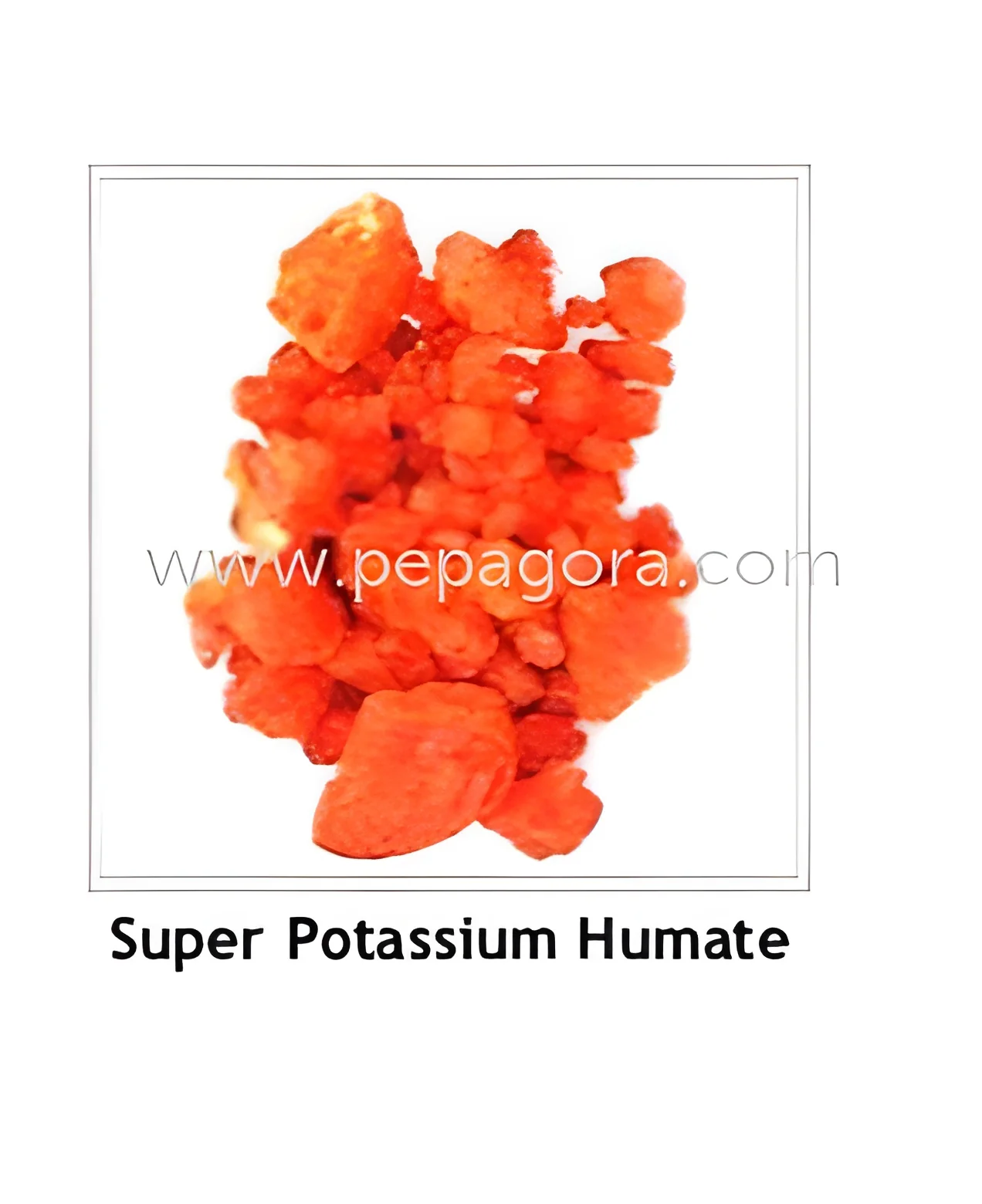
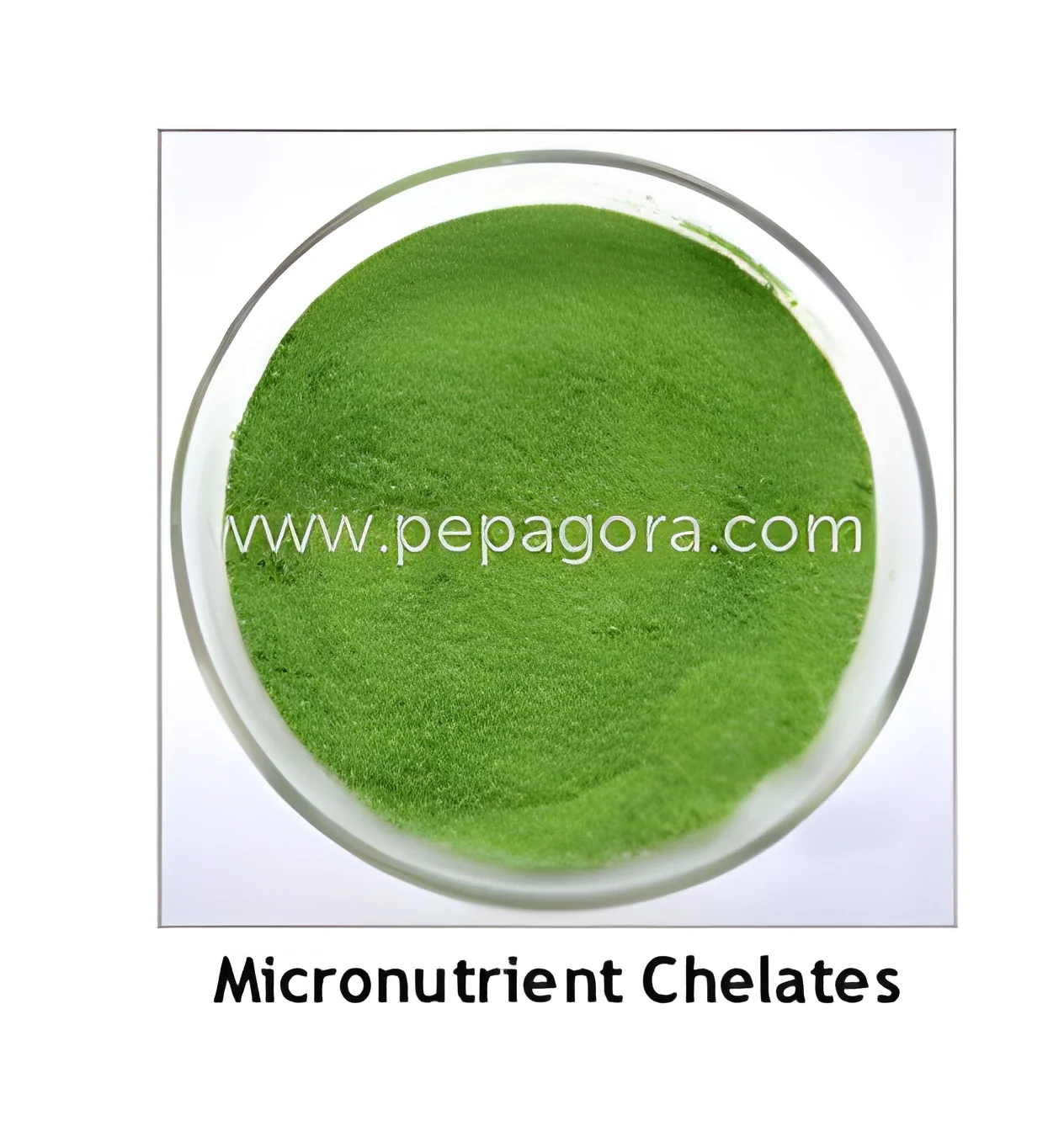
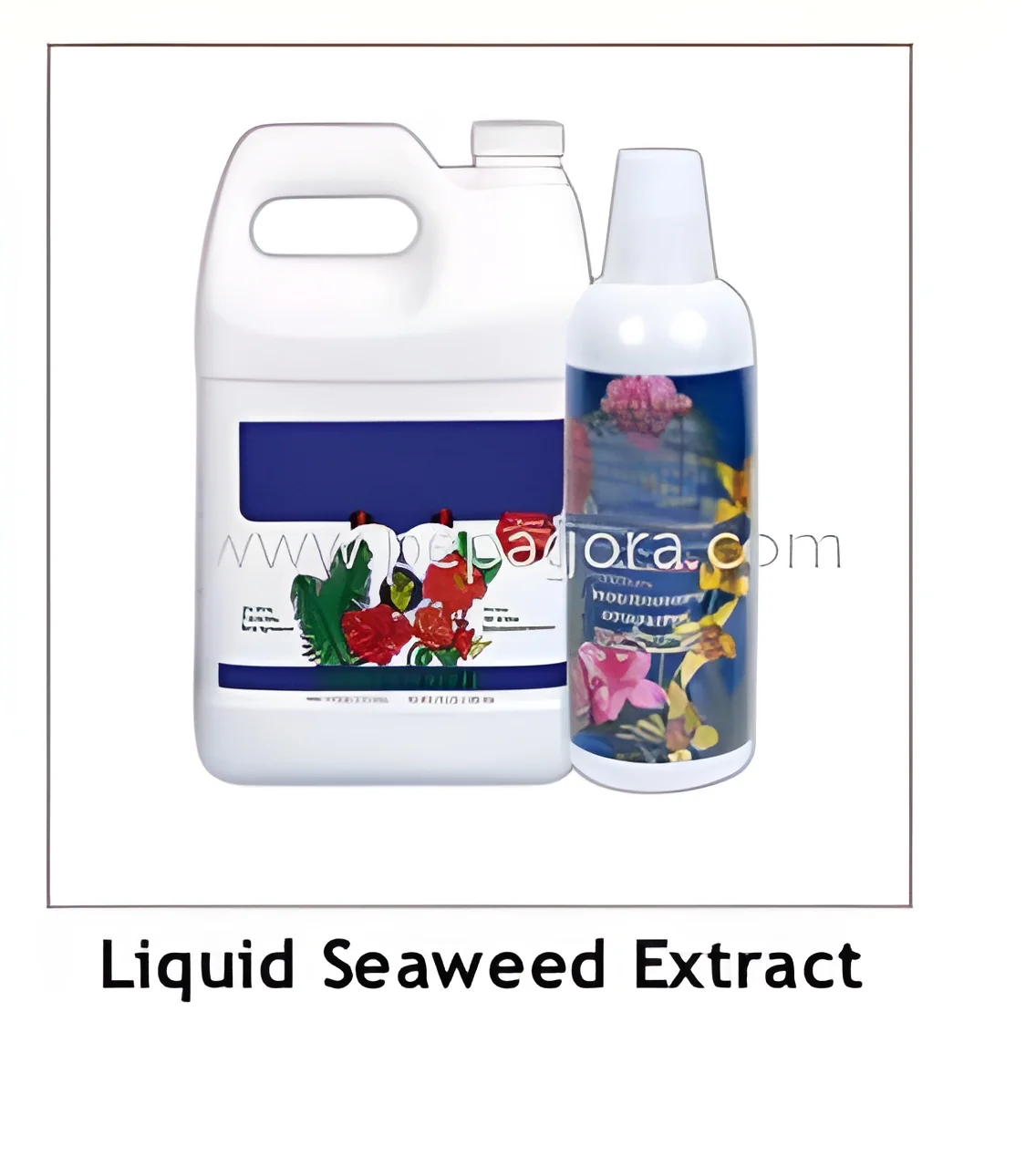
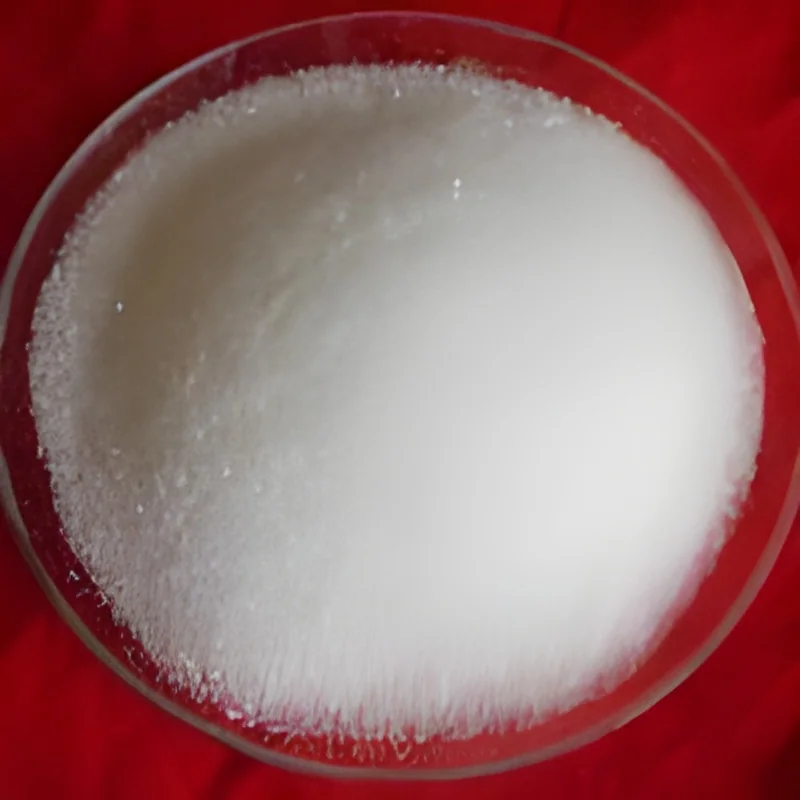
What are Other Fertilizers & Soil Conditioners?
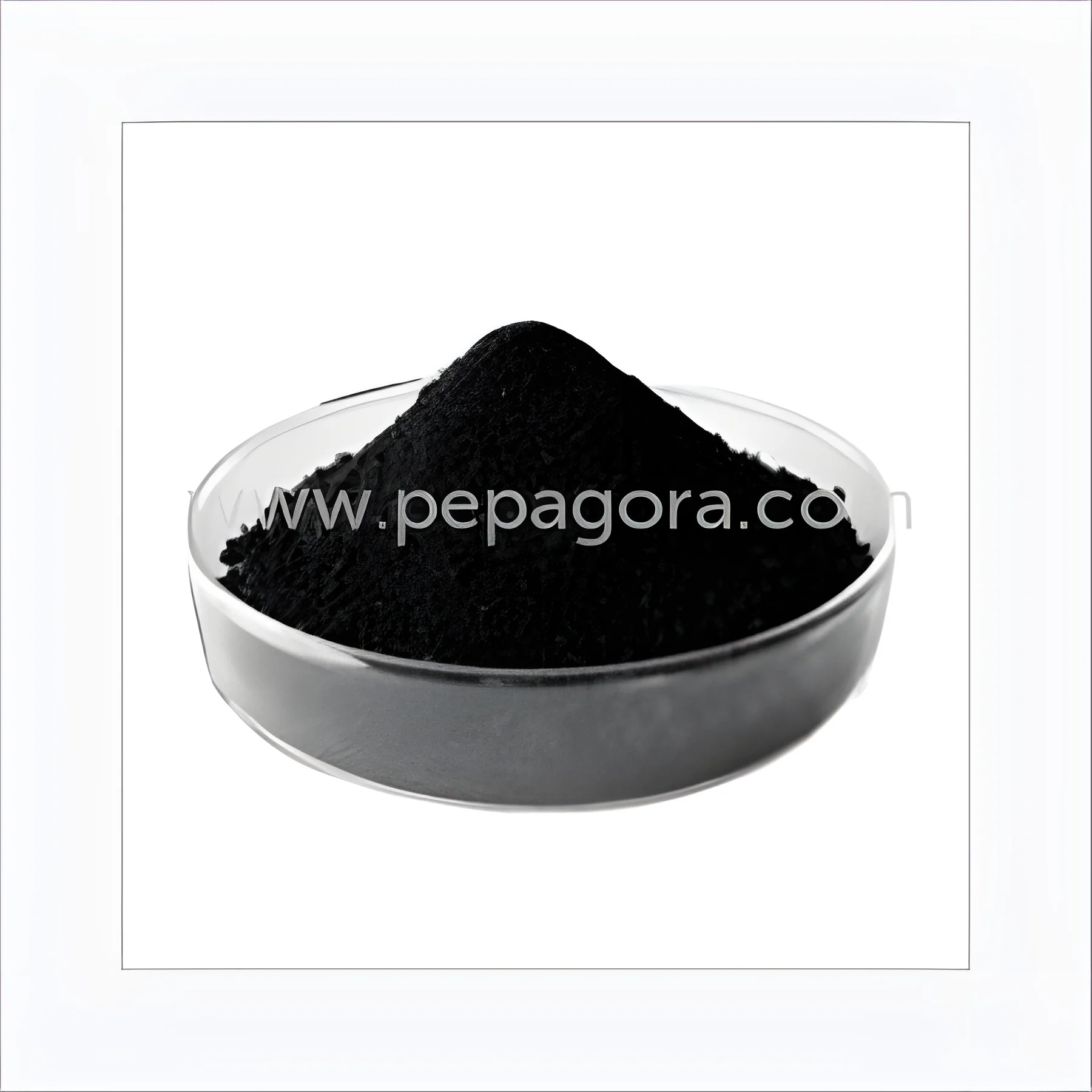
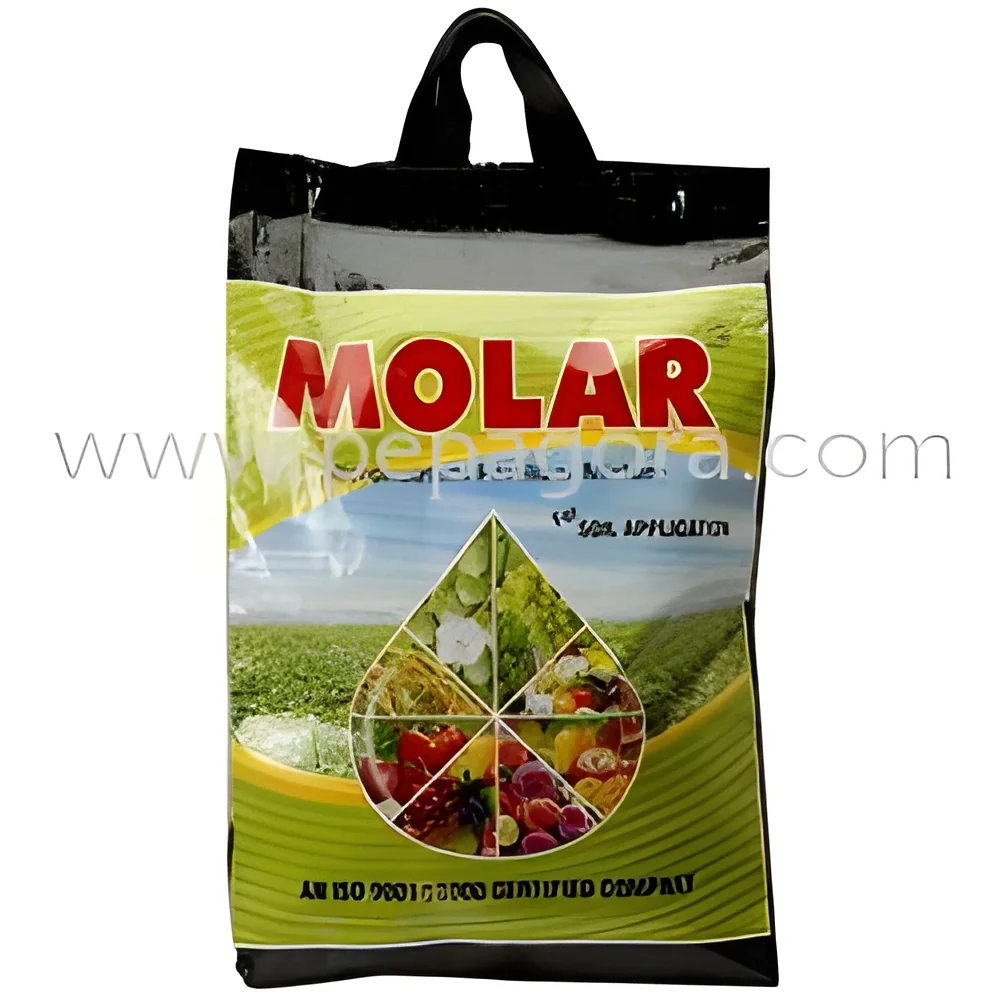
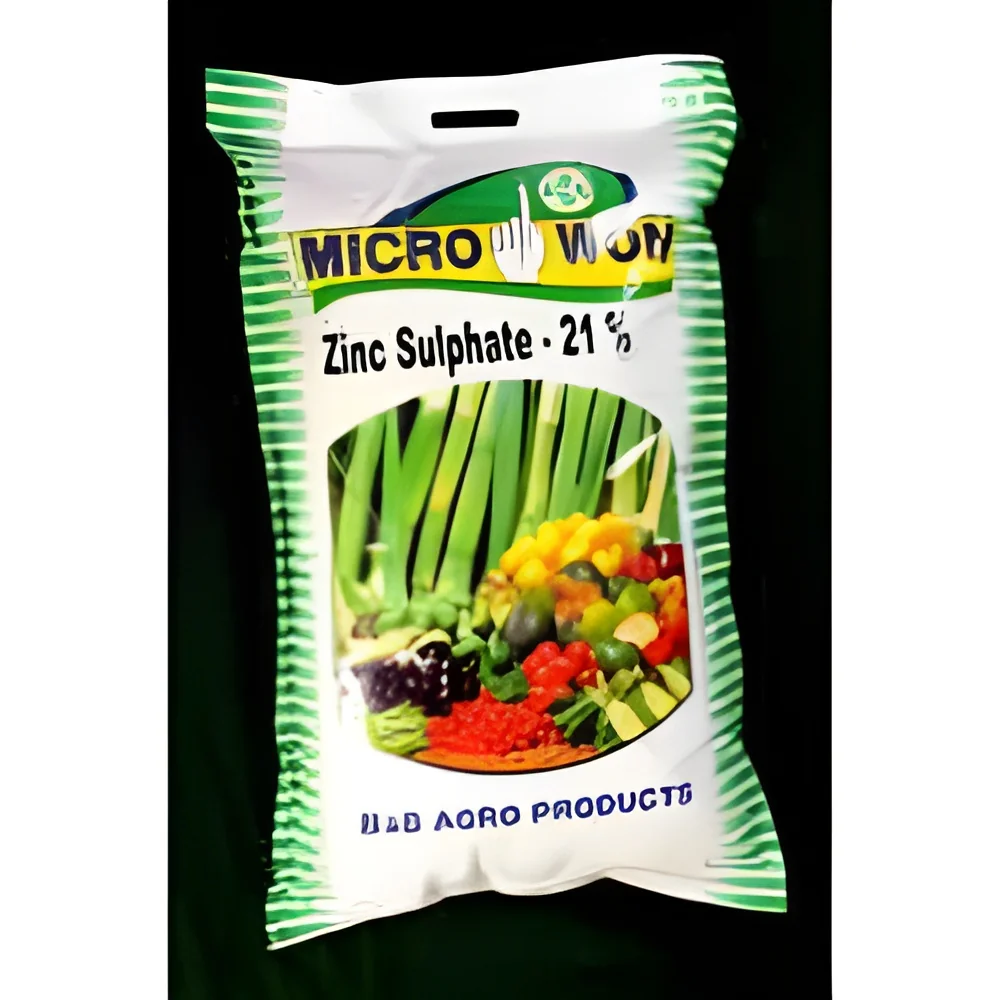
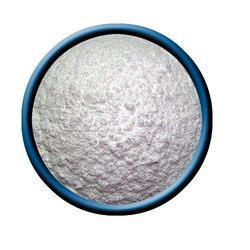
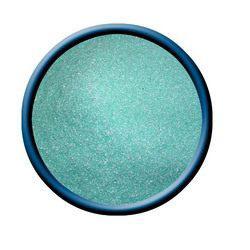
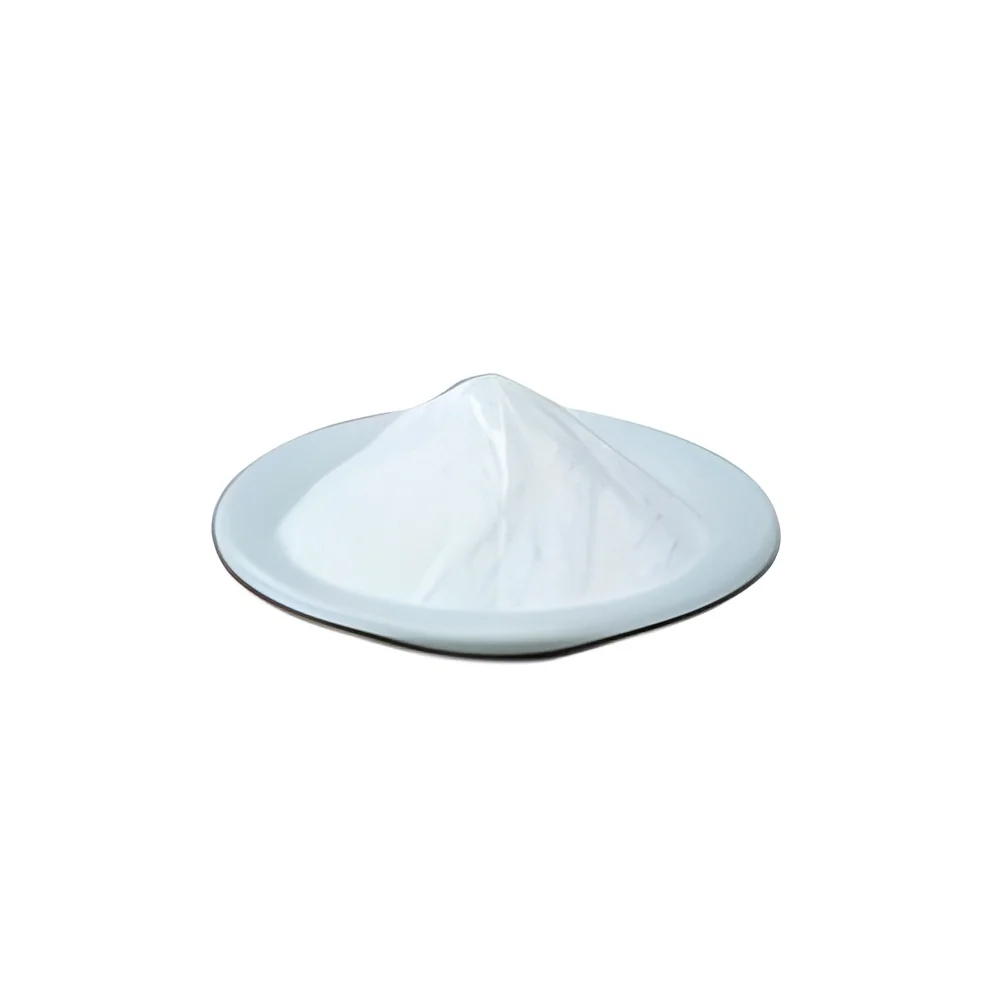
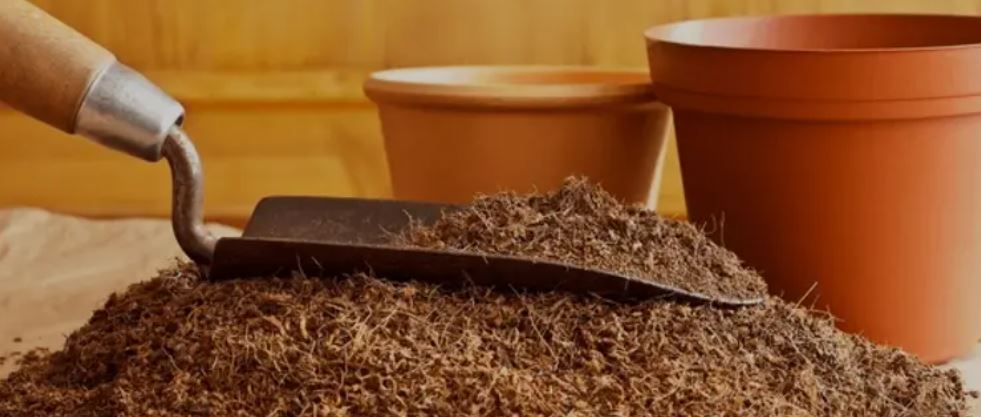
Other fertilizers and soil conditioners encompass a range of products designed to enhance soil quality and plant growth. These products include a variety of organic and synthetic materials that improve soil structure, nutrient availability, and moisture retention. They play a crucial role in agriculture, horticulture, and landscaping, making them essential for ensuring optimal plant health and productivity.
These products are primarily used to enhance soil fertility, improve plant growth, and manage soil moisture levels. Businesses across various sectors, including agriculture, landscaping, and gardening, utilize these fertilizers and conditioners to achieve healthier crops and more sustainable landscapes. By improving soil health, they also contribute to environmental sustainability and the efficient use of resources.
In the current market context, there is an increasing demand for environmentally friendly and sustainable agricultural practices. This trend has driven innovation in the development of other fertilizers and soil conditioners that are both effective and aligned with eco-conscious initiatives. As a result, these products have become an integral part of modern agricultural practices, reflecting the industry's commitment to sustainability and productivity.
Key Features and Specifications
Other fertilizers and soil conditioners come with various features and specifications that cater to specific agricultural needs. Understanding these specifications is crucial for B2B buyers looking to make informed decisions.
Key specifications include:
1. Composition
- The composition may include organic materials, minerals, or synthetic compounds.
- Nutrient ratios can vary widely depending on the intended application.
2. pH Level
- The pH level affects nutrient availability and soil health.
- Typical pH ranges may vary from 5.5 to 7.5, depending on the product.
3. Nutrient Release Rate
- Different products offer varying rates of nutrient release, from immediate to slow-release formulations.
- This can impact the timing and frequency of applications.
4. Moisture Retention Capacity
- Some conditioners are designed to enhance soil's ability to retain moisture.
- This is crucial in regions prone to drought or where water conservation is a priority.
5. Compatibility with Other Products
- Many fertilizers and conditioners can be used in conjunction with other soil amendments.
- Compatibility ensures that they do not adversely affect each other's performance.
6. Application Methods
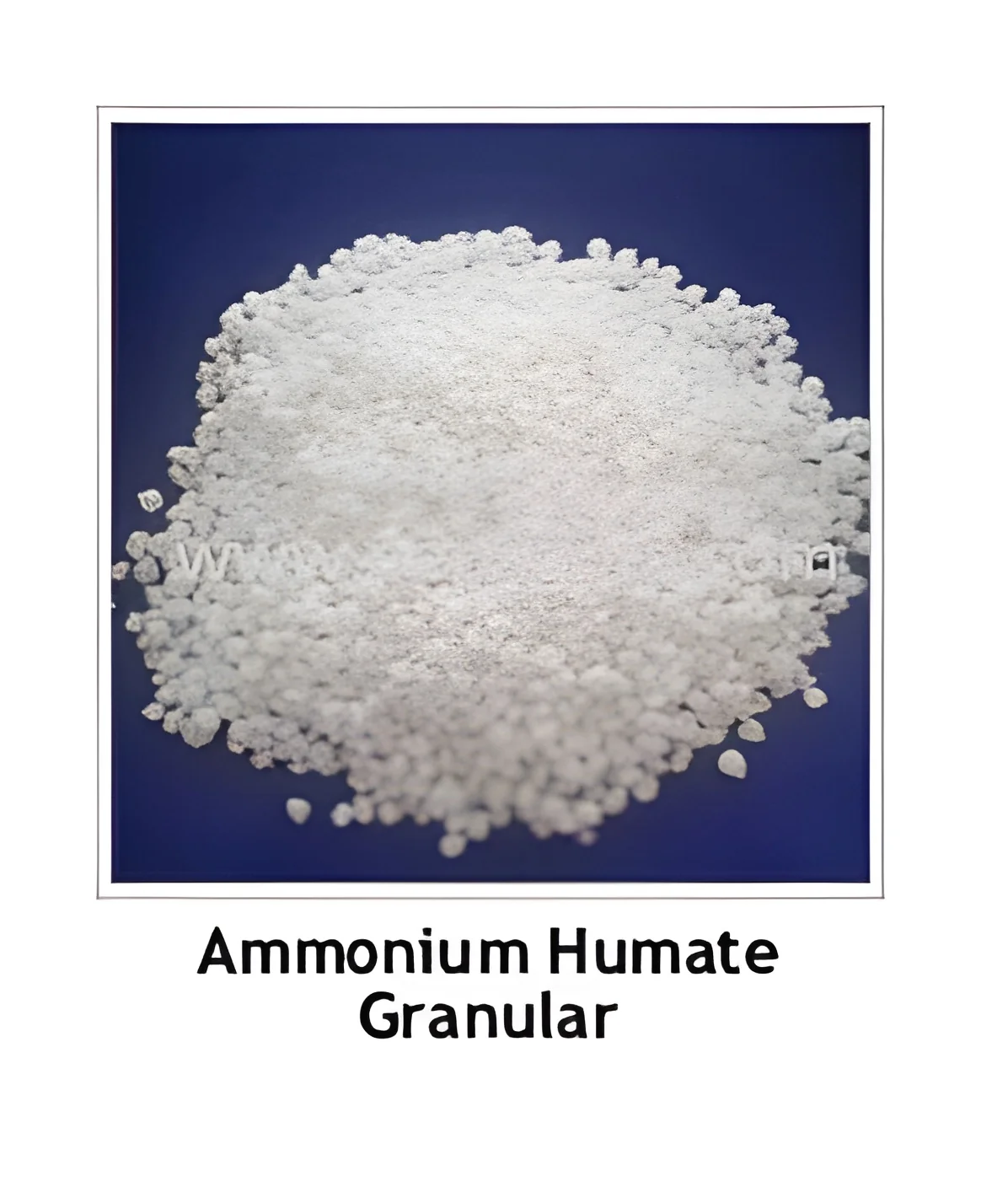
- Products may be available in granular, liquid, or powder forms.
- Each form may require different application techniques and equipment.
7. Shelf Life
- The shelf life can vary based on the composition and storage conditions.
- Proper storage can extend the usability of these products.
8. Environmental Impact
- Many products are formulated to minimize negative environmental impacts.
- Certifications may indicate compliance with eco-friendly standards.
Understanding these specifications helps buyers select the most suitable products for their specific agricultural needs.
Common Applications and Use Cases
Other fertilizers and soil conditioners are versatile products used across various industries.
1. Agriculture: Farmers utilize these products to enhance crop yields and improve soil health. By enriching the soil with essential nutrients, they can achieve better growth and resilience against pests and diseases.
2. Horticulture: Gardeners and landscape professionals apply soil conditioners to improve the quality of garden beds and landscaping projects. This leads to healthier plants and more vibrant flowers.
3. Turf Management: Sports facilities and golf courses use specialized fertilizers and conditioners to maintain lush, green grass. These products help in achieving optimal turf quality and resilience.
4. Greenhouse Production: In controlled environments, fertilizers and conditioners are crucial for managing nutrient levels and soil structure, ensuring that plants receive the right conditions for growth.
5. Organic Farming: Organic growers rely on natural fertilizers and conditioners to meet their soil health needs while adhering to organic farming standards.
6. Erosion Control: Certain soil conditioners are used to improve soil stability and prevent erosion in vulnerable areas, contributing to land conservation efforts.
7. Urban Landscaping: City planners and landscapers use these products to enhance green spaces, parks, and public gardens, benefiting urban environments.
Product Variants and Subcategories
The diversity of other fertilizers and soil conditioners allows for tailored solutions for different agricultural needs.
Organic Fertilizers: These fertilizers are derived from natural sources such as compost, manure, or plant materials. They improve soil health while providing essential nutrients to plants.
Synthetic Fertilizers: Manufactured from chemical compounds, these fertilizers offer precise nutrient ratios and targeted applications for specific crop needs.
Soil Amendments: This category includes products designed to improve soil structure, drainage, and aeration. They are often used in conjunction with fertilizers to achieve optimal soil conditions.
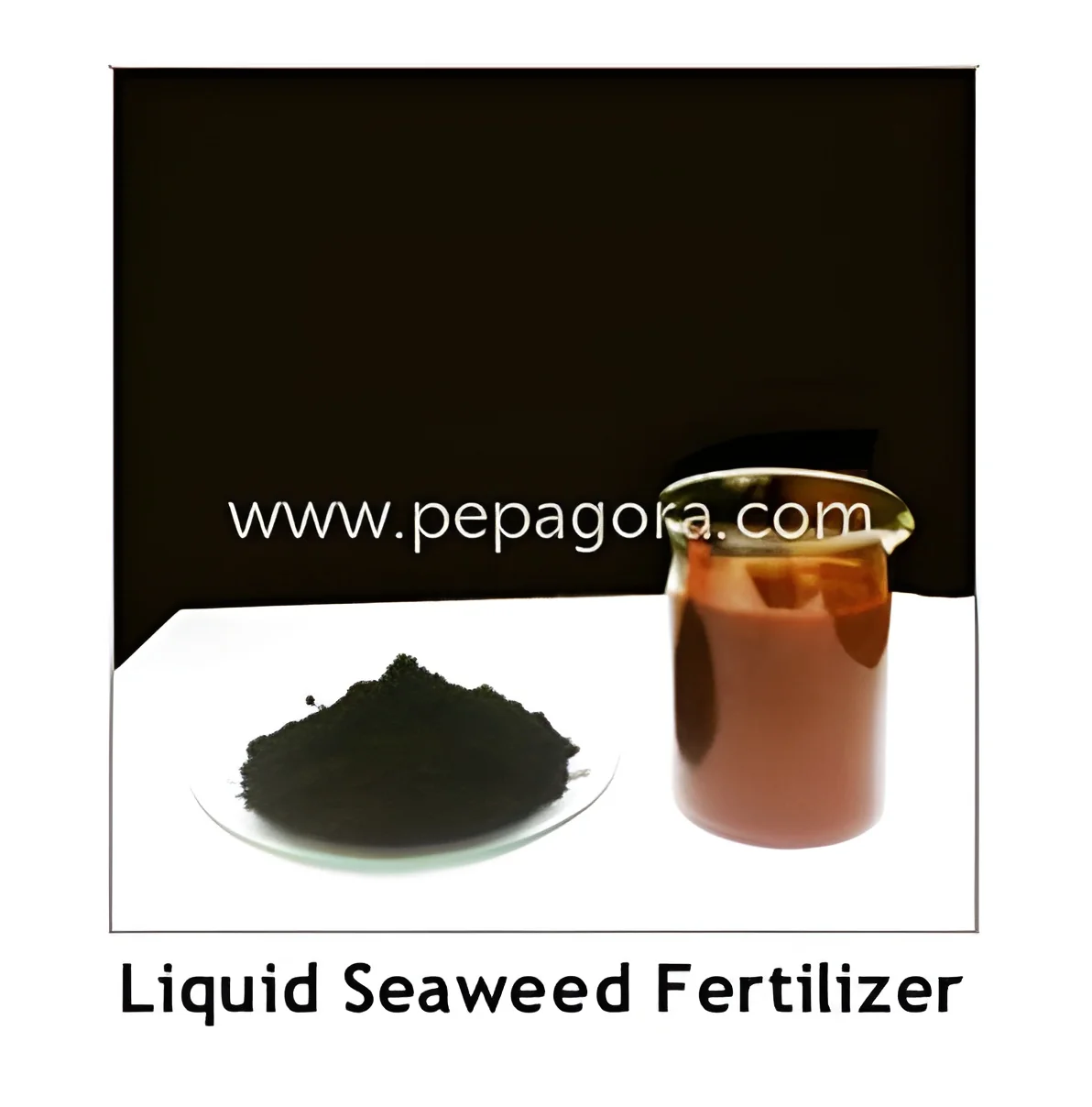
Liquid Fertilizers: These products provide nutrients in a liquid form, allowing for quick absorption by plants. They are often used for foliar feeding and rapid nutrient delivery.
Slow-Release Fertilizers: Formulated to release nutrients over an extended period, these fertilizers reduce the frequency of application and improve nutrient use efficiency.
Benefits and Advantages
Understanding the benefits of other fertilizers and soil conditioners is essential for businesses considering their use.
Key benefits include:
1. Enhanced Soil Fertility: These products improve nutrient availability, leading to healthier plants and higher crop yields.
2. Improved Soil Structure: Soil conditioners enhance the physical properties of soil, improving drainage and aeration.
3. Increased Moisture Retention: Many conditioners help retain moisture, which is vital for plant health, especially in arid regions.
4. Sustainable Practices: Utilizing these products can contribute to sustainable agricultural practices, reducing the need for chemical inputs.
5. Versatility: Other fertilizers and soil conditioners can be applied across various applications, making them suitable for many industries.
6. Cost-Effectiveness: By improving soil health and crop productivity, these products can lead to reduced costs in the long run.
Buying Guide for B2B Buyers
When sourcing other fertilizers and soil conditioners, businesses should consider several factors to ensure they make informed purchasing decisions.
1. Quality Assessment: Evaluate the quality of products based on composition, nutrient content, and manufacturer reputation. Look for certifications that indicate compliance with industry standards.
2. Supplier Verification: Conduct thorough research to verify suppliers' credibility. Check for reviews, references, and their adherence to safety and quality standards.
3. Pricing and MOQ: Understand the pricing structure and minimum order quantities (MOQ) before finalizing purchases. Compare offers from different suppliers to find competitive pricing.
4. Delivery and Lead Times: Consider the logistics involved in delivery. Ensure that suppliers can meet your delivery needs and timelines, especially if you have specific planting schedules.
5. Compliance Requirements: Familiarize yourself with any regulatory requirements that may apply to fertilizers and soil conditioners in your region. Ensure that products meet local compliance standards.
Compliance and Certifications
Compliance and certifications play a crucial role in ensuring the quality and safety of other fertilizers and soil conditioners.
Many products adhere to relevant quality standards such as ISO 9001, which ensures quality management systems are in place. This certification is important for maintaining product consistency and reliability.
Additionally, industry certifications like CE indicate that products meet European safety and environmental standards. This is particularly relevant for businesses exporting or sourcing products within the European market.
Safety and testing requirements are also essential, as they ensure that the fertilizers and conditioners are safe for use and do not pose risks to human health or the environment. Regular testing and adherence to established safety protocols are necessary for compliance.
Furthermore, regional compliance considerations must be taken into account, as different areas may have specific regulations governing the use of fertilizers and soil conditioners. Businesses should stay informed about these regulations to ensure compliance and avoid legal issues.
Why Source Other Fertilizers & Soil Conditioners from Pepagora?
Pepagora provides a trusted platform for sourcing other fertilizers and soil conditioners with several key advantages.
Verified Supplier Network: Pepagora has established a network of verified suppliers, ensuring that businesses can connect with reputable sources. This minimizes the risk associated with sourcing products.
Streamlined RFQ Process: The request for quotation (RFQ) process is designed to be efficient, allowing buyers to request and receive quotes quickly. This helps businesses make informed purchasing decisions without unnecessary delays.
Trade Assurance and Support: Buyers are protected through trade assurance measures, which provide security in transactions. This support builds trust and confidence in the sourcing process.
Regional Coverage: Pepagora's geographic reach extends across India, the GCC, and Southeast Asia. This broad coverage allows businesses to access a diverse range of products and suppliers tailored to their regional needs.

 IN
IN