
 IN
INFertilizers & Soil Conditioners
182 products available
𝗪𝗵𝗮𝘁 𝗮𝗿𝗲 𝗙𝗲𝗿𝘁𝗶𝗹𝗶𝘇𝗲𝗿𝘀 & 𝗦𝗼𝗶𝗹 𝗖𝗼𝗻𝗱𝗶𝘁𝗶𝗼𝗻𝗲𝗿𝘀?
Fertilizers and soil conditioners are essential agricultural products that enhance soil health and promote plant growth. Fertilizers provide essential nutrients, such as nitrogen, phosphorus, and potassium, which are vital for plant development. Soil conditioners, on the other hand, improve soil structure, aeration, and moisture retention, creating an optimal environment for healthy root systems.
These products are widely used in various agricultural sectors, including crop production, horticulture, and landscaping. Businesses in these fields rely on fertilizers and soil conditioners to increase yield, enhance the quality of produce, and improve overall productivity. The increasing global population and the demand for food have stimulated growth in the fertilizers and soil conditioners market, leading to advancements in product formulations and applications.
The relevance of fertilizers and soil conditioners in the agricultural industry is significant, as they directly impact food security and sustainability. With growing environmental concerns, manufacturers are also focusing on eco-friendly options, contributing to market evolution. This dynamic landscape presents numerous opportunities for businesses engaged in agricultural practices to enhance their offerings.
𝗞𝗲𝘆 𝗙𝗲𝗮𝘁𝘂𝗿𝗲𝘀 𝗮𝗻𝗱 𝗦𝗽𝗲𝗰𝗶𝗳𝗶𝗰𝗮𝘁𝗶𝗼𝗻𝘀
Fertilizers and soil conditioners offer a range of features that cater to the diverse needs of agricultural professionals. Understanding these specifications is crucial for selecting the right products for specific applications.
Key specifications include:
1. Nutrient Composition
- This specification details the ratio of primary nutrients (N-P-K).
- Common ranges include 10-10-10 or 20-20-20, depending on the crop needs.
2. Application Rate
- Recommended application rates vary based on crop type and soil condition.
- Typical ranges are from 50 to 200 kg per hectare.
3. Granule Size
- This determines how the product is applied and its effectiveness.
- Sizes can range from fine powders to coarse granules.
4. Solubility
- Indicates how readily the fertilizer dissolves in water.
- Solubility ranges can vary from low to high, affecting nutrient availability.
5. pH Level
- The pH of the product influences soil acidity and nutrient uptake.
- Typical pH levels range from 5.5 to 7.5.
6. Organic Matter Content
- This reflects the percentage of organic materials in soil conditioners.
- Common levels range from 10% to 50%.
7. Release Mechanism
- Fertilizers may feature slow-release or quick-release formulas.
- This affects how nutrients are made available to plants over time.
8. Compatibility with Other Products
- Ensures that the fertilizers and conditioners can be mixed with other agrochemicals.
- Compatibility testing is essential for effective formulations.
In summary, understanding these key features and specifications helps buyers make informed decisions, ensuring they select the right products for their agricultural needs.
𝗖𝗼𝗺𝗺𝗼𝗻 𝗔𝗽𝗽𝗹𝗶𝗰𝗮𝘁𝗶𝗼𝗻𝘀 𝗮𝗻𝗱 𝗨𝘀𝗲 𝗖𝗮𝘀𝗲𝘀
Fertilizers and soil conditioners serve various industries, each with specific applications to enhance productivity.
1. Agriculture: Fertilizers are primarily used in crop production to ensure adequate nutrient supply for optimal growth. Soil conditioners improve soil structure for better water retention and root development.
2. Horticulture: In landscaping and gardening, fertilizers enhance flower and plant growth, while soil conditioners help maintain soil health and moisture levels.
3. Turf Management: Sports fields and golf courses utilize fertilizers for lush, green turf and soil conditioners to enhance drainage and soil aeration.
4. Greenhouses: Controlled environments rely on tailored fertilizers and conditioners to optimize plant growth and improve yields.
5. Organic Farming: Organic fertilizers and natural soil conditioners are used to maintain soil fertility while adhering to organic farming principles.
6. Forestry: Fertilizers support growth in reforestation projects, while soil conditioners help improve soil conditions in forested areas.
7. Aquaculture: Certain fertilizers are utilized in aquaponics systems to provide nutrients to plants while enhancing fish growth.
𝗣𝗿𝗼𝗱𝘂𝗰𝘁 𝗩𝗮𝗿𝗶𝗮𝗻𝘁𝘀 𝗮𝗻𝗱 𝗦𝘂𝗯𝗰𝗮𝘁𝗲𝗴𝗼𝗿𝗶𝗲𝘀
Fertilizers and soil conditioners come in various forms, each designed for specific applications and user preferences.
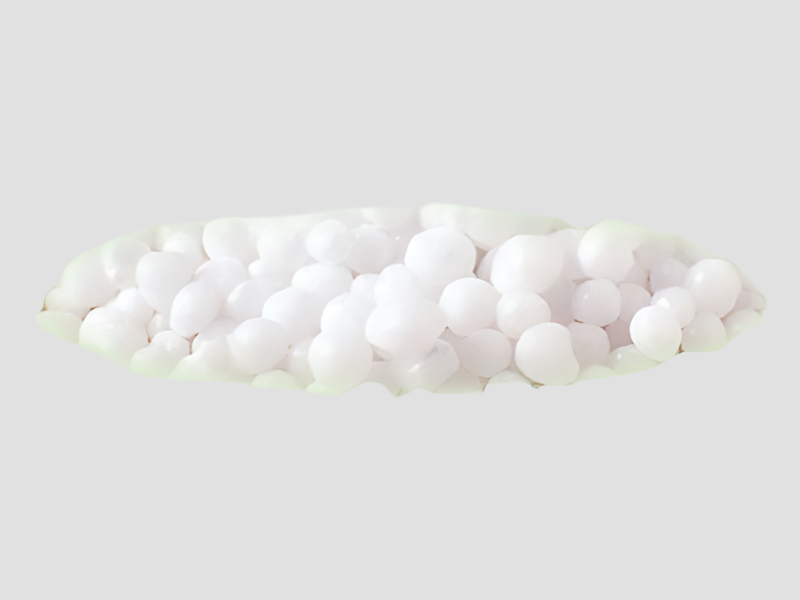
Granular Fertilizers: These solid fertilizers are easy to apply and provide a slow-release of nutrients over time. They are commonly used in agricultural fields for broad application.
Liquid Fertilizers: These are often used in fertigation systems, allowing for precise nutrient delivery directly to the plant roots. They are ideal for greenhouse and hydroponic applications.
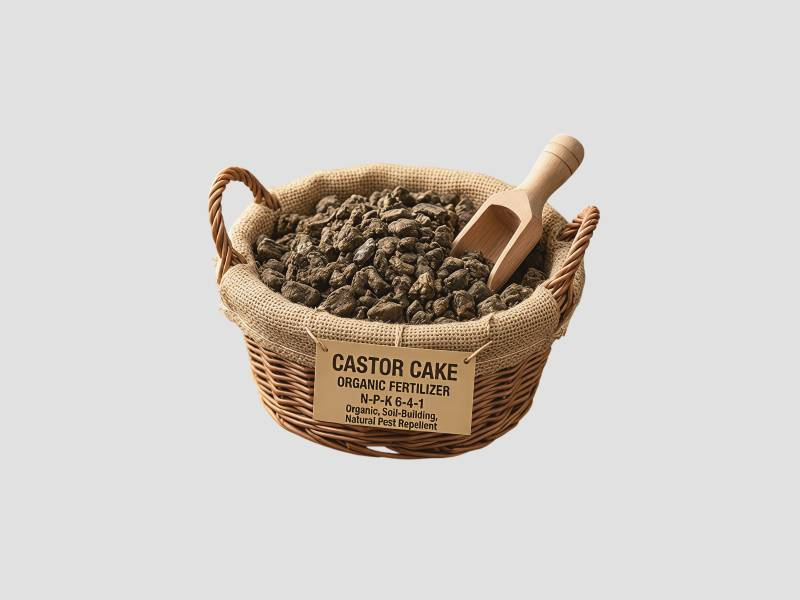
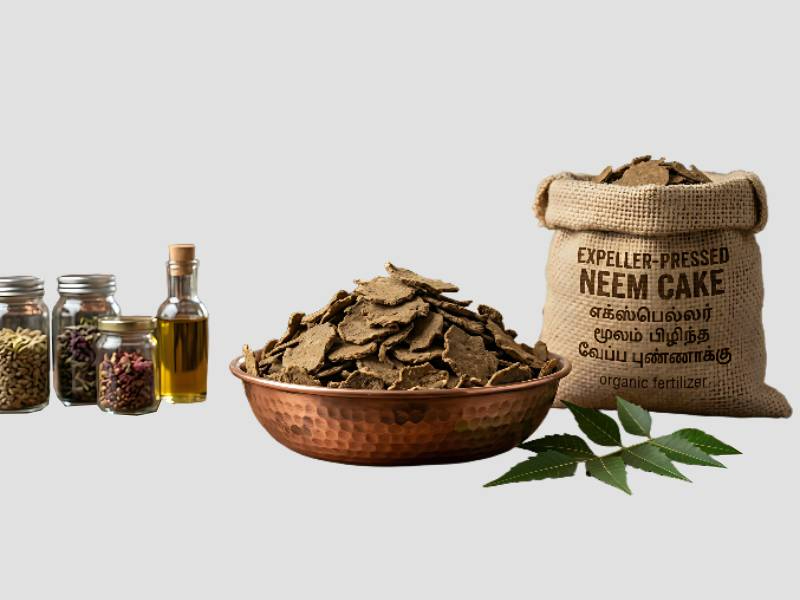
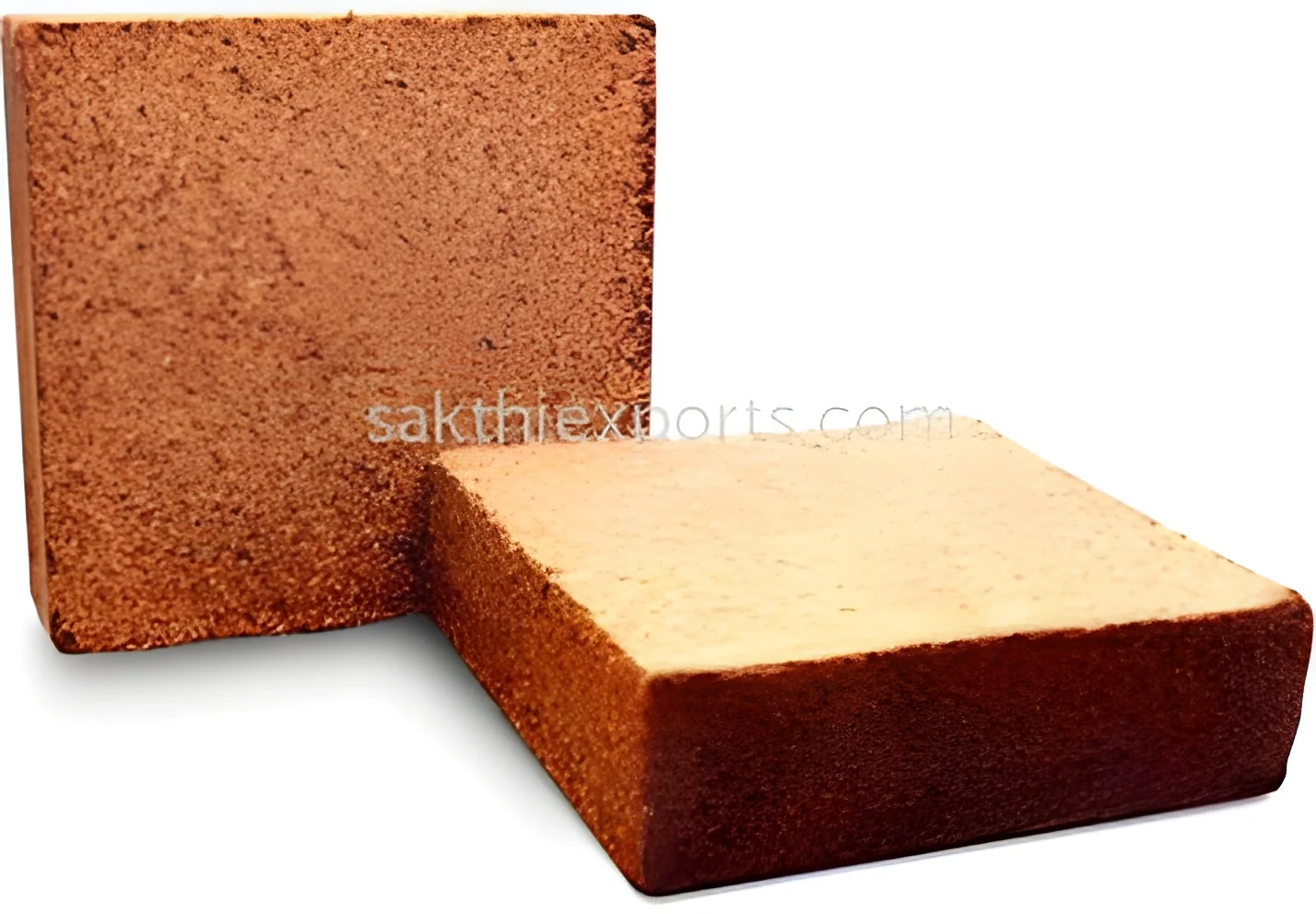
Organic Soil Conditioners: Made from natural materials, these products improve soil structure and enhance microbial activity. They are favored in organic farming practices.
Synthetic Soil Conditioners: These are chemically formulated to provide specific benefits, such as improved soil aeration or moisture retention. They are widely used in conventional agriculture.
Slow-Release Fertilizers: Designed to release nutrients gradually, these fertilizers minimize leaching and provide sustained nutrient availability for crops.
𝗕𝗲𝗻𝗲𝗳𝗶𝘁𝘀 𝗮𝗻𝗱 𝗔𝗱𝘃𝗮𝗻𝘁𝗮𝗴𝗲𝘀
Investing in fertilizers and soil conditioners offers numerous benefits to agricultural professionals and businesses.
1. Improved Crop Yield: Fertilizers enhance nutrient availability, leading to increased crop production and profitability.
2. Enhanced Soil Structure: Soil conditioners improve soil texture, promoting better aeration and drainage for healthier root systems.
3. Nutrient Efficiency: Properly formulated fertilizers optimize nutrient uptake, reducing waste and environmental impact.
4. Customization: Various formulations allow for tailored solutions that meet specific crop and soil needs.
5. Environmental Sustainability: Many products focus on eco-friendly formulations, promoting sustainable farming practices.
6. Cost-Effectiveness: Quality fertilizers and conditioners can lead to long-term savings through improved yields and reduced input costs.
𝗕𝘂𝘆𝗶𝗻𝗴 𝗚𝘂𝗶𝗱𝗲 𝗳𝗼𝗿 𝗕𝟮𝗕 𝗕𝘂𝘆𝗲𝗿𝘀
When sourcing fertilizers and soil conditioners, buyers should consider several key factors to ensure they make informed decisions.
1. Quality Assessment: Look for products that comply with industry standards and have proven efficacy. Conduct soil tests to determine specific nutrient needs.
2. Supplier Verification: Vet suppliers by checking their credentials, certifications, and customer reviews. A reliable supplier ensures product quality and consistency.
3. Pricing and MOQ: Understand the pricing structure and minimum order quantities. Compare costs while considering the quality of the products.
4. Delivery and Lead Times: Evaluate the supplier's logistics capabilities, including delivery schedules and transport options, to ensure timely access to products.
5. Compliance Requirements: Familiarize yourself with local regulations and standards for fertilizers and soil conditioners to ensure compliance with legal requirements.
𝗖𝗼𝗺𝗽𝗹𝗶𝗮𝗻𝗰𝗲 𝗮𝗻𝗱 𝗖𝗲𝗿𝘁𝗶𝗳𝗶𝗰𝗮𝘁𝗶𝗼𝗻𝘀
Fertilizers and soil conditioners are subject to various standards and certifications that ensure product quality and safety.
ISO 9001 is a widely recognized quality management standard that many manufacturers adhere to, ensuring consistent product quality.
HACCP and GDP principles may also apply, particularly in food-related applications, ensuring that products are safe for use in food production.
Industry certifications such as CE demonstrate compliance with European safety standards, providing assurance to buyers regarding product safety and efficacy.
Safety and testing requirements are crucial in the manufacturing process, often involving rigorous quality control measures to ensure that products are free from contaminants.
Regional compliance considerations vary, and it is essential for suppliers to be aware of local regulations governing the use and distribution of fertilizers and soil conditioners.
𝗪𝗵𝘆 𝗦𝗼𝘂𝗿𝗰𝗲 𝗙𝗲𝗿𝘁𝗶𝗹𝗶𝘇𝗲𝗿𝘀 & 𝗦𝗼𝗶𝗹 𝗖𝗼𝗻𝗱𝗶𝘁𝗶𝗼𝗻𝗲𝗿𝘀 𝗳𝗿𝗼𝗺 𝗣𝗲𝗽𝗮𝗴𝗼𝗿𝗮?
Pepagora provides a trusted platform for sourcing fertilizers and soil conditioners, offering several key advantages for B2B buyers.
Verified Supplier Network: Our platform features a network of suppliers who undergo strict verification processes. This ensures that buyers have access to quality products from reputable manufacturers.
Streamlined RFQ Process: Pepagora simplifies the Request for Quotation (RFQ) process, allowing buyers to quickly obtain quotes from multiple suppliers. This efficiency saves time and enhances decision-making.
Trade Assurance and Support: We prioritize buyer protection, offering trade assurance features to ensure that transactions are secure. Our dedicated support team is available to assist with any inquiries or issues that may arise.
Regional Coverage: Pepagora's geographic reach extends across India, the Gulf Cooperation Council (GCC), and Southeast Asia, facilitating connections between buyers and suppliers in these regions. This broad coverage enhances access to a diverse range of fertilizers and soil conditioners tailored to local needs.





Frequently Asked Questions
What are Fertilizers & Soil Conditioners?
Fertilizers & Soil Conditioners are substances that are added to soil or plants to provide essential nutrients and improve soil quality. Fertilizers typically supply nutrients like nitrogen, phosphorus, and potassium, while soil conditioners enhance soil structure, water retention, and aeration.
What are the different types of Fertilizers & Soil Conditioners?
The main types of Fertilizers include organic, inorganic, and slow-release fertilizers. Soil Conditioners may include organic matter, gypsum, and lime, which improve soil health and fertility by enhancing its physical properties.
How do I choose the right Fertilizers & Soil Conditioners?
To choose the right Fertilizers & Soil Conditioners, consider the specific needs of your plants and soil type. Conducting a soil test can help determine nutrient deficiencies, allowing you to select appropriate products that meet those requirements.
What are the standard specifications for Fertilizers & Soil Conditioners?
Standard specifications for Fertilizers & Soil Conditioners typically include nutrient content percentages, physical form (granular, liquid, etc.), and pH levels. Additionally, they may have specific guidelines for application rates and timing for optimal effectiveness.
What is the price range for Fertilizers & Soil Conditioners?
The price range for Fertilizers & Soil Conditioners varies widely based on type, quality, and packaging. Generally, you can expect prices to range from a few hundred to several thousand INR per metric ton, depending on the product specifics.
What quality standards apply to Fertilizers & Soil Conditioners?
Quality standards for Fertilizers & Soil Conditioners are often governed by regulatory bodies, which set guidelines for nutrient content, contaminants, and labeling. Compliance with these standards ensures that the products are safe and effective for agricultural use.
Where can I find Fertilizers & Soil Conditioners suppliers in India?
You can find Fertilizers & Soil Conditioners suppliers in India through online B2B marketplaces like Pepagora, agricultural trade shows, and local agricultural supply stores. Researching and comparing suppliers can help you find reliable sources.
Can Fertilizers & Soil Conditioners be customized?
Yes, Fertilizers & Soil Conditioners can often be customized to meet specific agricultural needs. Many manufacturers offer tailored formulations based on soil tests and particular crop requirements.
What is the typical minimum order quantity for Fertilizers & Soil Conditioners?
The typical minimum order quantity (MOQ) for Fertilizers & Soil Conditioners can vary significantly by supplier, but it often ranges from 500 kg to 1 ton. It's advisable to check with individual suppliers for their specific MOQs.
What is the typical lead time for Fertilizers & Soil Conditioners?
The typical lead time for Fertilizers & Soil Conditioners can vary based on the supplier and product availability, but it generally ranges from 1 to 4 weeks. It's important to confirm lead times when placing an order to ensure timely delivery.
Why Businesses Trust Pepagora
Thousands of companies trust Pepagora to source smarter and sell faster
Expand Your Sales Globally

Source Smarter,Grow Faster
