
 IN
INCompost (Vermi, Municipal, Farm Yard)
2 products available
Key Features and Specifications
Compost offers numerous features that enhance its usability across various applications. Understanding these specifications is essential for B2B buyers to make informed decisions.
Key specifications include:
1. Organic Matter Content
- Typically ranges from 30% to 60%
- High organic matter contributes to soil health
2. Nutrient Composition
- Contains essential nutrients like nitrogen, phosphorus, and potassium
- Nutrient levels vary based on compost type and feedstock
3. pH Level
- Generally falls between 6.0 and 8.0
- A balanced pH is crucial for plant growth
4. Moisture Content
- Ideal moisture levels range from 40% to 60%
- Proper moisture retention helps maintain microbial activity
5. Particle Size
- Varies depending on the type of compost
- Smaller particles enhance soil integration
6. Maturity Level
- Indicates the degree of decomposition
- Mature compost is stable and more beneficial for plants
7. Bulk Density
- Usually between 400 to 800 kg/m3
- Lower density compost is easier to handle and apply
8. Stability Index
- Measured by respiration rates
- A lower rate indicates higher stability, making it suitable for long-term soil enhancement
In summary, these specifications guide buyers in selecting the right type of compost for their specific needs, ensuring optimal results in their applications.
Common Applications and Use Cases
Compost is widely applicable across various industries, enhancing sustainability and productivity.
1. Agriculture: Farmers utilize compost to improve soil fertility, enhance crop yield, and promote sustainable farming practices. It is especially beneficial in organic farming, where chemical fertilizers are avoided.
2. Horticulture: Gardeners and landscapers use compost to enrich garden soil, improve aeration, and retain moisture. It supports the growth of flowers, shrubs, and trees.
3. Waste Management: Municipalities incorporate composting as a method of organic waste reduction, transforming waste into valuable soil amendments while minimizing landfill use.
4. Erosion Control: Compost is used in erosion control projects to stabilize soil and promote plant growth on slopes and disturbed sites.
5. Environmental Restoration: In ecological restoration projects, compost aids in the rehabilitation of degraded lands, improving soil structure and encouraging native plant growth.
6. Green Roofs: Compost serves as a substrate in green roofs, providing nutrients and supporting plant life while managing stormwater.
7. Sports Fields: Groundskeepers apply compost to sports fields to maintain turf health and enhance playability.
Product Variants and Subcategories
Compost is available in various forms, catering to diverse market needs. Each variant has specific features and applications.
Vermicompost
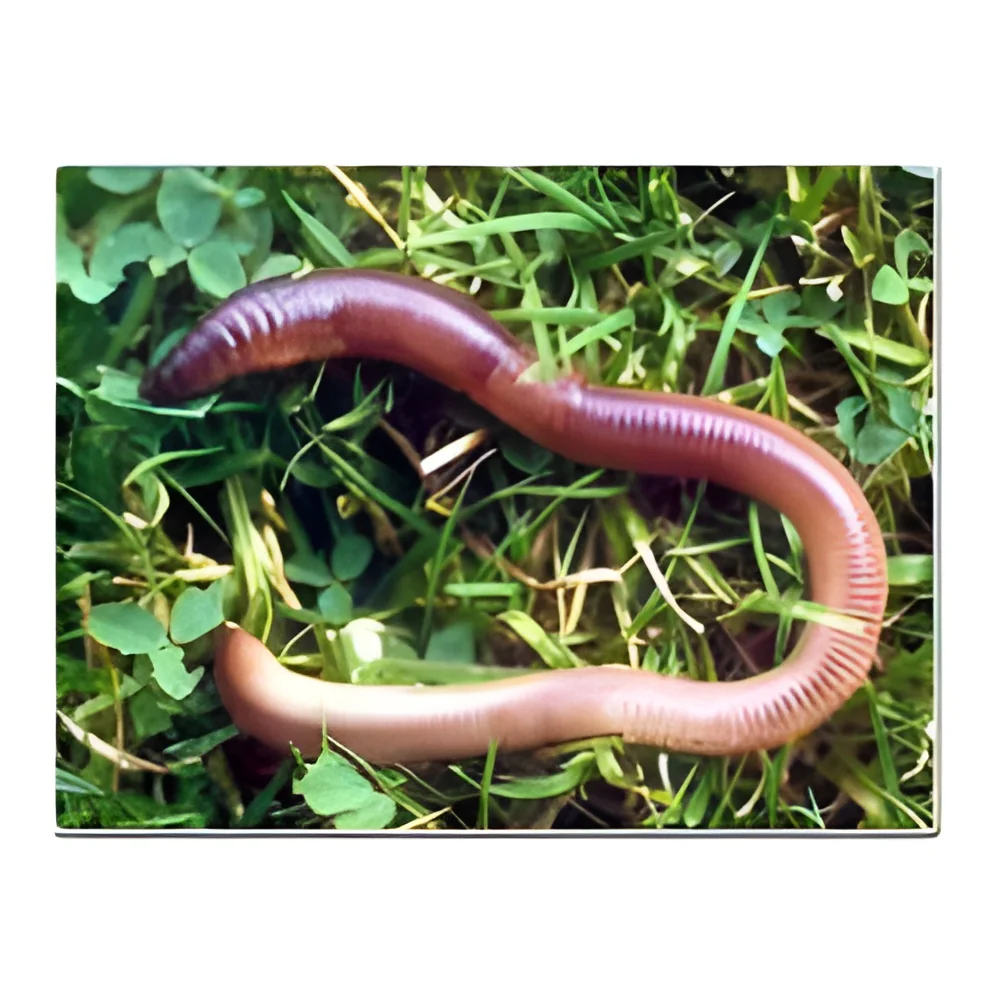
Vermicompost is produced using earthworms, which expedite the decomposition of organic materials. This variant is rich in nutrients, making it ideal for organic farming and gardening. Its fine texture and high microbial content enhance soil structure and fertility.
Municipal Compost
Municipal compost is generated from organic waste collected from urban areas. This type is suitable for large-scale landscaping projects and community gardens. It effectively reduces waste while providing a nutrient-rich amendment for urban soils.
Farm Yard Compost
Farm Yard compost is produced from farm residues and animal manure. It is a robust organic fertilizer, particularly useful in traditional farming practices. This variant improves soil health and crop productivity, making it essential for sustainable agriculture.
Benefits and Advantages
Utilizing compost brings numerous benefits to various sectors, enhancing productivity and sustainability.
1. Soil Enrichment: Compost improves soil quality by adding organic matter, enhancing nutrient availability, and promoting beneficial microbial activity.
2. Waste Reduction: Composting helps divert organic waste from landfills, contributing to a more sustainable waste management system.
3. Cost Savings: By reducing the need for chemical fertilizers, compost can lower overall input costs for farmers and landscapers.
4. Environmental Protection: Compost supports sustainable practices, reducing the environmental impact of agriculture and landscaping.
5. Improved Plant Growth: The nutrients and organic matter in compost promote healthier plant growth, leading to higher yields and better quality produce.
6. Erosion Control: Compost helps stabilize soil, reducing erosion in vulnerable areas and supporting ecosystem health.
Buying Guide for B2B Buyers
When sourcing Compost (Vermi, Municipal, Farm Yard), it is important for buyers to consider several key factors to ensure they choose the right product for their needs.
1. Quality Assessment: Evaluate the quality of compost by checking for organic matter content, nutrient composition, and maturity. High-quality compost will provide the best results for soil enhancement.
2. Supplier Verification: Vet suppliers by reviewing their certifications, reputation, and customer testimonials. This ensures a reliable source of quality compost.
3. Pricing and MOQ: Consider the pricing structure and minimum order quantities (MOQ) offered by suppliers. Competitive pricing can significantly impact your overall project costs.
4. Delivery and Lead Times: Assess the logistics of delivery, including lead times and transportation methods. Timely delivery is crucial for maintaining project schedules.
5. Compliance Requirements: Be aware of any regulatory standards or certifications required in your region, such as CE certification. This ensures that the compost meets industry regulations for safety and quality.
Compliance and Certifications
Compost production is subject to various quality standards and certifications that ensure safety and effectiveness. Compliance with these standards is vital for market acceptance.
ISO 9001 is a recognized standard for quality management systems, ensuring that compost production processes meet consistent quality criteria. Additionally, HACCP (Hazard Analysis and Critical Control Points) is crucial for identifying potential hazards in composting processes, ensuring the safety of the final product.
CE certification indicates that the compost meets European safety and environmental protection standards. This certification is particularly important for products intended for export to European markets.
Proper testing and safety protocols are essential in compost production, including regular assessments of nutrient levels, pathogen presence, and chemical contaminants. Regional compliance considerations may vary, so it is important for suppliers to adhere to local regulations regarding composting practices and product usage.
Why Source Compost (Vermi, Municipal, Farm Yard) from Pepagora?
Pepagora provides a trusted platform for sourcing Compost (Vermi, Municipal, Farm Yard) with several key advantages that enhance the buyer's experience.
Verified Supplier Network: Pepagora ensures that all suppliers are thoroughly vetted, providing buyers with access to high-quality compost from reputable sources. This reduces the risk of purchasing subpar products.
Streamlined RFQ Process: The platform offers an efficient request for quotation (RFQ) system, allowing buyers to quickly compare prices and specifications from multiple suppliers. This simplifies the procurement process and helps secure the best deals.
Trade Assurance and Support: Pepagora provides trade assurance, protecting buyers from potential risks associated with transactions. Dedicated support is available to assist buyers throughout the sourcing process.
Regional Coverage: With a broad geographic reach, Pepagora connects buyers with suppliers across India, the GCC, and Southeast Asia. This extensive network ensures that businesses can find the right compost solutions tailored to their specific needs.

Frequently Asked Questions
What are Compost (Vermi, Municipal, Farm Yard)?
Compost refers to organic matter that has been decomposed and recycled as a fertilizer and soil amendment. The three main types include Vermi compost, which is produced using earthworms, Municipal compost made from city waste, and Farm Yard compost that is derived from farm waste.
What are the different types of Compost (Vermi, Municipal, Farm Yard)?
The different types of compost include Vermi compost, which utilizes earthworms to enhance the decomposition process; Municipal compost, created from organic waste collected from urban areas; and Farm Yard compost, which is made from animal manure and plant materials. Each type has unique properties and applications in agriculture and gardening.
How do I choose the right Compost (Vermi, Municipal, Farm Yard)?
Choosing the right compost involves considering the specific needs of your plants and soil. Factors such as nutrient content, moisture retention, and compatibility with your gardening practices should guide your decision.
What are the standard specifications for Compost (Vermi, Municipal, Farm Yard)?
Standard specifications for compost typically include parameters such as pH level, moisture content, organic matter content, and the presence of essential nutrients like nitrogen, phosphorus, and potassium. It's important to check these specifications to ensure the compost meets your agricultural requirements.
What is the price range for Compost (Vermi, Municipal, Farm Yard)?
The price of compost can vary widely based on type and quality, typically ranging from INR 500 to INR 3000 per ton. Factors influencing price include sourcing, production methods, and transportation costs.
What quality standards apply to Compost (Vermi, Municipal, Farm Yard)?
Quality standards for composting may include adherence to regulations set by agricultural and environmental authorities. Important criteria include the absence of pathogens, heavy metals, and contaminants, as well as meeting specific nutrient content requirements.
Where can I find Compost (Vermi, Municipal, Farm Yard) suppliers in India?
You can find suppliers of compost in India through various channels including online B2B marketplaces, agricultural supply stores, and local farmers' cooperatives. Platforms like Pepagora.com can connect you with reputable manufacturers and suppliers.
Can Compost (Vermi, Municipal, Farm Yard) be customized?
Yes, compost can often be customized based on specific agricultural needs or soil conditions. Suppliers may offer tailored blends that include additional nutrients or amendments to suit particular crops or soil types.
What is the typical minimum order quantity for Compost (Vermi, Municipal, Farm Yard)?
The typical minimum order quantity (MOQ) for compost can vary by supplier but generally ranges from 1 ton to several tons, depending on the supplier's capabilities and production scale.
What is the typical lead time for Compost (Vermi, Municipal, Farm Yard)?
The lead time for compost delivery usually ranges from 1 to 4 weeks, depending on the supplier's production capacity, stock availability, and logistical arrangements. It is advisable to confirm the lead time with the supplier prior to placing an order.
Why Businesses Trust Pepagora
Thousands of companies trust Pepagora to source smarter and sell faster
Expand Your Sales Globally

Source Smarter,Grow Faster
