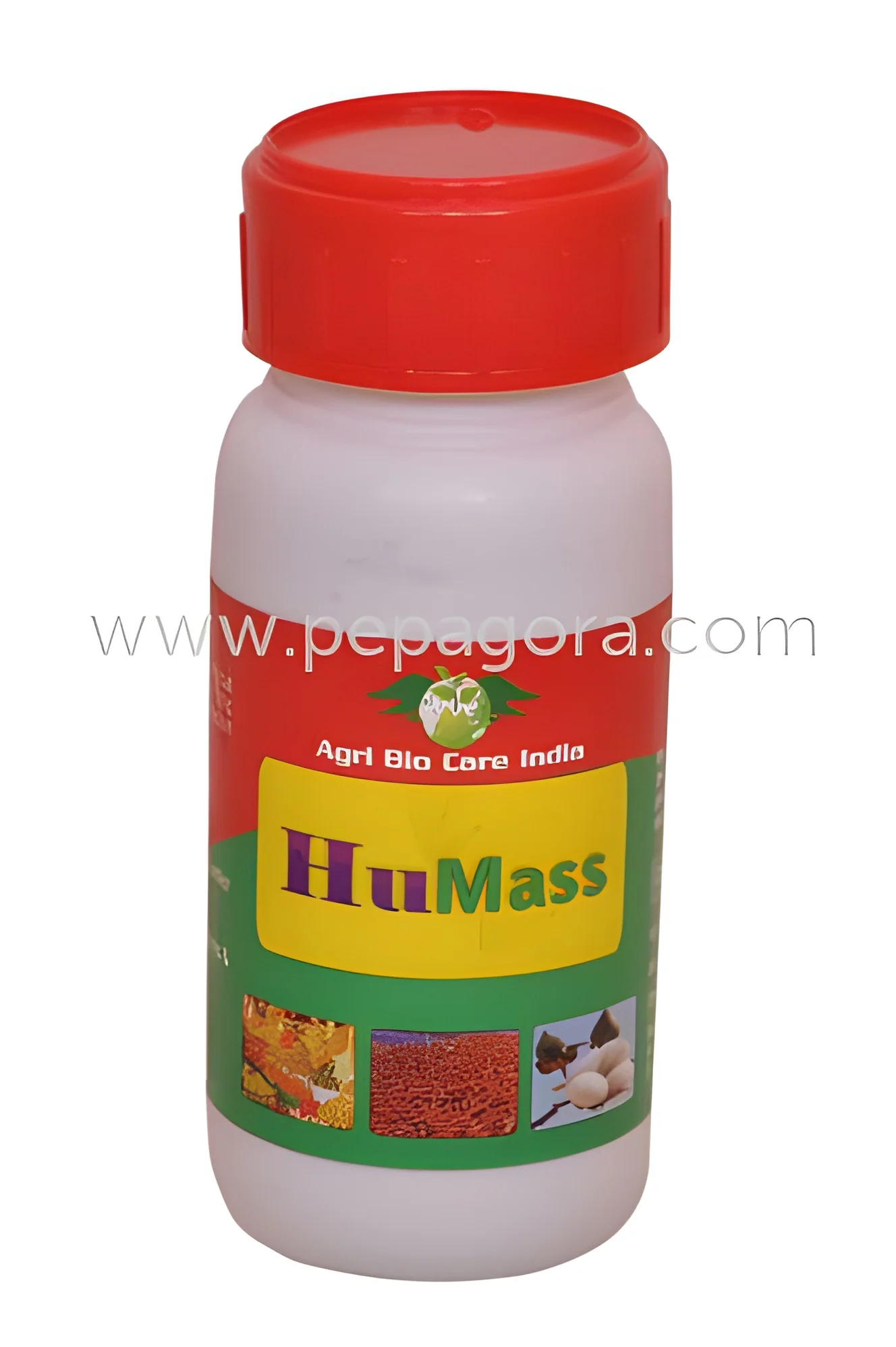
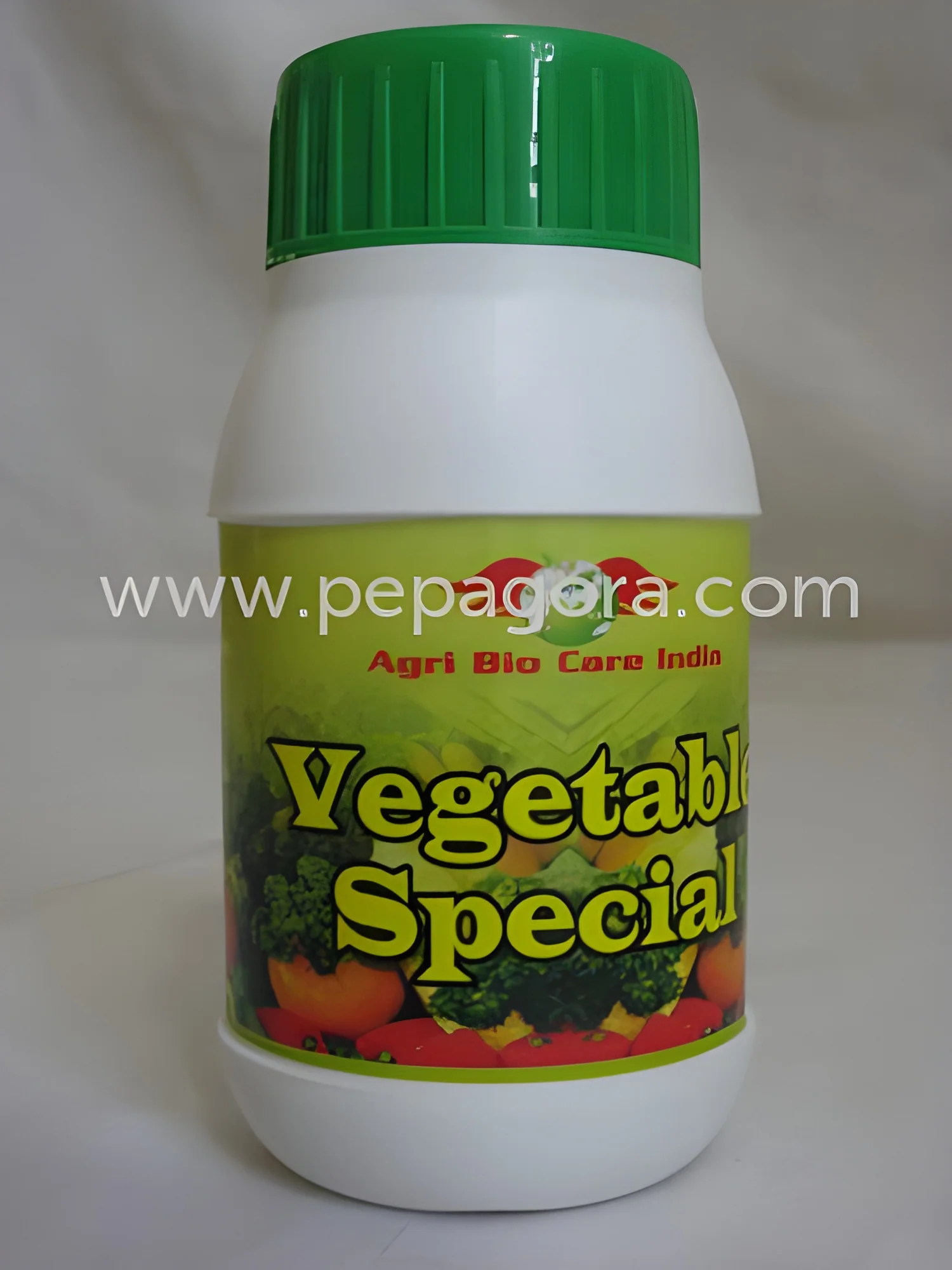
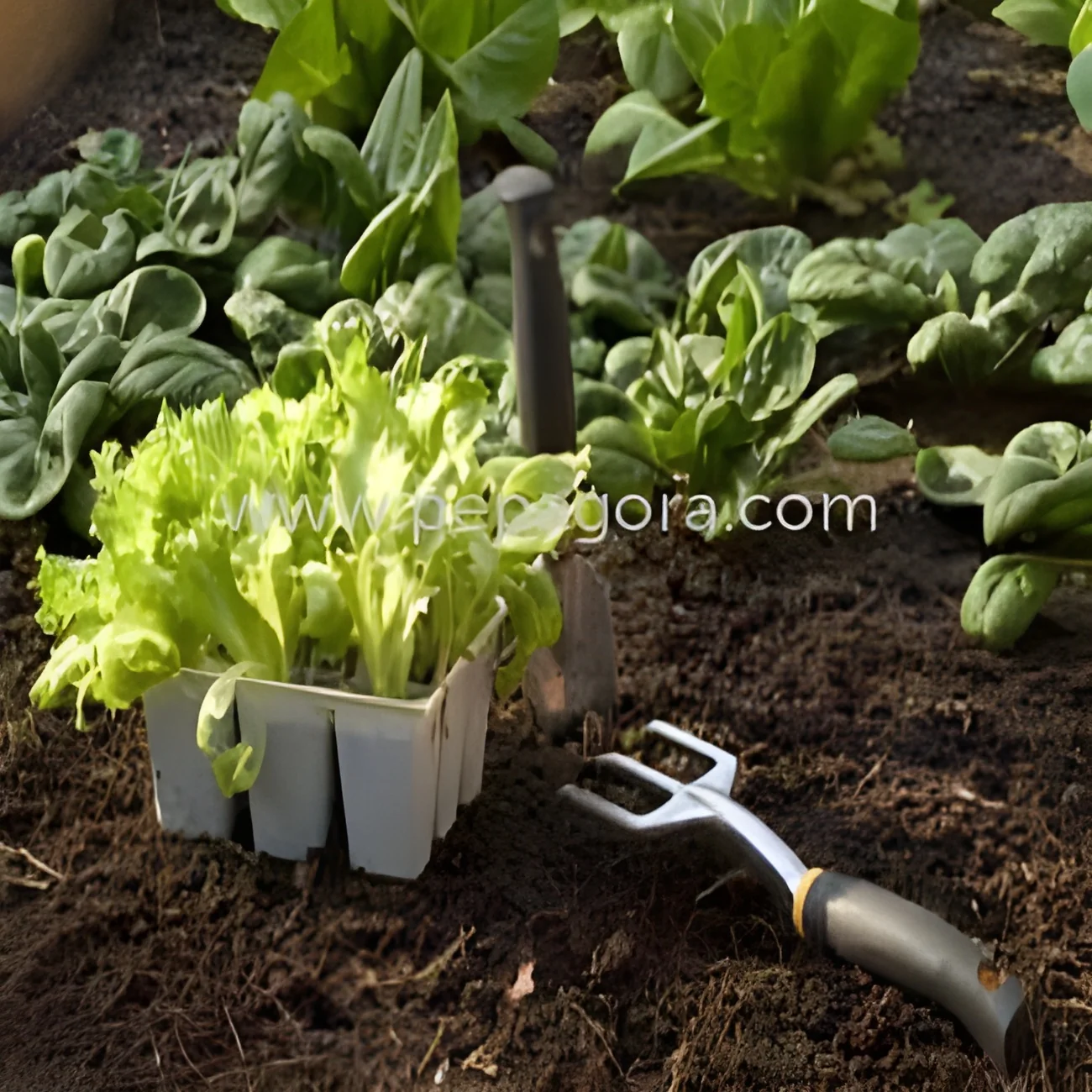
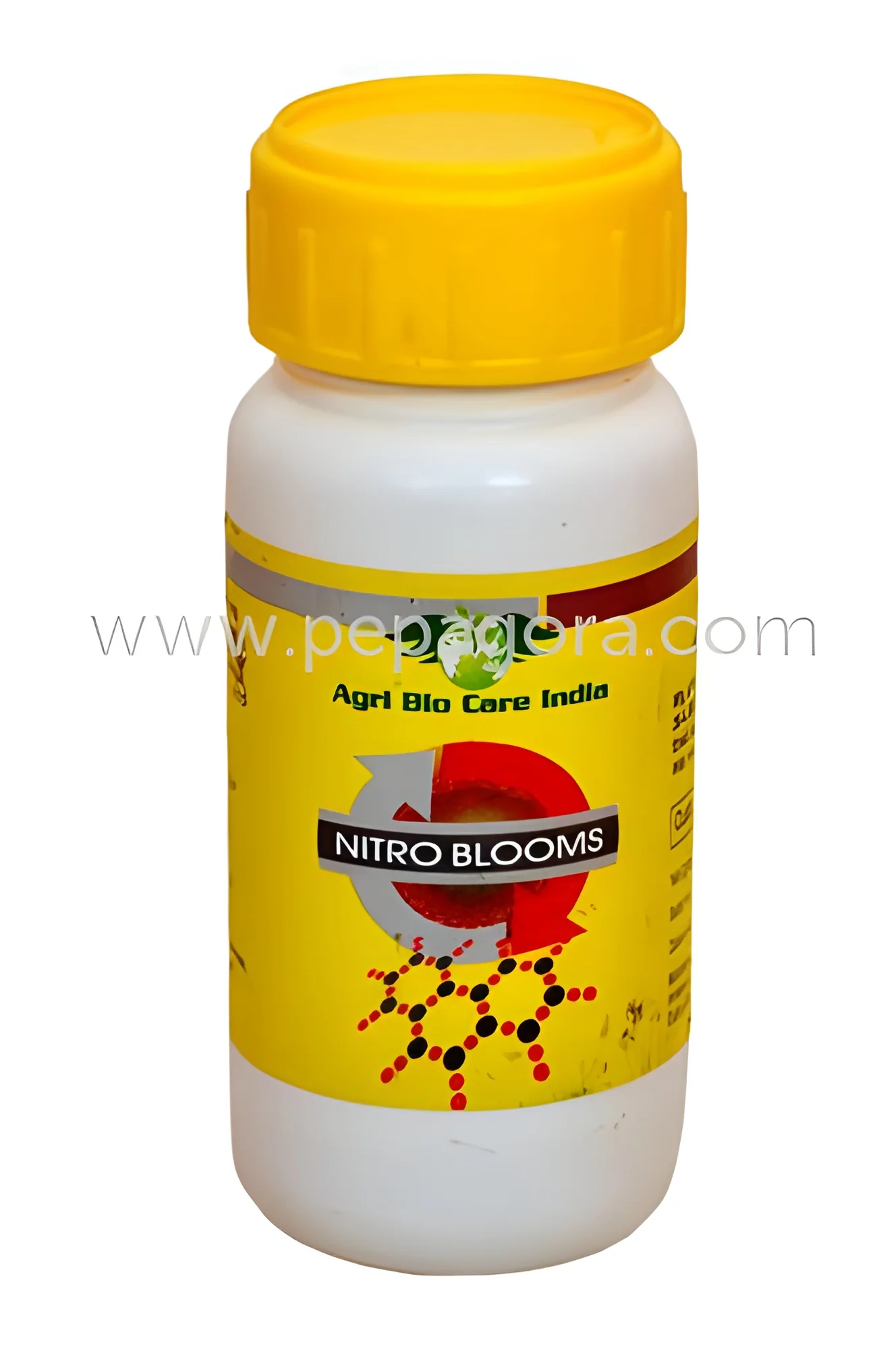
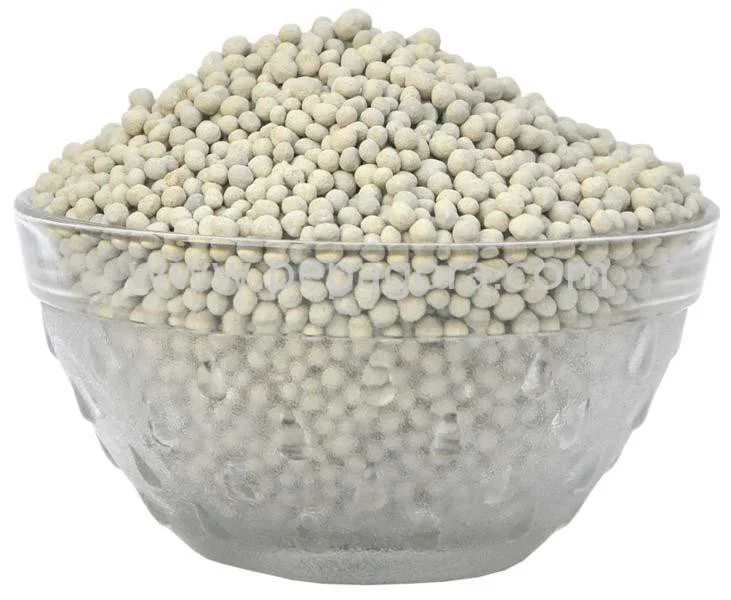
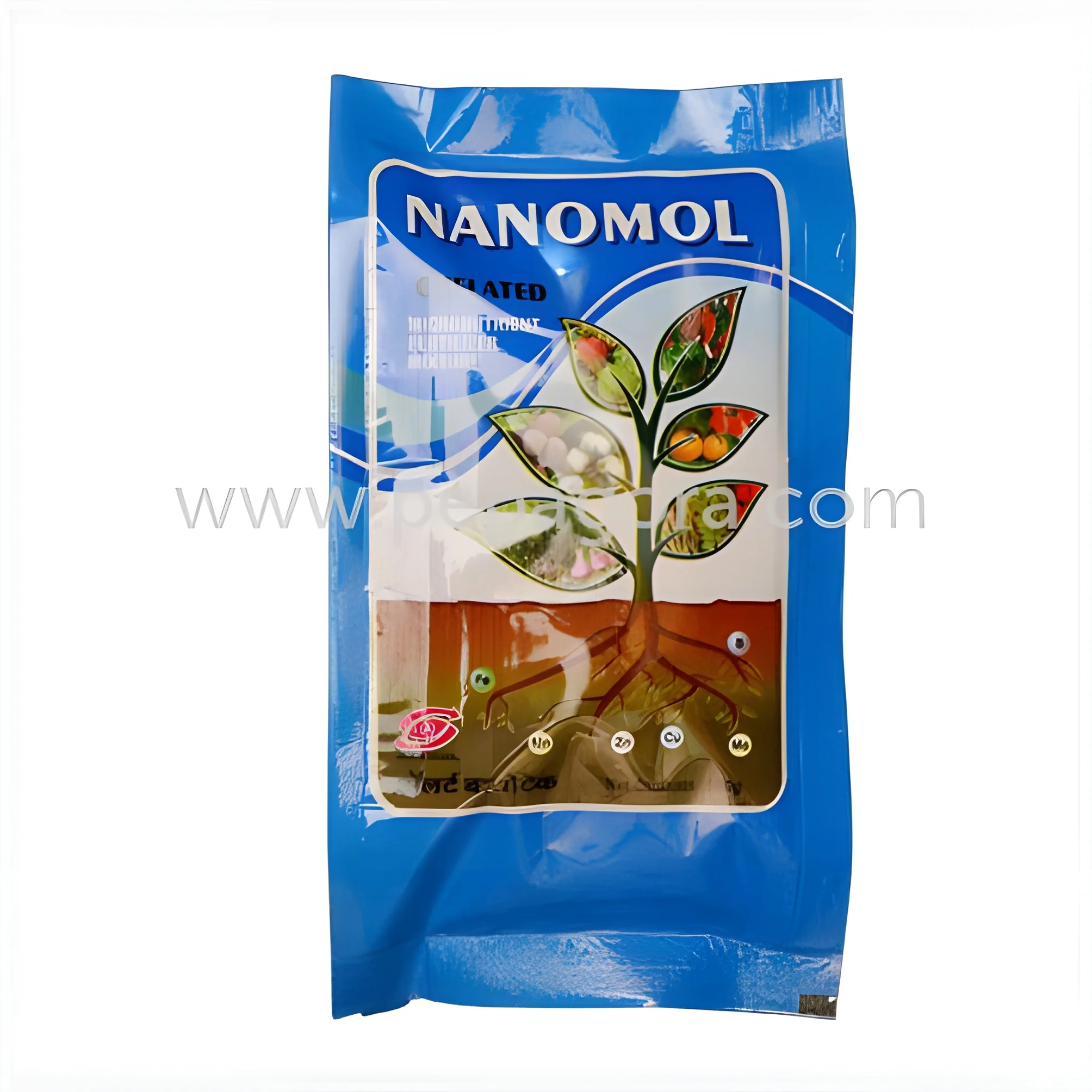
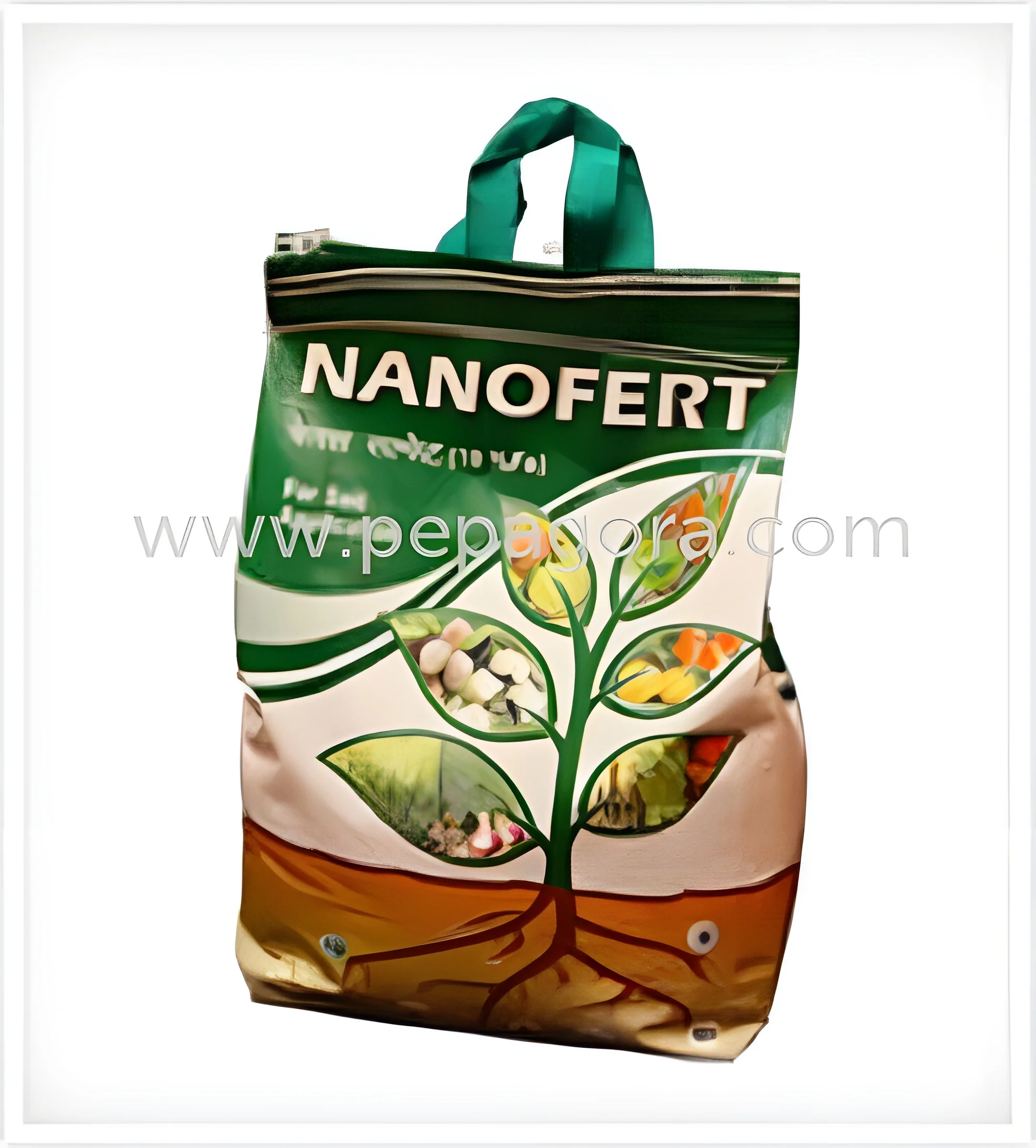
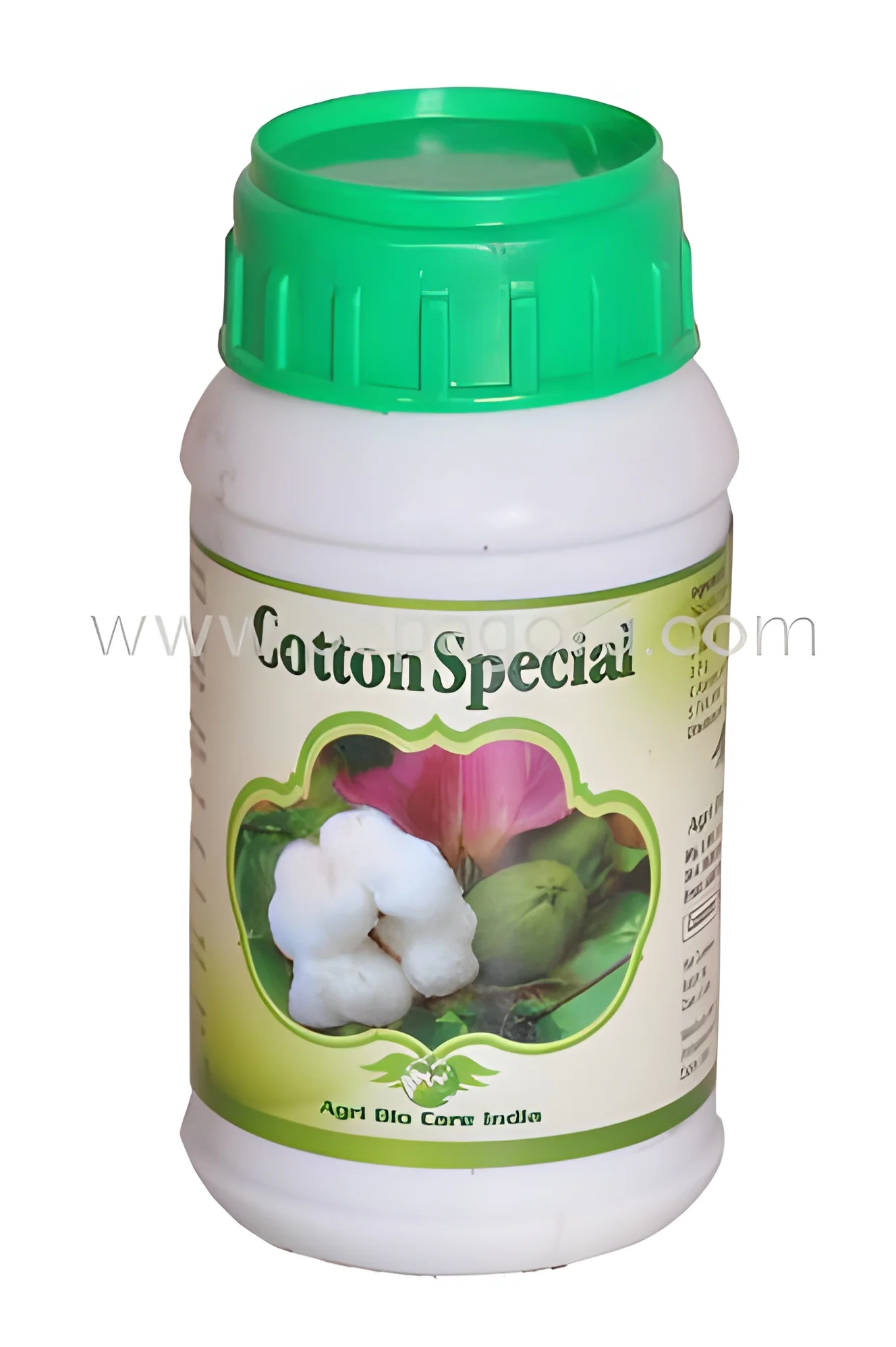
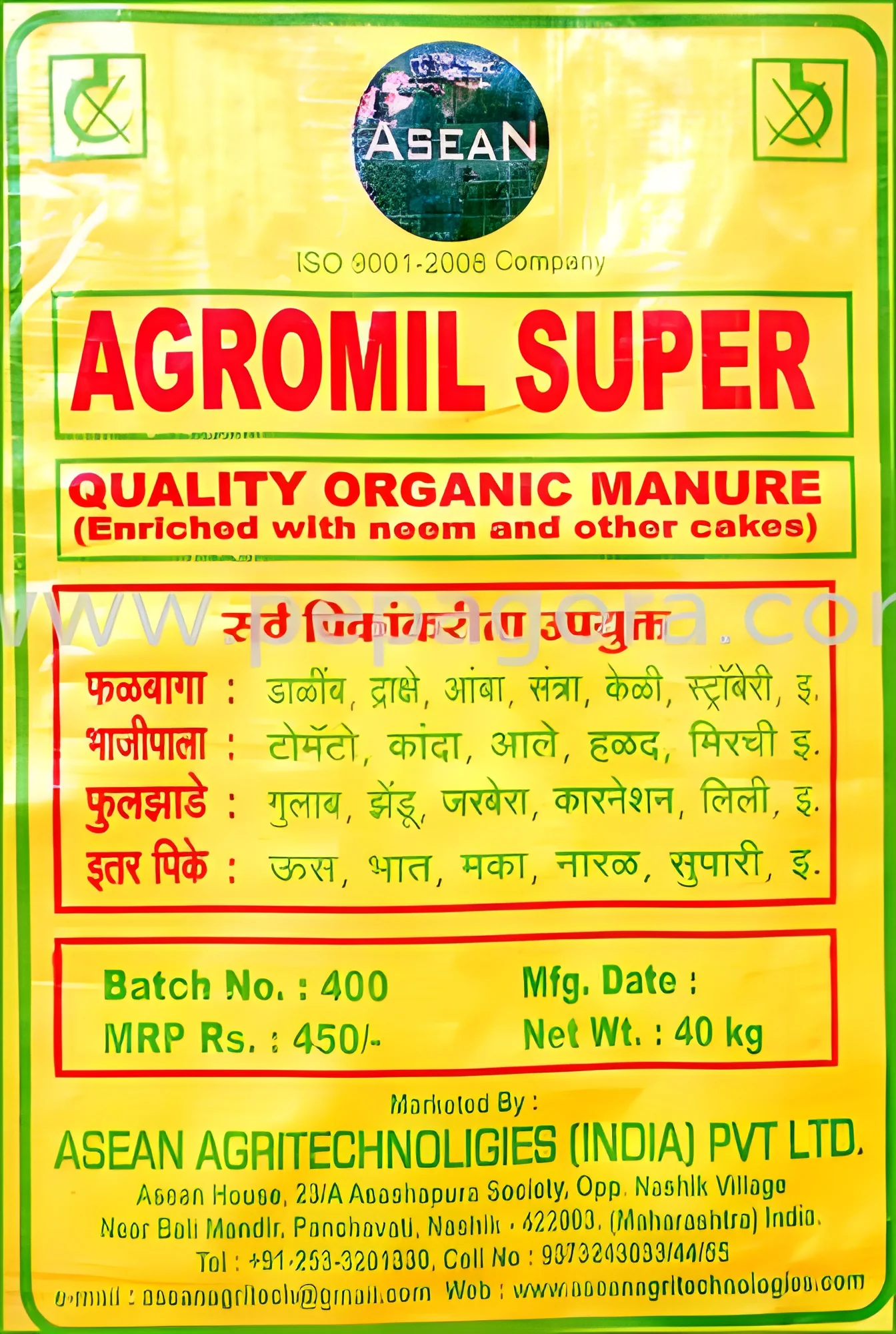
What are Organic Manure (Cow Dung, Poultry Litter)?
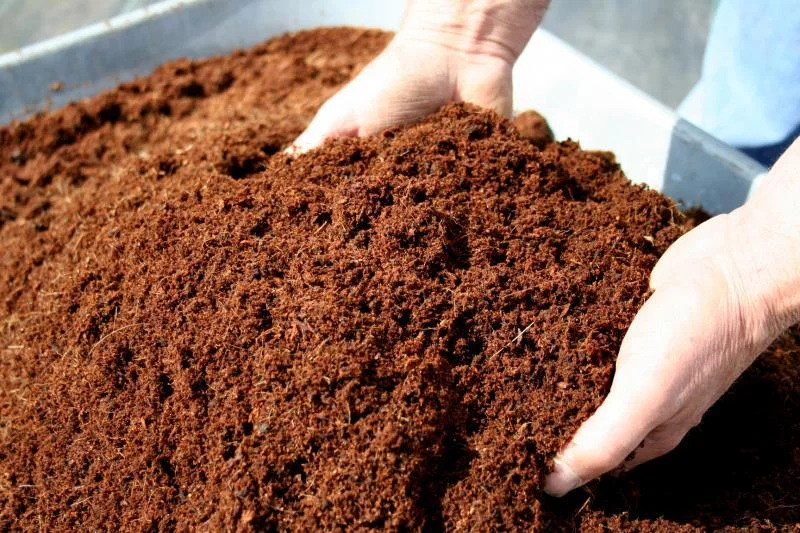
Organic manure refers to natural fertilizers derived from animal waste, primarily cow dung and poultry litter. Cow dung is the excrement of cattle, while poultry litter is composed of droppings from birds, often mixed with bedding materials like straw or sawdust. Both types of organic manure are rich in essential nutrients such as nitrogen, phosphorus, and potassium, making them valuable for enhancing soil fertility.
These organic manures are commonly used in agriculture and horticulture to improve soil structure, enhance microbial activity, and promote healthy plant growth. They are ideal for organic farming practices, where synthetic fertilizers are avoided. The increasing demand for organic produce has led to a surge in the use of organic manure, positioning it as a key product in the agricultural industry.
Organic manure plays a critical role in sustainable agriculture, contributing to soil health and crop yields. As environmental awareness grows, the market for organic fertilizers is expanding, with more farmers and businesses seeking eco-friendly alternatives to chemical fertilizers.
๐๐ฒ๐ ๐๐ฒ๐ฎ๐๐๐ฟ๐ฒ๐ ๐ฎ๐ป๐ฑ ๐ฆ๐ฝ๐ฒ๐ฐ๐ถ๐ณ๐ถ๐ฐ๐ฎ๐๐ถ๐ผ๐ป๐
Organic manure made from cow dung and poultry litter offers several beneficial features that enhance its utility in agriculture.
Key specifications include:
1. Nutrient Content
- Rich in nitrogen, phosphorus, and potassium
- Ideal ranges vary but typically include 0.5-3% nitrogen, 0.3-1.5% phosphorus, and 0.5-2% potassium
2. Organic Matter
- High organic matter content improves soil structure
- Typically around 30-50% organic carbon
3. pH Level
- Neutral to slightly acidic pH, generally between 6.0 and 7.5
- Suitable for most crops
4. Moisture Content
- Varies based on preparation method, often around 20-30%
- Affects application rates and storage
5. Microbial Activity
- Contains beneficial microbes that enhance soil health
- Promotes nutrient cycling and disease suppression
6. Odor Profile
- Characteristic odor, varies with type and treatment
- Treatment processes can reduce strong odors
7. Source Material
- Derived from livestock and poultry farms
- Quality depends on animal diet and bedding materials
In summary, organic manure is a nutrient-rich resource essential for sustainable farming, with various specifications tailored to meet agricultural needs.
๐๐ผ๐บ๐บ๐ผ๐ป ๐๐ฝ๐ฝ๐น๐ถ๐ฐ๐ฎ๐๐ถ๐ผ๐ป๐ ๐ฎ๐ป๐ฑ ๐จ๐๐ฒ ๐๐ฎ๐๐ฒ๐
Organic manure derived from cow dung and poultry litter finds extensive applications across multiple industries.
1. Agriculture: Widely used to enrich soil in crop production, enhancing growth and yield while promoting sustainable practices.
2. Horticulture: Utilized in gardens and landscaping to improve soil quality, support plant health, and boost flowering and fruiting.
3. Organic Farming: Essential for organic growers who seek to maintain soil fertility without synthetic fertilizers, complying with organic standards.
4. Landscaping: Employed in turf management and plant cultivation, providing nutrients and improving soil texture.
5. Biogas Production: Used as a feedstock in anaerobic digestion processes to generate renewable energy while managing waste.
6. Soil Remediation: Applied in contaminated land restoration projects to enhance soil quality and promote ecological recovery.
7. Greenhouse Cultivation: Important in controlled environments, ensuring optimal nutrient supply for crops.
๐ฃ๐ฟ๐ผ๐ฑ๐๐ฐ๐ ๐ฉ๐ฎ๐ฟ๐ถ๐ฎ๐ป๐๐ ๐ฎ๐ป๐ฑ ๐ฆ๐๐ฏ๐ฐ๐ฎ๐๐ฒ๐ด๐ผ๐ฟ๐ถ๐ฒ๐
Organic manure is available in diverse forms to cater to various agricultural needs.
Cow Dung Manure
This variant consists of well-decomposed cow dung, often mixed with bedding materials. It is rich in nutrients and ideal for soil amendment in crop production.
Poultry Litter Manure
This variant is a combination of poultry droppings and bedding material. It has a higher nutrient concentration compared to cow dung and is particularly beneficial for high-demand crops.
Composted Organic Manure
This type has undergone a composting process to stabilize nutrients and reduce pathogens, making it safe for application in sensitive crops.
Liquid Organic Fertilizer
Produced by extracting nutrients from cow dung or poultry litter, this variant is easy to apply and quickly absorbed by plants.
๐๐ฒ๐ป๐ฒ๐ณ๐ถ๐๐ ๐ฎ๐ป๐ฑ ๐๐ฑ๐๐ฎ๐ป๐๐ฎ๐ด๐ฒ๐
Organic manure offers numerous benefits that make it a preferred choice among farmers and agricultural businesses.
1. Enhances Soil Fertility: Increases nutrient availability, promoting plant growth and improving crop yields.
2. Improves Soil Structure: Adds organic matter that enhances soil aeration and water retention, crucial for healthy root development.
3. Reduces Chemical Dependency: Provides a natural alternative to synthetic fertilizers, supporting sustainable agricultural practices.
4. Supports Microbial Life: Encourages beneficial microbial activity in the soil, which aids in nutrient cycling and disease resistance.
5. Eco-Friendly: Contributes to waste management by recycling animal waste, reducing environmental pollution.
6. Cost-Effective: Often more economical than chemical fertilizers, offering a budget-friendly option for farmers.
๐๐๐๐ถ๐ป๐ด ๐๐๐ถ๐ฑ๐ฒ ๐ณ๐ผ๐ฟ ๐๐ฎ๐ ๐๐๐๐ฒ๐ฟ๐
When sourcing Organic Manure (Cow Dung, Poultry Litter), it is essential to consider several key factors to ensure quality and suitability.
1. Quality Assessment: Evaluate the nutrient content and organic matter levels to ensure they meet specific agricultural needs. Testing samples is recommended for precise analysis.
2. Supplier Verification: Research potential suppliers to confirm their reliability. Look for certifications and customer testimonials that indicate their credibility.
3. Pricing and MOQ: Understand the pricing structure and minimum order quantities required by suppliers. This helps in budgeting and planning purchases effectively.
4. Delivery and Lead Times: Discuss logistics with suppliers, including delivery schedules and lead times. Prompt delivery is crucial for timely agricultural activities.
5. Compliance Requirements: Be aware of any regulatory standards that apply to organic fertilizers in your region. Ensure that suppliers comply with relevant agricultural regulations.
๐๐ผ๐บ๐ฝ๐น๐ถ๐ฎ๐ป๐ฐ๐ฒ ๐ฎ๐ป๐ฑ ๐๐ฒ๐ฟ๐๐ถ๐ณ๐ถ๐ฐ๐ฎ๐๐ถ๐ผ๐ป๐
Organic manure must adhere to various quality standards and certifications to ensure safety and effectiveness.
Relevant quality standards include ISO 9001, which outlines criteria for quality management systems. This certification ensures that products meet consistent quality requirements.
Industry certifications such as CE and UL indicate compliance with safety and performance standards, providing assurance to buyers regarding product quality.
Safety and testing requirements are critical for organic manure, as they ensure that the product is free from harmful pathogens and contaminants that could affect plant health or human safety.
Regional compliance considerations may vary, so it is essential for buyers to understand local regulations governing organic fertilizers to ensure proper use and application.
Why Source Organic Manure (Cow Dung, Poultry Litter) from Pepagora?
Pepagora offers a reliable platform for sourcing Organic Manure (Cow Dung, Poultry Litter) with several key advantages that cater to B2B buyers.
Verified Supplier Network: Pepagora connects buyers with a network of verified suppliers, ensuring that all products meet quality standards and regulatory requirements.
Streamlined RFQ Process: The request for quotation system simplifies the procurement process, allowing buyers to receive competitive quotes quickly and efficiently.
Trade Assurance and Support: Buyers benefit from trade assurance features that provide protection against potential risks, ensuring a secure purchasing experience.
Regional Coverage: Pepagora serves a broad geographic area, including India, the GCC region, and Southeast Asia, allowing for flexible sourcing options tailored to various market needs.