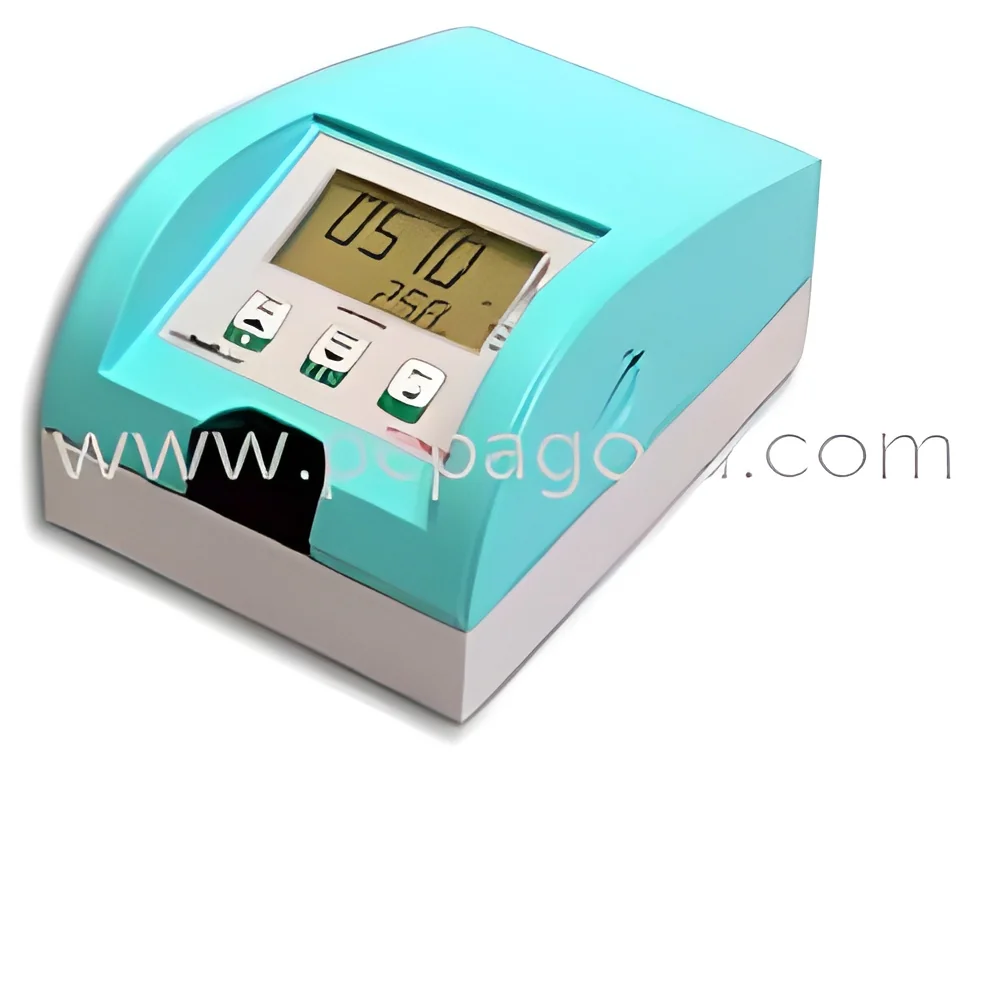
What are Water Quality Testing for Food Units?
Water Quality Testing for Food Units refers to the systematic evaluation of water quality used in food processing and production. This testing ensures that the water meets safety standards for human consumption and maintains the integrity of food products. The process typically involves analyzing various parameters such as pH, turbidity, microbial contamination, and the presence of heavy metals or other harmful substances.
The primary uses of Water Quality Testing include ensuring compliance with health and safety regulations, protecting consumer health, and maintaining the quality of food products. Businesses in the food and beverage industry utilize these testing solutions to safeguard their production processes. Regular testing helps to identify potential risks associated with water quality, allowing businesses to take preventive measures to avoid contamination.
In the current market context, water quality testing has become increasingly relevant due to rising health awareness and stricter regulatory requirements. Organizations are facing pressure to demonstrate due diligence in their water usage practices. As such, the demand for reliable water quality testing solutions has grown, making it a crucial component in the food industry.
Key Features and Specifications
Water Quality Testing for Food Units offers several key features that ensure effective monitoring and compliance with safety standards. These features are designed to provide accurate and reliable results, essential for maintaining food safety.
Key specifications include:
1. Testing Parameters
- Includes pH, turbidity, microbial counts, and heavy metal detection.
- Provides a comprehensive overview of water quality.
2. Detection Limits
- Varies by the parameter being tested.
- Ensures that even trace levels of contaminants can be identified.
3. Sample Volume Requirements
- Typically requires a minimum sample volume for accurate testing.
- Ensures that tests are representative of the overall water quality.
4. Response Time
- Fast results, often within hours to days depending on the test type.
- Enables quick decision-making for food safety management.
5. Portability
- Many units are designed for easy transport to various testing sites.
- Facilitates on-site testing in food production facilities.
6. User-Friendly Interface
- Intuitive software or display for easy operation and result interpretation.
- Reduces the learning curve for staff.
7. Calibration Features
- Built-in calibration options to maintain accuracy over time.
- Ensures consistent performance across testing sessions.
8. Compliance Indicators
- Alerts users to any non-compliance with relevant safety standards.
- Assists in maintaining regulatory compliance.
In summary, these features and specifications make Water Quality Testing for Food Units a vital tool for ensuring safety and quality in food production.
Common Applications and Use Cases
Water Quality Testing for Food Units is applicable across a range of industries, each requiring specific testing methodologies to ensure safety and compliance.
1. Food Processing: In food processing plants, water quality testing is critical for ensuring that the water used in production does not contaminate products. Regular testing helps maintain hygiene standards.
2. Beverage Manufacturing: Beverage companies rely on high-quality water for their products. Testing ensures that any impurities are removed, maintaining flavor and safety.
3. Aquaculture: In aquaculture, water quality directly impacts fish health. Testing helps monitor parameters critical for aquatic life, ensuring a healthy environment for growth.
4. Agriculture: In agricultural settings, water quality testing is essential for irrigation. Contaminated water can harm crops, making regular testing vital for food safety.
5. Catering Services: Catering companies must ensure that the water used in food preparation is safe. Regular testing helps maintain compliance with health regulations.
6. Hospitality: Hotels and restaurants must monitor water quality to ensure guest safety. Testing helps identify any issues that could affect food and beverage services.
7. Dairy Production: Dairy farms must ensure that water used for livestock is clean to prevent disease and maintain product quality. Regular testing is a critical part of this process.
Product Variants and Subcategories
Water Quality Testing for Food Units comes in various configurations to meet different operational needs. Each variant is designed to cater to specific testing requirements and environments.
Portable Testing Kits: These kits are designed for on-the-go testing, ideal for food manufacturers needing quick assessments. They often include multiple testing parameters and user-friendly interfaces.
Laboratory Analysis Equipment: This equipment is used for more comprehensive testing in controlled environments. It provides detailed analysis suitable for regulatory compliance and in-depth research.
Automated Monitoring Systems: These systems continuously monitor water quality, providing real-time data. They are ideal for large-scale operations that require constant oversight.
Benefits and Advantages
Investing in Water Quality Testing for Food Units offers numerous benefits that enhance food safety and operational efficiency.
1. Enhanced Safety: Regular testing helps identify contaminants, ensuring water is safe for food production.
2. Compliance Assurance: Helps businesses meet regulatory requirements and avoid penalties associated with non-compliance.
3. Risk Mitigation: Early detection of water quality issues allows for timely corrective actions, reducing the risk of larger problems.
4. Quality Improvement: Ensures that water quality maintains product integrity, leading to higher customer satisfaction.
5. Cost Efficiency: By preventing contamination, businesses can avoid costly recalls and damage to their reputation.
6. Sustainable Practices: Monitoring water quality contributes to sustainable production practices, aligning with modern consumer expectations.
Buying Guide for B2B Buyers
When sourcing Water Quality Testing for Food Units, several factors should be considered to ensure the best choice for your business needs.
1. Quality Assessment: Look for products that meet recognized quality standards. Assessing certifications can help determine the reliability of the testing equipment.
2. Supplier Verification: Vet suppliers thoroughly to ensure they provide high-quality products. Researching their reputation and customer feedback can guide your decision.
3. Pricing and MOQ: Evaluate pricing structures and minimum order quantities to find solutions that fit your budget and operational scale.
4. Delivery and Lead Times: Understand delivery schedules to ensure that testing solutions are available when needed. Timely access to equipment can be crucial for maintaining compliance.
5. Compliance Requirements: Familiarize yourself with the specific regulations that apply to your industry. Ensure that the testing solutions you choose meet these compliance needs.
Compliance and Certifications
Water Quality Testing for Food Units must adhere to various quality standards and certifications to ensure reliability and safety. Key standards include ISO 9001, which focuses on quality management systems, and HACCP, which establishes protocols for food safety.
Industry certifications, such as CE marking, indicate compliance with European health and safety standards. These certifications help businesses ensure that their testing equipment meets necessary safety and performance criteria.
Additionally, safety and testing requirements are mandated by local and international regulations. Businesses must also consider regional compliance, as different areas may have specific standards that must be met.
Why Source Water Quality Testing for Food Units from Pepagora?
Pepagora provides a trusted platform for sourcing Water Quality Testing for Food Units, offering several key advantages that enhance the buying experience for B2B customers.
Verified Supplier Network: Pepagora has established a network of verified suppliers, ensuring that buyers can connect with reputable manufacturers. This reduces the risk associated with sourcing products.
Streamlined RFQ Process: The platform simplifies the request for quotation process, allowing buyers to receive competitive quotes quickly. This efficiency helps businesses make informed purchasing decisions.
Trade Assurance and Support: Pepagora offers trade assurance, providing buyers with protections during transactions. This support enhances buyer confidence and security in their purchases.
Regional Coverage: With a strong presence in India, the GCC, and Southeast Asia, Pepagora facilitates access to local suppliers, ensuring businesses can find suitable products tailored to their regional needs.

 IN
IN