
 IN
Vases & Urns
19 products available
What are Vases & Urns?
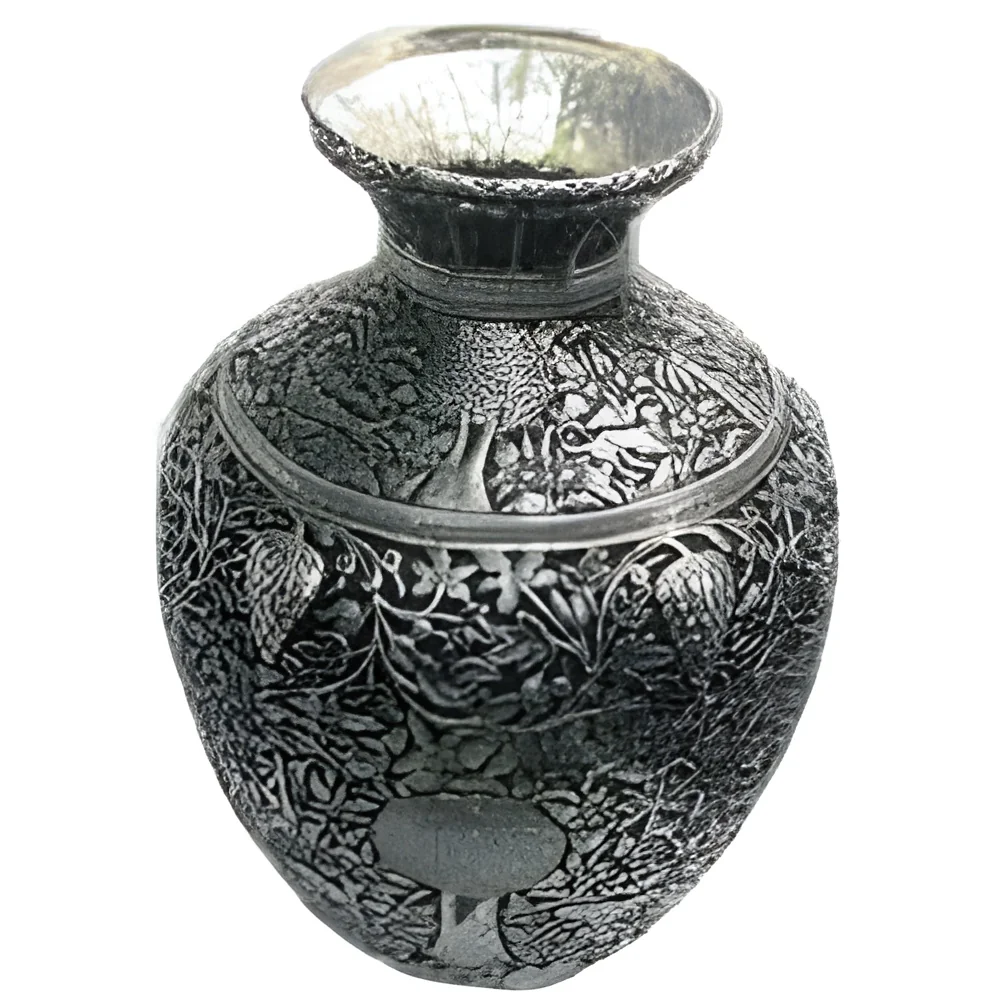
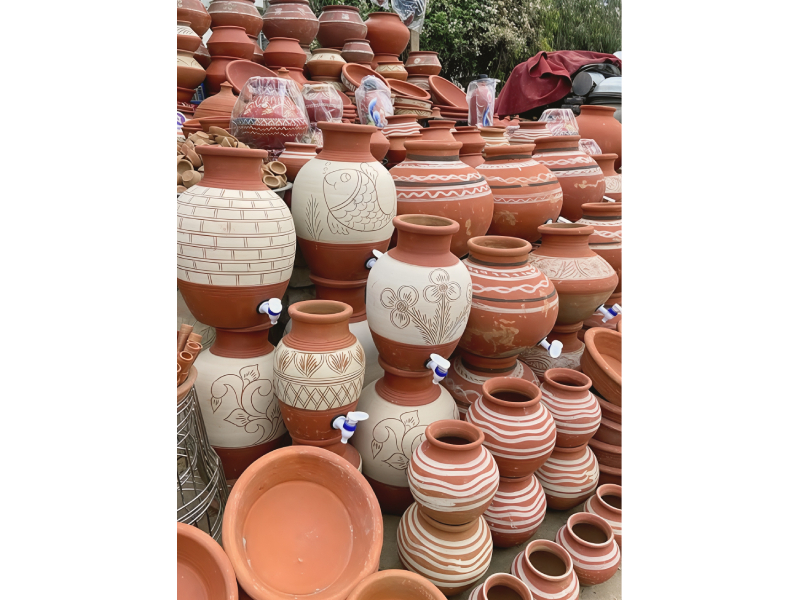
Vases and urns are decorative containers commonly used for holding flowers, plants, or ashes. Vases are typically designed for floral arrangements and come in various shapes, sizes, and materials, including glass, ceramic, and metal. Urns, on the other hand, are primarily used to store cremated remains and are often crafted with more intricate designs that reflect their significance in memorialization.
These products have a wide range of applications across different sectors. In the floral industry, vases serve both aesthetic and functional purposes, enhancing the visual appeal of floral displays while providing support for the stems. Urns are significant in the funeral industry, where they play a crucial role in memorial services and personal tributes. The growing trend toward personalization in both vases and urns indicates a shift in consumer preferences, making these products crucial in event planning and memorialization.
In terms of market relevance, the demand for vases and urns is influenced by cultural practices, social trends, and economic factors. As consumers seek unique, customized options, businesses in the floral and funeral sectors must adapt their offerings to meet these evolving preferences. Understanding these dynamics is essential for companies looking to thrive in this competitive landscape.
Key Features and Specifications
Vases and urns come with various features tailored to enhance their functionality and aesthetic appeal. When considering these products, it is essential to focus on specifications that influence their use in different settings.
Key specifications include:
1. Material Composition
- Common materials include glass, ceramic, metal, and wood.
- Each material offers unique characteristics, such as durability and design versatility.
2. Size Dimensions
- Vases and urns are available in multiple sizes, from small tabletop designs to large statement pieces.
- Typical height ranges from 6 inches to over 30 inches for urns.
3. Design Style
- Options range from modern minimalist to traditional ornate designs.
- Custom designs can cater to specific customer preferences.
4. Weight Capacity
- Important for urns, which must withstand the weight of cremated remains.
- Vases should also support the weight of flower arrangements without tipping.
5. Finish Options
- Common finishes include glossy, matte, and textured.
- Finishing techniques can enhance aesthetic appeal and durability.
6. Customization Potential
- Many manufacturers offer customization options for both vases and urns.
- Personalization can include engraving and bespoke design elements.
7. Eco-Friendly Options
- Increasingly, businesses are providing sustainable materials and production methods.
- Eco-friendly products appeal to environmentally-conscious consumers.
In summary, understanding these key features and specifications enables businesses to choose the right vases and urns that meet their operational needs and customer expectations.
Common Applications and Use Cases
Vases and urns find their applications across various industries, each with unique requirements and specifications.
1. Floral Industry: Vases are essential for floral arrangements in retail stores, event venues, and weddings. They enhance the presentation of flowers and contribute to the overall ambiance.
2. Funeral Services: Urns are crucial in the funeral industry for storing cremated remains. They are often chosen based on the deceased’s personality or the family's wishes, providing a meaningful tribute.
3. Home Decor: Many consumers use vases as decorative elements in residential settings. They can serve as centerpieces or accent pieces, enhancing the aesthetic appeal of homes.
4. Event Planning: Vases are often rented or purchased in bulk for events such as weddings, corporate functions, and parties. Their versatility allows for creative decoration options.
5. Gifts and Memorials: Custom vases and urns are popular as gifts for special occasions or as memorial items for loved ones. Personalization adds sentimental value.
6. Art Installations: Some artists incorporate vases and urns into their work, using them as mediums for expression in galleries and public spaces.
7. Educational Institutions: Schools and universities may utilize vases in floral arrangement courses, teaching students about design and care.
Product Variants and Subcategories
The diversity of vases and urns allows businesses to cater to a wide range of customer preferences.
Classic Vases
These vases often feature timeless designs and are made from materials like glass or ceramic. They are suitable for various floral arrangements and can fit seamlessly into any decor style.
Contemporary Urns
Contemporary urns are designed with modern aesthetics in mind. They often incorporate unique shapes and materials, appealing to families looking for personalized memorial options.
Decorative Urns
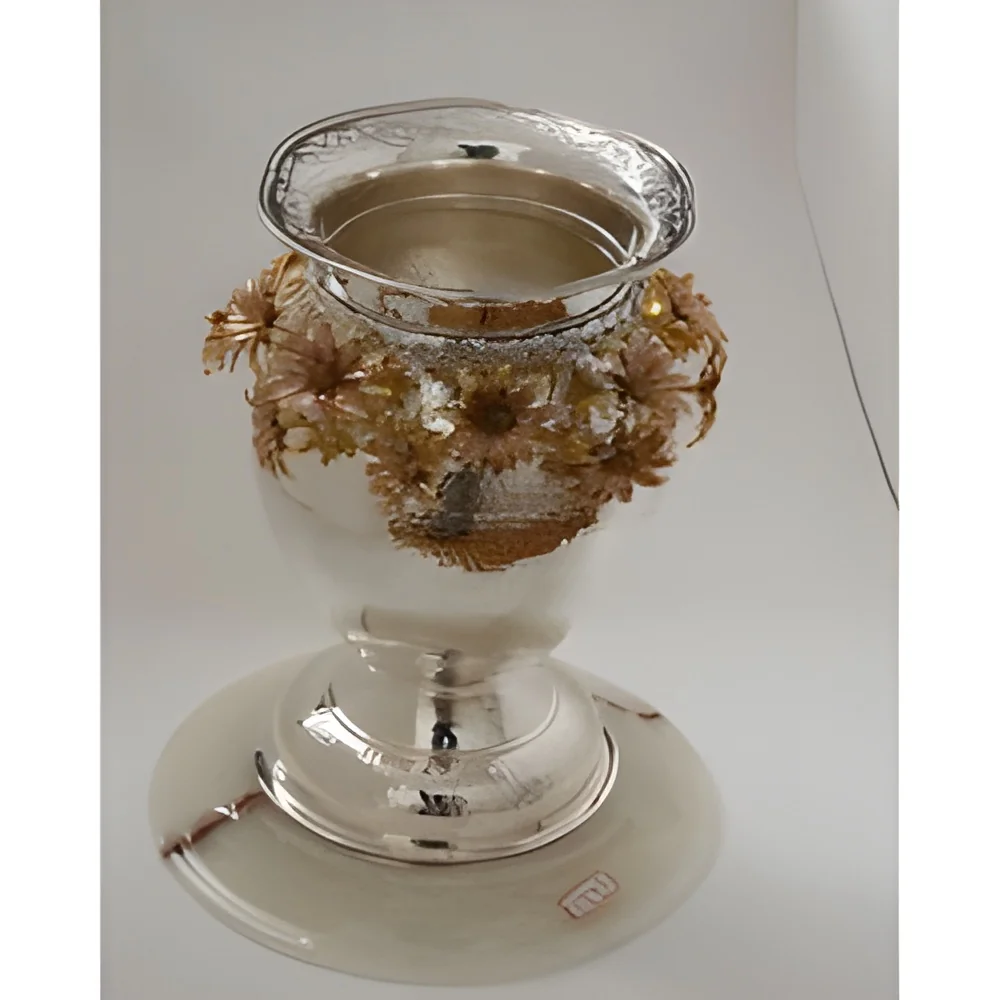
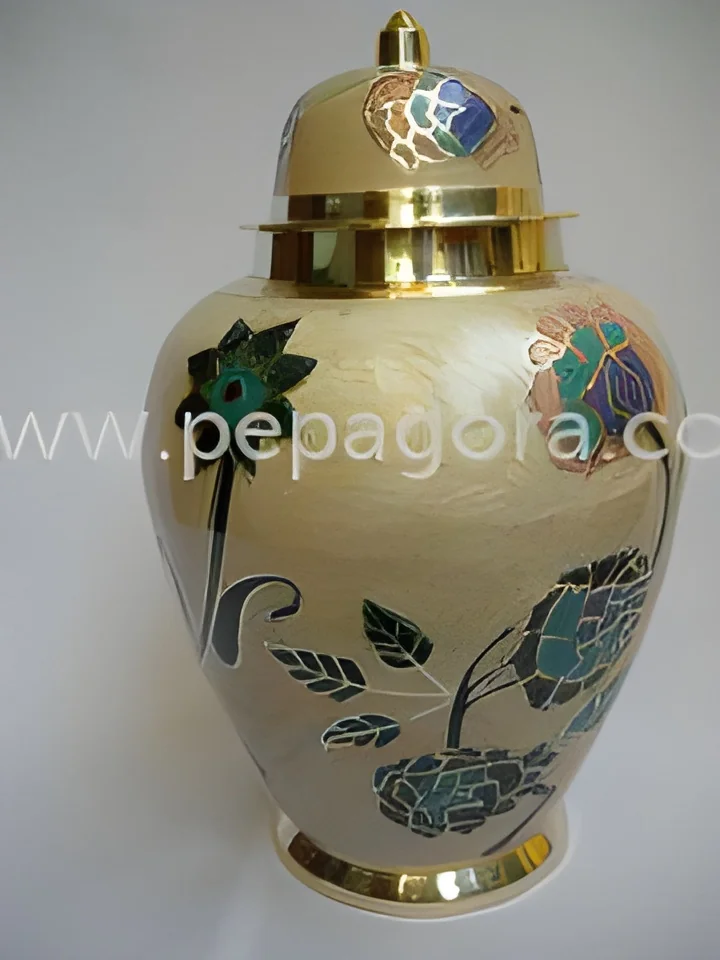
These urns focus on design elements and can serve as both a memorial piece and a decorative item. They often come in artistic styles, making them suitable for display in homes.
Eco-Friendly Vases
Made from sustainable materials, these vases appeal to environmentally conscious consumers. They provide an eco-friendly option without sacrificing style.
Personalized Vases
These vases can be customized with names, messages, or designs. They are popular for gifting and special occasions, allowing for a personal touch.
Benefits and Advantages
Sourcing vases and urns offers numerous benefits for businesses seeking to enhance their product offerings.
1. Aesthetic Versatility: Vases and urns come in various designs, allowing businesses to cater to diverse consumer tastes and preferences.
2. Personalization Opportunities: Custom options enable businesses to add unique value, enhancing customer satisfaction and loyalty.
3. Market Demand: The growing trend for personalized and eco-friendly products reflects shifting consumer preferences, providing opportunities for growth.
4. Event and Memorial Use: Vases and urns are integral to both celebratory events and memorial services, ensuring consistent demand across sectors.
5. Quality Materials: High-quality materials contribute to product durability, minimizing returns and increasing customer trust.
6. Range of Applications: The versatility of vases and urns allows businesses to target multiple industries, from floral to funeral services.
Buying Guide for B2B Buyers
When sourcing vases and urns, businesses should consider several critical factors to ensure suitable purchases.
1. Quality Assessment: Evaluate the materials and craftsmanship to ensure durability and aesthetic appeal. High-quality products enhance brand reputation.
2. Supplier Verification: Research suppliers for credibility and reliability. Look for reviews and testimonials to confirm their track record.
3. Pricing and MOQ: Understand the pricing structure and minimum order quantities. This ensures that the business can meet demand without overcommitting financially.
4. Delivery and Lead Times: Assess the supplier's logistics capabilities to ensure timely delivery. Consider lead times to avoid disruptions in supply.
5. Compliance Requirements: Investigate any regulatory or compliance needs specific to the industry. This includes safety standards and certifications relevant to the products.
Compliance and Certifications
Compliance with industry standards and certifications is crucial for vases and urns to ensure quality and safety.
Relevant quality standards include ISO 9001, which focuses on maintaining a quality management system. This standard ensures that manufacturers consistently produce products that meet customer and regulatory requirements.
Industry certifications such as CE indicate compliance with European health, safety, and environmental protection standards. This certification is essential for products sold in European markets.
Safety and testing requirements should also be adhered to, ensuring that materials used in vases and urns are safe for both decorative and functional purposes.
Regional compliance considerations may vary, so businesses should be aware of local regulations when sourcing products for specific markets.
Why Source Vases & Urns from Pepagora?
Pepagora offers a trusted platform for sourcing vases and urns, providing a host of advantages for B2B buyers.
Verified Supplier Network: Pepagora connects buyers with a network of verified suppliers, ensuring quality and reliability in product sourcing. This network helps businesses find reputable manufacturers quickly.
Streamlined RFQ Process: The request for quotation process at Pepagora is designed for efficiency. Buyers can easily obtain quotes from multiple suppliers, allowing for informed purchasing decisions.
Trade Assurance and Support: With trade assurance programs, Pepagora offers buyer protection, ensuring that transactions are secure and that quality standards are upheld.
Regional Coverage: Pepagora provides extensive geographic reach, serving markets in India, the GCC, and Southeast Asia. This broad coverage allows businesses to tap into diverse markets and customer bases.

 India
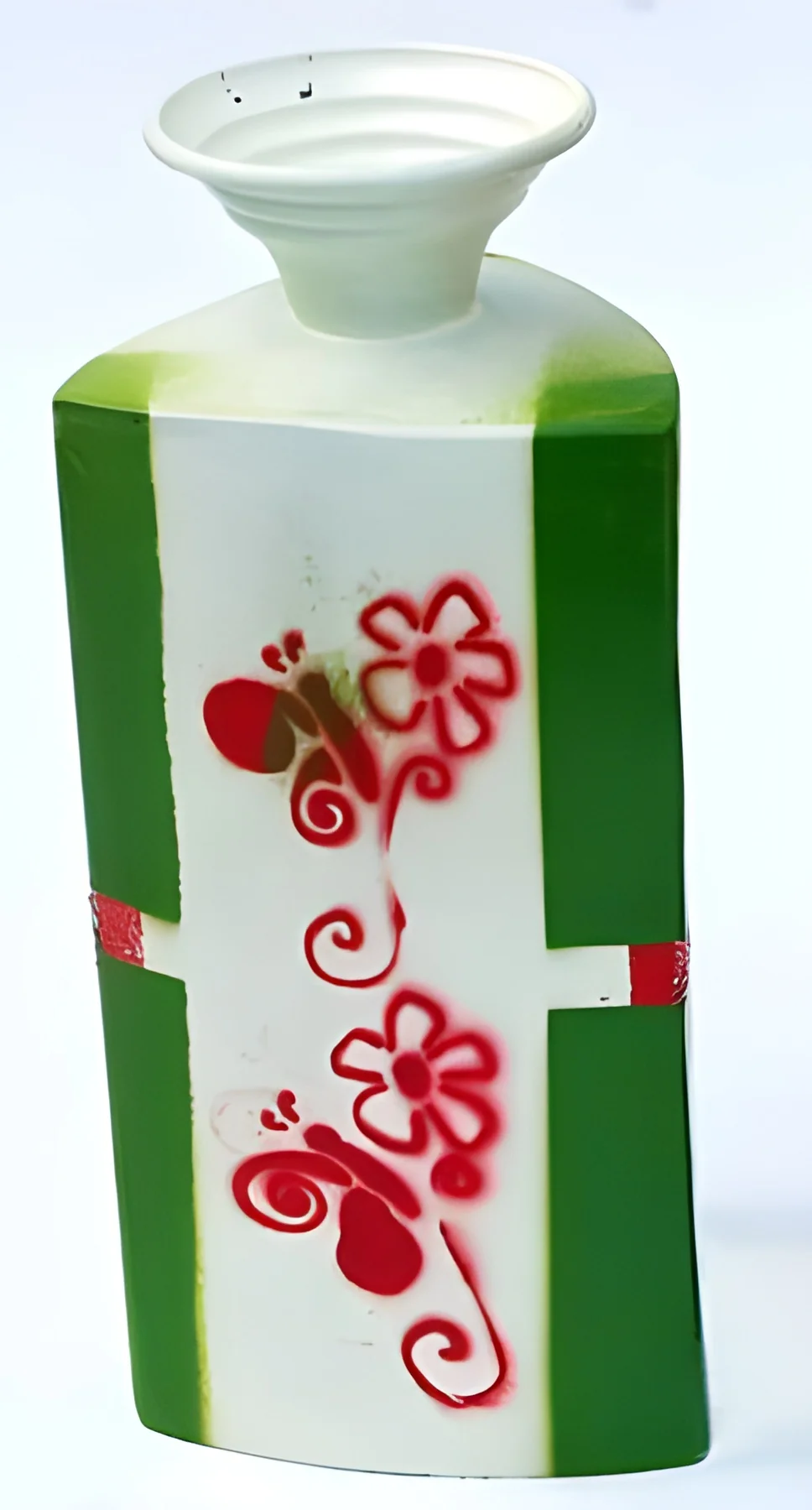
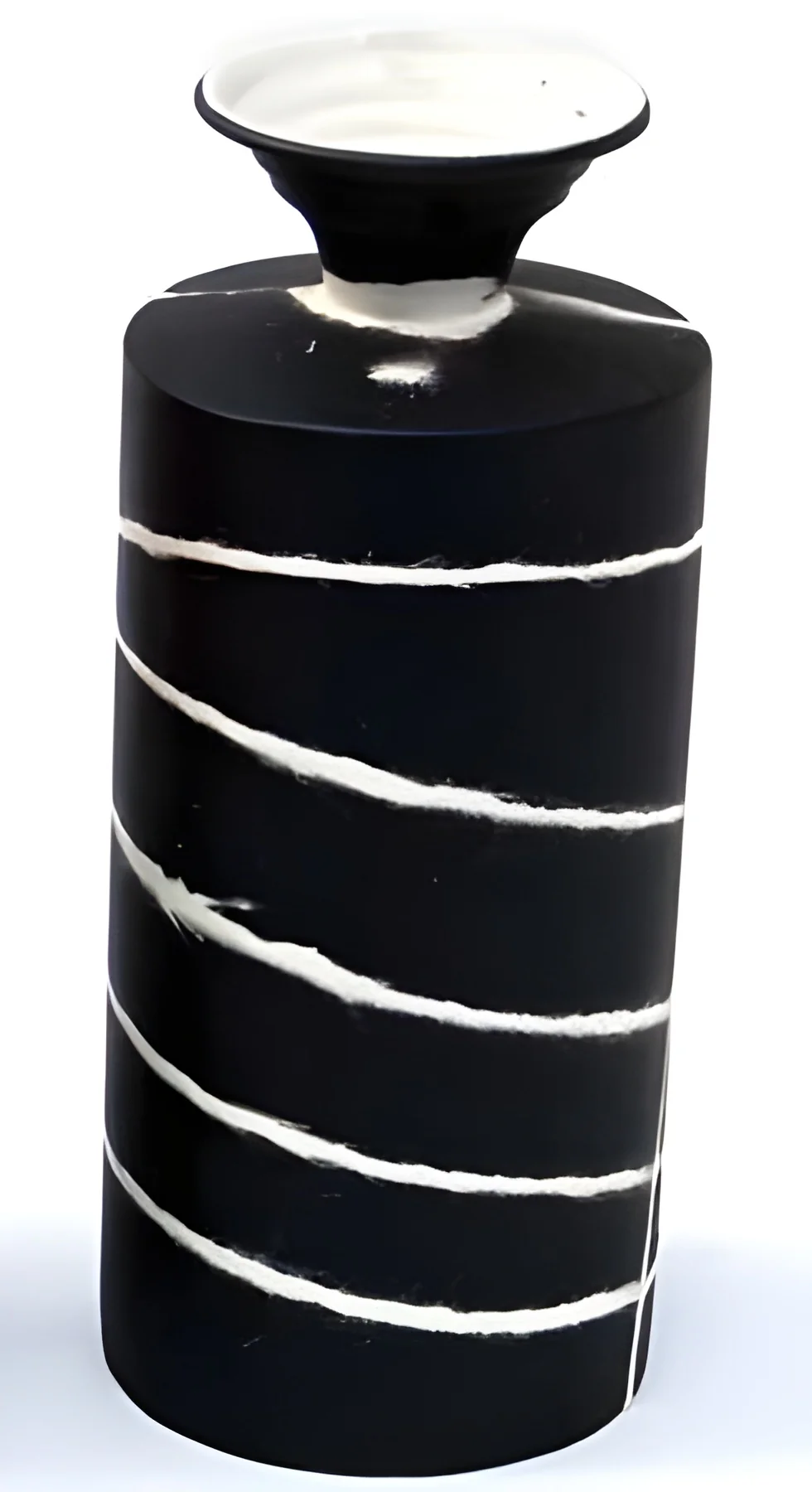
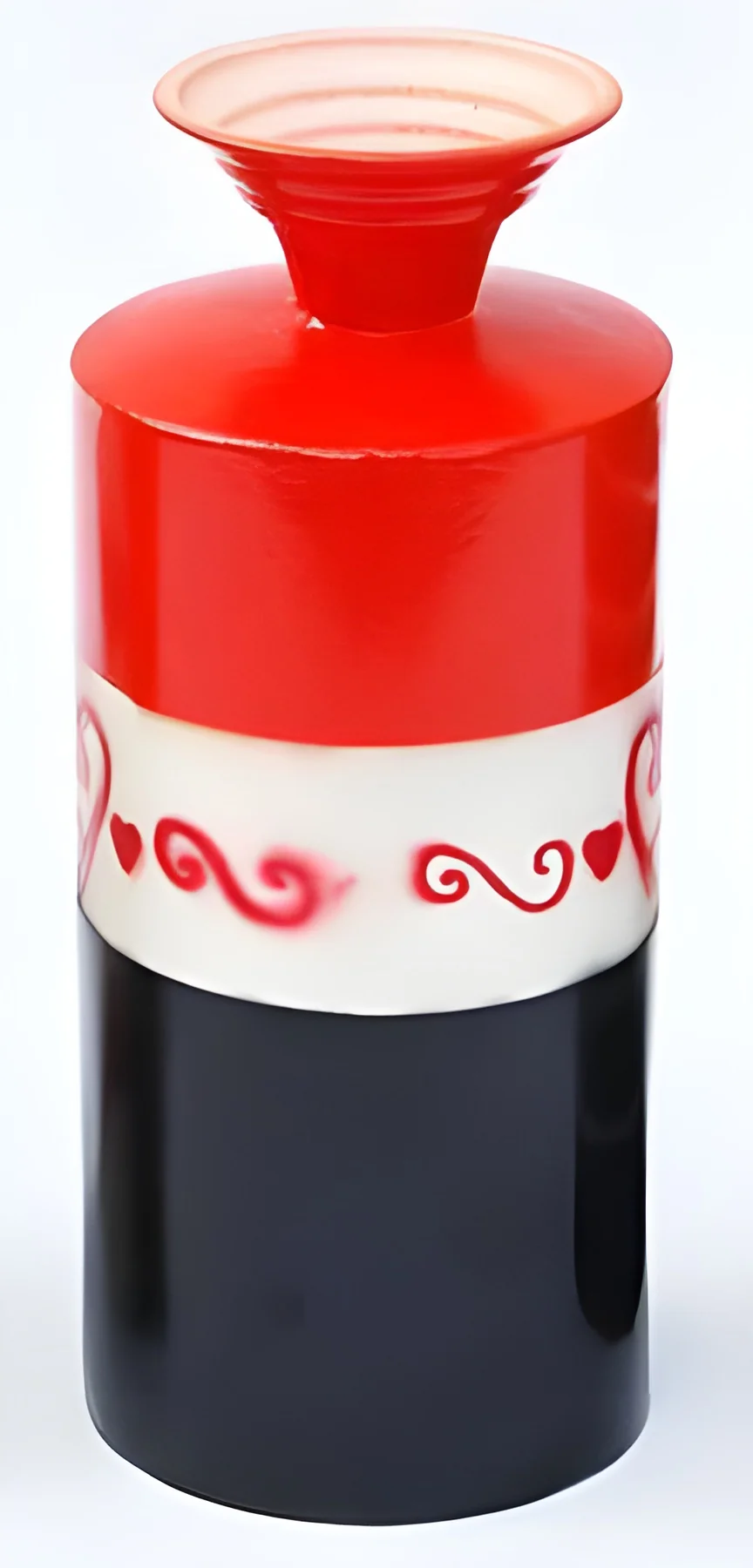 India
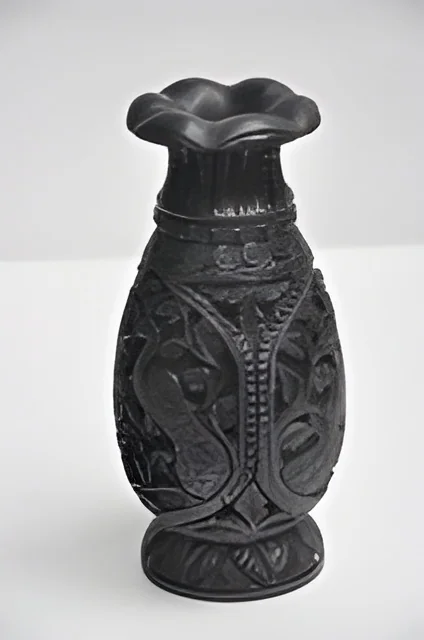
 India
 India
 India

Frequently Asked Questions
What are Vases & Urns?
Vases & Urns are decorative containers typically used to hold flowers or as standalone art pieces. They come in various shapes, sizes, and materials, serving both functional and aesthetic purposes in homes, offices, and public spaces.
What are the different types of Vases & Urns?
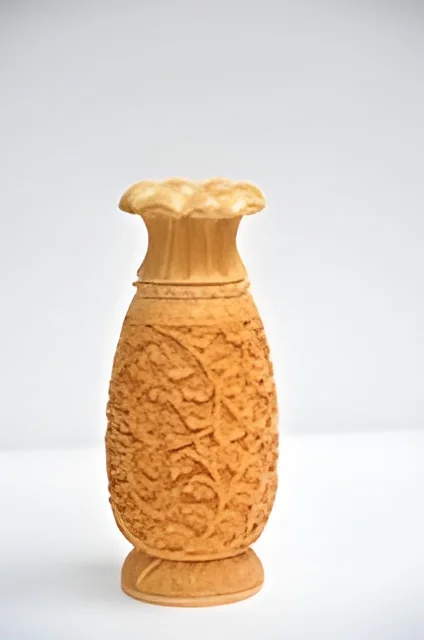
There are several types of Vases & Urns, including traditional ceramic vases, glass vases, metal urns, and decorative urns made from resin or wood. Each type varies in design and use, catering to different preferences and decor styles.
How do I choose the right Vases & Urns?
When selecting Vases & Urns, consider the intended use, size, color, and material that complements your decor. Additionally, think about whether you need a functional vase for flowers or a decorative urn for display purposes.
What are the standard specifications for Vases & Urns?
Standard specifications for Vases & Urns include height, diameter, and material type. Additionally, weight and durability are important, especially if the item is intended for outdoor use or display.
What is the price range for Vases & Urns?
The price range for Vases & Urns can vary significantly based on material, design, and size. Generally, prices can start from a few hundred rupees for simple designs to several thousand rupees for high-quality or handcrafted pieces.
What quality standards apply to Vases & Urns?
Quality standards for Vases & Urns typically include material durability, design integrity, and finish quality. Manufacturers may adhere to specific industry standards to ensure their products are safe and reliable for consumer use.
Where can I find Vases & Urns suppliers in India?
You can find Vases & Urns suppliers in India through B2B marketplaces like Pepagora, trade shows, and local craft fairs. Online directories and manufacturer websites also provide access to a wide range of suppliers.
Can Vases & Urns be customized?
Yes, many manufacturers offer customization options for Vases & Urns, allowing buyers to specify size, color, and design elements. Customization can be particularly beneficial for branding or special occasions.
What is the typical minimum order quantity for Vases & Urns?
The typical minimum order quantity (MOQ) for Vases & Urns varies by supplier but generally ranges from 50 to 100 units. It's advisable to confirm the MOQ directly with the supplier before placing an order.
What is the typical lead time for Vases & Urns?
The typical lead time for Vases & Urns can range from 2 to 6 weeks, depending on the supplier, order size, and whether customization is required. Always check with the supplier for specific timelines.
Why Businesses Trust Pepagora
Thousands of companies trust Pepagora to source smarter and sell faster
Expand Your Sales Globally

Source Smarter,Grow Faster
