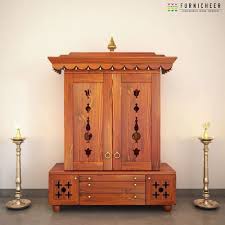
What are Pooja Mandirs?
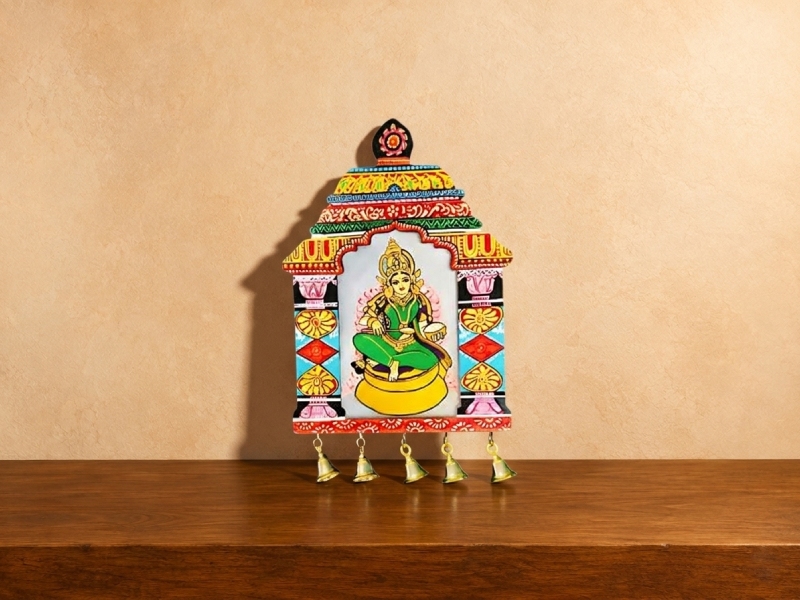
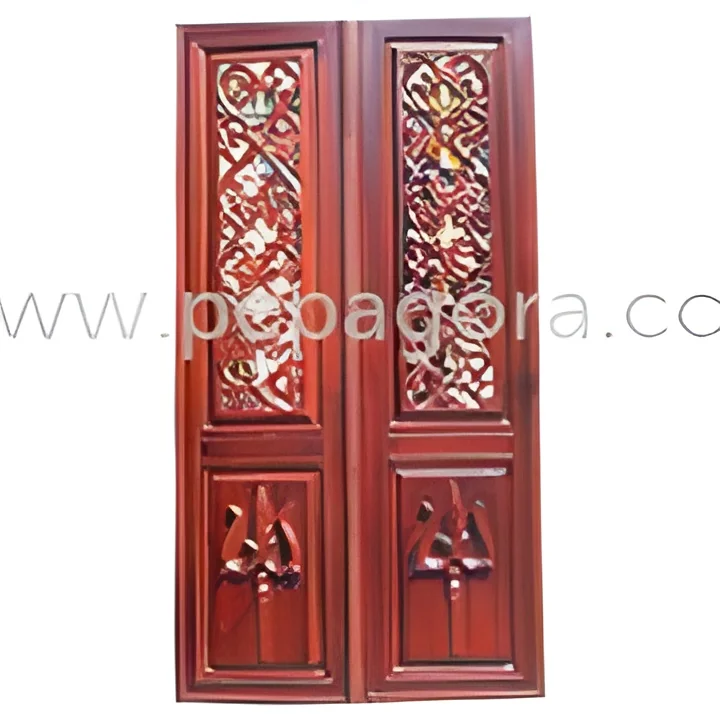
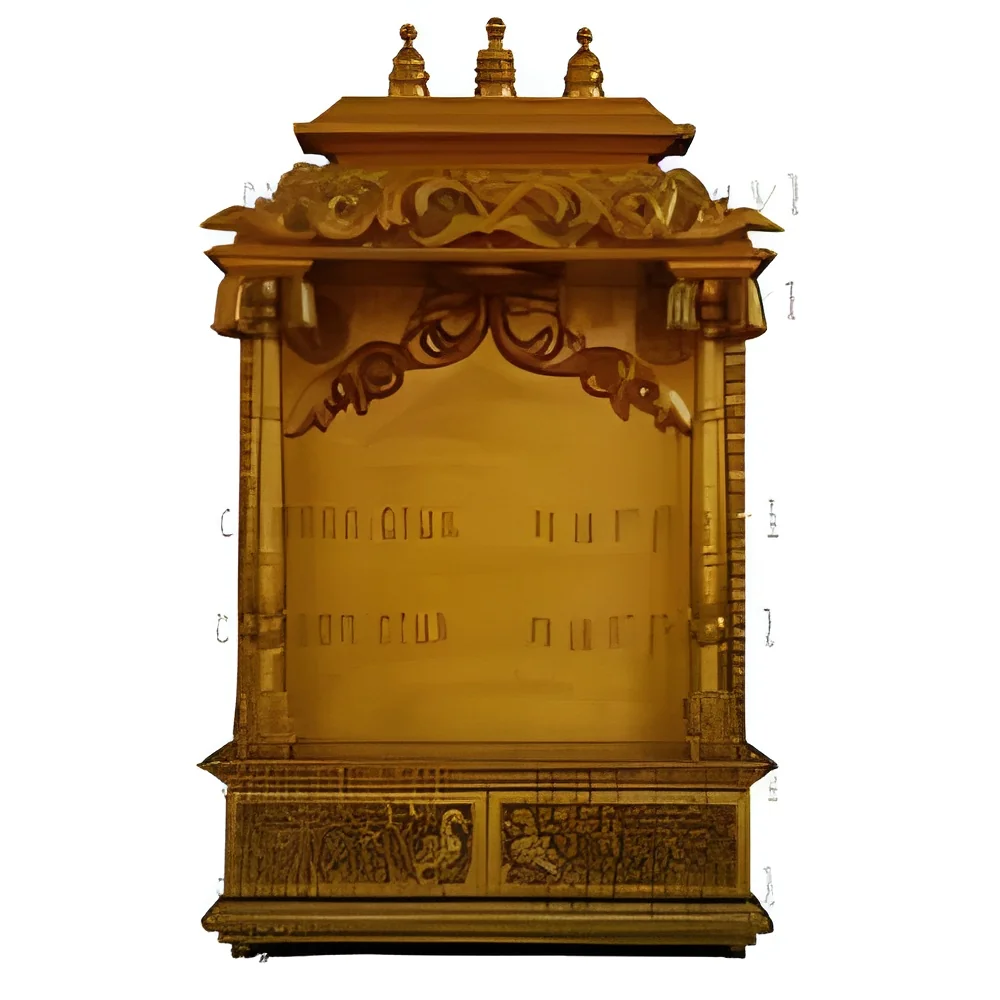
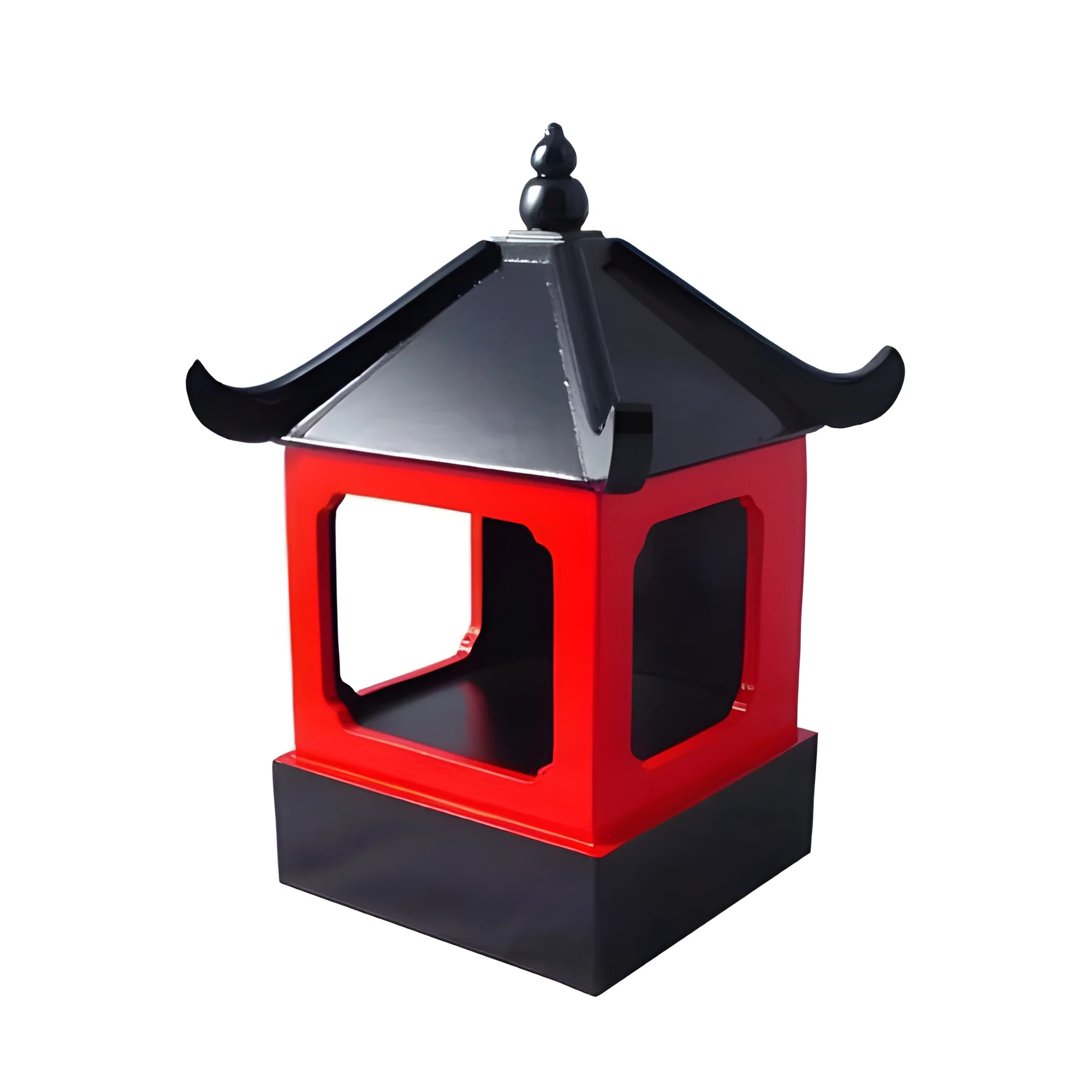
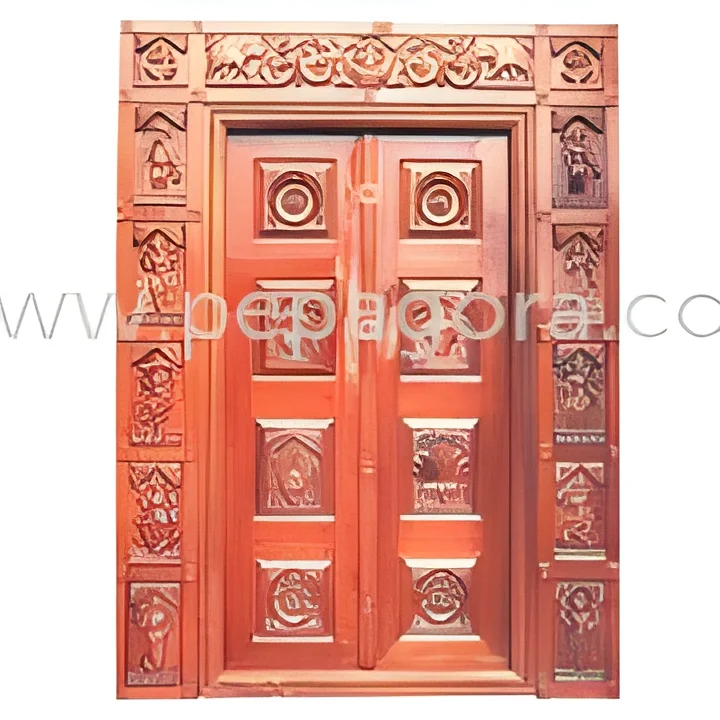
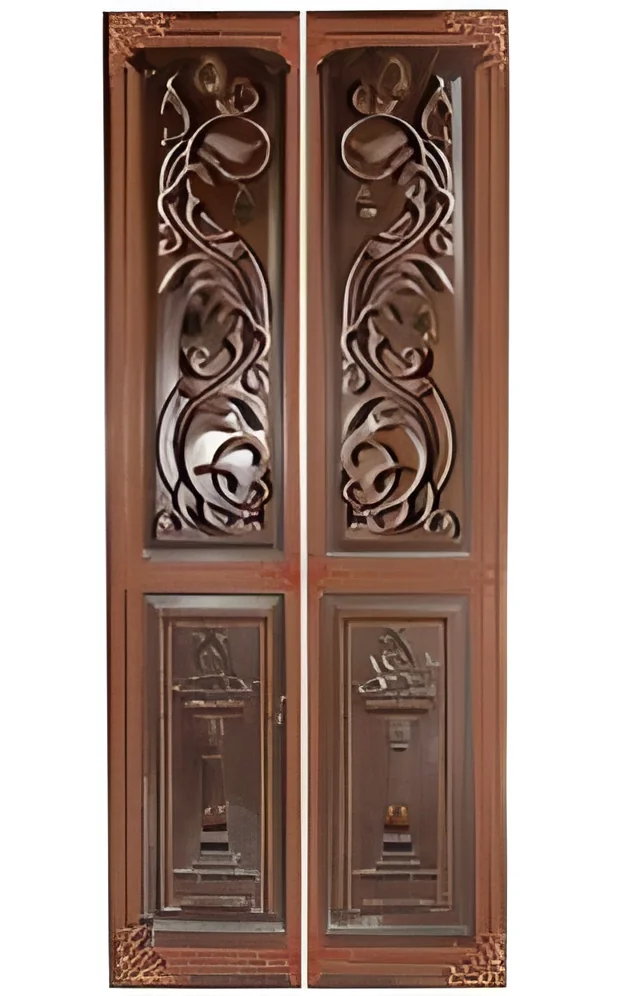
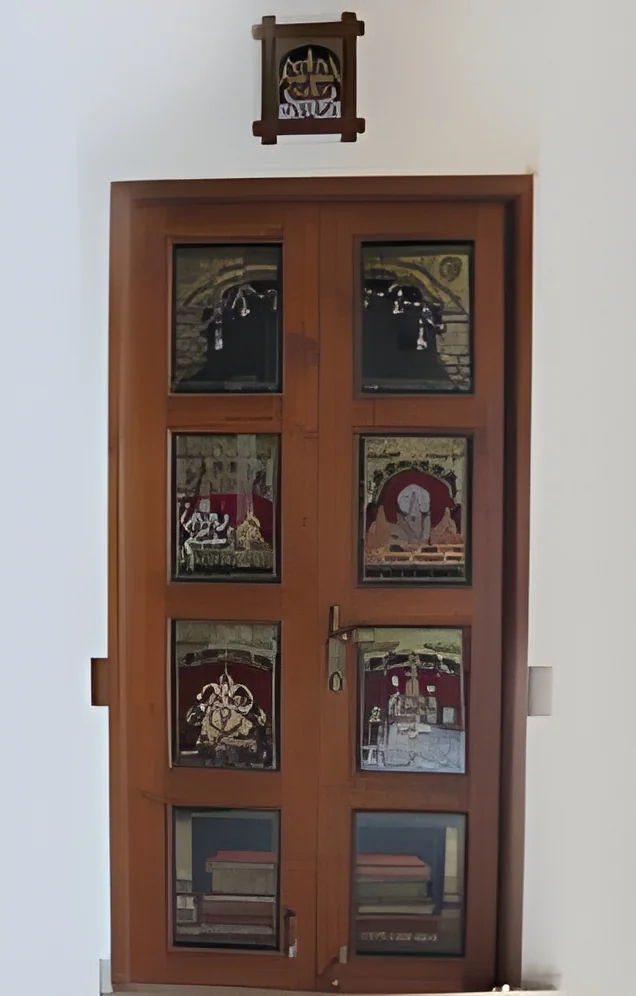
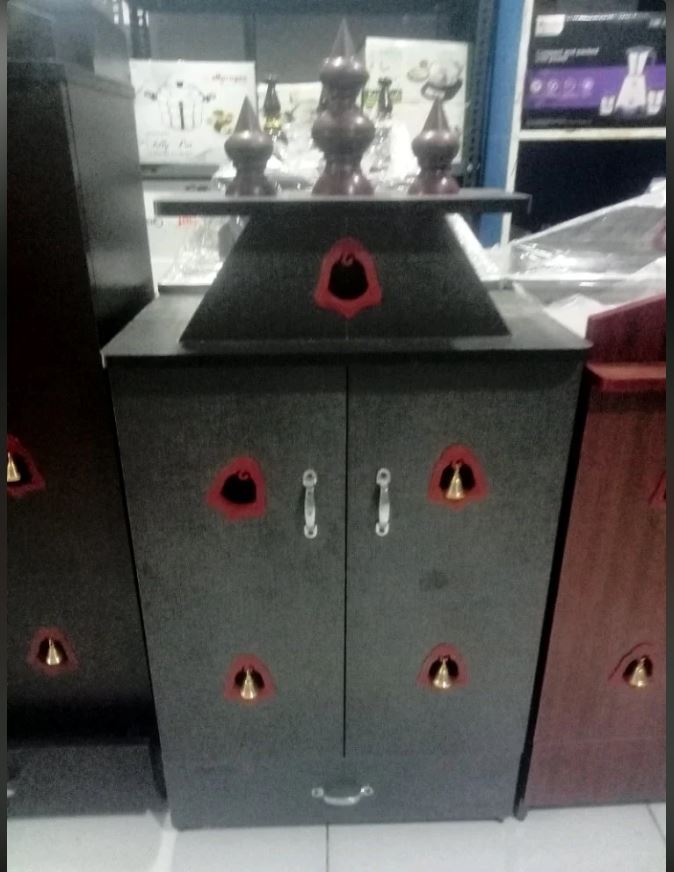
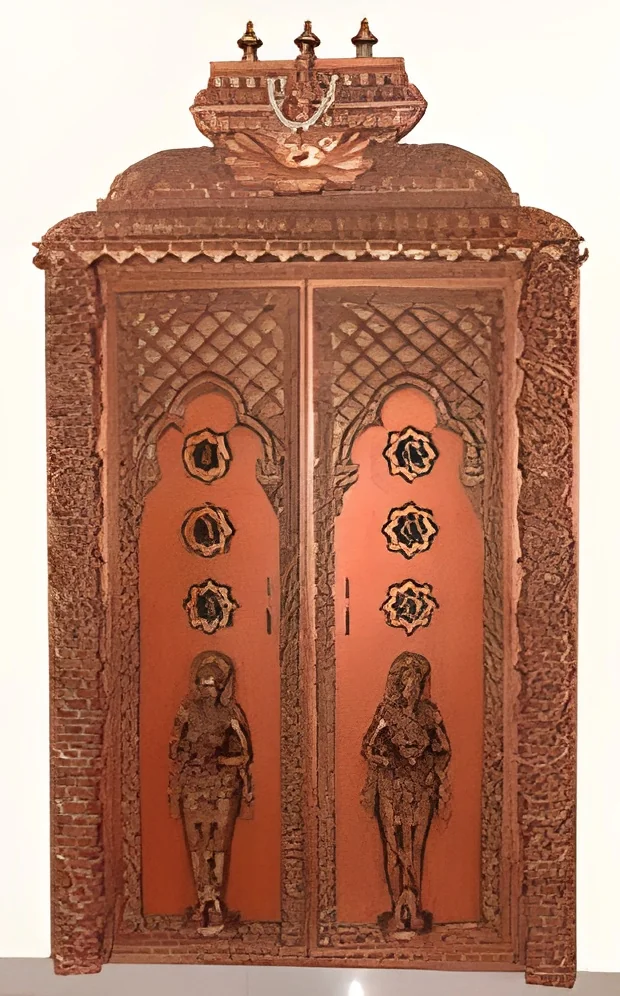
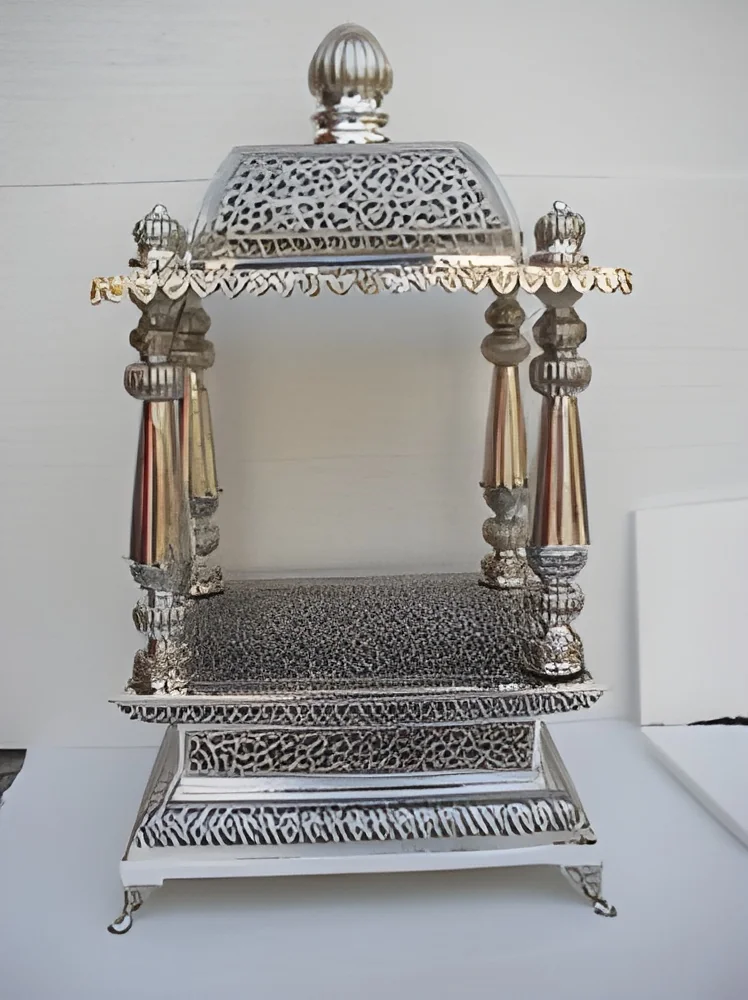
Pooja Mandirs, also known as prayer altars or temples, are traditional structures used for worship in various cultures, particularly in Hinduism. These sacred spaces are designed to house deities and serve as a focal point for spiritual practices. Pooja Mandirs can vary in size, style, and materials, ranging from small home units to large, elaborate installations in temples.
In businesses, Pooja Mandirs are often used in offices, showrooms, and manufacturing plants to create a serene environment that promotes well-being and focus. They provide a dedicated space for employees to engage in prayer and meditation, contributing to a positive workplace culture. The relevance of Pooja Mandirs extends beyond personal use; they are increasingly recognized in the commercial sector for their role in enhancing employee morale and fostering a communal spirit.
The market for Pooja Mandirs has seen significant growth, driven by rising awareness of mental health and well-being in the workplace. Companies are seeking ways to create inclusive environments that respect cultural practices, making Pooja Mandirs an essential feature in many business settings.
Key Features and Specifications
Pooja Mandirs come with a variety of features that cater to different customer needs. Their specifications can vary widely based on size, design, and intended use.
Key specifications include:
1. Material Quality
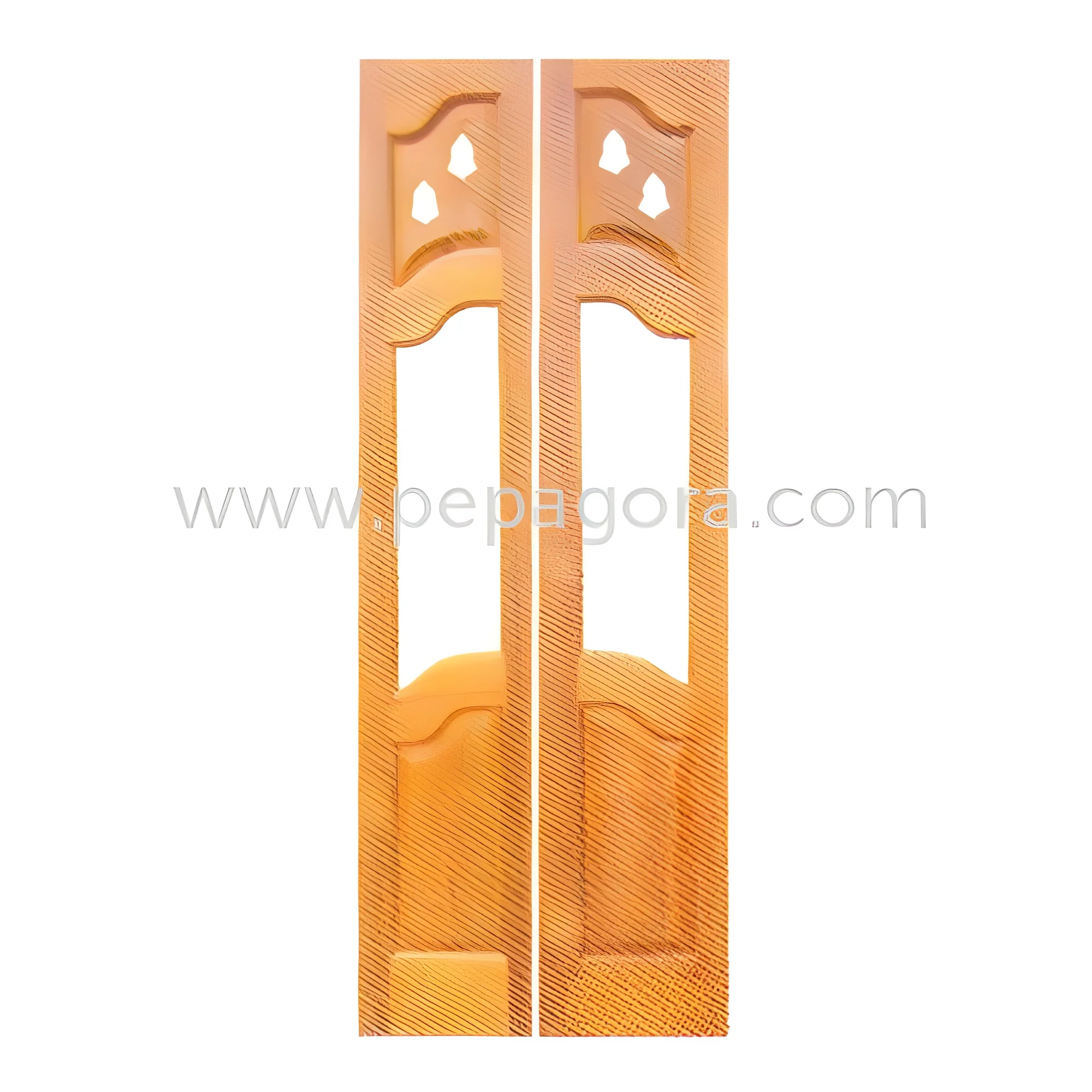
- Commonly made from wood, metal, or stone
- Durability and aesthetic appeal vary based on the material
2. Size and Dimensions
- Available in various sizes to fit different spaces
- Custom dimensions can be provided for specific requirements
3. Design Style
- Traditional, contemporary, or customized designs
- Intricate carvings or simple finishes available
4. Accessories
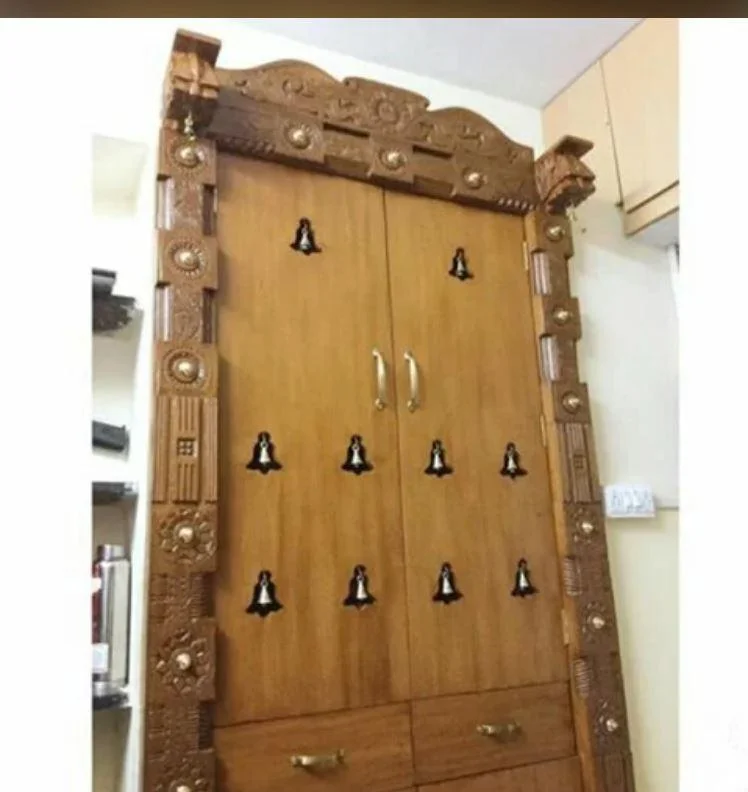
- Often include shelves for deity idols and offerings
- May come with lighting features for enhancing ambiance
5. Customization Options
- Personalized designs to match corporate branding or specific requirements
- Flexible configurations to accommodate multiple deities
6. Installation Requirements
- Some units may require professional installation
- Easy-to-assemble options are also available
7. Maintenance Needs
- Varies based on material; some require regular polishing or care
- Others may be designed for low maintenance
In summary, Pooja Mandirs are versatile structures that can be tailored to meet the specific needs of businesses, enhancing both aesthetics and spiritual practices in the workplace.
Common Applications and Use Cases
Pooja Mandirs serve various industries, providing a sacred space for worship and reflection.
1. Corporate Offices: Many businesses incorporate Pooja Mandirs to foster a positive work environment and support employee well-being.
2. Educational Institutions: Schools and colleges use Pooja Mandirs for spiritual gatherings and celebrations, promoting cultural values.
3. Retail Shops: Some retail spaces feature Pooja Mandirs to attract customers and create a welcoming atmosphere that reflects cultural heritage.
4. Manufacturing Units: Factories may install Pooja Mandirs to honor traditional practices and ensure a harmonious workplace.
5. Hospitality Sector: Hotels and resorts use Pooja Mandirs as a unique selling point, offering spiritual amenities to guests.
6. Community Centers: These centers often feature Pooja Mandirs to serve diverse community needs and celebrate cultural festivals.
7. Healthcare Facilities: Hospitals may use Pooja Mandirs to provide patients and staff with a tranquil space for prayer and meditation.
Product Variants and Subcategories
Pooja Mandirs come in various forms to suit different preferences and requirements.
Wall-Mounted Pooja Mandirs: These space-saving options are ideal for homes or offices with limited space. They can be easily installed and often feature shelves for deities and offerings.
Free-Standing Pooja Mandirs: Larger units that can be placed anywhere in a room, providing more space for multiple deities and accessories. They often feature intricate designs and craftsmanship.
Customized Pooja Mandirs: Tailored to specific needs, these mandirs can reflect individual or corporate branding. They offer flexibility in design and dimensions.
Portable Pooja Mandirs: Ideal for those who travel or move frequently. These lightweight options can be easily transported and set up in various locations.
Benefits and Advantages
Pooja Mandirs offer several benefits to businesses and individuals alike.
1. Spiritual Connection: They provide a dedicated space for worship, enhancing spiritual practices and personal reflection.
2. Cultural Inclusion: Pooja Mandirs promote respect for diverse cultural practices, helping to create an inclusive workplace.
3. Employee Morale: By fostering a serene environment, these structures can boost morale and enhance productivity.
4. Aesthetic Value: Pooja Mandirs often serve as decorative elements, enriching the visual appeal of a space.
5. Stress Reduction: Engaging in prayer and meditation can lower stress levels, contributing to overall well-being.
6. Community Engagement: They serve as a focal point for community gatherings, promoting unity and collaboration.
Buying Guide for B2B Buyers
When sourcing Pooja Mandirs, consider the following factors to make an informed decision.
1. Quality Assessment: Look for high-quality materials and craftsmanship. Verify the durability and finish of the mandirs to ensure longevity.
2. Supplier Verification: Conduct thorough research on suppliers. Look for reviews, certifications, and previous work to gauge reliability.
3. Pricing and MOQ: Understand the pricing structure and minimum order quantities. Compare options to ensure you get the best value for your investment.
4. Delivery and Lead Times: Check on logistics and lead times for delivery. Ensure the supplier can meet your deadlines.
5. Compliance Requirements: Be aware of any regional compliance and safety standards that may apply to Pooja Mandirs in your area.
Compliance and Certifications
Pooja Mandirs must adhere to various quality standards and certifications to ensure they meet industry expectations.
Relevant quality standards include ISO 9001, which outlines criteria for a quality management system. This certification ensures that manufacturers adhere to consistent quality practices.
In addition, compliance with CE marking indicates that the product meets European safety and health standards. This is particularly important for businesses exporting Pooja Mandirs to international markets.
Safety and testing requirements may vary, so it is crucial to check with manufacturers regarding their compliance with local regulations.
Regional compliance considerations should also be factored in, especially if the Pooja Mandirs are intended for specific cultural or religious communities.
Why Source Pooja Mandirs from Pepagora?
Pepagora provides a trusted platform for sourcing Pooja Mandirs, offering several key advantages to buyers.
Verified Supplier Network: Pepagora connects buyers with a network of verified suppliers, ensuring that you can source high-quality products with confidence. Each supplier undergoes a thorough vetting process.
Streamlined RFQ Process: The platform simplifies the request for quotation process, allowing buyers to easily compare prices and specifications from multiple suppliers. This efficiency helps in making timely purchasing decisions.
Trade Assurance and Support: Pepagora offers trade assurance features that protect buyers from discrepancies in transactions. This support fosters a secure purchasing environment.
Regional Coverage: The platform has a broad geographic reach, covering India, the Gulf Cooperation Council (GCC) countries, and Southeast Asia. This makes it easier for businesses to find suitable suppliers within their region.
In conclusion, sourcing Pooja Mandirs through Pepagora not only enhances the purchasing experience but also ensures access to quality products that meet diverse business needs.

 IN
IN